REVIEW · KATHMANDU
Everest 5-Day Trek from Kathmandu
Book on Viator →Operated by Cordial Trek Pvt. Ltd. · Bookable on Viator
Flying into Lukla changes everything.
This Everest View Trek is a short, all-seasons way to chase Himalayan panoramas, with the big moment built around Hotel Everest View at 3,880 m. I especially like the included return flights to Lukla and the way day trips keep the pace realistic for a 5-day trip. One consideration: weather around Lukla can be tricky, so you’ll want patience if flight schedules shift.
What I found most practical is that the trip is set up to reduce confusion: you get hotel pickup and transfers, a guide and porter to handle the trail logistics, and loaner trekking basics like poles and a sleeping bag. It’s also a private experience for your group, so the days feel organized rather than chaotic. The tradeoff is that you’re moving with a schedule, and the trek asks for moderate fitness and comfort walking several hours at altitude.
In This Review
- Key Highlights You’ll Actually Care About
- A 5-Day Everest View Plan That Feels Ambitious but Manageable
- Kathmandu Morning: Why the 5:45 Start Matters
- The Thrilling Lukla Flight: Your First Real Everest Lesson
- Phakding: River Walks, Small Detours, and Early Rhythm
- Namche Bazaar: The Gateway Feel and Altitude Peak at 3,438 m
- Hotel Everest View: The 3,880 m Panorama Day
- Back to Lukla and Home: Short Flight, Big Sense of Closure
- Price and Value: What $1,200 Covers (and What It Doesn’t)
- Guides and Porters: The Difference Between Surviving and Enjoying
- Season Choices: Wildflowers, Clear Skies, Golden Light, or Snowy Everest
- Fitness Level: Moderate Effort, Real Altitude
- Should You Book This Everest 5-Day Trek From Kathmandu?
- FAQ
- How long is the Everest 5-Day Trek?
- Where does the trek start?
- Is this tour private?
- Are flights to and from Lukla included?
- What is the highest point on this itinerary?
- Does the package include permits?
- What type of accommodation do I get?
- Does the tour include meals?
- What gear is provided or loaned?
- What is not included in the price?
Key Highlights You’ll Actually Care About
- Lukla flight included: the big, dramatic start is part of your package (and the most time-sensitive part).
- Namche Bazaar time: you get a real feel for Sherpa life, not just a walk-through.
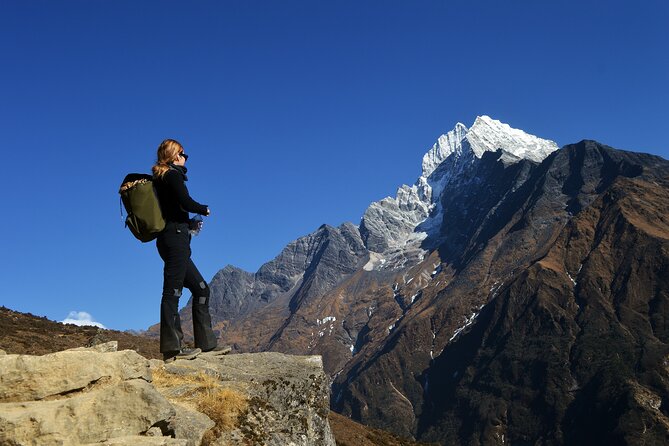
- Hotel Everest View at 3,880 m: Guinness-listed altitude makes the views feel closer and more immediate.
- A day built for panorama: the Hotel Everest View push is structured as a return trip, so you’re not wiped out afterward.
- Private bathroom and hot shower: comfort matters when nights get cold and your legs need recovery.
- Guide support that reduces stress: the crew’s communication and care come up again and again in feedback, including help with flight complexities.
A 5-Day Everest View Plan That Feels Ambitious but Manageable
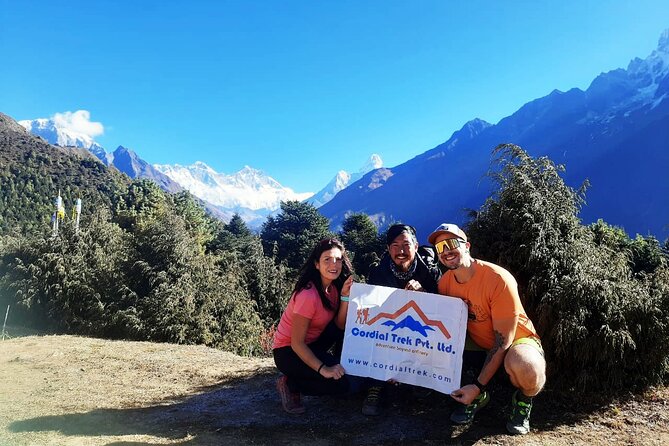
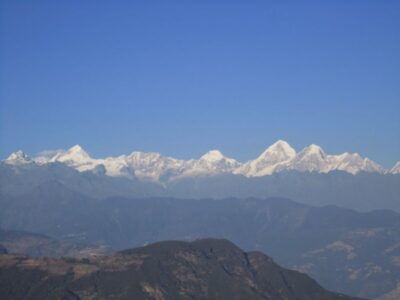
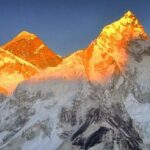
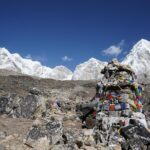
This is a “big-picture” trek. In only about five days, you’ll move through classic Everest-region scenery and build toward one standout viewing goal: Hotel Everest View. Even if you’re not aiming for the full marathon style of longer Everest itineraries, you still get a strong sense of scale—mountain after mountain, then suddenly that tight, jaw-dropping sightline toward Everest.
I like that the trek is described as all-season, because the Everest region doesn’t wait for spring. Spring brings wildflowers (March–May), summer can mean clearer visibility (June–August), autumn offers golden light (September–November), and winter can turn the whole area into snow-and-ice country (December–February). Your best “wow” factor will depend on the day’s weather, but the route itself stays the same.
The altitude pattern is also something I watch closely. You’ll reach a listed maximum of 3,438 m / 11,280 ft on the Namche day, and then you’ll go higher to the Hotel Everest View area at 3,880 m. That’s not extreme by long-Everest standards, but it’s still real altitude. Go steady, drink water, and don’t treat this like a casual stroll.
You can also read our reviews of more hiking tours in Kathmandu
Kathmandu Morning: Why the 5:45 Start Matters
Your day begins early. Start time is 5:45 am, and on day one you’ll be picked up from your hotel and transferred toward Tribhuvan International Airport in Kathmandu. That early departure is not just for convenience—it gives you a buffer for airport lines and pre-flight checks.
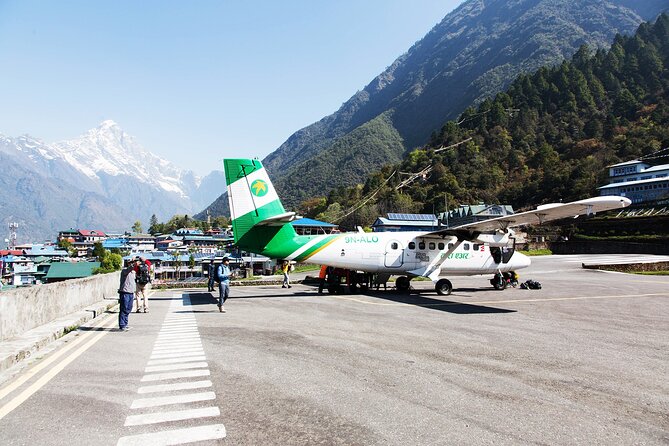
Then the trip turns into the signature Everest move: a domestic flight that lands you near the start of the trek. The package includes round-trip flights to and from Lukla, which matters because this isn’t a “buy later” situation. You’re committing your schedule to weather and flight windows, so having flights in the plan helps you stay focused on the experience instead of hunting logistics.
Also, you’ll be dealing with multiple transport steps: pick up, airport transfer, flight, then trek days. I like that the itinerary is built around that flow rather than forcing you to piece things together after you land.
The Thrilling Lukla Flight: Your First Real Everest Lesson
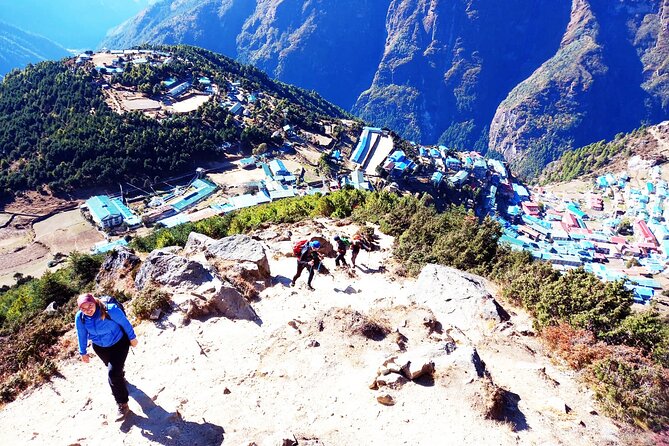
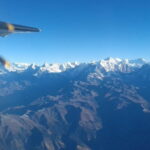
The experience starts with a flight to Lukla, commonly described as one of the most challenging airports in the world. I’m not going to sugarcoat it: the drama is part of why people do this trek. When you land in Lukla, the mountains stop being something you see on screens and start looking three-dimensional—close enough to feel.
Because return flights are included, your biggest operational pressure point is handled for you. That’s a big deal for first-timers who don’t want to spend vacation time worrying about airport counters, shifting gates, or confusion about where you’re supposed to be if plans change.
One more practical note: the trip includes a mobile ticket, which tends to make coordination easier, especially when you’re moving between airport and hotel drop-offs. It’s small, but on a tight schedule it helps.
Phakding: River Walks, Small Detours, and Early Rhythm
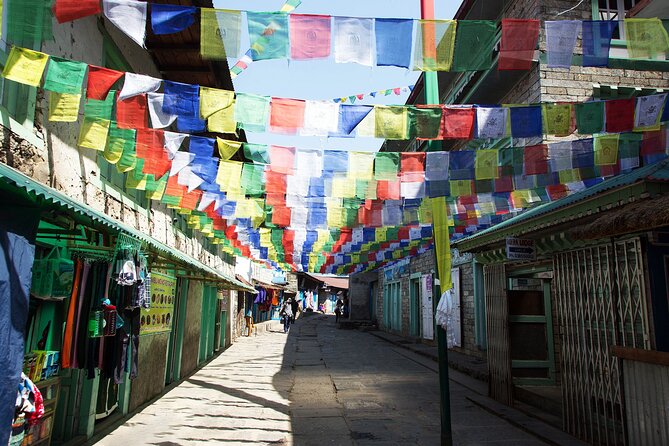
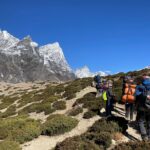
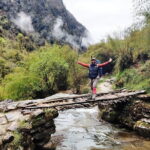
On day one after you land, you trek down to Phakding for about 3–4 hours. Phakding sits along the Dudhkoshi River, and that riverside setting gives you an immediate change of pace from Kathmandu—less traffic, more mountain air, and a trail that starts gently.
You’ll likely have a chance to look around a bit, and there’s even room for a small detour to monasteries and local areas in town. Even if you keep it simple, this day is where you set your rhythm: slow steps, layered clothing, and a pace that doesn’t spike your heart rate too fast.
The “drawback” here is also straightforward: if you arrive tired from travel or don’t hydrate properly after flying, the first trekking hours can feel harder than you expected. Don’t rush to match other people’s steps—match your body.
Namche Bazaar: The Gateway Feel and Altitude Peak at 3,438 m
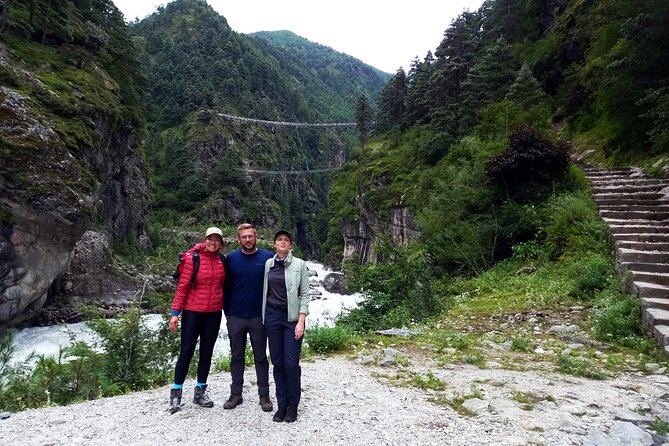
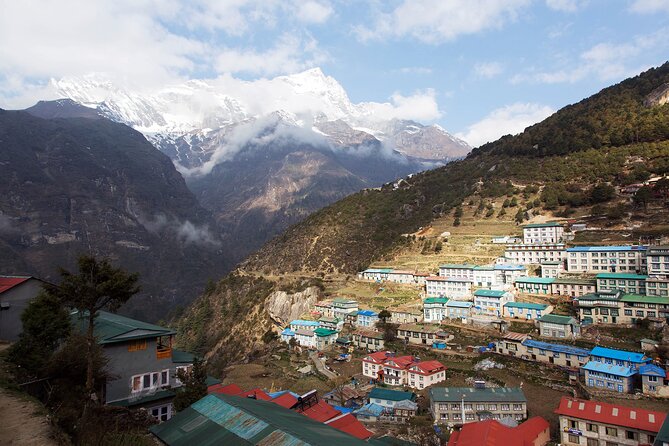
Day two brings you from Phakding to Namche Bazaar in about 6 hours, with a listed max altitude of 3,438 m / 11,280 ft. Namche is the classic gateway for Everest-region trekkers—packed with shops, cafes, and day-to-day Sherpa culture. You’re not just passing through; you’re given time to explore and absorb the place.
This is also where altitude starts to make itself known. That’s not a reason to panic—it’s a reason to act smart. I recommend you treat Namche like your “training ground” for being at altitude: take breaks before you feel forced to, eat something even if you don’t feel ravenous, and keep water coming.
The itinerary also includes exploration time after the main hiking, so you’re not only hiking and sleeping. That matters on a 5-day plan because it gives your brain a chance to register what you’re seeing, instead of only focusing on the next step.
You can also read our reviews of more tours and experiences in Kathmandu
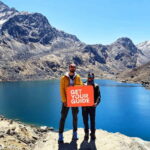
Hotel Everest View: The 3,880 m Panorama Day
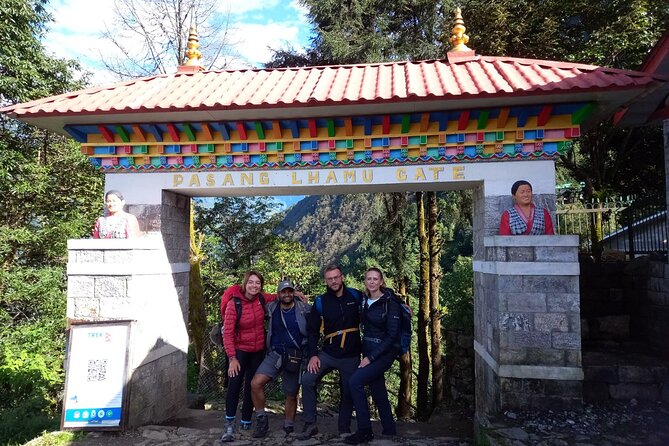
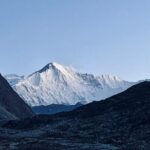
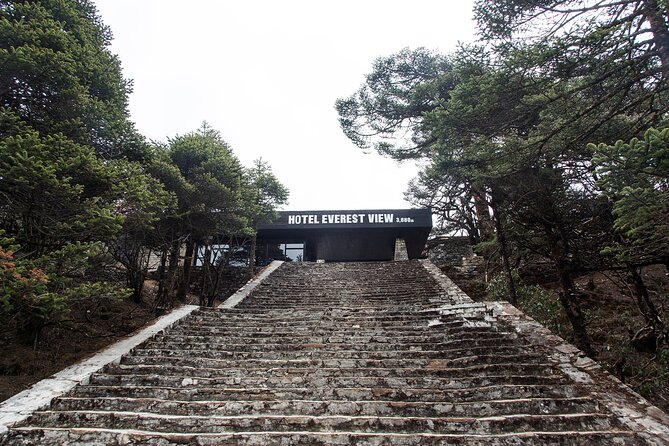
If you want one day that feels like a reward, it’s day three. You’ll make a return trip from Namche Bazaar up to Hotel Everest View (about 3–4 hours, round-trip style as described). The goal is straightforward: get the best possible panoramic view of Mount Everest and the surrounding range.
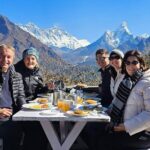
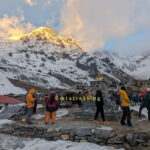
Here’s a standout fact: Hotel Everest View is located at 3,880 m, and it’s listed as holding a Guinness World Record for the highest situated hotel in the world. The location changes the viewing experience. At this altitude, the mountains feel larger, and the air tends to make distant peaks look sharper when the weather cooperates.
The day is also planned with a return to Namche Bazaar in the late afternoon, so you’re not stranded with no place to settle. After you come back, you’ll have time to explore the market again and have a chunk of free time.
The only real consideration is weather visibility. Since the big views depend on clear conditions, go into this day with a flexible mindset. If the sky is stubborn, you may need to wait for breaks in the clouds.
Back to Lukla and Home: Short Flight, Big Sense of Closure
Day four takes you back down to Lukla via villages including Manjo and Phakding, in about 6–7 hours. You’ll stay overnight at a guest house in Lukla. This is a long downhill day, and it’s where strong trekking shoes and careful footwork matter most. If your knees complain, take shorter steps and use your poles if you have them.
Then day five is a short 30-minute flight from Lukla to Kathmandu, followed by transfers to your respective hotels. That fast final hop is comforting. After several days in mountain air, Kathmandu feels like a reset button—loud, busy, and full of warm food options.
It’s also a relief that the trek includes these flights rather than leaving you to arrange them last-minute. That kind of certainty makes the whole trip feel easier to manage.
Price and Value: What $1,200 Covers (and What It Doesn’t)
At $1,200 per person, this trek can feel like a lot until you break down what’s included. You’re getting return flight tickets to and from Lukla, a guide and porter, national park permit, and local government tax. You also get accommodation at mountain guest houses with a private bathroom and hot shower, plus 4 breakfasts, 4 lunches, and 4 dinners.
On top of that, the tour lends key gear: a duffle bag, trekking poles, and sleeping bags. It also provides a company T-shirt, first aid support, and hotel pickup and drop-off in Kathmandu.
Not included is mostly what I’d expect: hot/cold drinks, personal expenses, and gratuities for guide and porter. In other words, you’re paying for the core operating costs and the guided structure, and you handle your personal spending and tipping.
If you want my straight take on value: this price includes the parts of an Everest-region trip that usually get messy—flights, permits, and day-by-day logistics. If you’ve ever tried to DIY trekking in this region, you know how quickly time and stress can add up.
Guides and Porters: The Difference Between Surviving and Enjoying
The most praised aspect in feedback is the people side of the trip. You’ll have a guide and porter, and the tone from the experiences shared highlights two themes: convenience and care.
Names came up clearly: guides like Prakash and Anil were described as communicative, helpful with what to expect, and genuinely attentive to safety. One person specifically called out how the guide helped them spot Mount Everest, and how the guide would check back to make sure everyone was okay.
Another big detail: help with flight arrangements. One set of feedback mentioned that the crew helped arrange flights from Kathmandu to Lukla and back, including dealing with confusion that can happen with cancellations and changing airports. That matters because Lukla flights are the kind of thing that can scramble independent plans fast.
As for porters, the praise is consistent: people said they couldn’t have done it without them. Even with gear included like poles and a sleeping bag, having a porter for your load can keep your energy focused on walking and enjoying the views.
Season Choices: Wildflowers, Clear Skies, Golden Light, or Snowy Everest
You can do this trek year-round, and each season changes the “feel” even if the trail is the same.
- Spring (March–May): expect wildflowers and lively trail color, especially as the lower areas thaw.
- Summer (June–August): you’re chasing clearer skies when weather cooperates.
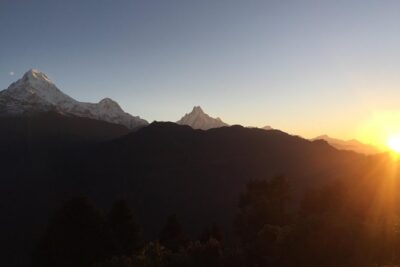
- Autumn (September–November): many people love the golden light that can make ridgelines look warm.
- Winter (December–February): expect snow and ice, which can make traction and layering even more important.
Your best strategy is to pick the season you can handle emotionally. Clearer weather is great, but colder conditions in winter change how you pack and how you move. The trek is designed for all seasons, but your comfort still depends on how prepared you are.
Fitness Level: Moderate Effort, Real Altitude
The tour asks for a moderate physical fitness level. In plain terms, you’re looking at multiple days of hiking in the range of a few hours, with a top altitude listed at 3,438 m on day two and access to 3,880 m around Hotel Everest View.
What that means for you:
- Walk at a pace you can sustain.
- Take breaks before you feel wrecked.
- Stay warm even when the sun is out, since temperature shifts can be dramatic in the mountains.
Also, the itinerary is compact. That’s part of the value, but it means you should arrive already feeling decent—not like you’re just starting from zero because you figured you’d “train on the trail.”
If you’re sensitive to altitude or have any medical concerns, you’ll want to talk with a professional before committing. This is high enough to matter.
Should You Book This Everest 5-Day Trek From Kathmandu?
I’d book it if you want a strong Everest-region experience without turning your vacation into a multi-week endurance test. The included Lukla flights, permits, guide and porter team, and lodging with private bathroom and hot shower make it a smoother trip than most people manage on their own.
Skip it (or think carefully) if you absolutely need guaranteed clear Everest views every day. Weather is part of the deal here, and the trip is built on a specific schedule that can be affected.
One smart way to decide: compare the “what’s included” against what you’d otherwise have to arrange yourself—flights to Lukla, permits, and the trail team. If you value having the structure handled, this is strong value for the Everest View goal.
FAQ
How long is the Everest 5-Day Trek?
The trek is about 5 days.
Where does the trek start?
It starts in Kathmandu, Nepal, with pickup from your hotel. Start time is 5:45 am.
Is this tour private?
Yes. It’s a private tour/activity, and only your group will participate.
Are flights to and from Lukla included?
Yes. Return flight tickets to and from Lukla are included.
What is the highest point on this itinerary?
The itinerary lists a maximum altitude of 3,438 m / 11,280 ft on day two, and it also includes a trip to Hotel Everest View at 3,880 m.
Does the package include permits?
Yes. It includes a national park permit and local government tax.
What type of accommodation do I get?
You get accommodation at mountain guest houses, with a private bathroom and hot shower included.
Does the tour include meals?
Yes. It includes 4 breakfasts, 4 lunches, and 4 dinners.
What gear is provided or loaned?
The tour borrows necessary equipment such as a duffle bag, trekking poles, and sleeping bags.
What is not included in the price?
Hot/cold drinks, personal expenses, and gratuities for the guide and porter are not included.