REVIEW · KATHMANDU
Kathmandu to Annapurna Base Camp (ABC) 5-Day Trek
Book on Viator →Operated by Cordial Trek Pvt. Ltd. · Bookable on Viator
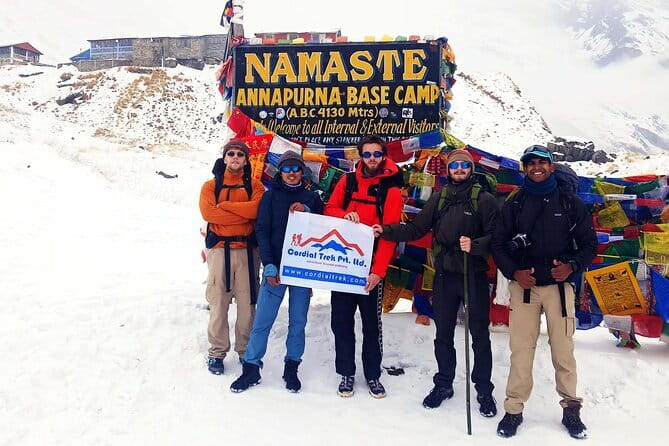
Fast treks can be a gamble, but this one is built around smart logistics. You fly from Kathmandu to Pokhara, drive to the trailhead, then push to Annapurna Base Camp (4130m/13550ft) on a tight 5-day schedule.
I like the clear structure: hotel pickup in Kathmandu, a scenic 25-minute flight to Pokhara, and mountain guest house nights lined up for you. It also helps that the guides are consistently praised for keeping people safe and comfortable, including a female solo traveler who felt cared for throughout with guide Oham Raj Tamang and helper Narayan.
The main consideration is the pace. With hiking days that run roughly 5–7 hours and an early summit-style push to base camp, you’ll want solid fitness and realistic expectations for altitude and effort.
In This Review
- Key things that made this 5-day ABC trek work
- Kathmandu to Pokhara: the smart start that saves your legs
- Price and value: why $99 can make sense on this route
- The 5-day plan, day by day: what the hiking days actually feel like
- Day 1: Flight, drive to Simrung, then into the Annapurna foothills
- Day 2: Sinuwa to Deurali through tea houses and waterfall country
- Day 3: The big arrival day—ABC via Machhapuchhre Base Camp
- Day 4: Sunrise breakfast at ABC, then back down toward Sinuwa
- Day 5: Down to Jhinu Danda for the hot spring, then back to Pokhara
- What makes Annapurna Base Camp special in a 5-day window
- Guides you can trust: the human factor that shows up in real ways
- What to pack and how to prepare for a fast ABC trek
- Who this trek is best for—and who should pick a slower version
- Should you book this Kathmandu to Annapurna Base Camp 5-day trek?
- FAQ
- What does the trek price include?
- Are meals included?
- Is porter service included?
- How long is the trek and how many nights are you sleeping in guest houses?
- Do I need to be very experienced to do this?
- What is the cancellation and weather policy?
Key things that made this 5-day ABC trek work
- Short-haul route that avoids the long slog from Kathmandu by using a flight to Pokhara
- Mountain guest houses for 4 nights, so you’re not improvising lodging day to day
- A licensed guide with English and Hindi, which matters when conditions shift
- Reaching ABC fast through key waypoints like Chomrong, Sinuwa, and Machhapuchhre Base Camp
- Jhinu Danda hot spring on the last trekking day to ease the legs
- Safety-focused, caring guide style shown in multiple write-ups (help with hard moments, health checks)
Kathmandu to Pokhara: the smart start that saves your legs
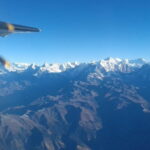
This trek doesn’t start with an all-day bus ride. Instead, you get hotel pickup in Kathmandu and go to the domestic terminal for a scenic flight to Pokhara. That one choice changes the whole feel of the trip: you arrive in the region with energy left, then get on the trail without losing half your day to transport.
Once in Pokhara, you’ll be driven toward the trek start (Simrung). From there, the itinerary moves quickly, aiming at Annapurna Base Camp in just five days. For most people, that means the trip is more about tempo and focus than lingering.
One other practical plus: the package includes trekking permits and national park fees. Permits on the Annapurna routes are not optional if you want to do this right, and having them handled lets you spend your brainpower on the hiking.
You can also read our reviews of more hiking tours in Kathmandu
Price and value: why $99 can make sense on this route
At $99 per person, the value comes from what you’re not paying extra for: flight (one way Kathmandu to Pokhara for the Kathmandu option), shared vehicle from Pokhara to Simrung and back, guest house accommodations for four nights, permits, and a licensed guide.
What’s not included matters. Meals and drinks are on you, and there’s no porter service included. If you’re the type who prefers paying for convenience, you may want to budget separately for extra help with luggage. But if you’re comfortable carrying a moderate daypack, the low price can feel genuinely fair for a structured 5-day trek.
Also note the booking lead time. This itinerary is commonly booked about 35 days in advance. If you have your heart set on specific dates (especially in busier seasons), it’s worth booking sooner rather than waiting.
The 5-day plan, day by day: what the hiking days actually feel like
Day 1: Flight, drive to Simrung, then into the Annapurna foothills
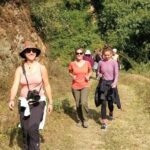
You start early in Kathmandu with pickup and travel to the airport. After the short flight to Pokhara, you’re driven to Simrung to begin trekking. Then you hike roughly 5–6 hours, passing through places like Jhinu Danda and Chomrong before stopping overnight at Sinuwa.
Why this first day is important: it’s long enough to get your legs working, but it’s not yet the hardest altitude work. It’s a good day to settle into your rhythm, check your pacing, and make sure you’re drinking enough.
Possible drawback: Day 1 is still the start of real trekking. If you arrive tired from travel, you’ll feel it more than you would on a slower itinerary.
Day 2: Sinuwa to Deurali through tea houses and waterfall country
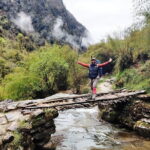
Day 2 is described as a 6–7 hour hike from Sinuwa to Deurali, passing through Himalaya (a small settlement with tea houses) and moving through dense forest with waterfalls along the way.
This is the day where the trek usually becomes more scenic in a sensory way. The forested sections and waterfall route tend to break up the mental monotony of hiking. Also, tea houses at Himalaya can give you realistic breakpoints: you stop, warm up, refill, and adjust gear without stressing about timing.
What to watch for: day 2 is often where people push a little too hard because the trail feels good. Your best move is to keep effort steady, not heroic.
You can also read our reviews of more tours and experiences in Kathmandu
Day 3: The big arrival day—ABC via Machhapuchhre Base Camp
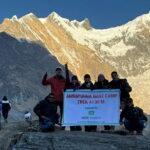
On Day 3, you reach Annapurna Base Camp, traveling through Machhapuchhre Base Camp (MBC) along the route. Expect an all-day push—around 18 hours is listed for this day’s scheduled movement—so it’s very much the centerpiece of the trip.
This is also the day many people remember forever. Multiple guides are highlighted in past experiences for how they handle conditions at the base camp itself, including helping when things get difficult. One theme stands out: good guides focus on safety, not just scenery.
Two practical considerations:
- Because the plan is fast, you’ll want to protect your energy earlier in the day.
- Base camp days can be emotionally intense; having a calm guide makes the experience feel manageable.
Day 4: Sunrise breakfast at ABC, then back down toward Sinuwa
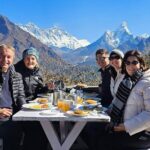
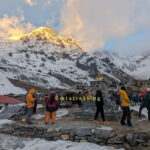
Day 4 starts with an early morning sunrise view and breakfast at Annapurna Base Camp, then you hike back down toward Sinuwa via areas listed like Deurali and Himalaya (and Dobh… as part of the route description).
This is the day that turns the trip from endurance into recovery. Descending still takes effort, but it often feels easier on the lungs than going up. It’s also where you can steady yourself: drink, eat, and focus on placing each step well.
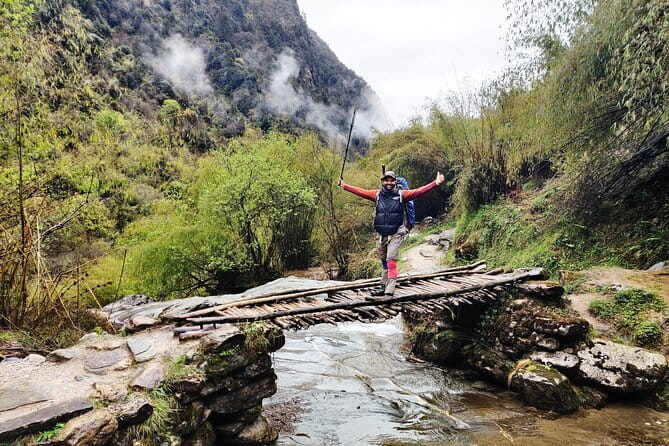
One drawback to keep in mind: descending can be rough on knees and ankles. Bring trekking poles if you use them and keep strides shorter on steep sections.
Day 5: Down to Jhinu Danda for the hot spring, then back to Pokhara
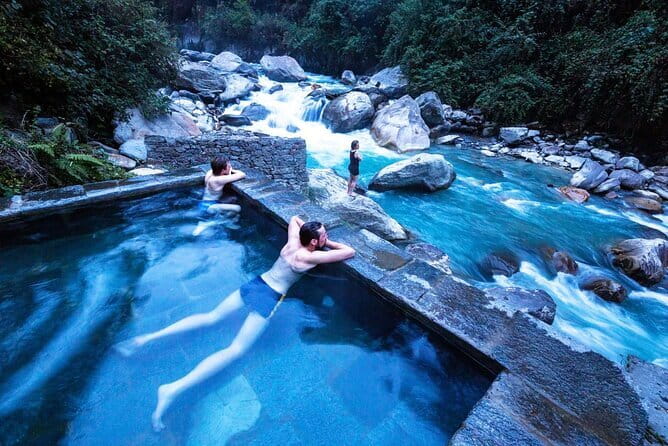
The final trekking day runs about 5–6 hours from Sinuwa down to Simrung area via Jhinu Danda. Jhinu Danda is famous here for its natural hot spring bath, and that’s specifically included as part of how the itinerary closes.
After the hot spring time, you drive back to Pokhara (about 2 hours) and celebrate the successful finish.
This ending is more than a cute bonus. Hot springs are a classic way to loosen the tight muscles that build up over consecutive trekking days. In a trip this short, recovery matters, and Jhinu is a satisfying payoff.
What makes Annapurna Base Camp special in a 5-day window
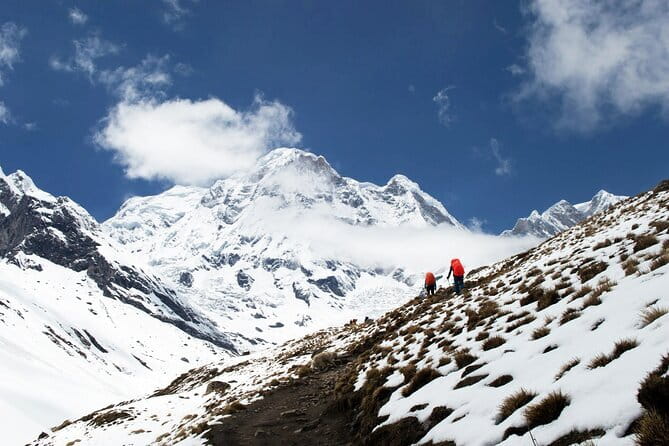
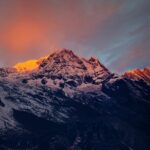
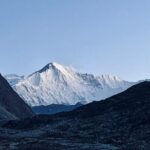
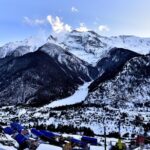
You’re aiming at the Annapurna Sanctuary region, a high glacial basin inside the broader Annapurna Conservation Area. The base camp sits at 4130m/13550ft, so altitude is part of the story even on a short trek.
In a longer itinerary, you can acclimatize with extra nights. Here, you’re moving fast by design. That’s why your “win condition” is not speed alone—it’s reaching ABC while staying steady enough to enjoy it.
This is also where guide quality can make or break the experience. Past accounts repeatedly mention guides who check on physical health and help with tough moments, including support at the base camp and along the way. If you’re worried about whether you can handle the plan, this kind of proactive attention is exactly what you want.
Guides you can trust: the human factor that shows up in real ways
One of the most consistent themes in the best feedback is the people. Several guide and helper names show up: Oham Raj Tamang, Narayan, Nilakantha, Om Raj, Smile Ghale, Raj, Pratip, Sohit, and porter Jeevan.
Here’s why those details matter for you:
- Multiple experiences describe the guide as friendly and smiling, which sounds small until you realize it helps keep morale up on hard days.
- Several comments highlight guides checking physical condition, which usually means the guide is watching pace and breathing, not just following a route.
- For solo travelers (including a female solo traveler), a “felt safe” experience is a big deal. It suggests the guide system isn’t hands-off.
Also, one guide is mentioned for sharing knowledge about Nepal’s mountain culture and the mountains themselves. Even with a tight itinerary, that kind of context can make the hike feel less like a checklist and more like a real journey.
What to pack and how to prepare for a fast ABC trek
This tour data doesn’t list exact gear requirements, but you can plan smartly based on the route profile: five days, guest houses, and altitude at base camp.
I’d plan for:
- Layers for cold mornings (sunrise at base camp is early)
- A rain layer, because waterfall/forest terrain can mean wet conditions
- A comfortable daypack for the walk days (since porter service is not included)
- Power and charging plans for your phone/camera (you’ll want them for the return to Pokhara and memories of the trail)
Also, keep in mind that trekking permits and national park fees are included, but meals and drinks aren’t. You’ll want cash and a habit of eating small, steady meals so you don’t burn out.
Who this trek is best for—and who should pick a slower version
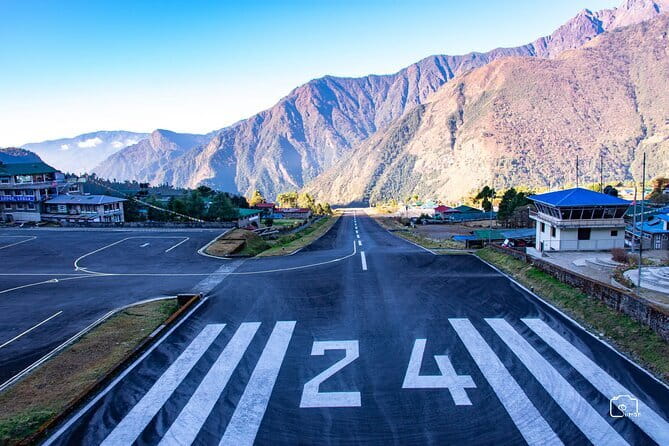
This trek is listed for travelers with moderate physical fitness. That’s encouraging, but the word moderate needs a reality check: the schedule is short, so moderate fitness still has to be consistent.
I’d say this trek is a strong fit if:
- You want ABC in a tight time window
- You’re comfortable with daily 5–7 hour hikes
- You’d rather pay for structure and a guide than manage logistics yourself
- You’re okay carrying your own essentials, since porter service isn’t included
I’d reconsider if:
- You get winded easily at altitude
- Your knee or ankle tolerance isn’t great for descending days
- You want lots of downtime and flexible pacing
Should you book this Kathmandu to Annapurna Base Camp 5-day trek?
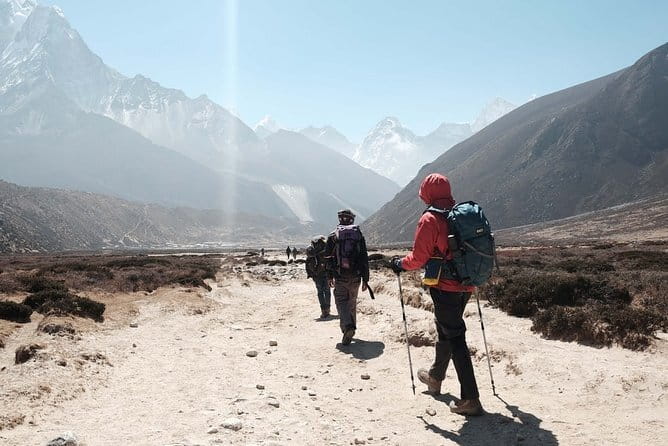
If your goal is to reach Annapurna Base Camp quickly—without planning flights, permits, and daily logistics—this package looks like strong value. The combination of flight to Pokhara, shared vehicle to Simrung, guest house stays, and a licensed guide is exactly what makes a fast trek feel doable.
I also like the way the guide service is described in real feedback: caring, safety-minded, and supportive when conditions turn tricky. If you’re going for a first ABC trek, that human factor matters more than people expect.
If you want a slower acclimatization experience or you’re sensitive to intense hiking days, a longer trek variant may fit better. But for an efficient five-day plan with clear structure and help on the trail, this one is easy to recommend.
FAQ
What does the trek price include?
It includes flight tickets one way from Kathmandu to Pokhara (for the Kathmandu option), shared vehicle from Pokhara to Simrung and back, mountain guest house accommodation for 4 nights, trekking permits and national park fees, and a licensed trekking guide plus hotel pickup and drop-off. Guide language is provided in person in English and Hindi.
Are meals included?
No. All meals and drinks are not included.
Is porter service included?
No. Porter service is not included.
How long is the trek and how many nights are you sleeping in guest houses?
The trek is about 5 days, with 4 nights in mountain guest house accommodation included.
Do I need to be very experienced to do this?
The tour suggests travelers should have moderate physical fitness.
What is the cancellation and weather policy?
You can cancel for free up to 24 hours in advance for a full refund. If it’s canceled due to poor weather, you’ll be offered a different date or a full refund.