REVIEW · KATHMANDU
5 Days Hiking, Tour, Meditation and Yoga Retreat in Kathmandu, Nepal
Book on Viator →Operated by The Trek Nepal · Bookable on Viator
A weeknight nap is never this restorative. This 5-day Kathmandu retreat mixes morning yoga, meditation, and heritage sightseeing so your days feel both moving and meaningful. You get a small-group setup (max 15), four nights of hotel stay, and a plan that keeps switching between temples and time to reset.
What I especially like is how the retreat doesn’t treat yoga as a side quest. You’ll do yoga in the morning and then return for breathing/meditation in the late afternoon, which makes the sightseeing feel calmer instead of frantic. I also like the “real Kathmandu” mix: UNESCO sites like Pashupatinath and Boudhanath, plus day trips through places such as Patan and Bhaktapur.
One consideration: the schedule is active and starts early, so you’ll want to be okay with a steady rhythm of walking, stairs, and crowd navigation. Also, the price covers most meals and lodging, but it doesn’t include airport transfers (or extra day trips), so plan your budget accordingly.
In This Review
- Key highlights at a glance
- Kathmandu yoga retreat: temples by day, quiet work in the mind
- How the pace works over 5 days (and why the rest time matters)
- Yoga and meditation sessions: morning flow plus breathing in the evening
- Day-by-day Kathmandu Valley route: what each stop gives you
- Day 1: settle in with lunch and dinner
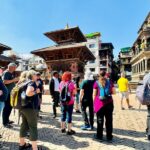
- Day 2: Pashupatinath Temple and Boudhanath Stupa
- Day 3: Swayambhunath and Buddhanilkhantha (Sleeping Vishnu)
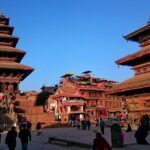
- Day 4: Patan and Bhaktapur for a deeper Kathmandu feel
- Day 5: morning yoga and check out at 12:00
- Included hotels and meals: good value, with a few gaps to budget
- Kathmandu valley hiking: a walking break that pairs well with yoga
- Logistics that actually affect your day: meeting point, transit, and timing
- Who should book this (and who might feel it’s not for them)
- Should you book The Trek Nepal’s Kathmandu yoga and meditation retreat?
- FAQ
- How much does the 5-day retreat cost?
- What’s included in the retreat?
- What meals are included?
- Which heritage sites does the tour visit?
- How many people are in the group?
- Where does the retreat start and end?
- Are airport transfers included?
- What time does check-out happen on the last day?
- Does weather affect the schedule?
Key highlights at a glance
- Small-group focus (up to 15) for easier pacing and more personal attention
- Daily yoga + breathing/meditation so your head and body get work every day
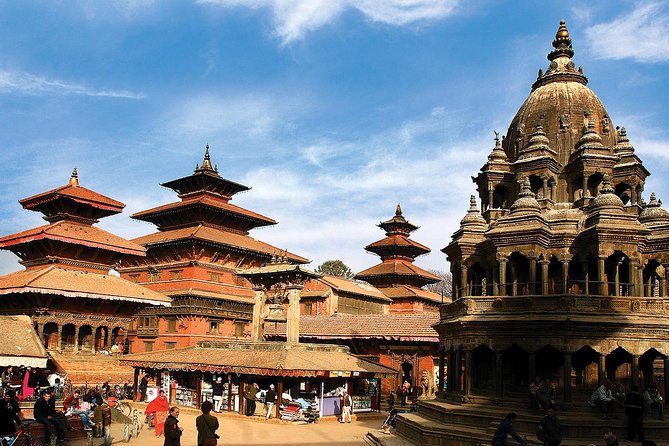
- UNESCO Kathmandu Valley stops including Pashupatinath, Boudhanath, and Patan Durbar Square
- A mix of sightseeing and downtime with a built-in rest window after morning activities
- Kathmandu valley hiking woven into the retreat style for nature-and-views breaks
- Hotel stay included for 4 nights with breakfasts, lunches, and dinners mostly covered
Kathmandu yoga retreat: temples by day, quiet work in the mind
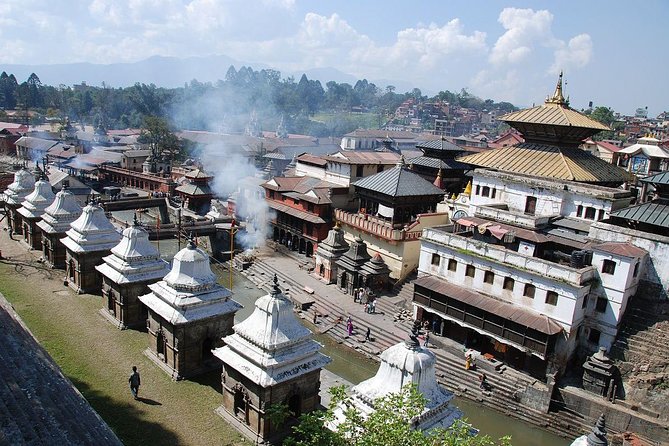
Kathmandu can hit your senses fast. Traffic noise, incense, prayer flags, and crowds all blend together. This retreat helps you slow that down by pairing big, iconic sights with daily yoga and meditation, so you’re not just ticking boxes. The result is a trip that feels practical and spiritual at the same time.
I like that the cultural part isn’t random. You visit the core spiritual landmarks people come to Nepal for, and those stops make the meditation feel less theoretical. Standing near a stupa or temple isn’t just sightseeing when you’ve already done breathwork that morning.
Price-wise, $586.67 for a 5-day package can seem “high” until you price it out as three separate things: hotel + guided heritage days + multiple instructor-led yoga/meditation sessions. Here, you’re basically buying one organized rhythm for the whole time, not a menu of half-finished add-ons.
You can also read our reviews of more hiking tours in Kathmandu
How the pace works over 5 days (and why the rest time matters)
The program runs about five days with four nights of accommodation, and the daily tempo is structured. Mornings start with yoga, then breakfast, then a sightseeing block, then a rest window, then breathing/meditation later in the day. That rest time is not fluff. It’s how you avoid turning Kathmandu into a nonstop blur.
A typical pattern looks like this: yoga runs around 07:30–08:30, breakfast follows, then you’re out until around mid-afternoon. After that, there’s time to cool off, regroup, and handle anything you need before the evening meditation session. If you’ve ever visited heritage cities and felt wrecked by day two, you’ll appreciate this built-in recovery.
Group size stays small (max 15), which helps with logistics at crowded sites. It also makes it easier for the guide to keep everyone together without rushing you through every stop like a conveyor belt.
Yoga and meditation sessions: morning flow plus breathing in the evening
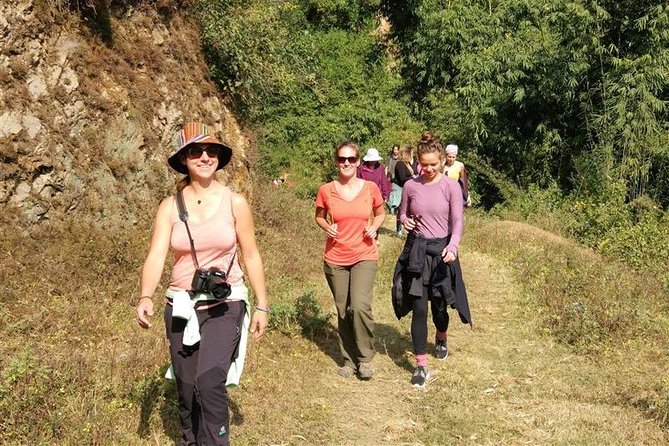
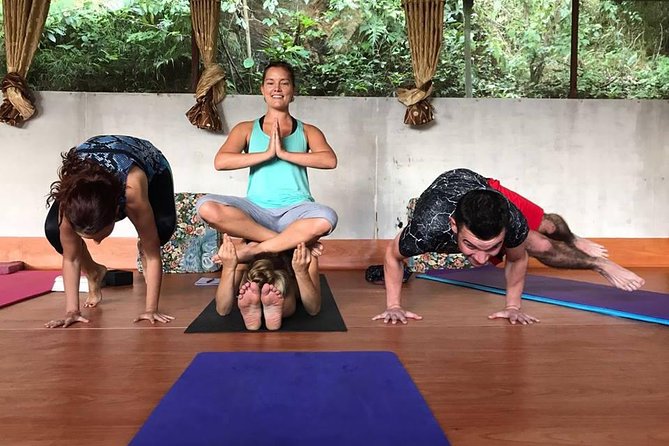
This is a yoga and meditation retreat, not just a sightseeing tour with one class. Yoga happens in the morning (for example, Day 2 and Day 3 list 07:30–08:30 sessions). Then you’ll return later with breathing and meditation sessions around late afternoon (listed as 17:00–18:00 on at least Day 2 and Day 3).
Why this matters: it changes how you experience the day. After yoga, you’re more ready for uneven streets, stair steps, and long walks. After sightseeing, the breathing/meditation helps you come back down before dinner, instead of trying to “switch off” in a loud hotel room.
I’d also pay attention to teaching quality. The retreat includes an experienced instructor, and the vibe from the trip experiences shared with this operator points to clear, supportive guidance. If you’re a first-timer to Nepal (or new to yoga), this kind of structure is a big help.
Practical tip: pack layers. Kathmandu mornings can feel cooler than you expect, and you’ll be moving between outdoor temples and indoor session spaces.
Day-by-day Kathmandu Valley route: what each stop gives you
Day 1: settle in with lunch and dinner
Day 1 includes lunch and dinner, plus accommodation in a 2- or 3-star category hotel. This day is essentially your ramp-up. You’re not rushed into a full heritage marathon on day one, which helps if you arrive tired or still acclimating to Kathmandu’s altitude and pace.
You can also read our reviews of more tours and experiences in Kathmandu
Day 2: Pashupatinath Temple and Boudhanath Stupa
Day 2 is built around two major spiritual landmarks:
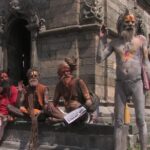
- Pashupatinath Temple: a powerhouse pilgrimage site tied to Hindu worship and ritual life.
- Boudhanath Stupa: one of the most famous stupa complexes in the region, known for its devotional atmosphere.
You’ll start with yoga and breakfast, then head out from about 10:00 to 15:00 for sightseeing, followed by rest. In the evening, you return for breathing and meditation around 17:00–18:00, then dinner.
Why this combination works: temple energy in the daylight plus breathing work later makes the day feel like a full experience, not two unrelated activities.
Day 3: Swayambhunath and Buddhanilkhantha (Sleeping Vishnu)
Day 3 starts again with yoga and breakfast, then you head to:
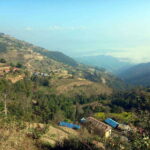
- Swayambhunath: the hilltop stupa complex with sweeping views over Kathmandu Valley.
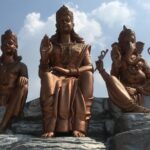
- Buddhanilkhantha (listed as a “sying vishnu” stop): the Sleeping Vishnu statue site.
Sightseeing runs roughly 10:00–15:00, then rest, then another late-afternoon breathing/meditation slot. This is the kind of day where walking and looking take equal space. Expect stairs, vantage points, and plenty of time for your eyes (and brain) to slow down.
A small planning note: hilltop sites often mean more steps and wind. Wear grippy shoes and bring something for sun or light rain.
Day 4: Patan and Bhaktapur for a deeper Kathmandu feel
Day 4 is where you get a wider view of Kathmandu Valley’s living heritage. The day includes sightseeing to:
- Patan
- Bhaktapur
This day also follows the yoga → breakfast → sightseeing → rest → breathing/meditation rhythm. Dinner is included, and the schedule notes a bed time around 20:00. Even if you don’t treat it as “early bedtime,” the timing suggests the program expects you to be ready for another yoga class on the final day.
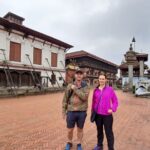
If you care about architecture and old-town character, Patan and Bhaktapur can feel more “city-wide” than just one monument stop.
Day 5: morning yoga and check out at 12:00
Day 5 keeps it simple: a morning yoga class and then checkout at 12:00 noon, with the tour ending back at the meeting point. Since the program doesn’t end with a late sightseeing block, you have time to plan your onward move without rushing.
Included hotels and meals: good value, with a few gaps to budget
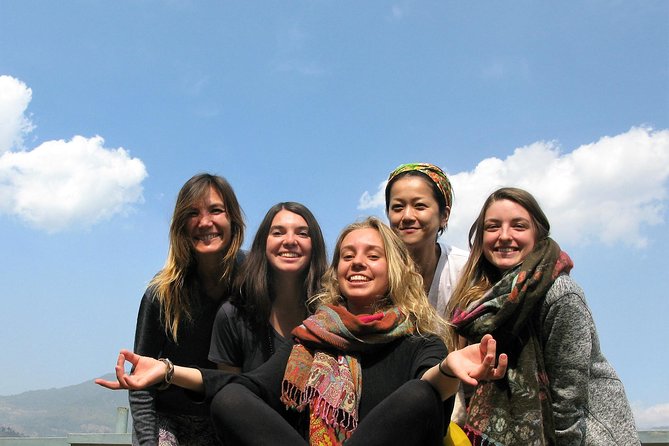
The package includes four nights of accommodation in a 2- or 3-star category hotel, plus meals for most days:
- Breakfast included (5 breakfasts)
- Lunch included (4 lunches)
- Dinner included (4 dinners)
So you’re covered for the big meal times on nearly every day. That’s a real quality-of-life value. In Kathmandu, it can be tempting to spend time and money hunting for the next meal while you’re tired. Here, you get structure.
What’s not included matters too:
- Airport transfers are $20 per person
- Day trips are $100 per person
- Laundry is $2 per kg
My advice: budget the airport transfer if you want a stress-free arrival, especially if you’re traveling with jet lag. And if you’re thinking about optional day trips, compare them against what’s already included so you don’t pay twice for similar sightseeing.
Kathmandu valley hiking: a walking break that pairs well with yoga
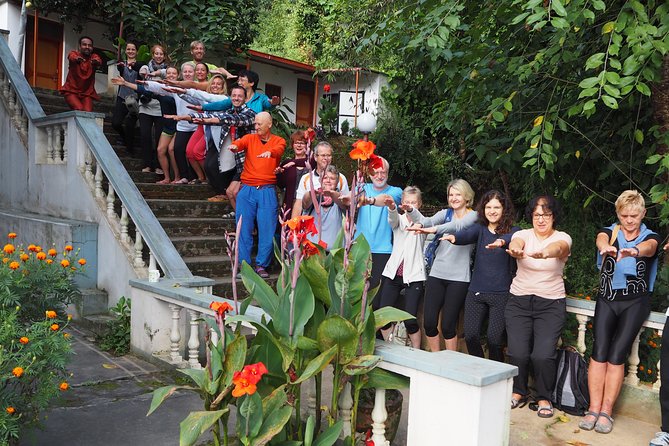
The experience is described as including hiking, and the retreat style supports it: you do yoga for mobility, then you walk and explore, then you return for breathing and meditation. That rhythm is why hiking doesn’t feel like a separate “workout day” that ruins your recovery.
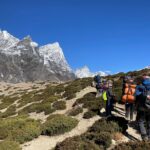
One hiking route mentioned in participant experiences is Changunarayan to Telkot. Even if your exact walking route varies, the key takeaway is the program supports a valley hike level that works alongside yoga sessions. You should still expect uneven ground, stairs, and long walking stretches at times.
Bring:
- grippy shoes
- a light rain layer
- a small day bag for water and essentials
If you’re nursing injuries or you hate stairs, tell the operator before you go. A small-group format can help with pacing, but you still need to plan honestly for how much walking you can handle.
Logistics that actually affect your day: meeting point, transit, and timing
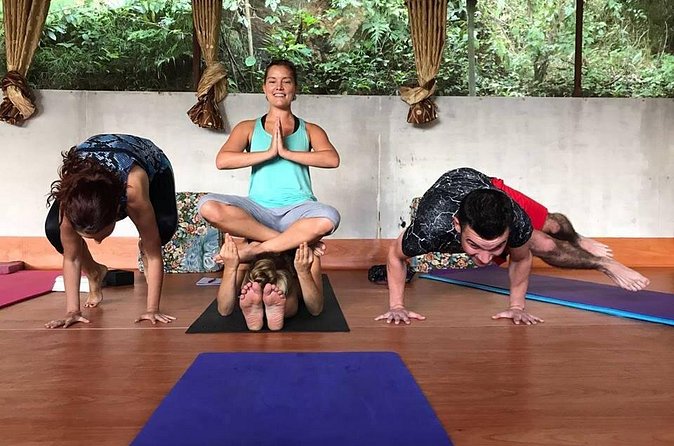
The meeting point is Nepal Yoga Home, Tarkeshwor-5, Kathmandu 44600. The tour ends back at the meeting point. It’s also noted as near public transportation, which gives you a Plan B if you prefer to move independently on non-scheduled time.
Daily timing is anchored around the early yoga session and then a sightseeing block. For example, Day 2 lists morning yoga at 07:30–08:30, then breakfast, then sightseeing from 10:00 to 15:00, then a late-afternoon breathing session, then dinner. That means you’ll want to keep your phone charged and your energy geared for early starts.
Weather matters here. The experience requires good weather, and if conditions are poor you’ll be offered a different date or a full refund. In Kathmandu, that’s a sensible reality check.
Who should book this (and who might feel it’s not for them)
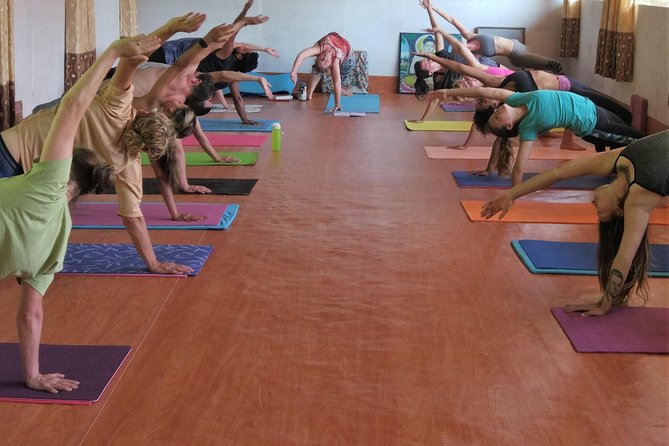
This tour fits you if:
- you want Kathmandu Valley highlights without planning every stop yourself
- you like yoga and want it woven into your whole day
- you’re a first-time visitor who wants a structured introduction
- you prefer a small group (up to 15) over chaotic, large-bus sightseeing
It may not fit as well if:
- you want a pure hiking itinerary with long trekking days
- you hate early starts or dislike a schedule with built-in rest windows and fixed activities
- you’re looking for a “free-form” retreat with lots of unscheduled time
If you fall in the middle, this is a smart “starter retreat.” It gives you both culture and the mindfulness routine, which can be exactly what you want when you’re trying to slow down after a busy season of travel.
Should you book The Trek Nepal’s Kathmandu yoga and meditation retreat?
I’d book this if you want a Kathmandu trip that feels organized, calm, and spiritually grounded without sacrificing big sights. The combination of daily yoga, evening breathing/meditation, and major heritage stops like Pashupatinath, Boudhanath, Swayambhunath, Patan, and Bhaktapur is a strong value proposition.
Before you confirm, do two quick things:
- Ask what hiking level you should expect and whether routes like Changunarayan to Telkot are part of your specific dates.
- Budget for airport transfer if you want an easy arrival, and think through whether any day trips are worth the extra $100 per person.
If you want Kathmandu to feel more like a reset than a checklist, this one has the right shape.
FAQ
How much does the 5-day retreat cost?
The price is $586.67 per person.
What’s included in the retreat?
It includes four nights of accommodation and yoga classes, plus sightseeing around Kathmandu Valley. Breakfast is included for 5 days, and lunch and dinner are included for most of the trip days (lunch 4 times, dinner 4 times).
What meals are included?
Breakfast is included 5 times, lunch is included 4 times, and dinner is included 4 times.
Which heritage sites does the tour visit?
It includes visits to Pashupatinath Temple, Boudhanath Stupa, Swayambhunath, Buddhanilkhantha, Patan Durbar Square, and Bhaktapur.
How many people are in the group?
The tour has a maximum of 15 travelers.
Where does the retreat start and end?
It starts at Nepal Yoga Home, Tarkeshwor-5, Kathmandu 44600, and ends back at the same meeting point.
Are airport transfers included?
No. Airport transfers are listed separately at $20.00 per person.
What time does check-out happen on the last day?
Check-out is at 12:00 noon on Day 5.
Does weather affect the schedule?
Yes. The experience requires good weather, and if it’s canceled due to poor weather, you’ll be offered a different date or a full refund.