REVIEW · KATHMANDU
Kathmandu City in One Day with Bodhnath Stupa
Book on Viator →Operated by Mosaic Adventure · Bookable on Viator
One day can feel surprisingly complete in Kathmandu. This tour strings together Pashupatinath and Boudhanath Stupa with Patan and Swayambhunath, so you get a real sense of how Nepal’s Hindu and Buddhist worlds sit side by side. I love the focused route with just enough time at each landmark, and I love the way the guide brings the meaning of the places down to earth. The main drawback to plan around is the long day without included food—wear shoes you trust and pack for hunger.
You start with hotel pickup in the morning and spend 7 to 8 hours moving through temples and sacred squares. It’s built for first-timers who want the big hits without guessing schedules. One more practical note: some sites were damaged in the earthquakes of April and May 2015, so you may notice repairs or restricted areas depending on the day.
In This Review
- Key Things to Know Before You Go
- Why This Kathmandu Day Works So Well
- Price and What You’re Really Paying For ($95)
- Morning Logistics: Pickup, Timing, and How the Day Flows
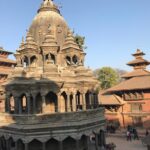
- Patan (Lalitpur) Durbar Square: Heritage in Stone
- Krishna Temple Stop: A Short Visit That Helps You Read the Area
- Pashupatinath Temple: Hindu Worship at the Crematorium
- Boudhanath Stupa: Big Buddhist Devotion in Real Time
- Swayambhunath (Monkey Temple): Views and the Valley’s Story
- Dealing With Earthquake Damage: What You Might See
- Food, Comfort, and Getting the Most Out of a 7–8 Hour Day
- Who This Tour Fits Best (And Who Might Want a Different Day)
- The Real Value Maker: The Guide
- Should You Book This Kathmandu City Day Tour?
- FAQ
- What time does the Kathmandu City with Bodhnath Stupa tour start?
- How long is the tour?
- Is hotel pickup and drop-off included?
- What does the tour cost?
- Are admission tickets included?
- Is food included?
- How many people are in the group?
Key Things to Know Before You Go
- A small group pace (max 12) keeps the day from feeling like a cattle run.
- Both religions, not just one: Hindu temples like Pashupatinath plus Buddhist worship at Boudhanath and Swayambhunath.
- Short but meaningful visits: you get context from a local guide, not just photo stops.
- Admissions are partly covered: Patan Durbar Square is free here, while several temples/stupas include tickets.
- You’re not on your own: hotel pickup/drop-off plus a professional local guide and mobile ticket.
Why This Kathmandu Day Works So Well
Kathmandu can be a lot on day one. Traffic, language, temples, incense, horns, and sudden questions from every corner. This tour helps you get your bearings fast by using a tight route that connects major spiritual sites across the Kathmandu Valley.
What I like is that the day doesn’t just list famous names. You’re shown how the sites function in real life: worship patterns, what people do when they arrive, and why certain places matter. The route also gives you variety. You’ll see stone-and-craft heritage in Patan, large-scale Hindu ritual at Pashupatinath, and then the calmer, repetitive rhythm of Buddhist devotion around Bodhnath and Swayambhunath.
If you only have a limited window in Kathmandu—maybe a stopover before a mountain trip—this is the kind of day that turns sightseeing into understanding. And if you care about Nepal’s religions beyond postcard views, the guide element is the big value.
You can also read our reviews of more city tours in Kathmandu
Price and What You’re Really Paying For ($95)
At $95 per person for about 7–8 hours, this isn’t a cheap “jump on a bus” deal. It’s priced like a guided day with logistics handled: hotel pickup and drop-off, a professional local guide, taxes/fees included, and a mobile ticket.
That matters because Kathmandu days can get expensive fast once you add guides, entry fees, and transportation. Here, the tour bundles the essentials so your day stays predictable. Also, a guided cultural day usually pays off only if the guide is good—so this is where that review pattern you’ll see (especially praise for guide Keshar) becomes your real product.
Food and drinks aren’t included, so you should plan for a break you pay for on your own. The good news: you’ll have enough structure to know when you’ll likely want to eat.
Morning Logistics: Pickup, Timing, and How the Day Flows
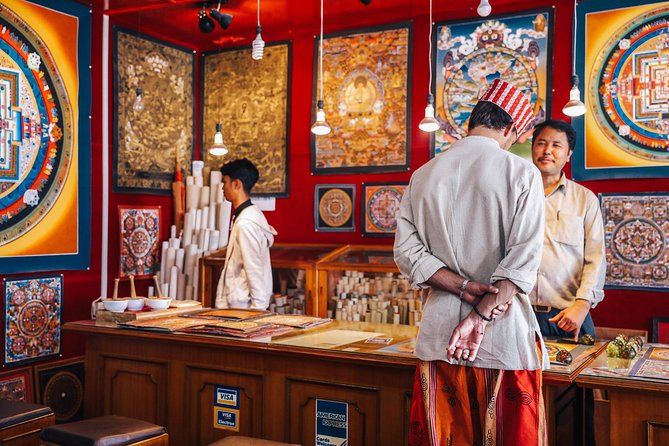
The day starts at 9:00 am with hotel/port pickup, and you’re dropped back afterward. That saves time and stress—two things you don’t have to spare in Kathmandu.
The group stays small, capped at 12 travelers. In practice, that often means less waiting, more direct chances to ask questions, and a smoother pace at entrances and viewpoints. You also get a mobile ticket, which reduces the hassle of paper passes or last-minute confusion.
One thing to keep in mind: a 7–8 hour day is long for lots of stairs and changing light. Bring comfortable footwear and something for sun. You’ll be moving between Hindu and Buddhist sites, and you’ll likely want to pause to observe how people worship—so don’t plan to pack in extra sightseeing right after.
Patan (Lalitpur) Durbar Square: Heritage in Stone
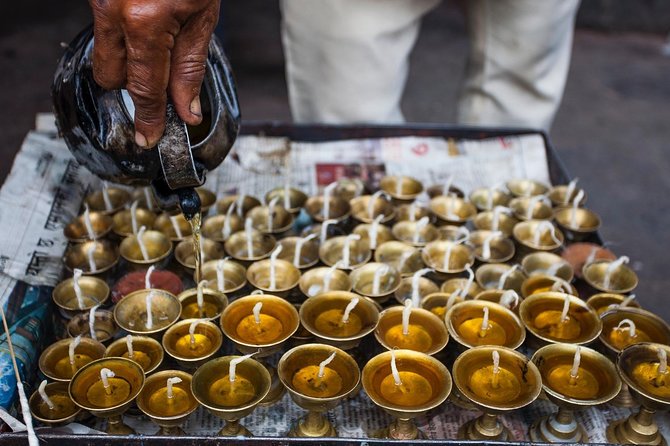
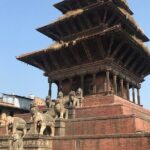
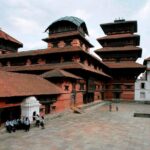
Your day includes Patan (Lalitpur) and its old Durbar-style square area, with free admission for this stop. Patan is known for its craftsmanship and dense concentration of historic architecture, and even a shorter visit can give you a useful mental map for what Kathmandu Valley looks like when you zoom out.
This stop is also a nice reset before the more intense temple sites later. You get a different feel—less about the biggest spiritual ceremonies, more about heritage, streetscapes, and the kind of urban texture that makes the valley feel lived-in rather than staged.
The time here is about 40 minutes, so you won’t feel rushed if you use the time smartly. Look up at stone details, note the overall layout, and take a few minutes just walking slowly. A good guide can point out what to notice, so you’re not standing in one spot taking the same angle as everyone else.
Krishna Temple Stop: A Short Visit That Helps You Read the Area
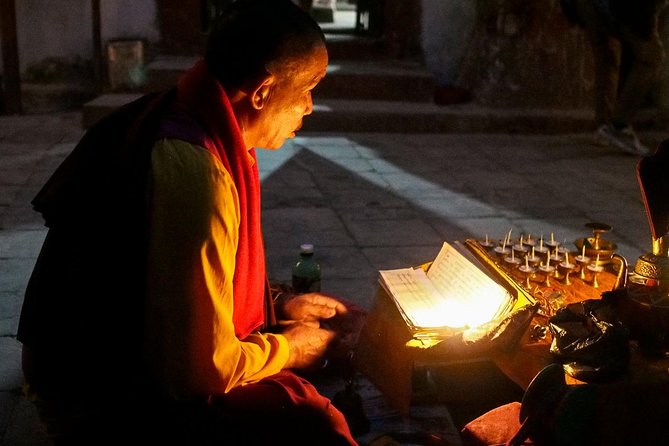
From Patan, you move to the Krishna Temple, one of the oldest temples in the Patan area. The visit is brief—around 15 minutes—and the admission ticket is included.
Even short stops can be worth it when you understand what you’re seeing. A Krishna temple isn’t just a place to look at. It’s part of the spiritual geography of the neighborhood, and it links Patan’s craft heritage to living worship.
Don’t overthink the time constraint. Use the 15 minutes to notice posture and offerings, then step back and let the scene settle. When a guide explains the symbolism in plain language, these smaller temples become more meaningful than you’d expect for a quick stop.
You can also read our reviews of more tours and experiences in Kathmandu
Pashupatinath Temple: Hindu Worship at the Crematorium
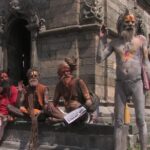
Next comes Pashupatinath Temple, a major Hindu site also known as a crematorium area. The visit is about 40 minutes, and admission is included.
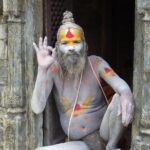
This is the stop that often makes people sit up. It’s not a quiet museum. It’s a place of devotion, daily religious practice, and the kind of solemn ritual that’s part of Hindu beliefs about life and death.
Even if you’re not religious, I think it’s one of the most important places to understand Nepal’s cultural logic. A guide helps here—especially when they can explain what you’re seeing without turning it into a lecture. In the reviews, the standout theme was how guides like Keshar answered questions with real knowledge of Buddhism and Hinduism and kept the explanation understandable. When you’re standing inside a space like this, that skill matters.
Practical note: plan to be respectful with your pace and clothing. This is a working religious site, and you’ll get more out of it if you treat it that way.
Boudhanath Stupa: Big Buddhist Devotion in Real Time
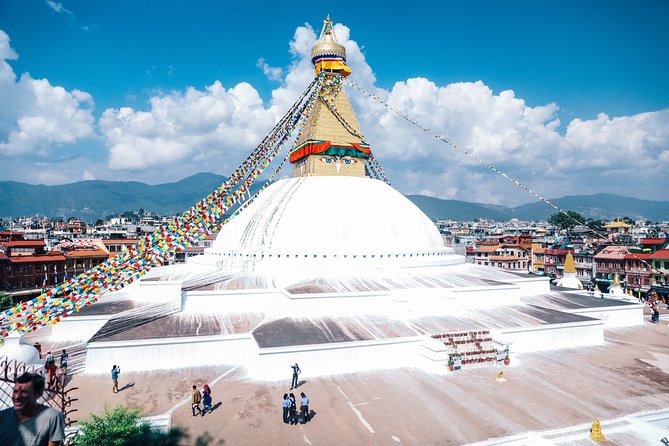
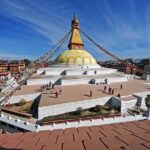
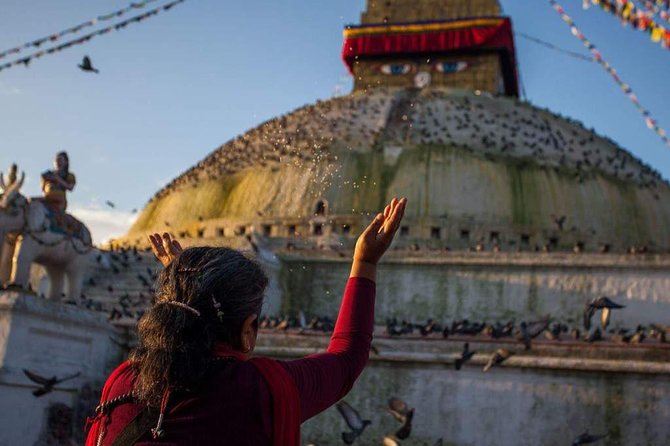
Then you reach Boudhanath Stupa, described as the biggest Buddhist stupa in Kathmandu. The visit is about 30 minutes, with admission included.
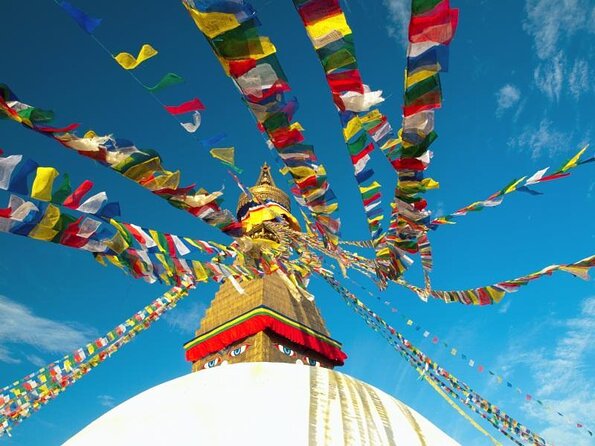
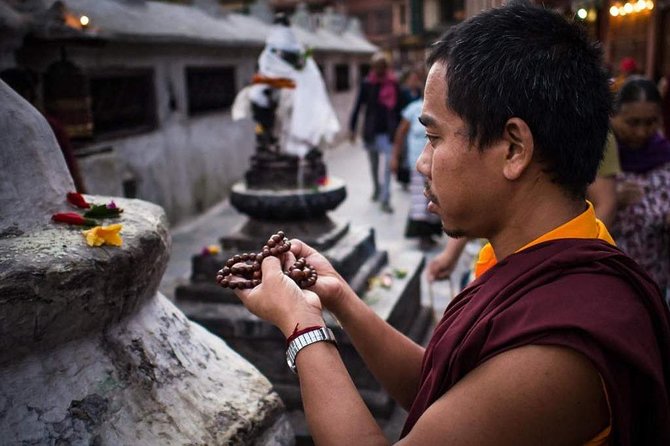
Boudhanath has a different energy than the Hindu sites. People gather for worship, conversation, and the steady motions of devotion around the stupa. Even if you only have half an hour, it’s enough time to feel the rhythm: the way people look up, the calm movement, the sense of place.
Because the stop is short, you’ll get the most if you focus on one simple thing at a time. Watch the flow around the stupa. Notice the colors and the patterns. Then pause for a moment just to look without rushing to the next photo spot.
This is also where many first-timers really understand the contrast in atmosphere. Hindu temples often feel more immediate and ritual-heavy. Buddhist stupas can feel more contemplative and communal. Getting both in one day gives you a balanced first impression.
Swayambhunath (Monkey Temple): Views and the Valley’s Story
Your final highlight is Swayambhunath, also called the Monkey Temple. Expect around 40 minutes, and admission is included.
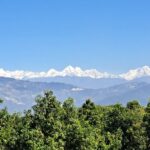
Swayambhunath’s big draw is the view over the Kathmandu Valley. It’s also one of the oldest shrine complexes in the valley area. That matters because you’re not just looking at a viewpoint—you’re looking from a site that’s been part of the religious landscape for a long time.
Also, yes, monkeys are part of the scene. Keep your belongings secure and move slowly through crowded areas. More importantly, don’t just rush for the view. Use the time to notice the iconography and how people approach the place. A good guide can connect the symbolism to what you just saw at Boudhanath, so the day feels like a single story instead of five separate stops.
The time here is long enough to take in both the sacred details and the bigger panorama.
Dealing With Earthquake Damage: What You Might See
The tour info flags that some sites were significantly damaged in the 2015 earthquakes. That doesn’t mean you won’t experience the places—it means your day might include evidence of repairs, changes, or restricted access in places.
Here’s how I’d approach it: let the damage make you more observant, not less interested. Look for how restoration work blends with tradition. Pay attention to where the movement of visitors is guided. And don’t assume every area will look identical to old photos.
In other words, treat it like a living city doing its best to keep sacred meaning intact.
Food, Comfort, and Getting the Most Out of a 7–8 Hour Day
Since food and drinks aren’t included, plan your energy like a local pro. Bring a water bottle and plan a meal on your own during the day. You’ll likely have enough breaks to grab something simple, but don’t rely on surprise snacks.
Comfort tips that actually help:
- Wear shoes that can handle stone steps and uneven ground.
- Keep sun protection handy. Kathmandu daylight can be strong even when mornings feel mild.
- Bring a light layer if you get cool inside temple spaces.
The tour is structured, but it’s still a walking day. A 7–8 hour schedule means you’ll want to start with a full breakfast. Then you can focus on the sites instead of searching for energy mid-route.
Who This Tour Fits Best (And Who Might Want a Different Day)
This is ideal if you:
- Are visiting for the first time and want key Hindu and Buddhist sites in one organized day.
- Have limited time in Kathmandu Valley and don’t want to piece together transport and entry timing.
- Enjoy learning from a guide who can answer religion and culture questions in plain terms.
It’s also a good fit for families who can handle walking and stairs. The tour is designed for most travelers, and the small group size helps it feel manageable.
You might want to consider another option if you:
- Want a long, slow tour where you can linger for hours at one site.
- Need frequent food stops built into the plan.
- Are sensitive to religious spaces with intense rituals. Pashupatinath is meaningful, but it’s not a casual stroll.
The Real Value Maker: The Guide
The guide can make or break a cultural day. In the feedback you’ll see recurring praise for Keshar, including how well he explains Buddhism and Hinduism and how patient he is when questions come up. One review highlights his humor, which is a nice bonus when you’re walking all day and collecting big ideas.
If you get a guide like that, you’ll likely walk away with more than photos. You’ll understand patterns—how worship works, what people are doing and why, and how the sites connect across the valley.
Should You Book This Kathmandu City Day Tour?
I’d book it if you want a well-run day that covers the most important spiritual landmarks without you having to manage the details. $95 is fair when you factor in pickup/drop-off, a professional local guide, included admissions for most stops, and the fact that you’re seeing both major religious traditions in one loop.
It’s especially worth it if you’re short on time or you like your first Kathmandu day guided and clear. Just go in ready for a long walk, bring what you need for food (since it’s not included), and accept that earthquake-era damage may be visible.
If that sounds like your kind of day, this tour is a strong way to turn Kathmandu from confusing to comprehensible.
FAQ
What time does the Kathmandu City with Bodhnath Stupa tour start?
It starts at 9:00 am.
How long is the tour?
The duration is listed as approximately 7 to 8 hours.
Is hotel pickup and drop-off included?
Yes. Hotel/port pickup and drop-off are included.
What does the tour cost?
It costs $95.00 per person.
Are admission tickets included?
Admission is included for several stops. Patan Durbar Square is listed as free, while Krishna Temple, Pashupatinath Temple, Boudhanath Stupa, and Swayambhunath have admission tickets included.
Is food included?
No. Food and drinks are not included.
How many people are in the group?
The tour lists a maximum of 12 travelers.