REVIEW · KATHMANDU
Nepal and Bhutan Tours
Book on Viator →Operated by Odea Services · Bookable on Viator
Wake up to mountain views, then swap temples across two countries in one trip. This Nepal and Bhutan itinerary strings together classic heritage sights around Kathmandu with Bhutanese monasteries and dzongs—plus internal flights so you don’t waste time. The result feels balanced: you get culture days, then a couple of truly scenic moments.
What I like most is the mix of Kathmandu heritage (including Swayambhunath, the so-called monkey temple) and the Bhutan highlights you came for (Punakha Dzong and Taktsang, Tiger’s Nest). I also like that it’s a private tour with a professional guide and private vehicle, so your schedule doesn’t depend on crowds or random timing.
One thing to consider: the Bhutan parts run on weather. If conditions are poor, the operator may cancel, and you should be ready for the early starts and long walking segments—especially the Taktsang hike.
In This Review
- Key things that make this tour worth a look
- Kathmandu to Bhutan: how this itinerary flows
- Day 1 in Thamel: welcome dinner and easy settling-in
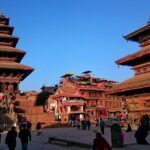
- Day 2: Nagarkot for views, then Swayambhunath for Buddhist wow-factor
- Day 3: early wake-up, then fly to Paro for Bhutan’s first taste
- Day 4: Punakha direction with Changangkha Lhakhang and a nunnery visit
- Day 5: Punakha Dzong across the Mo Chu and Pho Chu, then back toward Paro
- Day 6: Taktsang monastery (Tiger’s Nest) and Drukgyal Dzong ruins
- Day 7: exit formalities at Paro, return to Kathmandu, and a free evening
- Day 8: Thamel again, then airport timing for your flight home
- Value check: what you’re really paying for at $1,400
- Who this tour fits best (and who should think twice)
- Booking tips before you go
- Should you book this Nepal and Bhutan combo?
- FAQ
- FAQ
- Where does the tour start and what time?
- Is pickup offered?
- How long is the tour?
- Which flights are included in the price?
- What meals and tickets are included?
- Is the Taktsang monastery visit included?
- What is the cancellation timeline?
Key things that make this tour worth a look
- Private vehicle across Nepal and Bhutan: easier timing between sites, and less hassle than juggling local transport.
- Kathmandu heritage day built around Swayambhunath: one of the most atmospheric Buddhist sites near the city.
- Flight from Kathmandu to Paro by Druk Air: cuts travel time and leaves more hours for sightseeing.
- Punakha Dzong on the Mo Chu and Pho Chu: a key spiritual and historical stop with real palace-dzong energy.
- Taktsang monastery hike (Tiger’s Nest) with included entrance: iconic views, but you’ll want good shoes and steady legs.
- Hotel standard is consistent (3-star): you’re not bouncing between random guesthouses mid-trip.
Kathmandu to Bhutan: how this itinerary flows
This tour is designed like a smooth on-ramp into the region. You start in Kathmandu for a gentle arrival and a street-level introduction, then you get a viewpoint morning at Nagarkot and a major heritage stop at Swayambhunath. After that, you fly to Paro, where the pace shifts toward Bhutan’s dzongs, temples, and monastery visits.
The smart part is that you don’t just “check boxes.” You gradually build context. Kathmandu sets the Buddhist heritage backdrop; then Bhutan delivers the distinct Bhutanese style—more stone, more dzong silhouettes, and a temple rhythm that feels calmer than the city.
You’ll also notice a practical pattern: early mornings for key sights, then later drives. That matters because daylight is your friend here, especially when you’re heading to hilltops and monastery viewpoints.
You can also read our reviews of more tours and experiences in Kathmandu.
Day 1 in Thamel: welcome dinner and easy settling-in
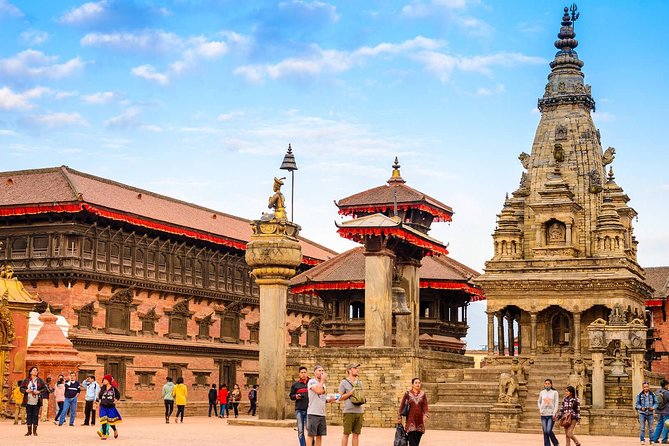
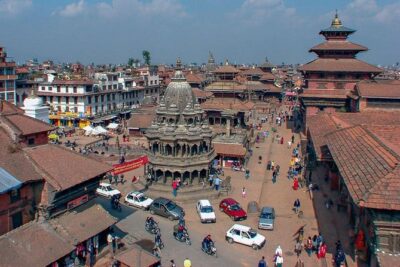
You arrive in Kathmandu and spend the evening walking around Thamel, the area that acts like the hub for restaurants, shops, and meeting other travelers. It’s the kind of first-night plan that helps you get oriented fast without forcing you into a long day.
Then you end with a welcome dinner. That’s more than a nice touch—it’s a low-stress way to confirm logistics, ask your guide questions, and get a sense of what’s next. If you’re jet-lagged, this day is forgiving. You’re not expected to cram big sightseeing before sleep.
One small practical note: the tour indicates “pickup offered,” and the meeting point is Tribhuvan Airport (with a listed start time of 7:15 am). If you’re doing an evening arrival, expect your first contact to be coordinated around your arrival time.
Day 2: Nagarkot for views, then Swayambhunath for Buddhist wow-factor
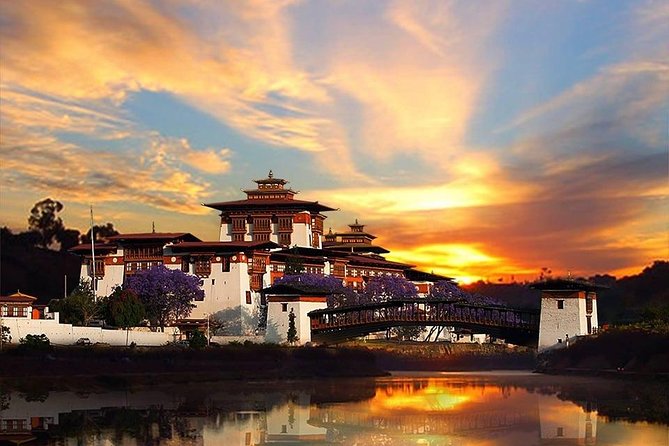
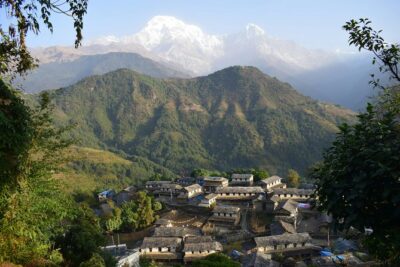
Day 2 begins with breakfast and then heads toward Nagarkot—a classic spot for mountain and sunrise-style viewpoints. The itinerary then transitions back toward Kathmandu for a city tour stop: Swayambhunath Stupa, also called the monkey temple.
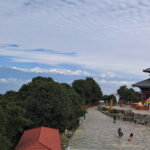
Swayambhunath is one of those places that rewards slow time. Even though it’s near the city, it doesn’t feel like a city site once you’re up on the hill. The dome-shaped stupa and the surrounding religious details make it feel like a living landmark, not just a viewpoint.
What I like about this day is the pairing. You get a high-morning “big sky” moment (Nagarkot), then you shift into cultural intensity (Swayambhunath). It’s a good way to avoid the common problem of landing in Kathmandu and only seeing temples at one temperature and one mood.
If you’re short on mobility, keep in mind hill paths and steps are involved at Swayambhunath. The tour lists many admissions as free, but physical comfort is still your own responsibility.
Day 3: early wake-up, then fly to Paro for Bhutan’s first taste
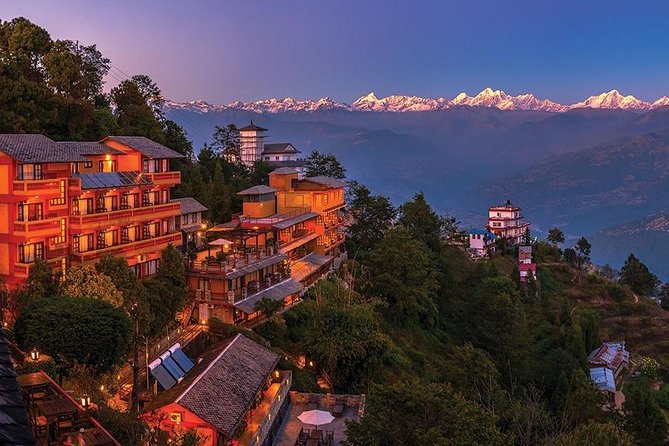
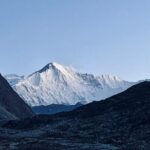
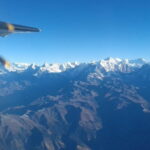
This is the pivot day: you wake up early for sunrise views, eat breakfast, then get dropped at Kathmandu airport for the flight to Paro. The flight is stated as taking about one hour by Druk Air, and in clear weather you get magnificent views of the highest peaks.
That early start is worth it if you like “first light” moments. It also makes the transition feel natural. Instead of going straight from evening Kathmandu to full-day Bhutan culture, you’ve got a built-in moment of atmosphere before the flight.
Once you arrive in Paro, you’re positioned for Bhutan travel without the exhausting long overland routes. And since the itinerary doesn’t overload Day 3 with ten activities, you can adjust to Bhutan’s pace.
A realistic note: sunrise and peak views depend on weather. This is the exact kind of plan where clouds can soften the view, even if everything else goes smoothly.
Day 4: Punakha direction with Changangkha Lhakhang and a nunnery visit
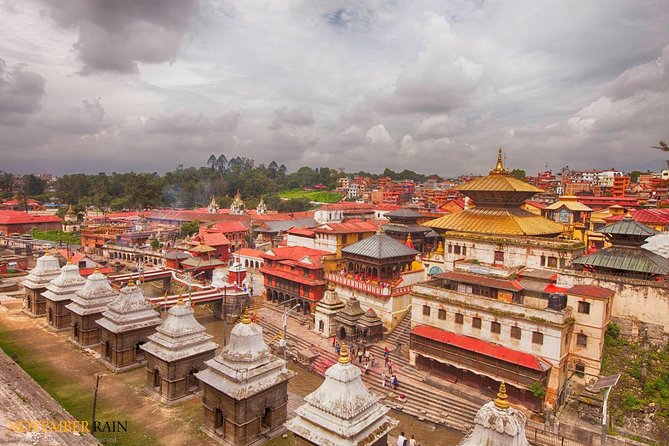
After breakfast, you drive toward Punakha. On the way, the itinerary includes Changangkha Lhakhang, built in the 12th century and described as one of the oldest temples. It’s also said to hover over a ridge above Thimphu, which helps explain why it’s such a striking stop.
The day also includes visiting the nunnery known as Drubthob Goemba. This matters because it adds a human scale. You’re not only looking at architecture; you’re connecting with lived monastic life, which is a big part of why Bhutan feels different from most places you visit.
The tour lists admission as free for these stops, but don’t let “free” make you treat it casually. Temple visits here tend to be quiet and observational. You’ll get more from slower attention than from trying to capture everything.
If you’re sensitive to early drives and stops, this day’s driving time is something to expect. The upside is that it’s efficient and keeps your Bhutan itinerary from feeling chopped up.
Day 5: Punakha Dzong across the Mo Chu and Pho Chu, then back toward Paro
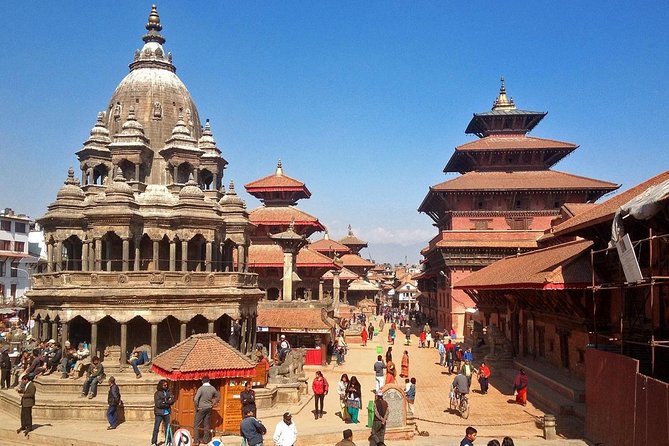
Day 5 is built around Punakha Dzong. You’ll drive there after breakfast, and you spend time at the dzong described as an ancient capital spanning the Mo Chu and Pho Chu rivers. The itinerary also notes its role as winter capital for the monks and the Je Khenpo (chief abbot).
This is a central Bhutan stop for a reason. Dzongs aren’t just old buildings; they’re political and religious anchors. If you’ve been wondering what Bhutan’s “monastery culture” looks like outside of smaller temples, this is where it clicks.
After the Punakha Dzong visit, you drive onward toward Lobeysa—the itinerary text cuts off, so you may want to ask your guide what’s specifically planned at Lobeysa before you go.
You end the day in Paro, keeping your base near the airport and the next big highlight: Tiger’s Nest.
Day 6: Taktsang monastery (Tiger’s Nest) and Drukgyal Dzong ruins
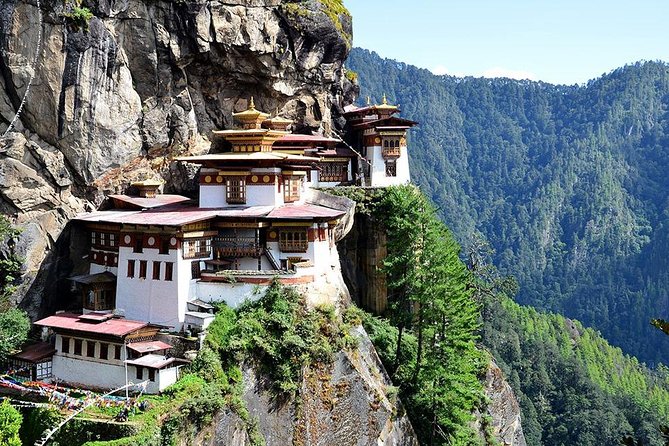
This is the signature day. You start with an early breakfast and drive along winding roads to Drukgyal Dzong, described as a ruined fort once used to defend the valley from Tibetan invasions. Even as ruins, forts like this give you a sense of how strategic geography mattered.
Then you drive to Ramthangkha and hike up to Taktsang monastery (Tigers Nest). The itinerary lists the monastery stop as having admission included, and the hike is the core event of the day.
A practical tip: wear shoes you trust on uneven ground. You’ll be glad you did. Also, plan for a slower pace if you need it. This hike can be famous, but it’s still a hike.
The best part of this day is that it turns Bhutan spirituality into something physical. You don’t just look at a temple from a distance—you climb, breathe, and then arrive at a monastery position that feels made for reflection.
If bad weather shows up, this day can also be the one most affected. The tour’s terms note the experience requires good weather, and if it’s canceled due to poor weather you’ll be offered a different date or a full refund.
Day 7: exit formalities at Paro, return to Kathmandu, and a free evening
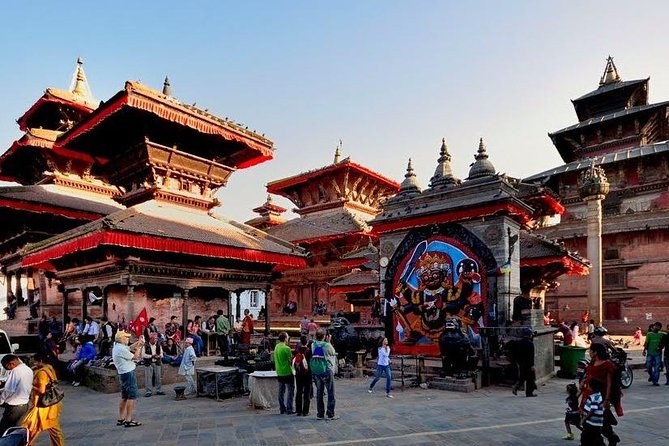
On Day 7, you drive to Paro airport and the representative helps with exit formalities. You then fly back to Kathmandu, where you’re welcomed again and transferred to your hotel.
The rest of the day is leisure time, with shopping mentioned. This is a smart “breather” day after a hike and multiple temple-heavy stops. Use it to do simple things: reset your bags, exchange money if needed, and grab gifts in a way that doesn’t feel rushed.
You might also use this evening to compare notes with your guide. If you’re the type to ask questions, Kathmandu gives you more chances to clarify what you just saw in Bhutan.
Day 8: Thamel again, then airport timing for your flight home
Your final day is a gentle closeout. You’re back around Thamel, and the plan is to head to the airport about three hours before your scheduled flight, with your representative escorting you.
It’s not a “last temples” day. It’s a practical finishing day that respects that travel days are travel days.
If you still want souvenirs, Day 8 is the safest place to shop. You’re not stuck trying to run from a far site back to the city center at the last moment.
Value check: what you’re really paying for at $1,400
At $1,400 for an 8-day private tour, the headline might sound simple, but the value comes from what’s bundled.
This price includes 3-star hotels in Nepal and Bhutan, a private vehicle, a professional tour guide, and key logistics like airfare between Kathmandu and Paro and back. It also includes museum fees and special entry fees, plus a welcome dinner and included meals (with Bhutan meals clearly covered: breakfast, lunch, dinner, and mineral water).
What’s not included is also important. International flights aren’t included (the “Airfare” item is listed as not included), and tipping isn’t included. The notes also say meal in Nepal isn’t included, even though some breakfast and dinners are listed as included—so plan to pay for at least some lunches or meals in Nepal.
The best way to think about the price is this: you’re paying to remove decision fatigue. You don’t have to map routes, book internal flights, or figure out which tickets apply to which day. For a combo trip like this—two countries, multiple towns—that’s usually where the real cost creep happens when people plan on their own.
Who this tour fits best (and who should think twice)
This tour is a great match if you want a guided, structured Nepal-and-Bhutan experience with clear highlights: Kathmandu heritage, Punakha Dzong, and Taktsang monastery.
It also suits people who like private travel. You’re not sharing vehicles with strangers, and the schedule can move at a rhythm that fits your group.
Think twice if you know you’ll struggle with a hike at Taktsang or if you’re very weather-sensitive. The tour requires good weather, and it’s the kind of itinerary where clouds can reduce the drama of sunrise and mountain views.
If you’re planning an extension, here’s a useful data point from the trip’s feedback: the operator has helped at least one guest reach Everest Base Camp. So if you’re dreaming bigger than Nepal and Bhutan, ask early.
Booking tips before you go
- Pack for early starts and temple days. Layers are smart.
- Bring comfortable footwear for Taktsang’s hike and temple steps.
- Expect that admissions and some fees are covered, but you’ll still pay some meals in Nepal.
- If you’re traveling as a group, confirm the exact hotel locations and which meals fall on which days so there are no surprises.
Also, keep an eye on weather. The tour notes that if the experience is canceled due to poor weather, you’ll be offered a different date or a full refund.
Should you book this Nepal and Bhutan combo?
If you want an itinerary that connects Kathmandu heritage with Bhutan’s most famous sites—without turning travel days into a mess—this is a solid choice. The private vehicle, included guide, 3-star hotels, and internal flights do a lot of heavy lifting for you, and the core highlights are the ones most people hope to experience: Swayambhunath, Punakha Dzong, and Taktsang.
I’d especially recommend it if you value structure and hate scrambling. You’ll get a clear plan with enough downtime to breathe.
But if your ideal trip is ultra-flexible or you know you’ll skip hikes, then this one may feel too structured and too physically demanding at the key moment.
FAQ
FAQ
Where does the tour start and what time?
The meeting point is Tribhuvan Airport in Kathmandu, Nepal, with a listed start time of 7:15 am.
Is pickup offered?
Yes. Pickup is listed as offered.
How long is the tour?
It runs for 8 days, approximately.
Which flights are included in the price?
The itinerary includes airfare between Kathmandu and Paro, and Paro and Kathmandu.
What meals and tickets are included?
Included items include lunch, welcome dinner, and meals in Bhutan (breakfast, lunch, dinner) plus mineral water. Museum fees and other special entry fees are also listed as included.
Is the Taktsang monastery visit included?
Yes. The Taktsang monastery (Tiger’s Nest) day includes an admission ticket, and it includes the hike as part of the visit.
What is the cancellation timeline?
You can cancel up to 6 days in advance of the experience for a full refund. Cancellations 2–6 days in advance receive a 50% refund, and cancellations within 2 days are not refunded.