REVIEW · KATHMANDU
Ghorepani Ghandruk Wellness Yoga Trek
Book on Viator →Operated by Places Nepal Trek & Tours · Bookable on Viator
Yoga on a mountain ridge sounds like the fix. This Ghorepani Ghandruk Yoga Wellness Trek pairs a classic Annapurna-area trek with daily yoga routines—prayers, sun salutations, breathing, and peace mantras—so you get both effort and calm. I especially like the Poon Hill sunrise payoff at 3,210 meters and the way the program uses expert local guidance to keep you moving safely.
One thing to plan for: the trek is still trekking. Expect early starts, uphill days (Day 4 is described as the hardest), and real altitude, even with an oximeter in your kit; also note it is not recommended for certain dietary needs.
In This Review
- Key highlights you’ll actually feel
- Price and logistics: what $1,979 buys you here
- Kathmandu start: Durbar Square, Monkey Temple, and the stupa circuit
- Day 3 Pokhara: yoga as your bridge into trekking mode
- The Ghorepani climb: your first real push (and the hardest day)
- Poon Hill sunrise at 3,210 meters: the big payoff day
- Ghandruk: village time plus your next reset
- Pokhara by Jeep, then Kathmandu: returning without losing your rhythm
- Meals, stays, and comfort: what “cozy” means in practice
- Altitude support: the included oximeter and smart pacing
- Who should book this trek (and who might reconsider)
- Should you book the Ghorepani Ghandruk Yoga Wellness Trek?
- FAQ
- Where does the trek start and end?
- How long is the Ghorepani Ghandruk Yoga Wellness Trek?
- Is airport pickup and drop-off included?
- Do I get yoga instruction during the trek?
- Are meals included?
- What sightseeing is included in Kathmandu?
- Are trekking permits included?
- Is an oximeter provided for altitude checks?
- Can I cancel for a full refund?
- Is tipping included?
Key highlights you’ll actually feel
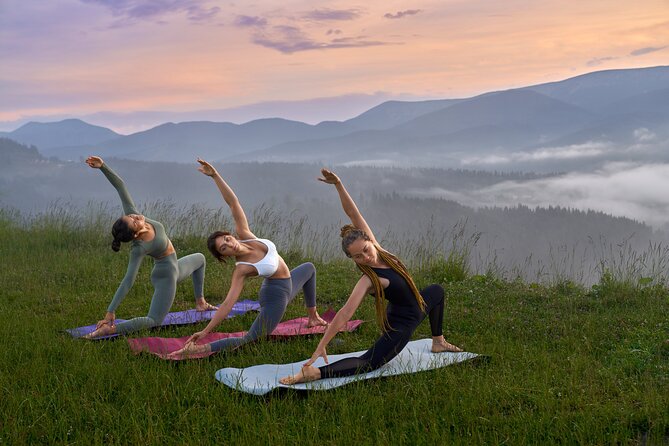
- Daily yoga schedule that matches trekking rhythm: mornings include stretches, sun salutations, breathing, and mantra work.
- Poon Hill viewpoint time built around sunrise: a roughly one-hour hike up to 3,210 meters for big early views.
- Guides plus permits plus planning handled: transportation, trekking permits, meals on trek days, and admissions are included.
- Wellness downtime in the mix: Pokhara includes an Ayurvedic massage, and the wellness angle is carried through the trip.
- Comfort is part of the formula: 4-star hotel nights in Kathmandu plus guest-house style stays along the trail.
- Altitude monitoring support: an oximeter is included, which helps you pay attention early and often.
Price and logistics: what $1,979 buys you here
At $1,979 per person for about 9 days, this trek isn’t just a hiking trip with a yoga add-on. You’re paying for the total machine: airport pickup and drop-off, a one-way domestic flight to Pokhara, all ground transportation, trekking permits, sightseeing admission costs, and standard meals during trek days (breakfast, lunch, dinner). That matters because logistics in Nepal can eat time and energy fast—especially when you’re also trying to keep your body fresh for altitude.
You also get real “travel stress reducers.” The tour is private, meaning you’re not forced to blend into a random crowd pace. There’s a mobile ticket, plus a duffle bag and practical items like a sun cap and t-shirt. And you’re given an oximeter for oxygen-level checks, which is a small thing that can feel big once you’re climbing.
Still, don’t treat this like a gentle stroll. The itinerary is structured around a serious trekking arc—Ghorepani, Poon Hill, Tadapani, and Ghandruk—so if you’re looking for flat, leisurely walking, you’ll want to temper expectations.
You can also read our reviews of more hiking tours in Kathmandu
Kathmandu start: Durbar Square, Monkey Temple, and the stupa circuit
Before any mountains, you get a guided Kathmandu orientation that helps you get your bearings fast. Day 2 is packed with UNESCO-area highlights and major sacred sites, which is a good warm-up in a different way than hiking.
Here’s what you’ll do:
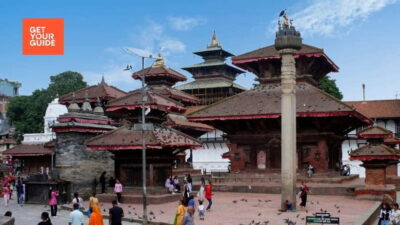
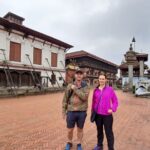
- Kathmandu Durbar Square with a guided tour (UNESCO World Heritage). It’s a concentrated dose of old-city architecture and story.
- Swayambhunath Stupa (Monkey Temple) for skyline views—this is one of those places where the city suddenly makes more sense.
- Boudhanath Stupa, noted as one of the biggest stupas in the world, with time to absorb the scale and ritual rhythm.
- Pashupatinath Temple to see traditional Hindu rituals up close.
I like that this day also leaves time for shopping for your trek afterward. That’s practical. You’ll likely want basics—warm layers, snacks, or whatever your own packing list is missing—without derailing the whole schedule.
One caution: Kathmandu is busy and walking-heavy. If you arrive with stiff legs from travel, use Day 2 wisely. Take pauses, hydrate, and don’t try to “win” the day.
Day 3 Pokhara: yoga as your bridge into trekking mode
Day 3 shifts from city energy to Pokhara’s slower pace. You start with stretching and breathing exercises, move into sun salutations, and do breathing techniques to calm down—then add a peace mantra to close the loop. This is the wellness part that actually supports the trek.
Why it works: yoga here isn’t just for stretching. It’s a nervous-system reset before you start walking longer distances in thinner air. If you’re prone to overthinking, you’ll appreciate the structure.
You’re also on track for the big transition—Pokhara is your base for the trek phase, and this day sets you up for the next morning’s early rhythm.
The Ghorepani climb: your first real push (and the hardest day)
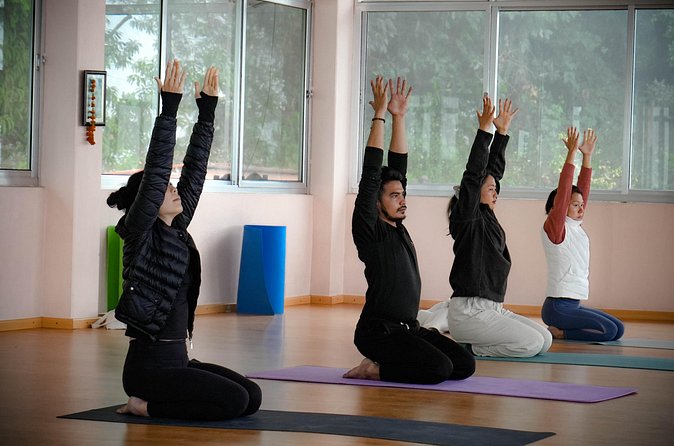
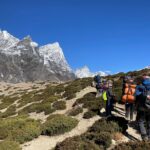
The trek begins with an early morning routine: morning prayers, stretching, sun salutations, yoga poses, breathing exercises, and a peace mantra. After breakfast, you start trekking toward Ghorepani. This is described as probably the hardest day of the trek, which is honest—and helpful.
What I’d plan for:
- Early starts mean your body gets less time to “warm up” later.
- Uphill effort happens before you’ve mentally settled into hiking mode.
- You’ll likely feel altitude even before you’re thinking about it.
On a yoga-wellness trek like this, I like that you’re guided through routines that can double as self-check moments. Breathing work helps you stay paced instead of racing your own fear of getting behind.
When you reach the next stop, you don’t jump straight into more big effort. That matters for recovery. The trip is built to keep your day-ending experience from feeling like punishment.
Poon Hill sunrise at 3,210 meters: the big payoff day
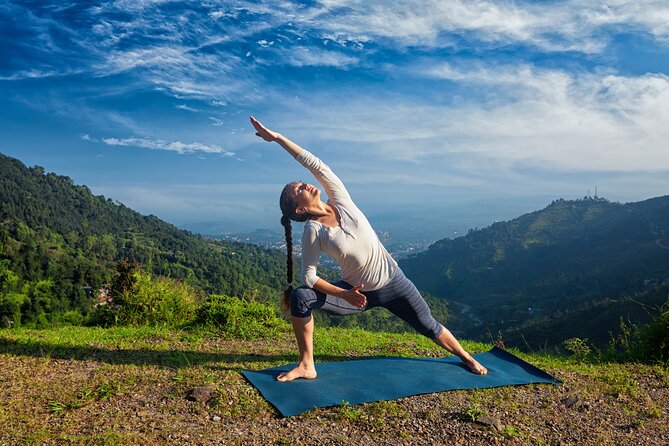
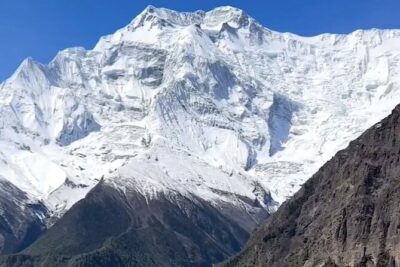
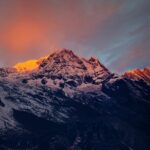
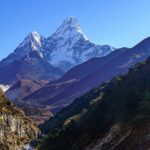
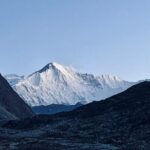
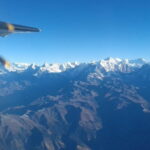
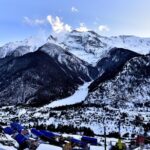
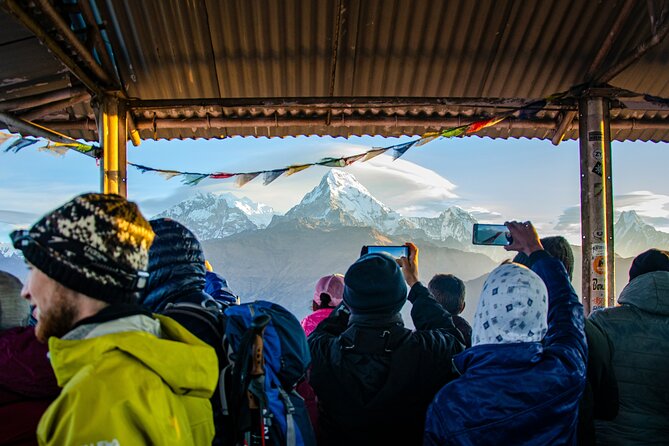
If you want one “worth it” day, it’s Poon Hill. You’ll hike early to reach Poon Hill at 3,210 meters—about an hour of hiking. The goal is sunrise views, including mention of 10 different mountain peaks, with the mountain range views spanning the Annapurna and Dhaulagiri areas.
After that sunrise hike, you go back down to Ghorepani. You’ll have a light mountain breakfast, then continue trekking to Tadapani.
This day has two personalities:
- Early, bright, expect-your-heart-to-beat-fast energy at Poon Hill.
- Lower-key, recovery-style effort afterward.
Tadapani is where you’ll sleep at a guest house around 2,700 meters. The program includes time for meditation and a “delicious dinner” after the day’s walking. That mix—effort, then calm—fits the wellness theme for real, not just in marketing.
Practical note: sunrise hikes can be chilly. Layer up, keep a warm hat handy, and don’t underestimate cold hands when you want photos.
Ghandruk: village time plus your next reset
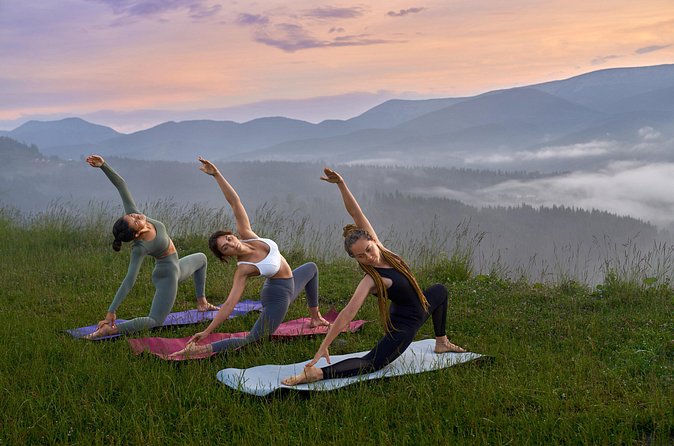
Day 6 brings the same morning yoga routine—prayers, stretching, sun salutations, yoga poses, breathing exercises, peace mantra—then trekking into Ghandruk.
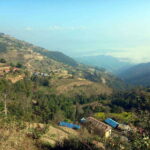
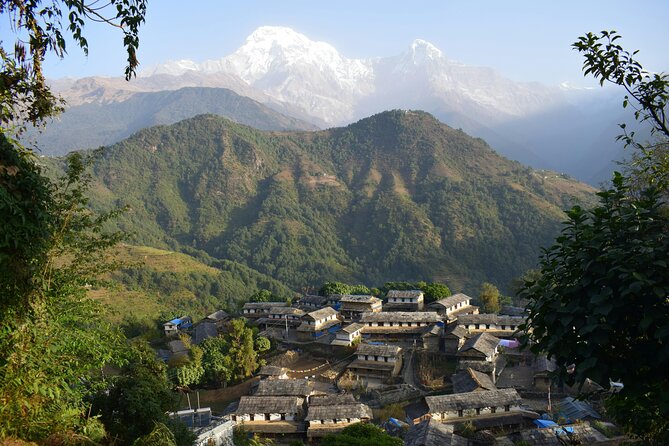
Once you arrive, you take a break to relax. Then you spend time exploring the area around Ghandruk, with the trip designed to include cultural contact with local communities. That’s one of the best parts of a trek like this: you’re not just walking through scenery. You’re meeting the rhythm of mountain village life.
This is also where the wellness side becomes more than exercise. A break in Ghandruk can help you transition from “performance mode” to “slow down and notice” mode. It’s a smart place to do that because you’ve already hit the big sunrise moment on Day 5.
Pokhara by Jeep, then Kathmandu: returning without losing your rhythm
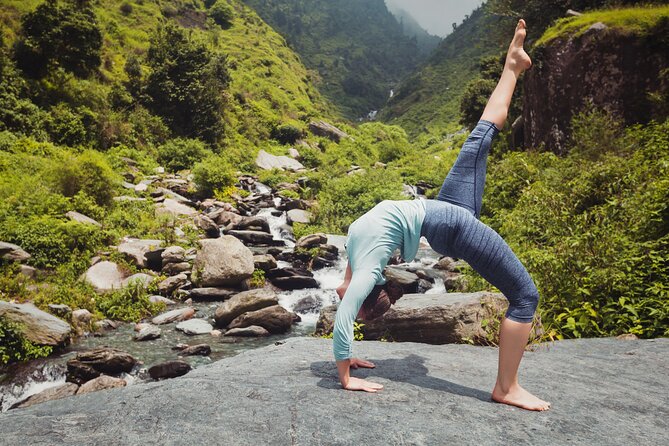
On Day 7, you start with the usual yoga routine again, then you take a Jeep ride to Nayapul and another jeep to Pokhara. This is a good way to recover—rather than forcing a longer foot descent all the way back, the schedule gives you transportation that respects your legs.
Day 8 is Kathmandu again, and the structure continues: prayer, warm-up exercises, Suryanamaskar, Yogasana, Pranayama, and Shanty Path (peace mantra). Even though you’re off the main trail, the trip keeps the wellness pattern alive, which can feel great if you want continuity rather than a hard drop-off.
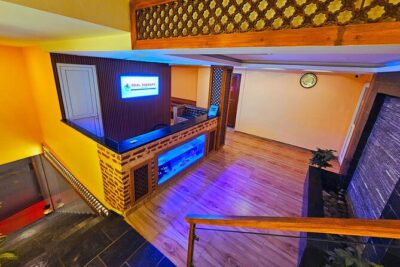
You’ll also have time with accommodations that are described as 4-star in Kathmandu (two nights are included). That’s a nice shift after guest-house nights on the trail.
Meals, stays, and comfort: what “cozy” means in practice
The comfort story is fairly clear in the inclusions.
- You get 1 night in Pokhara and two nights at a 4-star hotel in Kathmandu.
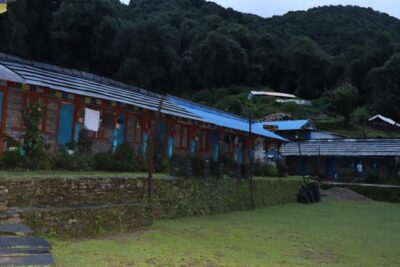
- Along the trail, you sleep in cozy guest-house style accommodations (the tour calls them cozy, and that matches how village trekking lodging typically works).
- Trek days include standard meals: breakfast, lunch, dinner.
You’ll still need to budget for meals in Kathmandu and Pokhara on your non-trek days, since those lunches aren’t included. That’s normal for Nepal city time, but it’s smart to plan it so you don’t end up scanning menus when you’re tired.
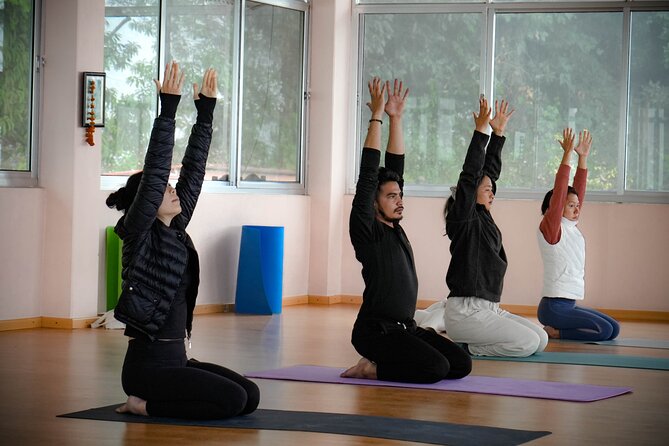
One more practical detail: you’ll be provided yoga mats and a blanket to use, and you return them at the end. It’s a small logistics win because it means you don’t need to pack your own mat.
Altitude support: the included oximeter and smart pacing
This trek hits meaningful elevations, with Poon Hill at 3,210 meters and Tadapani at about 2,700 meters. Altitude is part of the deal here.
What helps: the tour includes an oximeter for checking oxygen levels. That doesn’t remove the need to pace, but it does support good decision-making—especially if you’re the type to “push through” early warning signs.
Pair that with the fact that the schedule includes breathing exercises and structured morning yoga. In real life, better breathing control often means steadier walking and less panic.
My advice: treat every day like it’s about rhythm, not records. If you feel off, slow down. If your body needs rest, take it seriously.
Who should book this trek (and who might reconsider)
This is a strong match if you want:
- A classic Annapurna-area trek route with a wellness backbone
- Daily yoga sessions that are scheduled around your hiking day
- Cultural sightseeing days in Kathmandu before you start climbing
- A guided plan that handles permits, admissions, and transportation
- A sunrise highlight that’s built into the hike
It may be a weaker match if:
- You have certain dietary needs, since the tour explicitly says it’s not recommended for those cases.
- You’re looking for a purely relaxed hike with no meaningful uphill effort. Day 4 is called the hardest day, so you should be ready for a workout.
Also, if you’re allergic to early mornings, sunrise will test you. Still, the whole point is that you trade sleep for views and then earn time to slow down.
Should you book the Ghorepani Ghandruk Yoga Wellness Trek?
If you like the idea of combining hiking with structured calm, you should strongly consider booking this. The value is in the full package: flight to Pokhara, guided Kathmandu sites, permits and admissions handled, meals on trek days, and a wellness schedule that actually runs alongside your days on foot. The included Pokhara Ayurvedic massage also supports the theme, and the oximeter adds a layer of practical safety.
Book it if you’re the kind of person who wants to feel better while you’re doing something hard. Pass or look for alternatives if your priority is a very light walk, or if your dietary needs are complex.
FAQ
Where does the trek start and end?
It starts at Tourist Bus Stop 16, Nayabazar, Kathmandu 44600, Nepal and ends back at the same meeting point.
How long is the Ghorepani Ghandruk Yoga Wellness Trek?
The duration is listed as 9 days (approximately).
Is airport pickup and drop-off included?
Yes. An airport representative picks you up at your hotel and transfers you to the airport on the final day, and pickup is included as part of the included services.
Do I get yoga instruction during the trek?
Yes. A yoga expert and a local licensed guide are included throughout the trek, and yoga and meditation sessions follow the scheduled routine.
Are meals included?
During the trek, standard meals are included: breakfast, lunch, and dinner (listed as 8 breakfasts, 6 lunches, and 6 dinners). Lunch in Kathmandu and Pokhara is not included.
What sightseeing is included in Kathmandu?
Included sightseeing includes guided visits to Kathmandu Durbar Square, Swayambhunath Stupa, Boudhanath Stupa, and Pashupatinath Temple, with admission costs included.
Are trekking permits included?
Yes. Trekking permits are included.
Is an oximeter provided for altitude checks?
Yes. An oximeter is included for checking oxygen levels.
Can I cancel for a full refund?
You can cancel up to 3 days in advance for a full refund. If you cancel less than 3 days before the experience start time, the amount you paid will not be refunded.
Is tipping included?
No. Bar bills and personal expenses are not included, and tipping for staff is expected.