REVIEW · POKHARA
Annapurna Base Camp Trek from Pokhara and Kathmandu
Book on Viator →Operated by Himalayan Whisper Tours & Travels · Bookable on Viator
Annapurna Base Camp is a long walk toward big skies. This trek from Pokhara and Kathmandu stays practical: you get guided days, arranged meals and lodging, and that satisfying payoff of reaching the base camp area. You also slow down with a Jhinu Danda hot-springs break and a real rest day back in Pokhara.
What I like most is how the trip is set up for less stress: transportation, permits, meals, accommodation, and porters are handled for you, so you can focus on the trail. I also like the guide support, with staff who speak English, Hindi, and Japanese, which makes the experience easier to manage when questions pop up about timing, routes, and altitude pacing.
One consideration: this is an active trek with daily uphill and downhill sections, and the package calls for moderate physical fitness. If your fitness is more beginner-level, you’ll want to be honest with yourself (and your guide) about your pace before committing.
In This Review
- Key things that make this Annapurna Base Camp trek worth your time
- Why the Pokhara-and-Kathmandu combo works for Annapurna Base Camp
- Your journey begins with Kathmandu pickup and a calm handoff to Pokhara
- Trek Day 2 to Day 5: rolling forests, village stairs, and the push toward base camp
- What Day 5 at Annapurna Base Camp feels like (and what you should plan for)
- The descent is the real test: Bamboo, Jhinu Danda, and natural hot springs
- Pokhara’s rest day: where the trek breathes a little
- Guide support, porters, and meals: why this package feels easier
- Price and what $1,150 covers (and what you should budget for)
- Safety and comfort: how to make a Himalayan trek feel manageable
- Who should choose this Annapurna Base Camp trek from Pokhara and Kathmandu?
- Should you book this Annapurna Base Camp trek?
- FAQ
- Where is the pickup, and when does the trekking start?
- Is this trip private?
- How long is the Annapurna Base Camp trek?
- What language will the guide speak?
- Are meals included during the trek?
- Are drinks included?
- Does the itinerary include hot springs?
- What cancellation conditions apply?
- Where does the trip end?
Key things that make this Annapurna Base Camp trek worth your time
- Private pickup in Kathmandu and planned vehicle transfers to and from the trail area
- Guide languages: English, Hindi, and Japanese for clearer trail guidance
- Meals included (breakfast, lunch, dinner across trekking days) so you’re not constantly budgeting mid-hike
- Expert local guidance with small-group style attention so you don’t feel lost in the logistics
- Jhinu Danda hot springs + a Pokhara rest day, a smart reset after the trek
- All fees and taxes included, plus permits handled for you
Why the Pokhara-and-Kathmandu combo works for Annapurna Base Camp
If you’re doing Annapurna Base Camp, you want two things to be true: you need the trek to feel guided and manageable, and you need a smooth setup so you’re not scrambling on day one. This package leans hard into that. You start with a pickup arranged from your hotel in Kathmandu, then you connect to Pokhara before your trek begins.
That matters because ABC isn’t a “walk for a morning and call it a day” route. It’s a steady rhythm of trail navigation, altitude awareness, and daily recovery. When the transfers and early planning are handled, you can spend your energy on acclimatization and walking well instead of fighting logistics.
You can also read our reviews of more hiking tours in Pokhara
Your journey begins with Kathmandu pickup and a calm handoff to Pokhara
Day one is built around getting you to the right place without fuss. You’re picked up from your Kathmandu hotel, and you’ll be asked for your hotel name and address at booking. If you aren’t staying in a standard hotel, you share the alternate accommodation details so the pickup can still happen smoothly.
Then you shift toward Pokhara, which is where the trek’s energy really starts to build. Practically, this sequencing helps you avoid the common mistake of arriving stressed, tired, or late. You get a chance to settle before the trekking rhythm starts.
One small-but-real detail: the tour also offers a mobile ticket. That may sound minor, but it typically helps reduce last-minute confusion—especially when you’re moving between vehicles, offices, and trail checkpoints.
Trek Day 2 to Day 5: rolling forests, village stairs, and the push toward base camp
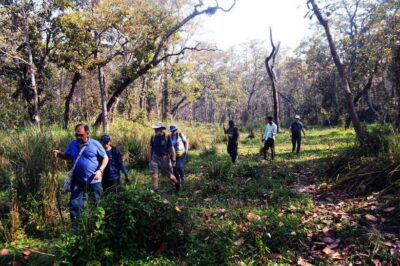
The trek segment starts after a drive to Nayapul, and then you begin walking toward Chumrung, passing through lush forested sections and village paths. Day 2 is often the “settle in” day for your body: it’s enough effort to get you warm and steady, but it’s not the steepest grind of the whole itinerary.
On Day 3, you move from Chhomrong to Dovan, with rhododendron forests and a noticeable rise as you go higher. This is the day where the air tends to feel different and your pace matters more. Rhododendron is a real seasonal vibe here—when the blooms are out, it adds color to the long climb, and when they aren’t, you still get that classic tree-cover feel that softens the sun.
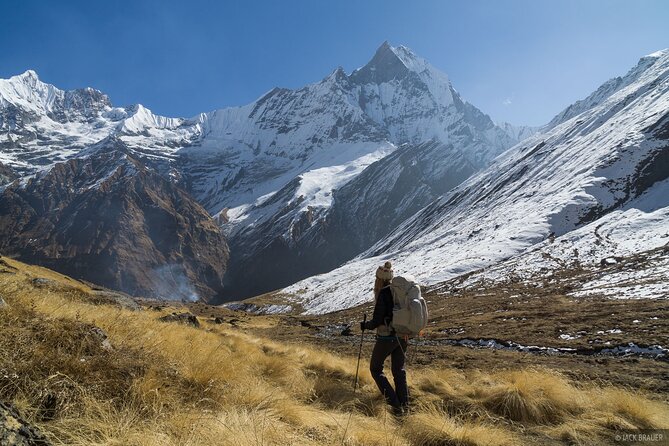
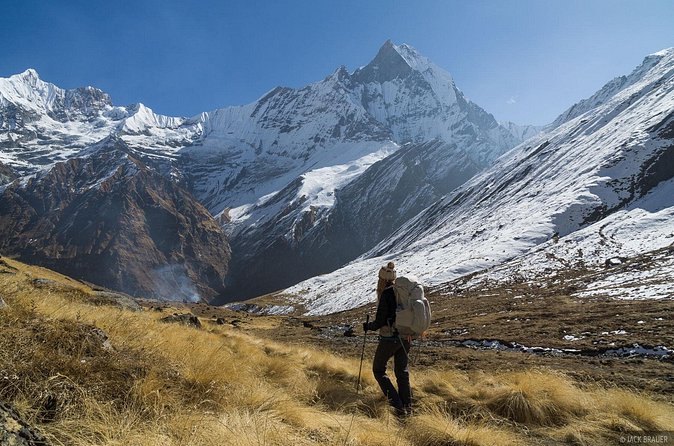
Day 4 goes from Dovan to Deurali. The key idea here is altitude gain and denser forest walking, with mountain views when the weather cooperates. Days like this are why a guide earns their keep. A professional local guide doesn’t just point the way—they help you manage energy so you don’t sprint early and pay for it later.
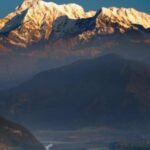
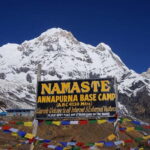
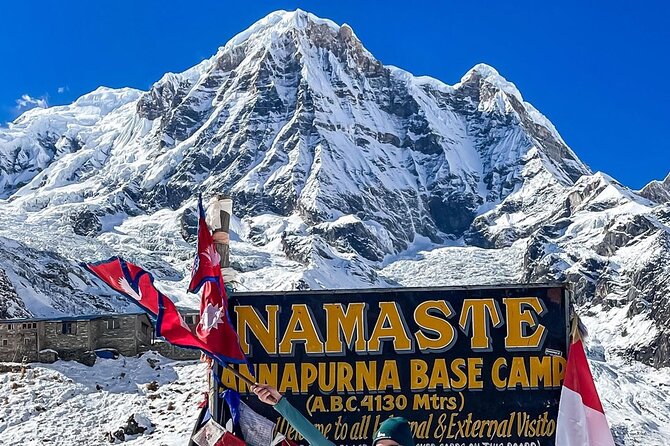
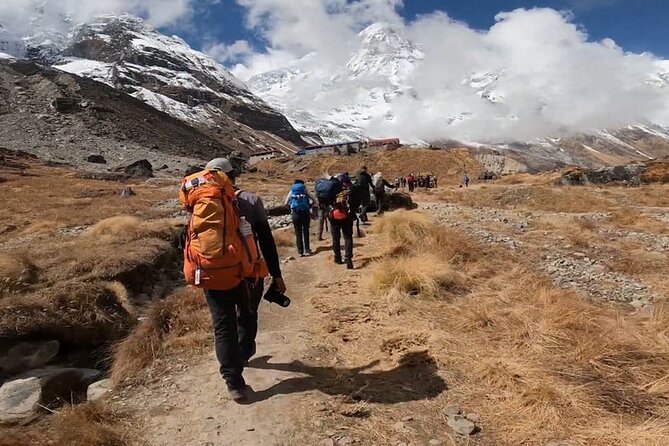
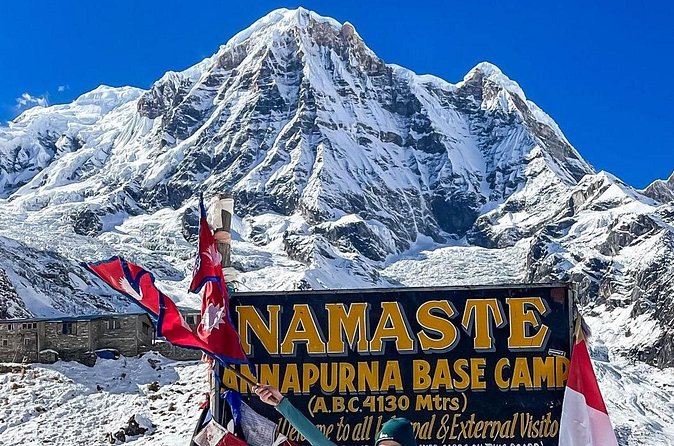
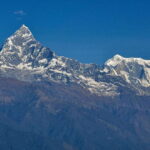
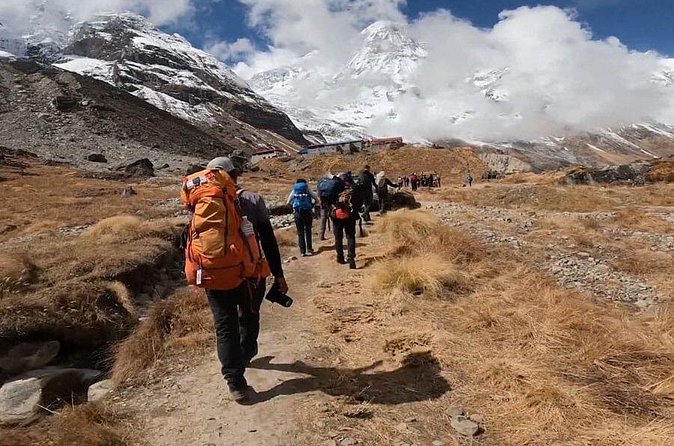
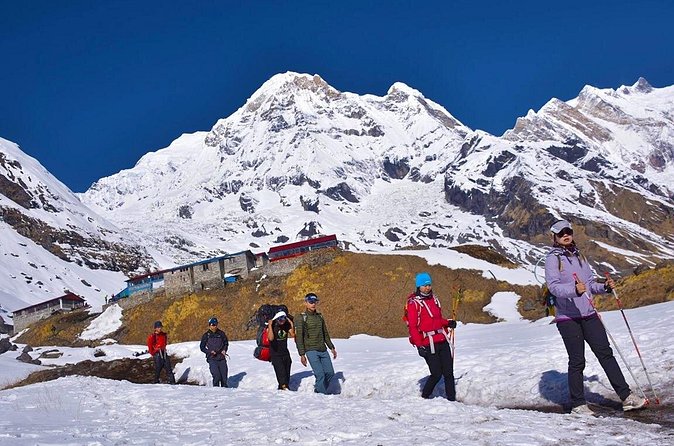
Then Day 5 is the big one: Deurali to Annapurna Base Camp. This is the moment where the walking turns into a finish line. The route is described as reaching the heart of the Annapurna massif with panoramic views. Even without obsessing over exact weather windows, this day tends to feel dramatic: the terrain changes, the air can sharpen, and the sense of arrival is real.
What Day 5 at Annapurna Base Camp feels like (and what you should plan for)
Reaching Annapurna Base Camp isn’t only about the summit-style goal. It’s the culmination of several days of route pacing and gradual acclimatization. By the time you arrive, your body usually understands the rhythm: stop, breathe, keep moving, drink water, repeat.
What you should plan for most on Day 5 is not comfort—it’s patience with changing conditions. The weather can shift quickly in the Himalaya. Even if your day is timed for good visibility, fog and clouds can roll in. When that happens, the “reward” becomes less about a perfect vista and more about the fact that you’re finally here, in the middle of the massif.
Also, the itinerary then turns to a descent on the next day. That means you’re not only celebrating a milestone—you’re setting up your legs for the return. If you’re the type who loves photos, you’ll still want to pace your stops so you don’t stiffen up before the descent routine begins.
The descent is the real test: Bamboo, Jhinu Danda, and natural hot springs
Day 6 takes you down from Annapurna Base Camp to Bamboo, following a changing landscape as you head back to lower elevations. This is where trekking often shifts from “climb mindset” to “damage control.” Your heart might feel calmer, but your knees and ankles still work. Descents are deceptive: they can feel easy while quietly tiring you out.
Day 7 continues from Bamboo to Jhinu Danda, and this is where the trip gives you a valuable physical and mental break: relaxation in natural hot springs. Hot springs after a multi-day trek are one of those rare comforts that actually helps you recover. It’s not a miracle—your muscles still earned their ache—but it can make the next travel day feel lighter.
Day 8 is then a practical reset: you trek back to Nayapul, and you drive to Pokhara to unwind. The itinerary includes breakfast, lunch, and dinner, so you’re not scrambling to find meals after long walking days. That helps your recovery. A warm shower or a good dinner in Pokhara can feel like part of the trek’s success, not an afterthought.


Pokhara’s rest day: where the trek breathes a little
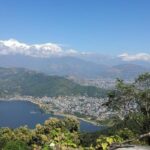
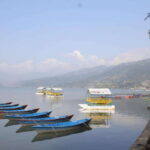
On Day 9, you get a day to rest and explore Pokhara at your own pace—lakeside areas, cafes, and natural beauty are part of the plan. This matters more than it sounds. ABC treks are long and repetitive in a good way, but the body still needs non-trail time.
A Pokhara rest day lets you do simple things well: eat normally, sleep deeper, and gently stretch without packing day-after-day. It also gives you a chance to process the experience. After days of stair-like trails and quick rest stops, the ability to slow down can feel like a luxury.
If you’re traveling solo or just hate being locked into rigid schedules, this style of day is a win. You’re not forced into one long guided “sightseeing block.” You can move at your own speed and just enjoy the city’s calmer rhythm.
Guide support, porters, and meals: why this package feels easier
This trek is marketed as an all-inclusive service, and the practical effect is straightforward: transportation, permits, meals, accommodation, and porters are arranged so you can focus on walking and recovery. That’s huge on a route like this, where the chain of tasks can otherwise overwhelm you.
You’ll also be working with an English-speaking local guide, plus support in Hindi and Japanese depending on what’s arranged for your group. Clear communication isn’t just convenience. It helps you interpret altitude pacing advice, meal timing, and safety instructions without guesswork.
One more human detail: the operator’s team has been praised for being super helpful during planning, and a staff member named Santosh gets specifically mentioned for support. That tells me they’re not just “show up and leave.” They aim to make the prep period smooth too—which you’ll appreciate once you’re juggling gear, permits, and your first trekking logistics.
Price and what $1,150 covers (and what you should budget for)
At $1,150 per person for a roughly 10-day experience, the key value question is: does this price reduce enough stress to justify it? In this case, it likely does. You’re paying for private transportation, all fees and taxes, meals, guide support, accommodation, and porters.
Trekking costs can balloon when you have to add pieces one-by-one: permits, guide, porter, food, and transport. Packages like this try to keep that bundled. That can be a good deal for you when you want predictability and you prefer not to coordinate every item yourself.
What’s not included is also important. Drinks or other beverages are not provided, and you’ll have personal expenses on top. If you know you’ll buy lots of snacks, bottled water, or other drinks, it’s smart to budget separately. Also, if you’re a heavy souvenir shopper or you need extra gear during the trek, that’s on you too.
The bottom line: the price looks fair when you want a guided, arranged experience with meals and logistics handled. If you’d rather plan your own permits, find your own porter, and build a custom route day-by-day, you may find cheaper options. But that tradeoff is time and coordination, not just money.
Safety and comfort: how to make a Himalayan trek feel manageable
The itinerary is built like a steady progression: ascending toward higher areas, then descending, with recovery breaks (especially the hot springs day and the Pokhara rest day). That rhythm supports a safer pacing approach, because you’re not trying to force every day into a “maximum effort” push.
Still, safety comes down to your choices. Here’s what you should do to get the best results from a structured trek like this:
- Follow your guide’s pacing on the higher days. Don’t race the trail.
- Take hydration and meals seriously even when you don’t feel like eating. Your energy depends on it.
- Treat descents like work, not like a victory lap. Your legs will notice.
Since the trip calls for moderate physical fitness, be realistic about your current stamina. If you haven’t trekked before, you can still do it—but you’ll want to train a bit first and pack wisely.
Who should choose this Annapurna Base Camp trek from Pokhara and Kathmandu?
This is a strong match if you want:
- A private group experience where only your group participates
- A guided trek with clear planning, rather than self-navigation
- Full meal and logistics support so you can focus on trekking
- A route that includes a meaningful recovery moment at Jhinu Danda
It’s also ideal if you like the idea of combining big mountain days with city downtime in Pokhara. That blend keeps the trip from feeling like one long endurance event.
Should you book this Annapurna Base Camp trek?
If you want an Annapurna Base Camp trek where the hard parts are the walking—not the planning—then I’d lean yes. The package is built around arranged transportation, permits, meals, accommodation, and porters, plus guide support in multiple languages. The Jhinu hot springs and the Pokhara rest day are smart recovery design, not just bonus fluff.
But if your goal is to travel with total freedom and you’re comfortable coordinating everything yourself, you may find the all-in structure less appealing. And if you’re not yet at moderate fitness, don’t wing it. Get prepared, talk to your guide, and be honest about your pace.
FAQ
Where is the pickup, and when does the trekking start?
Pickup is arranged from your Kathmandu hotel on Day 1. The trek itself begins after a drive from Pokhara to Nayapul on Day 2.
Is this trip private?
Yes. It’s described as a private tour/activity, with only your group participating.
How long is the Annapurna Base Camp trek?
The duration is listed as 10 days (approx.).
What language will the guide speak?
The guide support includes English, Hindi, and Japanese.
Are meals included during the trek?
Yes. The experience includes meals (with breakfast, lunch, and dinner referenced across multiple trek days).
Are drinks included?
No. Drinks or other beverages are not provided.
Does the itinerary include hot springs?
Yes. You’ll have time at Jhinu Danda to relax in the natural hot springs.
What cancellation conditions apply?
Free cancellation is offered up to 24 hours in advance for a full refund. If it’s canceled due to poor weather, you’ll be offered a different date or a full refund.
Where does the trip end?
The plan includes travel by private vehicle from Pokhara back to Kathmandu on Day 10. The meeting point details also list Pokhara Airport, so it’s best to confirm the exact pickup and drop-off timing with the provider when you book.