REVIEW · KATHMANDU
Annapurna Circuit Trek in Nepal (9 Days)
Book on Viator →Operated by Recreation Holidays Pvt. Ltd. · Bookable on Viator
That first big climb starts before dawn. This 9-day Annapurna Circuit trek mixes guided safety, mountain effort, and real village life. You’ll ride out of Kathmandu early, then settle into tea houses with included meals as the scenery and altitude climb—step by step toward Thorong La and Muktinath.
I really like two things about this trip. First, you get a licensed, English-speaking guide (plus an assistant guide for groups of 8+), so you’re not guessing the plan when the air gets thin. Second, the core trekking logistics are covered: permits, tea-house twin accommodation, and most of your food—8 breakfasts, 8 dinners, and 9 lunches—so you can focus on walking and soaking up what Nepal is like outside the bus windows.
One consideration: the schedule is early and the altitude is real. You’ll have a morning start around 6–7 AM, and the Thorong La day begins around 3 AM, so moderate fitness and a willingness to keep a steady pace matter more than fast feet.
In This Review
- Key highlights
- 9 Days Around Annapurna: The Big-View Plan in Plain Words
- Getting to the Trail: Kathmandu Pickup to Bhulbhule
- Chame to Paungda Danda: Apple Orchards, Forests, and Suspension Bridges
- Manang and the Acclimatization Buffer: Humde, Glacial Lakes, Monasteries
- From Yak Kharka to Thorong Phedi: A Slow Climb That Saves Your Legs
- Thorong La Pass at 5,416 m and the Muktinath Temple Finish
- Drive Back to Pokhara: Mustang Valley Views and Trip Closure
- What’s Included in the $880 Price (and What You Still Pay for)
- Tea Houses, Meals, and Comfort: How This Trek Usually Feels
- Altitude, Timing, and Safety: The Stuff That Actually Matters
- Should You Add a Porter or Pack Lighter?
- Who This Trek Fits Best
- Book It or Skip It: My Decision Guide
- FAQ
- Is hotel pickup in Kathmandu included?
- What accommodation and meals are included during the trek?
- Do I need a guide and trekking permits?
- How hard is the altitude, especially Thorong La Pass?
- Are porter services available, and what do they cost?
- Is there free cancellation?
Key highlights
- Licensed guide support with an assistant guide for larger groups
- Tea-house stays + most meals included for less day-to-day decision fatigue
- Real acclimatization time in Manang before the highest point push
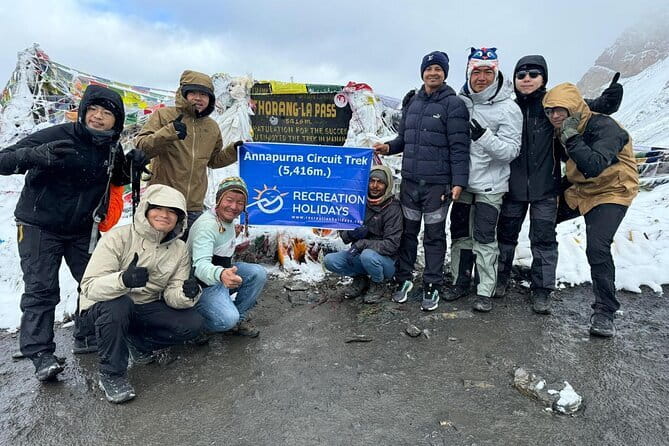
- Thorong La Pass at 5,416 m with an early start to manage conditions
- Village routes and culture through Tibetan villages, monasteries, and daily life
- Emergency evacuation support included via travel insurance coverage
9 Days Around Annapurna: The Big-View Plan in Plain Words
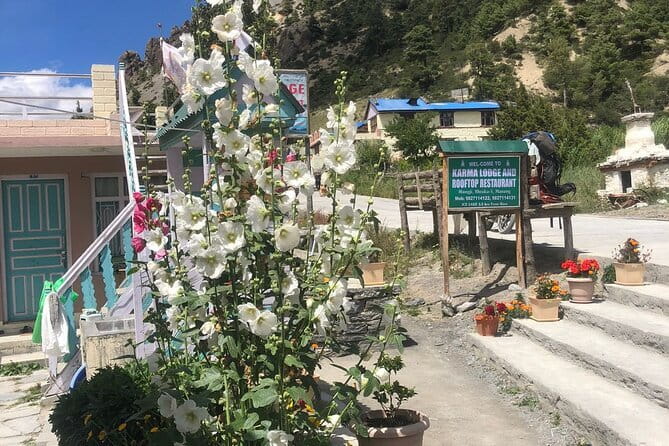
The Annapurna Circuit has a reputation for turning into a life event. Here, the shape of the trek makes sense: you get a slow warm-up, a proper acclimatization buffer in Manang, then a high-stakes pass day, followed by a downhill transfer to Pokhara.
What makes this itinerary feel practical is the pacing logic. Early days build endurance without jumping straight into the toughest heights. Then Manang gives you a full day to adjust your body, not just a quick stop for photos. After that, it’s steady hiking to Thorong Phedi, and then the pass assault starts before sunrise—because that’s when conditions are often better.
Also, the trip is set up as a private experience for your group. That matters when you want less crowding and smoother communication with your guide and team.
You can also read our reviews of more hiking tours in Kathmandu
Getting to the Trail: Kathmandu Pickup to Bhulbhule
Your trek starts with a Kathmandu pickup in the early morning. The meeting point is Tribhuvan Airport area, and the start time is listed as 6:15 am, with pickup offered directly from your hotel. You’ll board a scenic bus ride to Bhulbhule via Besisahar, and then transfer onward by shared jeep.
Day 1 is mostly a logistics day, but it’s not wasted time. This is when you start watching Nepal change fast—from city rhythm to roadside villages to the first hints of mountain walls. By the time you reach the Bhulbhule area, you’re ready to switch gears from sitting to walking.
One small piece of advice: treat Day 1 like you’re already on the trek. Drink water when you can, keep snacks handy, and don’t plan to “save your energy” only to spend it scrolling on your phone during the ride.
Chame to Paungda Danda: Apple Orchards, Forests, and Suspension Bridges
Days 2 and 3 are where the trek begins to feel like the Circuit rather than just a road trip with hiking breaks.
On Day 2, you trek toward Chame, moving from warmer beginnings into cooler alpine terrain. You’ll walk through Tibetan villages such as Bagarchhap and Danakyu. You also get apple orchards along the way, which is one of those small details that makes the route feel lived-in, not staged.
Day 3 leans into forests and crossings. Expect dense rhododendron and pine, plus meadows and steep ascents. Suspension bridges show up along the way, and you finish with the arrival at Paungda Danda, described as a majestic curved rock face. That curved rock feature is the kind of thing you notice more when you’re already breathing a bit harder than you did on the plains.
The honest tradeoff: this stretch can be long. Even when the trail is gorgeous, you’ll still be working. If you tend to rush your pace when the views open up, try to keep a calmer rhythm—your body will thank you later on the higher days.
Manang and the Acclimatization Buffer: Humde, Glacial Lakes, Monasteries
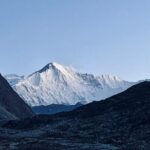
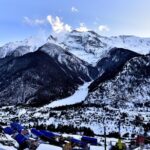
Day 4 pushes you toward Manang, and the route is described as a highlight day. It starts with flatter walking, then shifts into a gradual ascent to Humde. Along the way, you’re set up for panoramic views of Annapurna II, III, and I—the kind of viewpoint stretch that makes the climb feel worth it.
Then Day 5 is your acclimatization day in Manang. This is one of the best parts of the itinerary because it’s not just “rest.” It’s a chance to adjust while still exploring. Options include hiking to glacial lakes at the base of Gangapurna or visiting local monasteries. Even if you don’t go far, the bigger value is giving your body a full day to adapt before higher altitude demands hit harder.
If you’ve never acclimatized before, this day is where you learn to listen. You’ll feel the altitude; you’ll also feel the difference between pushing hard and moving with intention. A good acclimatization day isn’t about maximizing distance. It’s about arriving at the next stage steadier.
From Yak Kharka to Thorong Phedi: A Slow Climb That Saves Your Legs
Day 6 takes you from the Manang area toward Yak Kharka. The trekking is described as a moderate steady ascent through local settlements and cultivated farmland. You’ll cross suspension bridges along the way, so you get that mix of human-scale village life and the dramatic trail mechanics that make the Circuit memorable.
Day 7 is the climb toward Thorong Phedi, and the day is scheduled for about 4–5 hours of hiking. The incline is described as gradual, but the altitude makes everything feel slower. This day is important because Thorong Phedi is your staging point for the pass.
Here’s the practical mindset I’d use: this is not the day to test yourself. You’re aiming to get comfortable enough with your breathing and footing that the next morning doesn’t feel like a surprise attack. Take breaks, hydrate, and keep your pack manageable.
Thorong La Pass at 5,416 m and the Muktinath Temple Finish
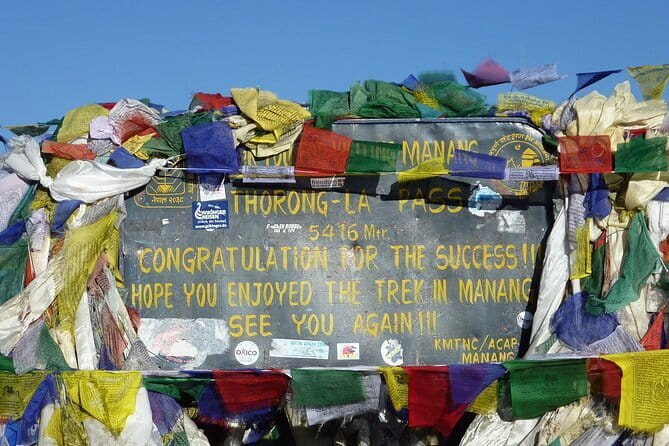
Day 8 is the day you’ll remember for a long time. You start early—around 3 AM—to reach Thorong La Pass, the highest point on the Annapurna Circuit listed here at 5,416 meters.
This is described as the most thrilling day, and the key detail is the timing. Starting at 3 AM isn’t just tradition; it helps you deal with conditions and manage the work your body needs to do. Once you reach the summit area, you’re rewarded with panoramic views, then you continue onward toward Muktinath Temple.
Day 8 has two emotional beats: the pass summit effort, and the shift into Muktinath. Muktinath is a major cultural and spiritual stop on the route, and arriving after the pass gives the whole day a different tone than the earlier forest and village walks.
If you’re prone to feeling anxious on big altitude days, rehearse a simple plan: slow pace, short breaks, consistent hydration, and zero hero moves. Guides and schedules are built around that reality.
Drive Back to Pokhara: Mustang Valley Views and Trip Closure
After the finish, Day 9 shifts away from hiking. From Muktinath, you travel to Pokhara by jeep or bus. The drive is described as scenic, especially as you descend and see the lower Mustang Valley.
This is the decompression day. You’re not just traveling; you’re coming down from a huge effort. The route down helps your legs feel like they can finally relax, and Pokhara gives you a clean place to reset your body and your head.
It’s also a nice bookend to the trek because Pokhara is where most people end their mountain chapter and start talking about it like it was a movie scene—except you did the hard part with your own muscles.
What’s Included in the $880 Price (and What You Still Pay for)
At $880 per person for roughly 9 days, the value depends on what you compare it to.
What you’re getting baked in:
- 8 nights tea house accommodation (twin sharing)
- Licensed, English-speaking guide (and an assistant guide for groups of 8+)
- All necessary trekking permits
- A first-aid medical kit
- 8 breakfasts, 8 dinners, and 9 lunches
- Local transport from Kathmandu to Dharapani and from Muktinath to Pokhara
- Luggage storage during the trek
- Emergency evacuation support covered by travel insurance
- All fees and taxes
What’s not included (and why it matters):
- Private transportation
- Porters: listed at $240 per porter on request, with guidance that it’s 1 porter for every 2 trekkers
- Nepal entry visa
- International airfare
- Accommodation in Kathmandu and Pokhara
- Extra baggage charges
- Travel and medical insurance
So is $880 fair? For this kind of guided, permit-covered, food-and-bed-included trekking style, yes—especially because you’re also getting emergency evacuation support tied to insurance. Your biggest “watch-outs” are the costs outside the trek itself: airfare, visa, insurance, and Kathmandu/Pokhara lodging.
If you’re traveling solo and planning to bring a lot of gear, consider budgeting for either packing lighter or adding the porter option. Trek comfort is often less about luxury and more about whether your load is reasonable.
Tea Houses, Meals, and Comfort: How This Trek Usually Feels
This trip uses tea houses for 8 nights, with twin sharing. Tea-house trekking is not about fancy rooms. It’s about simplicity, warmth when available, and being able to refuel fast.
Meals are a big part of why this works for you. With included breakfasts and dinners plus lunches on trek days, you don’t have to negotiate your way through menus in the middle of altitude fatigue. That can be the difference between “I can handle this” and “I’m spending mental energy on food instead of movement.”
Practical tip: pack for cold nights and chilly mornings. Even if daytime feels comfortable, altitude air can change fast. You’ll likely be glad you brought a warm layer and something for wind.
Altitude, Timing, and Safety: The Stuff That Actually Matters
This route includes real altitude climbing, with the pass at 5,416 m. You’re also told to have a moderate physical fitness level, and the itinerary includes long day effort blocks.
What I like in the safety setup:
- You get a licensed English-speaking guide
- There’s a first-aid medical kit
- The plan includes acclimatization in Manang
- There’s emergency evacuation support covered by travel insurance
A quick reality check for you: evacuation support only works if your travel insurance actually covers it, so don’t treat that as automatic. Plan your policy accordingly before you go.
Finally, remember the guide can only do so much if you ignore your body. If you feel off—worse headache, nausea, unusual weakness—speak up early and follow your guide’s pace decisions.
Should You Add a Porter or Pack Lighter?
Porters aren’t included, but they’re available for $240 per porter (upon request), with the guideline of 1 porter for every 2 trekkers.
So what should you do?
- If you like hiking with a lighter load and want less wear-and-tear, porter services can be a smart upgrade.
- If you pack very efficiently and keep your essentials in a small bag, you might be fine doing it on your own.
The trip also includes complimentary luggage storage during the trek, which helps you avoid hauling extra items that you don’t need in the mountains.
My simple rule: if you’re uncertain, think of how you’ll feel on the pass day. Carrying less makes the hardest morning easier to manage.
Who This Trek Fits Best
This Annapurna Circuit trek is a strong match for you if you want:
- A guided experience with clear support
- Cultural encounters through Tibetan villages and monasteries
- A route that includes acclimatization in Manang
- Tea-house trekking with most meals handled
- A private group setup so you’re not squeezed into a crowd
You might not love it if you want a relaxed, low-effort trip. The schedule includes early mornings, steady ascents, suspension bridge days, and a major pass at 5,416 m.
Book It or Skip It: My Decision Guide
If you’re aiming for the classic Annapurna Circuit experience without wrestling with permits, logistics, and meal planning, this one looks like a solid choice. The biggest reasons to consider booking are the included licensed guiding, the Manang acclimatization buffer, and the fact that core costs inside the trek are covered in the package price.
I’d book if:
- You’re okay with early starts and slow pace on high-altitude days
- You want a structure that supports safety and comfort
- You prefer having meals and lodging arranged for you
I’d think twice if:
- You hate carrying your gear and porter costs would be a stretch
- You’re looking for a short, easy stroll (this isn’t that)
If you do book, plan to pack smart, keep your pace calm, and respect acclimatization. That combination is what turns this into a win instead of a grind.
FAQ
Is hotel pickup in Kathmandu included?
Pickup is offered, and the trip starts in Kathmandu with an early departure time listed as 6:15 am near Tribhuvan Airport. Local transport is also included from Kathmandu to the trek area.
What accommodation and meals are included during the trek?
You’ll get 8 nights of tea house accommodation (twin sharing). Meals included are 8 breakfasts, 8 dinners, and 9 lunches during the trek.
Do I need a guide and trekking permits?
Yes. The package includes a licensed, English-speaking guide and all necessary trekking permits.
How hard is the altitude, especially Thorong La Pass?
Thorong La Pass is listed at 5,416 meters, and you start around 3 AM on the pass day. You should have moderate physical fitness for the trek.
Are porter services available, and what do they cost?
Porter services are available on request for $240 per porter, with the guidance of 1 porter for every 2 trekkers. Porter services are not included in the base price.
Is there free cancellation?
Yes, free cancellation is offered. You can cancel up to 24 hours in advance for a full refund, and changes within 24 hours of the start time aren’t accepted.