REVIEW · KATHMANDU
Langtang Valley Trek from Kathmandu
Book on Viator →Operated by Namaste Nepal Trekking & Research Hub Pvt. Ltd. · Bookable on Viator
Langtang feels like Nepal’s quiet comeback. This 8-day trek from Kathmandu leads through Tamang country, visits Kyanjin Gompa and a famous cheese stop, and shows how communities are recovering after the 2015 earthquake. I love the way the trip feels well-organized and caring, with guides and porters taking practical good care of people, including solo women who described feeling safe and relaxed. The main drawback to plan for: Day 1 is mostly a long drive, so you’ll want to treat the start like a warm-up, not part of the best hiking.
What makes the walking work is how varied it is. You move from subtropical forests with rhododendron, oak, and bamboo, to river gorges and suspension bridges, all while keeping an eye out for views of Langtang Lirung and the wider Himalayan line you only get in clear weather. Permits and TIMS are handled for you, which keeps you from getting stuck in paperwork the moment you land in Nepal.
For the mountain moments, the trip builds toward big viewpoint energy, including an early climb toward Cherco Ri. On the way back, the route eases with a mostly downhill feel, so you’re not just grinding uphill until the end. Expect guest-house lodging: comfortable enough, but this is trekking country, not luxury hotels.
In This Review
- Key things that make this Langtang Valley trek worth your time
- Why Langtang Valley feels different from the big trek circuits
- Price and logistics: what your $1,110 covers (and what to budget)
- Day 1: Kathmandu to Syabrubesi, a drive that should not be underestimated
- Days 2 and 3: Lama Hotel forests and the first real taste of Langtang village life
- Kyanjin Gompa day: monasteries, views, and a very practical cheese stop
- Cherco Ri morning: where the big views are earned
- Day 6 and Day 7: returning via Lama Hotel and an easier downhill rhythm
- Where you’ll sleep: guest houses on the trek
- Meals on this trek: what’s included and how to handle the rest
- Gear and fitness: what moderate fitness really means here
- Safety and service: the part solo travelers care about most
- Who should book this Langtang Valley trek—and who should reconsider
- Should you book Namaste Nepal’s Langtang Valley Trek?
- FAQ
- How long is the Langtang Valley trek from Kathmandu?
- Where does the trek start and end?
- What kind of support do I get on the trek?
- Are permits included?
- What about lodging during the trek?
- Are meals included?
- Is hotel pickup and drop-off included?
- Is the trek private?
- Is there a viewpoint hike included?
- What is the cancellation policy?
Key things that make this Langtang Valley trek worth your time
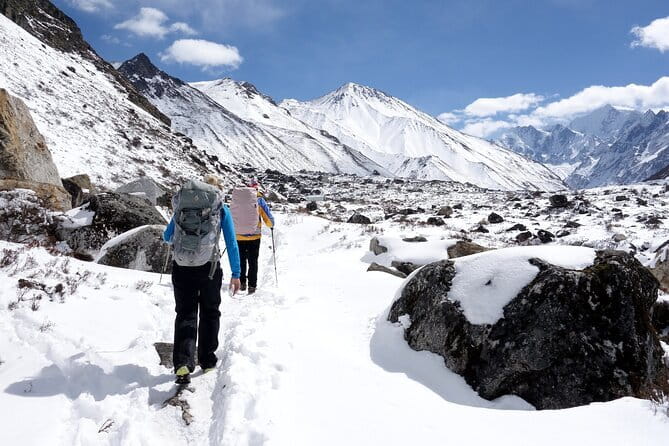
- Kyanjin Gompa + the cheese factory stop: a spiritual landmark paired with a very local food culture moment
- Tamang villages and earthquake recovery you can actually see: less a theme, more a reality along the trail
- Cherco Ri morning for high-view panoramas: the day designed for the clearest, early-light views
- Forests, rivers, and suspension bridges: daily variety instead of one long trail grind
- Guide and first-aid support included: built for less stress when conditions get tough
- Good care for solo travelers: recent solo experience highlighted feeling safe and looked after
Why Langtang Valley feels different from the big trek circuits
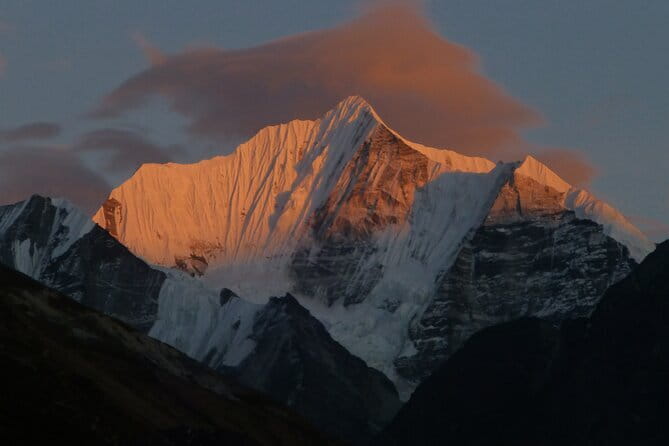
Langtang has that rare quality: it feels quieter and more human-scale than the headline trekking zones. You’re still in the Himalaya, with real mountain drama, but the trail spends more time on villages, daily life, and the long process of rebuilding than on chasing crowds and summit photos.
The cultural side is grounded in Tamang heritage and Tibetan-influenced traditions. You’ll see stone and village settlements that feel lived-in rather than staged for tourists. And when you reach stops tied to Kyanjin Gompa, spirituality isn’t an add-on. It’s part of why people go there, and it shows in how the monastery area is described and visited.
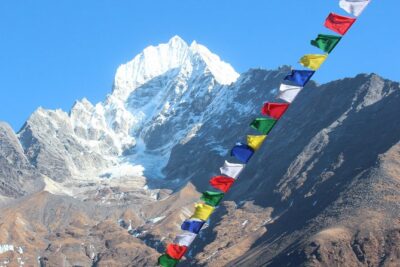
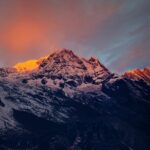
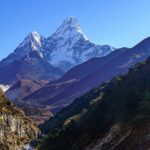
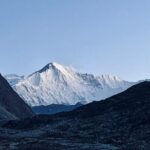
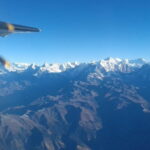
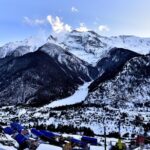
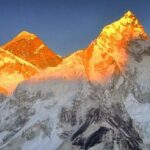
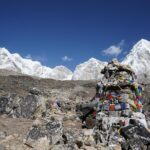
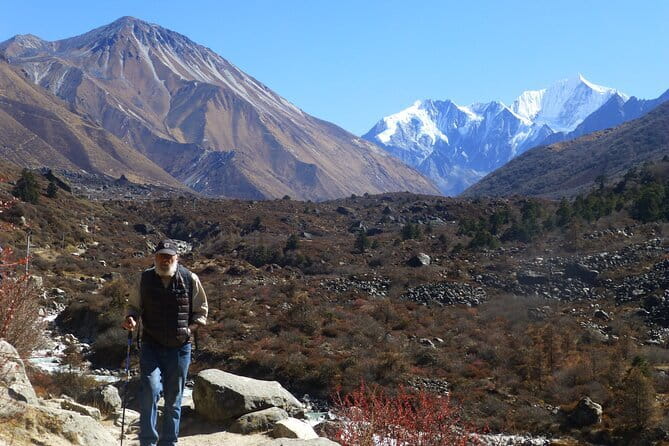
If you want scenery, you’ll get it—views of Langtang Lirung, plus sightlines toward Ganesh Himal and even Shishapangma in Tibet when weather allows. But the standout difference is that you’re also walking through a landscape of resilience, where communities are rebuilding after a major shock.
The overall pace is moderate, and that matters. You’re not trying to win a race. The route is built to help you get your legs moving, adjust, and keep the experience enjoyable.
You can also read our reviews of more hiking tours in Kathmandu
Price and logistics: what your $1,110 covers (and what to budget)
At $1,110 per person, this trek is priced like a fully supported package rather than a DIY adventure. The big value pieces are the stuff that’s annoying to manage alone: transfers, permits, a guide, and guest-house coordination.
Here’s what’s included in the core package:
- Hotel pickup and drop-off in Kathmandu
- Round-trip transfer by sharing bus
- Trekking permit and TIMS card
- English-speaking experienced trekking guide
- Guest-house accommodation during the trek
- First-aid box (with guide)
- Most meals: breakfast (7), lunch (8), dinner (8)
What’s not included:
- Meals beyond what’s listed, roughly $25 per day (use this as a realistic budget buffer for drinks, extras, or any meal gaps)
- Optional gratitude for the team
You’re also paying for safety and flow. The long drive day, the daily guiding, the permit paperwork, and the coordinated lodging all reduce friction. If you’ve ever tried to plan a trek in Nepal by yourself, you know how quickly time disappears into logistics.
One more thing: the experience is listed as private for your group, yet the operator also notes group discounts. If you’re traveling with friends—or planning to join up with others—ask how discounts apply to your exact group size.
Day 1: Kathmandu to Syabrubesi, a drive that should not be underestimated
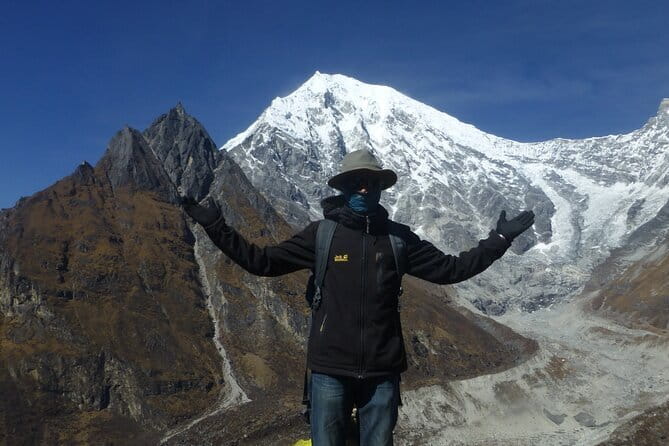
Your trip starts with the ride out of Kathmandu toward Syabrubesi. Expect a long day: about 6–7 hours on the road, plus stops along the way. The route crosses areas that include the Tirshuli crossing, and those road details matter because they explain why the day feels more like getting positioned than hiking.
This is the day to keep your expectations simple. Hydrate. Eat something light but solid. And treat the first day as the transfer into mountain mode.
If you’re the type who hates sitting still, plan a strategy: bring a small snack stash, keep water within reach, and use the breaks to stretch your legs. The goal is to arrive ready to walk, not drained from the day’s travel.
Days 2 and 3: Lama Hotel forests and the first real taste of Langtang village life
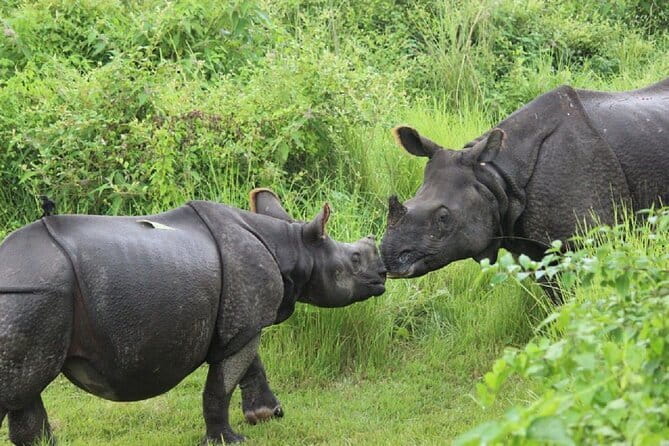
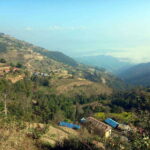
On Day 2, you head toward Lama Hotel through subtropical forest. This is where the trek starts to feel alive. You’ll walk under trees like rhododendron, oak, and bamboo, and you may get suspension bridges and the Langtang River gushing close by.
That mix is practical. Forest cover can make the trail feel cooler and more comfortable, while the river scenes keep the walk from feeling monotonous. It’s also a good day to watch for wildlife—langur are mentioned as possible sightings, so don’t rush through without taking brief pauses to look around.
Day 3 brings you to the core of the trek experience: the path up to Langtang Valley and arrival at Langtang Village. This is where the 2015 earthquake recovery becomes part of the story in a direct way. You’re not just passing through; you’re seeing a settlement working to rebuild.
A helpful way to think about this day: you’re walking into a community narrative. The stone houses and the shift in scenery to open yak pasture terrain help you understand why Langtang matters to locals. And when you arrive, you’ll feel the change from forest trekking to a more village-and-valley rhythm.
If you’re sensitive to altitude and fatigue, Day 3 is a good reminder: pace slow. You’ll climb through changing terrain, so keep effort steady and don’t chase speed.
Kyanjin Gompa day: monasteries, views, and a very practical cheese stop
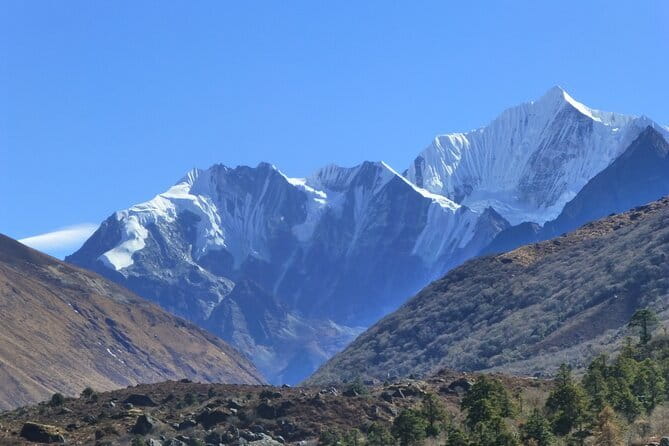
The trek moves toward Kyanjin Gompa, and the route here is designed as a highlight day rather than just a transit day. The plan calls for starting after breakfast and working toward the monastery area over several hours.
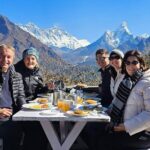
The two big themes are panoramic mountain views and the monastery experience itself. Kyanjin Gompa is described as ancient and significant, and it tends to land differently than a quick sightseeing stop. This is a place tied to spirituality, so even if you’re not a religious traveler, you’ll still feel the weight of tradition and quiet routine.
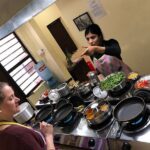
Then there’s the cheese factory detail, which I love because it brings you back to everyday life. It’s an unusual pairing: deep history in the monastery space, followed by something local and practical—how people produce food in high-country conditions.
This is also a day when clear weather matters. If skies cooperate, the views toward the Langtang Lirung area and broader Himalayan lines can feel jaw-dropping. If clouds roll in, the monastery and village feel still hold the day together.
Cherco Ri morning: where the big views are earned
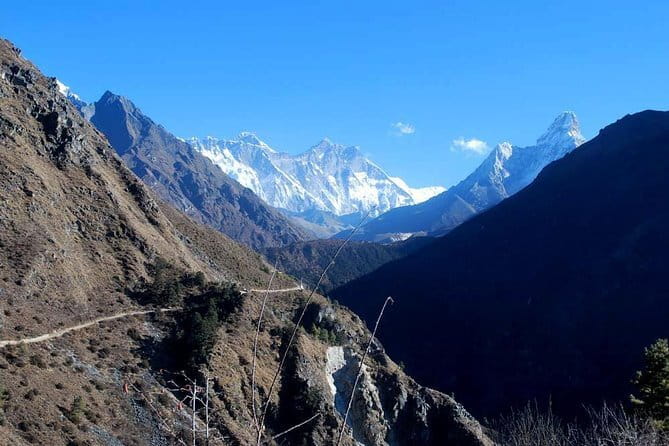
A big part of a trekking trip is catching the moment when you’re most likely to get strong visibility. This itinerary sets up an early start for the Cherco Ri hike after breakfast, with packed snacks.
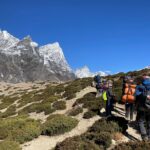
The early climb is usually where you feel the satisfaction of the route. You cross the Langtang River via a small wooden bridge and then begin climbing. That bridge matters because it’s a physical marker—your route shifts from the village level into viewpoint energy.
What to expect from the effort:
- The climb will push you more than a flat walk.
- The payoff is a better vantage point over the valley and surrounding peaks.
- You’ll likely feel more connected to the wider geography than on days spent mostly moving between lodges.
If you want an extra layer of adventure, the trip overview also mentions optional viewpoint options like Kyanjin Ri or Tserko Ri. But the most clearly built-in moment in this program is the Cherco Ri focus.
Practical tip: dress for quick weather changes. Early in the day can feel cooler than you expect, and you’ll warm up fast once you start moving.
Day 6 and Day 7: returning via Lama Hotel and an easier downhill rhythm
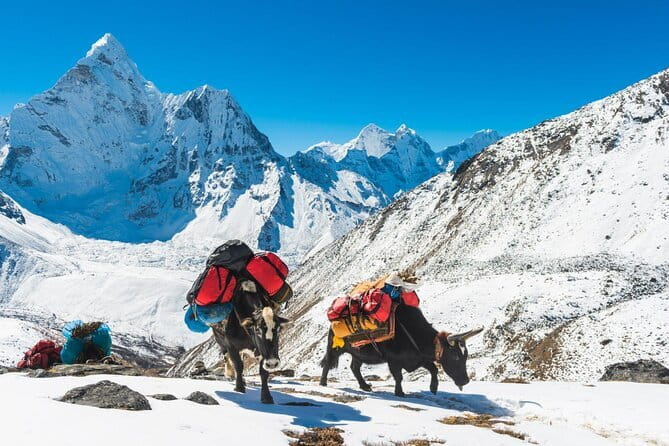
The return days are where this trek earns its balance. On Day 6, you’re trekking with a more relaxed downhill feel, which helps because you’re going from higher terrain back toward lower valleys. The valley gets narrower, and the trail rhythm often feels steadier.
This is a key point for value: not every trek gives you that relief. Here, the design helps you finish strong instead of arriving in Kathmandu with your body in full complaint mode.
On Day 7, you basically retrace steps back toward Syabrubesi. Since it’s mostly descending, the day feels more manageable than the earlier uphill push. If you want more scenic variety, there’s an optional way mentioned via Sherpagaun, which can make the return feel less like repeating the same route.
That optionality is worth noting. Even when the destination stays the same (Syabrubesi), the trail experience can change with minor routing decisions.
Where you’ll sleep: guest houses on the trek
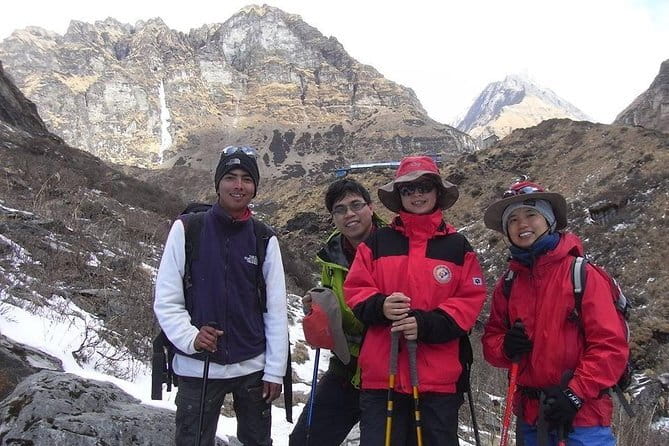
This trip includes accommodation in guest houses during the trek. That’s good news for comfort and convenience, and it’s also honest. Guest houses in the Langtang region are not built like resorts; they’re built for trekkers and locals working the trail economy.
So plan for basic comfort: hot meals, a bed, and a place to reset your gear. Bring layers you can sleep in if evenings get chilly.
Also, since you’re walking multiple days in mountain weather, the ability to wash up and dry out a little matters. The guest-house rhythm helps with that, and it keeps you from carrying everything in a backpack that never comes off.
Meals on this trek: what’s included and how to handle the rest
Meals are a big part of trekking comfort, and this itinerary is structured to keep you fed. It includes:
- Breakfast 7 times
- Lunch 8 times
- Dinner 8 times
At the same time, meals are listed as not fully included for everything you might want. Budget about $25 per day for extra food and drinks.
My advice: treat included meals as your baseline, and keep some cash and snacks for the moments when you want something extra. Trekking days can be long, and you’ll burn calories even when the altitude feels manageable.
If you’re the kind of person who relies on tea, coffee, or light treats while walking, factor that into your daily budget. A small expense each day becomes the difference between feeling fine and feeling annoyed on the trail.
Gear and fitness: what moderate fitness really means here
This trek is listed for people with moderate physical fitness. That means you’re not expected to be a mountaineer. But you should expect uphill effort, long walking days, and a few tougher segments like viewpoint climbs.
Your best strategy is simple:
- Start slower than you think you need.
- Take short breaks that actually help you recover.
- Keep your pack light enough to be comfortable for hours.
Gear-wise, the key isn’t fancy tech. It’s dressing in layers, wearing good footwear, and being ready for weather changes. You’ll also want a way to manage hydration during forest and ridge days.
And here’s a comfort factor that’s easy to overlook: first-aid support is included, with a first-aid box carried by the guide. That doesn’t mean you should take risks, but it does mean help is on hand if something minor goes wrong.
Safety and service: the part solo travelers care about most
The strongest theme in recent feedback is how people were cared for on the trail. A solo woman described feeling safe and relaxed with the team, calling them kind and caring. Another solo traveler highlighted that the trek was well-organized and that they were capable of reaching the goal despite natural challenges, crediting the guides for being experienced and reliable.
What this tells you about the trip: this is not a leave-you-to-figure-it-out operation. You’re guided by an English-speaking trekking guide, and you’re supported through the itinerary by a team that has the routine down.
That matters most on hard moments, like weather shifts, fatigue hits, or rough trail conditions. When someone knows the route and keeps things moving, the day feels less stressful and more like a plan.
Who should book this Langtang Valley trek—and who should reconsider
This is a great choice if you want:
- A cultural trekking experience centered on Tamang heritage
- Real Himalayan views without the big-trail crowd vibe
- A route that includes monastery time at Kyanjin Gompa
- A viewpoint climb built into the itinerary toward Cherco Ri
- A supported trip with permits, guide, and guest-house lodging
You might reconsider if:
- You hate long road travel days and want every day to be pure hiking
- You’re looking for hotel-level comforts every night
- You prefer a very low-effort itinerary with minimal climbing
If you’re traveling solo, this route is exactly the kind of trek where good guidance can make the difference between feeling stressed and feeling calm.
Should you book Namaste Nepal’s Langtang Valley Trek?
If you want an 8-day trekking trip that balances culture, views, and real village life, I’d call this a smart pick. The best reason is practical: you get permits and TIMS handled, a guide included, guest-house accommodation lined up, and meals built into the rhythm so you’re not constantly stopping to solve logistics.
And the best reason emotionally: you’ll see Tamang communities and earthquake recovery in a way that doesn’t feel like a photo-op. Add monastery time at Kyanjin Gompa plus the local cheese factory stop, and you get more than just mountains.
If you book, plan for the first day’s driving and be honest with your fitness level. Bring patience, walk steadily, and let the trail work at your pace. Do that, and Langtang can feel like a genuine Nepal that’s quieter, kinder, and still jaw-dropping.
FAQ
How long is the Langtang Valley trek from Kathmandu?
The itinerary is listed as approximately 8 days.
Where does the trek start and end?
It starts in Kathmandu, with transfer to Syabrubesi. It ends back in Kathmandu after returning via the trek route.
What kind of support do I get on the trek?
You get an English-speaking experienced trekking guide, plus a first-aid box carried with the guide.
Are permits included?
Yes. The package includes trekking permit and a TIMS card.
What about lodging during the trek?
Accommodation during the trek is in guest houses.
Are meals included?
Breakfast is included 7 times, and lunch and dinner are included 8 times each. Meals beyond what’s included are not included, with a rough budget of about $25 per day suggested.
Is hotel pickup and drop-off included?
Yes. Hotel pickup and drop-off are included.
Is the trek private?
The experience is listed as private, and only your group will participate. The operator also mentions group discounts, so check pricing with your group size.
Is there a viewpoint hike included?
The itinerary includes an early climb toward Cherco Ri. The tour overview also mentions optional hikes such as Kyanjin Ri or Tserko Ri.
What is the cancellation policy?
Free cancellation is offered. You can cancel up to 24 hours in advance for a full refund, based on local time cut-offs.