REVIEW · RISHIKESH
From Delhi: 3 Days Haridwar Rishikesh Tour With Guide
Book on GetYourGuide →Operated by GRAND INDIA TOURS - GIT · Bookable on GetYourGuide
Haridwar and Rishikesh don’t do quiet travel. This 3-day plan strings together Ganges evening rituals and temple stops with real time to breathe in yoga-town energy.
I like two things a lot: the free pick up and drop from Delhi, and the way the schedule mixes big-name sights with calmer ashram moments. One thing to consider: this route is religion-heavy, so expect crowds at prayer time and lots of temple walking and stairs.
Also, it’s not set up for everyone. The tour states it’s not suitable for pregnant women, and one booking noted a language/itinerary mismatch due to a driver with limited English.
In This Review
- Key highlights I’d plan around
- Entering The Ganges Rituals: Why This Route Works
- Delhi to Haridwar: A 5-Hour Jump Into Temple Country
- Mansa Devi Hill Temple: Stairs, Cables, and Big Views
- Har Ki Pauri Evening Prayer: The Moment You Came For
- Haridwar to Rishikesh: 30 Minutes That Feel Like a Change of Mind
- Lakshman Jhula and Ram Jhula: Bridges You’ll Actually Feel
- Ashrams and Swarg Ashram: Yoga Town in Real Life
- Geeta Bhawan and Geeta Press: Religion on Paper
- Lunch at Chotiwala: A Practical Break That Tastes Like Place
- Parmarth Niketan Evening Prayer: Music, Crowds, and Calm Energy
- Day 3 in Rishikesh: River Walk or Yoga Session
- Private Cab and English Driver: What You Gain (and What Can Go Wrong)
- Price and Value: Is $190 a Fair Deal?
- Who This Tour Fits Best (And Who Should Skip It)
- Things To Pack and Know Before You Go
- Should You Book This Haridwar and Rishikesh Tour?
- FAQ
- What’s the duration of the Haridwar and Rishikesh tour from Delhi?
- How long is the drive from Delhi to Haridwar?
- How far is Haridwar from Rishikesh?
- Does the tour include an English-speaking driver?
- What do we do in Haridwar on the first day?
- What religious sites and stops are included in Rishikesh?
- Is the tour suitable for pregnant women?
Key highlights I’d plan around
- Har Ki Pauri aarti with thousands of oil lamps and temple-bell sound by the Ganges
- Mansa Devi hill temple with a choice to climb or use the cable car
- Rishikesh ashram time including a visit to Parmarth Niketan for the evening prayer
- Geeta Press / Geeta Bhawan stop for religious books that matter locally
- Private cab with an English driver, plus free transfers in and out
- Good flexibility when the guide is on top of things, including tailoring to time and interests (shown in positive feedback)
Entering The Ganges Rituals: Why This Route Works
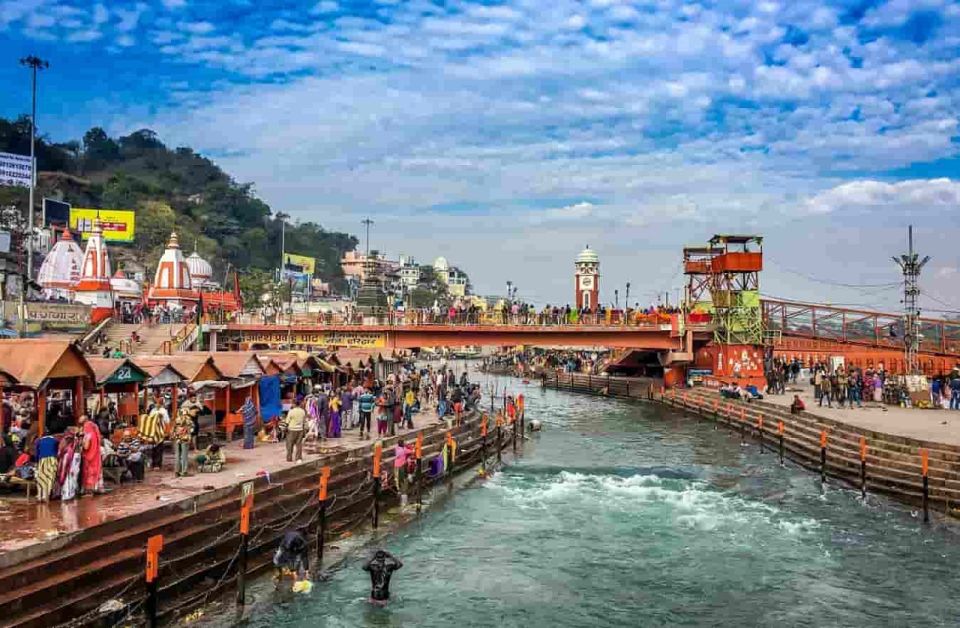
If you want India that feels spiritual but still practical, this itinerary nails the balance. You start with Haridwar’s riverside devotion, then shift to Rishikesh’s yoga-focused rhythm.
What makes it compelling is the contrast in atmosphere. Haridwar brings the Ganges at full volume—bells, chants, and that famous flood of lamps. Rishikesh slows down the pace with bridges, temples, and ashram evenings that feel built for reflection.
You can also read our reviews of more guided tours in Rishikesh



Delhi to Haridwar: A 5-Hour Jump Into Temple Country
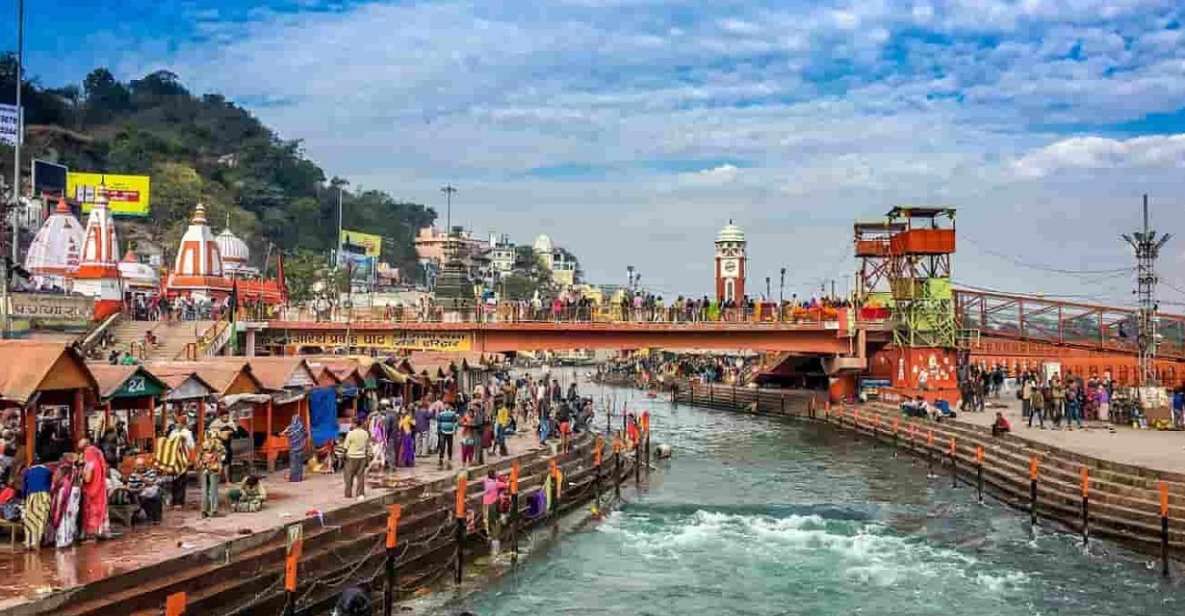
Day 1 starts with morning pickup from your Delhi hotel or the airport. The drive to Haridwar takes around 5 hours over about 230 km, so you’re trading jet lag for road time early in the trip.
Once you arrive, you get refreshment at your hotel before temple sightseeing. This “settle first, then go” approach matters because Haridwar sightseeing can be intense—especially once you hit the riverside at evening.
Mansa Devi Hill Temple: Stairs, Cables, and Big Views
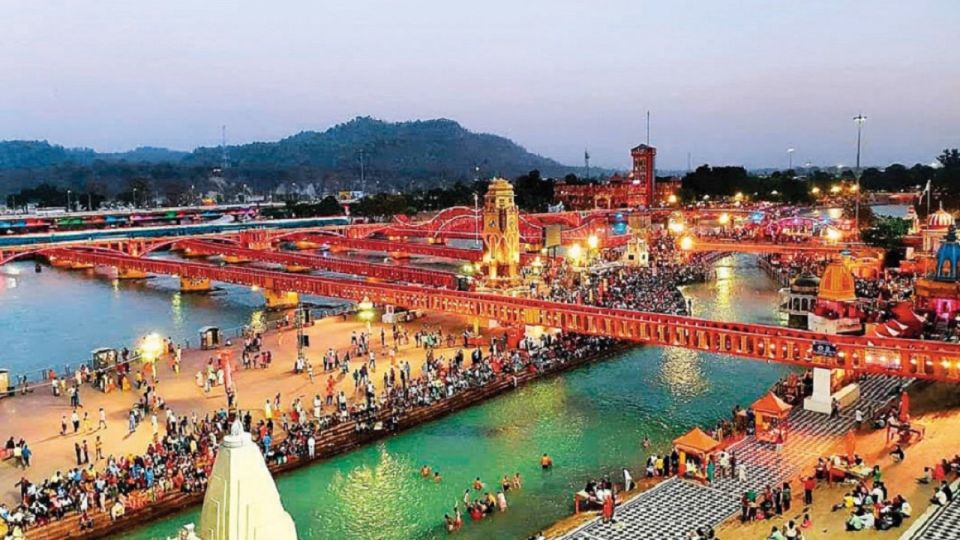
Mansa Devi is the day’s first big spiritual climb. The temple sits on a hill, and you get a choice: climb up yourself or take the cable car.
I like this choice because it lets you control your energy level. If you’re fit and enjoy stairs, climbing feels more immersive. If you’d rather preserve legs for later, the cable car is a smart way to reduce strain.
After Mansa Devi, you continue to other shrines like Maya Devi Temple, Daksha Mahadev Temple, and Sapta Rishi Temple. This part works well because it packs several sacred stops without making the day feel like a race.
Har Ki Pauri Evening Prayer: The Moment You Came For
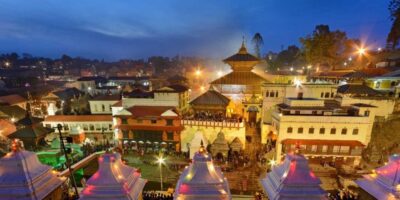
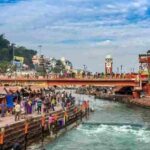
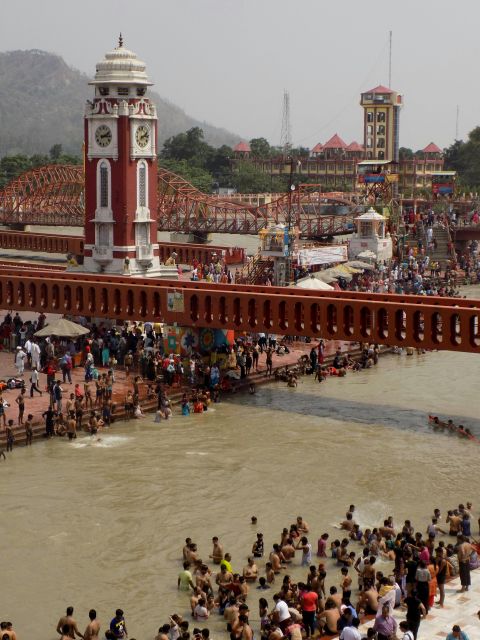
Har Ki Pauri is where Haridwar becomes unforgettable. In the evening, you attend the prayer ceremony where thousands of oil lamps float on the Ganges, with bells and chanting filling the air.
This is the kind of scene that’s hard to fake with a description. Even if you’re not deeply into ritual, the sensory details hit: the river movement, the synchronized chanting, and the crowd’s attention all aligning toward one moment.
Practical note: you’ll want comfortable shoes and patience with crowds. The ceremony is the payoff, but it means you should expect slow foot traffic and lots of people moving in the same direction.
Haridwar to Rishikesh: 30 Minutes That Feel Like a Change of Mind
Day 2 starts with breakfast, then you head to Rishikesh, which is only about half an hour away. That short transfer is a gift because it keeps the trip from dragging.
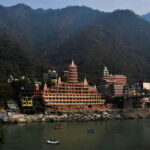
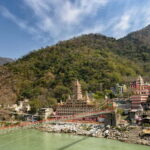
Once you arrive, you check in to your hotel and then start exploring Rishikesh’s temples and ashrams. Rishikesh feels different even when you do the same basic actions—walk to the river, look at sacred sites, and watch daily life unfolding around them.
You can also read our reviews of more tours and experiences in Rishikesh

Lakshman Jhula and Ram Jhula: Bridges You’ll Actually Feel
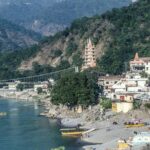
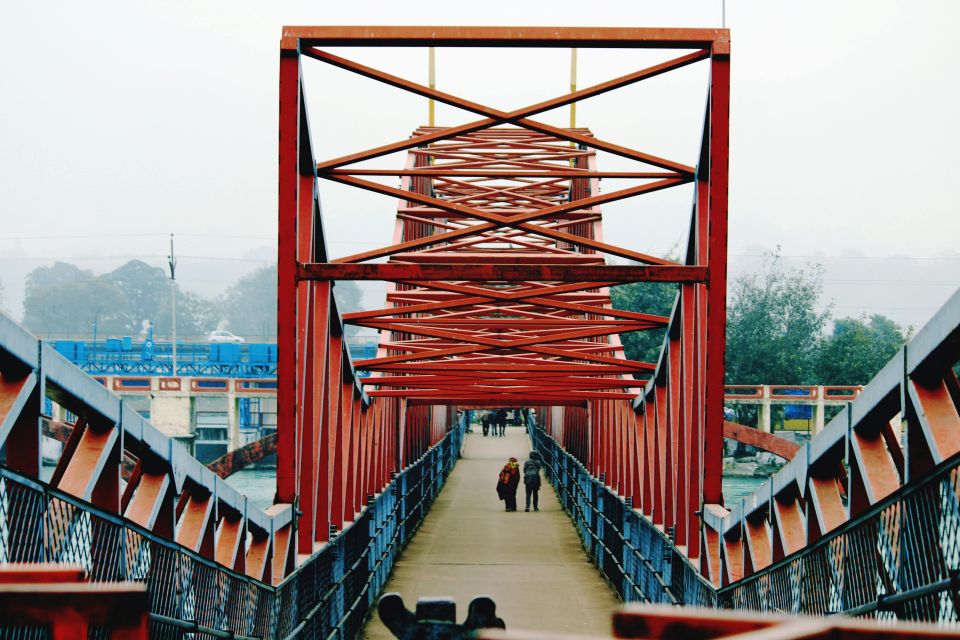
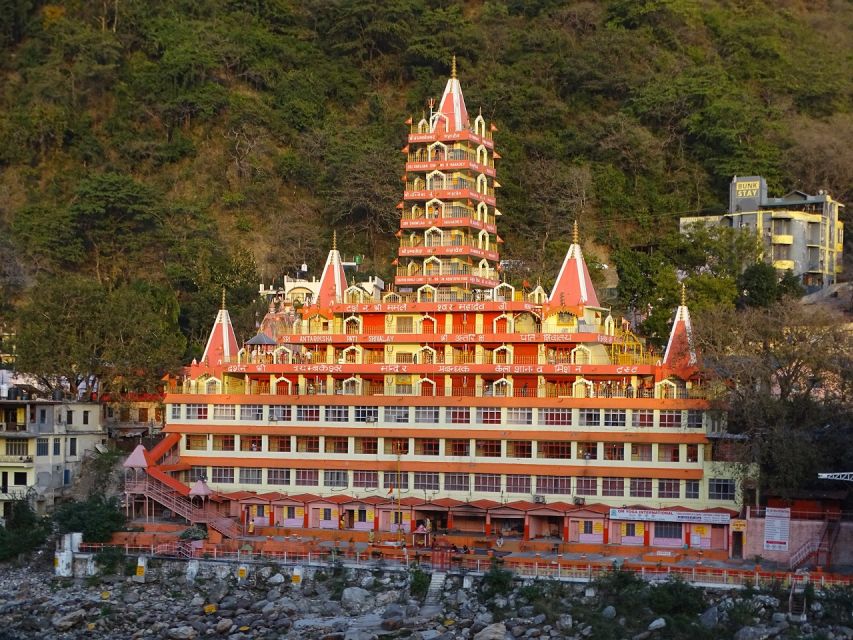
Rishikesh’s Lakshman Jhula is a major attraction, an iron suspension bridge linking sides of town. One practical detail that adds authenticity: you’ll see locals using the bridge too, including people riding two-wheelers.
That’s important because it keeps the bridge from feeling like a staged tourist set. You’re moving through a working town, not just a photo backdrop.
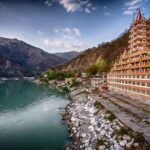
You also visit Ram Jhula and other temple stops, including the thirteen step temple. The rhythm here is simple: walk, pause, observe, and keep moving toward the next spiritual anchor.
Ashrams and Swarg Ashram: Yoga Town in Real Life
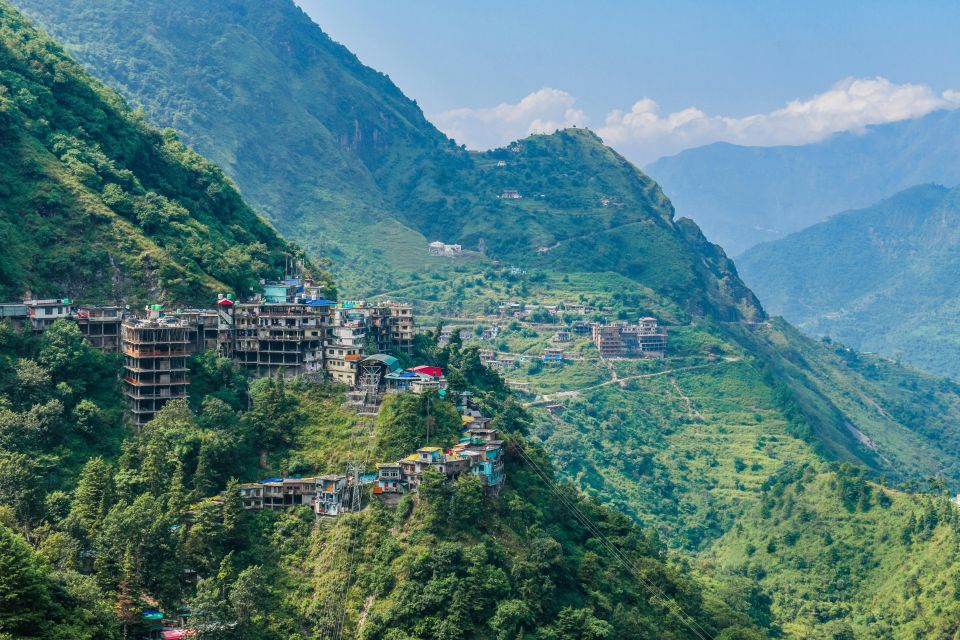
Rishikesh isn’t just about sightseeing. It’s about the ongoing presence of yoga and meditation culture, and your itinerary reflects that through ashrams and temple areas.
Stops include Swarg Ashram and looks around yoga classes happening at ashrams. You might not sit for a full class every time, but you get enough time to sense how the place runs—students, teachers, routines, and visitors all sharing the same streets.
If you like your travel to feel human-scale, ashrams are a good match. You get that sense of people working on themselves instead of rushing through a checklist.
Geeta Bhawan and Geeta Press: Religion on Paper
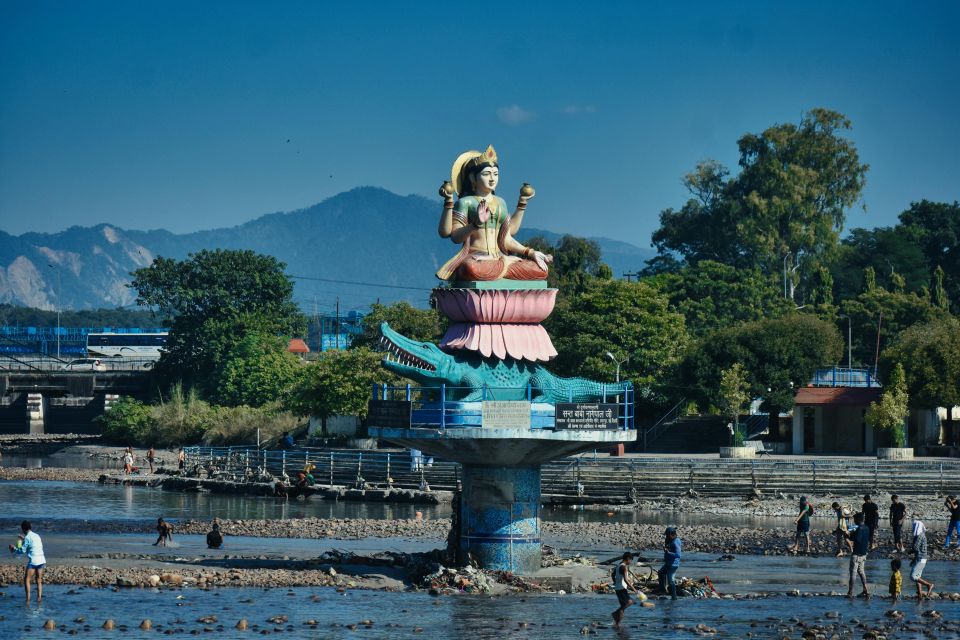
One of the standout culture stops is Gita Bhawan / Geeta Press. It’s described as world famous for its religious books, and this is where Rishikesh’s spirituality becomes tangible.
I like this kind of stop because it’s not only sights and chants. It gives you a way to understand how ideas travel across time—through texts people keep returning to.
Even if you don’t buy anything, it’s a useful moment to connect the dots between temples, readings, and daily practice.
Lunch at Chotiwala: A Practical Break That Tastes Like Place
For lunch, the tour includes a stop at Chotiwala. It’s positioned as a unique restaurant option within the day’s sightseeing block, so you’re not stuck searching for food while hungry.
This matters because temple days can mess up your timing. A planned lunch stop helps you keep energy steady for the evening prayer.
Parmarth Niketan Evening Prayer: Music, Crowds, and Calm Energy
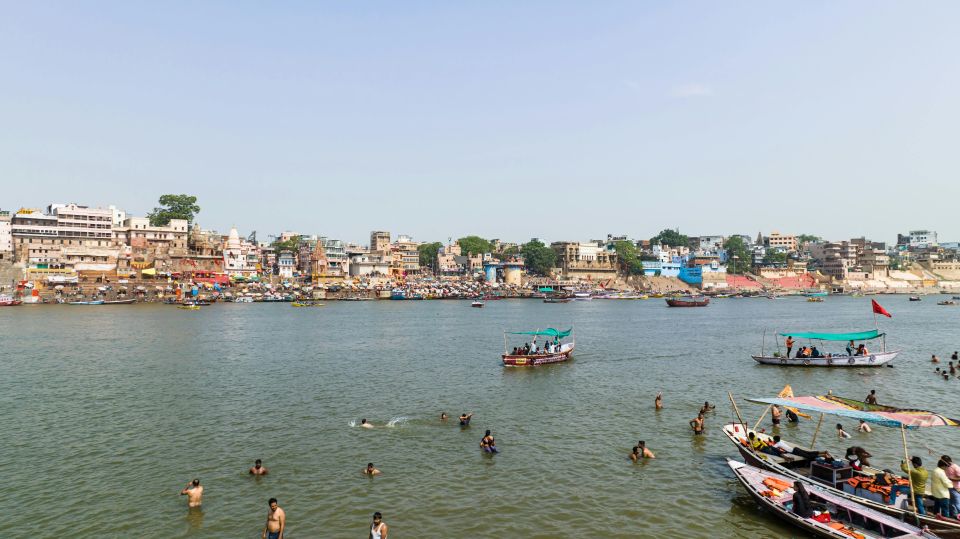
Before sunset, the itinerary heads toward Parmarth Niketan, a famous ashram for evening prayer on the Ganges. A key detail here is the performance: you can watch musical performances by foreigner and Indian singers and musicians during the ceremony.
That combination is part of why this evening feels special. It keeps the event from being only traditional ritual; it also shows how modern audiences and visitors join in.
After the ceremony, you return to your hotel for the night. This is a strong pacing choice because you’re not trying to squeeze more heavy travel after a crowd-filled riverside moment.
Day 3 in Rishikesh: River Walk or Yoga Session
Day 3 is lighter by design. You have leisure time, including the option to walk by the river or enjoy a yoga session at your hotel if you want it.
This free time is valuable because it lets you process what you just saw. If Haridwar was emotional and loud, this gives you space to reset with quieter senses.
Later, you’re transferred back to Delhi airport for your next flight. In three days, it’s a complete loop: arrival stress, spiritual highlights, then a calm landing.
Private Cab and English Driver: What You Gain (and What Can Go Wrong)
The tour includes a cab with a driver for sightseeing and transfers, plus it notes the driver is English. It’s also a private group, which usually means less waiting and more direct movement between stops.
In positive feedback, the driver and guide were described as prompt and helpful, and guide Sunny was specifically praised for explaining the significance of what was being visited. That kind of explanation changes how you experience temples—you stop treating them like scenery and start seeing the meaning behind them.
However, the experience doesn’t look identical every time. One booking reported a driver who barely spoke English and struggled to know the places on the itinerary. That’s a real consideration, especially if you want smooth, guided context all day.
My practical advice: if English support matters to you, confirm your guide/driver arrangement clearly before departure, and be ready with basic place names in case communication gets rough.
Price and Value: Is $190 a Fair Deal?
At $190 per person for a 3-day private Delhi–Haridwar–Rishikesh loop, the value depends on what you want from the trip.
You’re paying for three things:
- Transportation (private cab, transfers, and airport return)
- Time saved (you’re not coordinating routes between towns)
- Guided context (where available and consistent, explanations can make stops land better)
If you’re traveling with a small group and want a driver handling logistics, this price can feel reasonable. If you expected very strong English-speaking guidance every day, you should treat it as a potential variable because at least one booking had major communication issues.
Bottom line: the price is fair for a comfort-first plan. It’s less ideal if your top priority is expert commentary every hour.
Who This Tour Fits Best (And Who Should Skip It)
This tour fits well if you want an easy, structured way to see two of India’s most spiritual destinations. I’d especially recommend it for people who:
- love Ganges rituals and want a front-row evening experience
- enjoy yoga culture and ashram atmosphere
- prefer private transport over public buses and timed connections
It’s also a good match if you can handle crowds and walking around temple sites. The itinerary is active enough that you should plan for stairs, uneven temple paths, and jammed riverside evenings.
It’s not suitable for pregnant women, based on the tour’s own information. If you have mobility limits or need minimal walking, you may want to consider a more flexible alternative and ask about step counts and temple routes.
Things To Pack and Know Before You Go
You’ll be asked to bring a valid passport or ID card.
The tour also states that alcohol and drugs are not allowed. Keep that in mind because it affects how you pack and how you plan evenings near the hotel area.
Hotels must be booked in advance. The itinerary mentions that explicitly, and in practice it matters: the difference between a smooth trip and a last-minute scramble often comes down to hotel readiness.
Should You Book This Haridwar and Rishikesh Tour?
I’d book it if you want a simple, private route that hits the biggest spiritual moments in the right order. The Har Ki Pauri evening and the Parmarth Niketan prayer are the two anchors that make this trip feel like more than just sightseeing.
I wouldn’t treat it as perfect on autopilot. One negative account included weak English communication and confusion about stops, so you should confirm your guide/driver setup and keep expectations grounded.
If you show up ready for temples, crowds, and a spiritually focused pace, you’ll likely find this 3-day plan satisfying—and surprisingly easy to enjoy without stress.
FAQ
What’s the duration of the Haridwar and Rishikesh tour from Delhi?
It runs for 3 days, covering travel from Delhi to Haridwar, then to Rishikesh, and returning to Delhi on the final day.
How long is the drive from Delhi to Haridwar?
The transfer takes around 5 hours and covers about 230 km.
How far is Haridwar from Rishikesh?
Rishikesh is about half an hour away from Haridwar.
Does the tour include an English-speaking driver?
Yes. The tour notes the driver is English, and it also runs as a private group.
What do we do in Haridwar on the first day?
You visit temples in the afternoon, including Mansa Devi, and then attend the evening prayer ceremony at Har Ki Pauri.
What religious sites and stops are included in Rishikesh?
You’ll visit places such as Lakshman Jhula, Ram Jhula, thirteen step temple, Swarg Ashram, Geeta Bhawan / Geeta Press, and you’ll attend the evening prayer at Parmarth Niketan.
Is the tour suitable for pregnant women?
No. The tour states it is not suitable for pregnant women.