REVIEW · KATHMANDU
Annapurna base camp -9 days
Book on Viator →Operated by NEPAL LION TOURS AND TREKS PVT LTD · Bookable on Viator
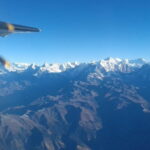
Sunrise here feels earned. This 9-day Annapurna Base Camp trek strings together Gurung and Magar villages with the big payoff of the Annapurna Sanctuary. I love the way the route keeps your eyes moving—Poon Hill viewpoints early on, then Annapurna’s high drama near the end.
One thing to consider: altitude can feel serious by the time you reach the higher sanctuary areas, so moderate fitness and smart pacing matter.
You’ll also appreciate the practical side: a licensed English-speaking guide, permits handled, meals and lodging on the trek, plus airport transfers and Kathmandu–Pokhara transport built into the plan.
In This Review
- Key points worth knowing
- Annapurna Base Camp in nine days: what this route gives you
- The logistics that make or break a trek (and how this one handles it)
- Kathmandu to the trail: Day 1 and the Poon Hill payoff
- Phedi to Dhampus to Landrung: Day 2’s forest villages and Day 3’s village rhythm
- Chhomrong to the rhododendron-to-river feel: Day 4’s Seti Gandaki area
- Machhapuchchhre Base Camp and the sacred rules: Day 5’s spiritual valley walk
- The Annapurna Sanctuary itself: Day 6 to Annapurna Base Camp
- Sunrise then descent along Modi Khola: Day 7 to Bamboo Hut
- Day 8’s uphill effort and the natural hot springs finale
- Day 9: Nayapul, Pokhara return drive, and resetting
- Guides, names, and the human side that people remember
- Price and value: what $693.34 covers, and what to budget on top
- Who this trek suits best (and who should reconsider)
- Should you book this Annapurna Base Camp – 9 days trek?
- FAQ
- What is the duration of the Annapurna Base Camp trek?
- Where does the trek start and what time?
- What is included in the trek package?
- Are meals included?
- Is the guide English-speaking?
- Do I need to arrange permits?
- Is a porter included in the price?
- Is Kathmandu accommodation included?
- Is international airfare and visa included?
- Can I cancel for a full refund?
Key points worth knowing
- Two famous view days: Poon Hill at the start and an early wake-up for Annapurna Sanctuary sunrise
- Village culture on the trail: Gurung and Magar settlements in your walking rhythm
- Practical gear support: a down jacket and sleeping bag you return after the trek
- Meals and nights included: 9 breakfasts, lunches, and dinners plus 9 nights accommodation
- Machhapuchchhre Base Camp rules: a sacred zone where meat and fish aren’t allowed
- A satisfying finish: descent to Nayapul and a drive back to Pokhara, with hot springs as an option day
Annapurna Base Camp in nine days: what this route gives you
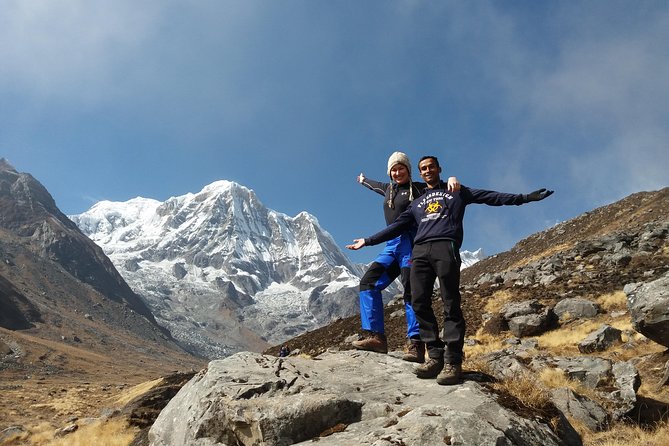
Annapurna Base Camp (ABC) is one of those treks that sells itself for a reason. You don’t just chase a summit view—you walk through culture, forests, riverside valleys, and then step into a high, stark amphitheater feel around the sanctuary. This particular 9-day plan is built to keep moving daily without turning the schedule into a suffering contest.
I like that the itinerary is not only about reaching base camp. It includes a classic warm-up with Poon Hill, then builds gradually toward higher terrain. You also get a culturally textured walk through Gurung and Magar areas, which makes the trek feel less like a long hike through scenery and more like time in a real living region.
The trade-off with any ABC-style trek is that you’re dealing with altitude. Even if daily hiking hours look moderate on paper, the air thins as the days progress, and you’ll want to listen to your body.
You can also read our reviews of more tours and experiences in Kathmandu.
The logistics that make or break a trek (and how this one handles it)
Trekking in Nepal is easier when your boring details are taken care of. Here, you get airport pickup and drop by private vehicle, and you’re transported between Kathmandu and Pokhara by tourist bus (with flights optional at extra cost). You also get an English-speaking trekking guide, plus permits and paperwork handled for you.
What I especially appreciate is the structure around gear and comfort. The package includes a down jacket and sleeping bag that you return after the trek. That matters because cold nights can sneak up on you, and it’s costly to rent or buy gear if you’re not set up already.
One more practical note: your guide carries a first aid medical kit during the trip. That doesn’t replace good health habits, but it’s a real safety layer when you’re far from hospitals.
Kathmandu to the trail: Day 1 and the Poon Hill payoff
Your trip starts at Tribhuwan Airport in Kathmandu, with a 6:30 am start time. The plan includes airport transfer to a hotel, but the trekking portion kicks off according to the trip’s schedule (so think of Day 1 as the first true on-route day).
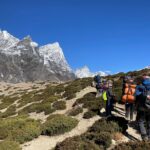
Day 1 focuses on Poon Hill, a viewpoint trek that’s famous for big mountain views at sunrise or near-sunrise conditions (timing can vary with weather). The goal here is simple: help you settle into trekking rhythm while rewarding you early with panoramic Himalayan scenery.
What you’ll likely notice on this day is how quickly the scenery changes with elevation and how fast your legs learn the local pace. The included admission ticket suggests you’re using key access points rather than guessing your way around.
The main drawback of a viewpoint start: you may feel a bit more eager (and slightly more rushed) than you expect. If you tend to go fast early, this is a good day to practice steady effort.
Phedi to Dhampus to Landrung: Day 2’s forest villages and Day 3’s village rhythm
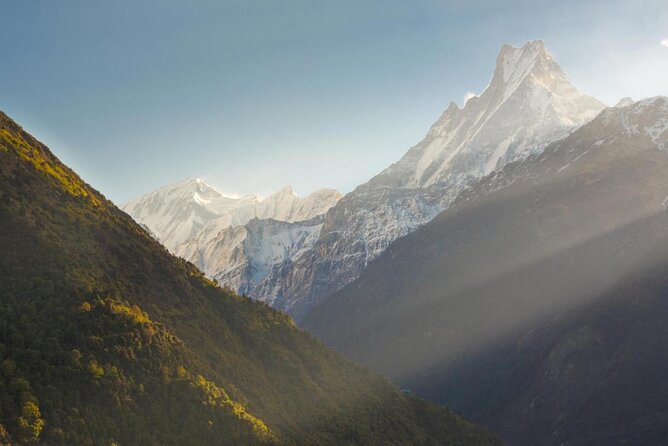
Day 2 begins with a drive to Phedi from Pokhara. From there, you start trekking to Dhampus, a Gurung village area known for views of Himchuli, Annapurna South, and Mt Fishtail (Machhapuchchhre). This is a sweet spot on the route because you’re already getting mountain presence without being fully committed to high altitude trekking yet.
Day 2 is listed at about 4 hours, and it’s a nice way to keep energy for the days ahead. I like this pacing for ABC trekkers because it reduces the chance you’ll start too strong and then pay for it later.
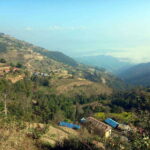
Day 3 continues along the trail through oak forest and terraced landscapes, moving down toward Landrung, then onward to Jhinudanda. Landrung is described as a charming village with Gurung, Magar, and Brahmin communities. That mix tends to create a lively feel—different home styles, different village rhythms, and plenty of small local moments while you hike.
At about 5 hours, Day 3 is long enough to feel like a real trekking day, but not so long that it forces you into a survival mode. Still, if you’re prone to shin fatigue, the downhill sections can feel sneaky.
Chhomrong to the rhododendron-to-river feel: Day 4’s Seti Gandaki area
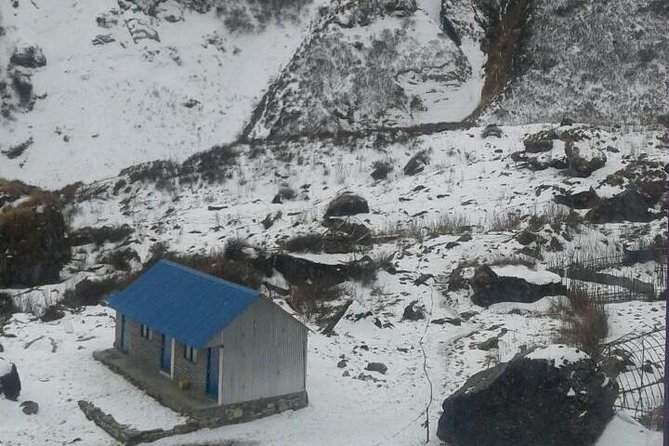
Day 4 brings you through a stretch that goes from forest transitions to river valley walking. After Chhomrong Cottage, the route crosses a bridge, climbs up toward Sinuwa Danda, and moves along a traversing trail through thick rhododendron forest toward Khuldighar.
This is one of those days where the trekking quality comes from variety. You get forest shade and slower, careful footing, then you gain a different kind of valley perspective as you move through stone and steep sections. The itinerary notes a “long and vertical” stone step section, which is exactly the kind of challenge that rewards good trekking shoes and trekking poles if you use them.
The stop theme is “Seti Gandaki (Seti River)”—meaning you’re tracing the landscape through water routes. That matters because many ABC treks rise and fall as river basins guide the trail. If you like scenery that feels alive and changing, Day 4 delivers.
Machhapuchchhre Base Camp and the sacred rules: Day 5’s spiritual valley walk
Day 5 targets Machhapuchchhare Base Camp, reachable in about 6 hours. The route follows the banks of the river Madi through a sacred valley. One detail I genuinely value here: the area has rules that no meat or fish is allowed. That reflects local beliefs tied to reverence for the mountains, and it also shapes the feel of the lodges and dining along the way.
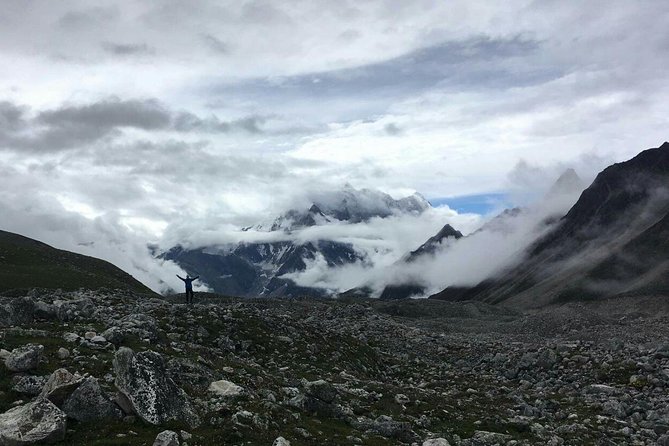
You’ll also pass bamboo trees and move through a landscape that starts to feel less like farmland and more like high-mountain passage. As you climb, you’ll probably notice the air getting drier and the vegetation becoming more limited.
The potential drawback on Day 5 is the emotional “in between” feeling. You’re not at ABC yet, but you’re starting to lose the comfort of lush greenery. If you get impatient, you might want to remind yourself that this day is part of earning the sanctuary.
The Annapurna Sanctuary itself: Day 6 to Annapurna Base Camp
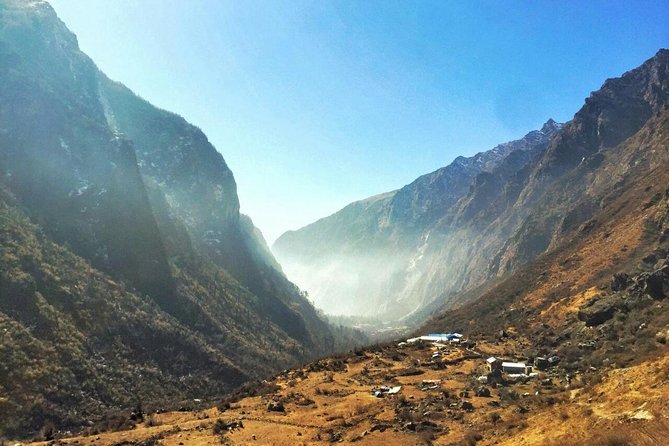
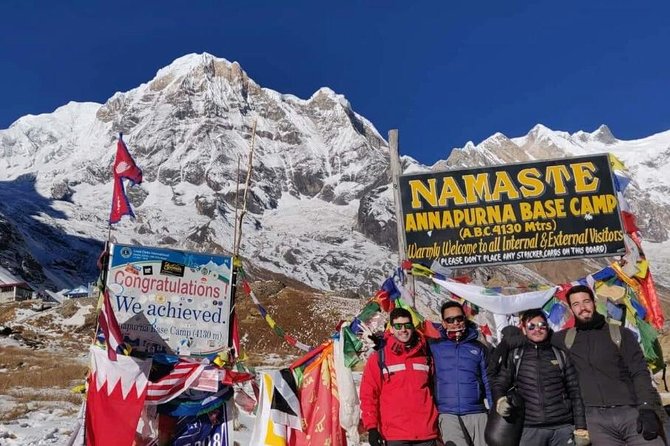
Day 6 is the big arrival day, about 5 hours to reach Annapurna Base Camp Trek (from Machhapuchchhre Base Camp). The itinerary describes leaving vegetation and trees behind and entering a desert-like wilderness: the Annapurna Sanctuary, surrounded by towering peaks.
This is the day where the trek stops feeling like a set of villages and starts feeling like a high-altitude amphitheater. Even if you’re not chasing scientific altitude details, you’ll feel the air. Walk slower than you think you need to. Drink water steadily. Eat what you can, even if hunger comes and goes.
And yes, wildlife matters here in a general way. The region is known for the possibility of rare animals in certain habitats, including snow leopards and blue sheep, plus bird life like Impeyan and blood pheasant. You shouldn’t count on spotting them on any given day, but it’s good context: you’re walking through an ecosystem people travel specifically to understand.
Day 6 is a “arrive and take it in” day. If you push too hard for photos, you might regret it later. Let your body adjust.
Sunrise then descent along Modi Khola: Day 7 to Bamboo Hut
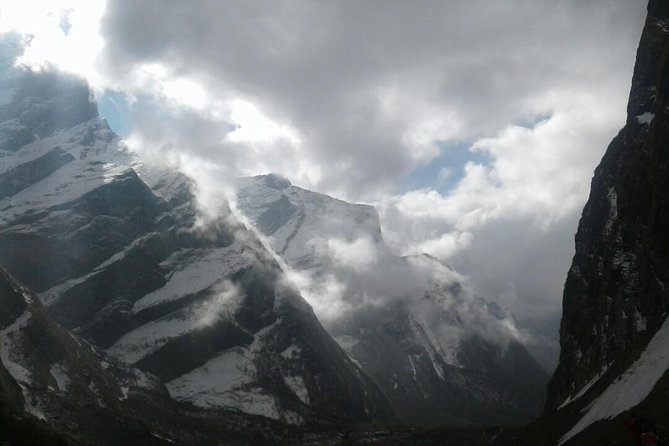
Day 7 is a clear favorite on this kind of itinerary because it starts early. You get an early wake-up call for sunrise views over the Annapurna Sanctuary, then you begin descent following the Modi Khola River to Bamboo Hut (about 6 hours).
I like sunrise on treks for one reason: it forces you to slow down. The light changes fast, but your pace doesn’t have to be frantic. You’ll see peaks in a new way when clouds shift and shadows move.
The descent is also where your body tells the truth about how you handled Day 6. Downhill can be easier on oxygen, but harder on knees and ankles. If you have any concerns with leg impact, this is exactly the day to use trekking poles if you have them.
Day 8’s uphill effort and the natural hot springs finale
Day 8 mixes effort and comfort. You start with an uphill trek toward Sinewa, then descend to meet the Chhomrong Khola River. After another ascent to Chhomrong, the day ends with a final descent to Jhinu (about 6 hours).
The highlight mentioned here is the chance to visit the natural hot springs at Jhinu. After days of cold nights and trekking-dry skin, a soak can make the whole trek feel like it wraps with a bow. You’ll still be tired, but it’s a good tired.
One practical consideration: hot springs can be a morale boost, but they can also make you want to linger. Don’t let the soak turn into a late schedule that drains you for the final day.
Day 9: Nayapul, Pokhara return drive, and resetting
Day 9 finishes the trekking part with an easy descent to the banks of the Modi Khola River and onward to Nayapul (about 5 hours). From there, you take a private car back to Pokhara—around 1.5 hours—then you’re transferred onward to your next step in the journey (the package notes a hot shower and lodging experience after trekking, but doesn’t spell out the exact Kathmandu hotel details).
This last day is where you start feeling the long-term benefits: better fitness, stronger legs, and the kind of quiet confidence you get after completing a route with real elevation.
If you’re the type who hates goodbyes, Day 9 can feel a little anticlimactic compared to ABC. The trick is to treat it as closure: enjoy the final walk, then let your body recover.
Guides, names, and the human side that people remember
The most consistent praise in feedback is not about views alone. People call out the guide experience as the reason the trek runs smoothly and feels friendly instead of mechanical.
Some named guide and porter combos include Sona, Shiva, Binod (guide), and Rajendra and Bikash (porters). That pattern matters. When a trekking company keeps a strong team and lets guide and porter relationships form, you’re more likely to get sensible pacing, good guesthouse choices, and helpful adjustments when plans shift.
You’ll also see how guides respond to reality. One review highlights itinerary flexibility to match travel plans, including adjusting the trek length and adding time for a hot springs night. That’s exactly the kind of flexibility that can save your trip if weather or transport schedules force a change.
Also, food and lodge comfort pop up in feedback. People mention good food in teahouses and guesthouses that felt clean, comfortable, and safe. That’s a big deal on an ABC trek because the food is how you manage energy at altitude.
Price and value: what $693.34 covers, and what to budget on top
The price is listed as $693.34 per person for the 9-day package. For ABC treks, that’s the kind of number that makes you ask: what’s included, really?
Here’s what’s covered:
- Airport pickup and drop by private vehicle
- Kathmandu to Pokhara and back by tourist bus (optional flight costs extra)
- A licensed English-speaking trekking guide
- Food and lodging on the trek: 9 breakfasts, 9 lunches, and 9 dinners, plus 9 nights accommodation
- Permits and paperwork
- Insurance of the guide and logistics support (guide food/accommodation/insurance during the trip)
- First aid kit carried by the guide
- A welcome or farewell dinner in Kathmandu
- Down jacket and sleeping bag provided, returnable after the trek
- Mobile ticket
What’s not included (and where budgeting matters):
- International airfare and visa charges
- Your travel and medical insurance
- Food and accommodation in Kathmandu
- Emergency expenses like a charter helicopter
- Tips for guides and porters
- Porter service cost: $220 per person
That last line matters. If you want a porter (and for ABC, many people do), you should plan for that extra $220. Also remember tips aren’t included, so leave some room for that.
So is this good value? For many hikers, yes—because meals, lodging, permits, and a guide are often the expensive pieces. The value gets even better if you don’t want to handle logistics on your own and you prefer a guide who manages pacing and daily routing.
Who this trek suits best (and who should reconsider)
This plan is a solid match if you:
- Want a guided ABC trek with permits and paperwork handled
- Prefer villages and forest sections as part of the journey, not only base-camp chasing
- Like having daily structure: steady trekking days, meals included, and clear end points
- Appreciate the idea of supported gear with a down jacket and sleeping bag provided
It might be less ideal if you:
- Want total freedom to choose your exact route each day
- Have no flexibility at all if weather affects details
- Are very sensitive to altitude and need a slower acclimatization approach than a standard 9-day pacing
Should you book this Annapurna Base Camp – 9 days trek?
If your goal is classic ABC with a sensible mix of viewpoints and culture, this package looks like a strong deal. The big plus is the combination of day-to-day support and logistics that don’t leave you scrambling. You also get recognized mountain highlights early and late: Poon Hill, then Machhapuchchhre Base Camp, then Annapurna Sanctuary and base camp itself, followed by Jhinu hot springs.
I’d book if you want a reliable plan, don’t mind trekking hours that add up, and you’re prepared to budget for a porter if that helps your comfort. I’d hesitate if you want only the shortest, easiest route or you’re not comfortable managing altitude effects.
One practical checklist before you commit: confirm your Kathmandu dates (since Kathmandu food/lodging isn’t included), decide whether you’ll take a porter, and plan your personal tips and insurance. Do that, and you’ll be free to focus on what matters—views, walking, and feeling that big mountain moment at the sanctuary.
FAQ
What is the duration of the Annapurna Base Camp trek?
The tour duration is 9 days.
Where does the trek start and what time?
It starts at Tribhuwan Airport in Kathmandu, Nepal, with a start time of 6:30 am.
What is included in the trek package?
The package includes private airport pickup and drop, Kathmandu–Pokhara transport (tourist bus, with flights optional at extra cost), a licensed English-speaking trekking guide, food and accommodation during the trek, permits and paperwork, a first aid medical kit carried by the guide, a welcome or farewell dinner in Kathmandu, and down jacket and sleeping bag returnable after the trek.
Are meals included?
Yes. It includes 9 breakfasts, 9 lunches, and 9 dinners.
Is the guide English-speaking?
Yes. The guide is listed as licensed English speaking.
Do I need to arrange permits?
No. All required permits and paperworks are included.
Is a porter included in the price?
No. Porter cost is listed as $220 per person.
Is Kathmandu accommodation included?
No. Food and accommodation in Kathmandu are not included.
Is international airfare and visa included?
No. International airfare and visa charges are not included.
Can I cancel for a full refund?
Yes. Free cancellation is available if you cancel up to 24 hours in advance of the experience start time for a full refund.