REVIEW · NEPAL
3 Nights 4 Days Chitwan National Park with Tower Night Stay
Book on GetYourGuide →Operated by Welcome Nepal Treks P.Ltd · Bookable on GetYourGuide
Four days in Chitwan feels off-grid. You’ll do a classic wildlife loop—canoe on the Rapti River, a jeep safari, and a night in a wooden tower inside the park—plus Tharu culture on top.
I love the way the itinerary gives you both quiet nature time and real safari time, not just one or the other. I also like the tower night stay because it changes how you experience the jungle—sounds, darkness, and all those small animal moments.
One possible drawback is expectations around big-cat sightings and safari length. The jeep safari can feel short, and conditions like rain can limit what you see during that first tower night.
In This Review
- Key highlights worth your attention
- Why Chitwan’s wooden tower night is the main event
- Day 1: From Kathmandu or Pokhara to Rapti River sunsets and Tharu dance
- Day 2: Canoe on the Rapti, bird watching, then one night in the park
- Day 3: Jeep safari after a light breakfast plus the crocodile breeding stop
- The tiger question: what you’re likely to see, and how to plan around uncertainty
- Value check: what you get for about $424 per person
- Accommodation reality: resort comfort vs. real jungle simplicity
- Getting there and back: bus time and small-group comfort (up to 15)
- What to bring (and what to wear) so the jungle days feel easy
- Who should book this Chitwan tower stay, and who should pass
- Should you book this 3 nights/4 days Chitwan tour with tower night?
- FAQ
- How many nights are included, and how many are in the jungle tower?
- What wildlife experiences are included in the package?
- Do you visit the Tharu village and is there a cultural program?
- Is the guide available in English?
- How big is the group?
- How do transfers work from Kathmandu or Pokhara?
- What meals are included?
- What should I bring, and is safari clothing provided?
Key highlights worth your attention
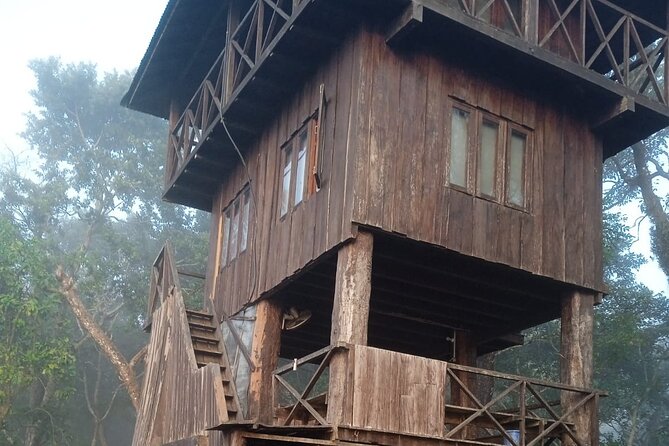
- A wooden tower inside Chitwan for one night, with a packed jungle dinner and an actual change of pace after sunset
- Canoe safari on the Rapti River plus bird watching and a slow jungle walk
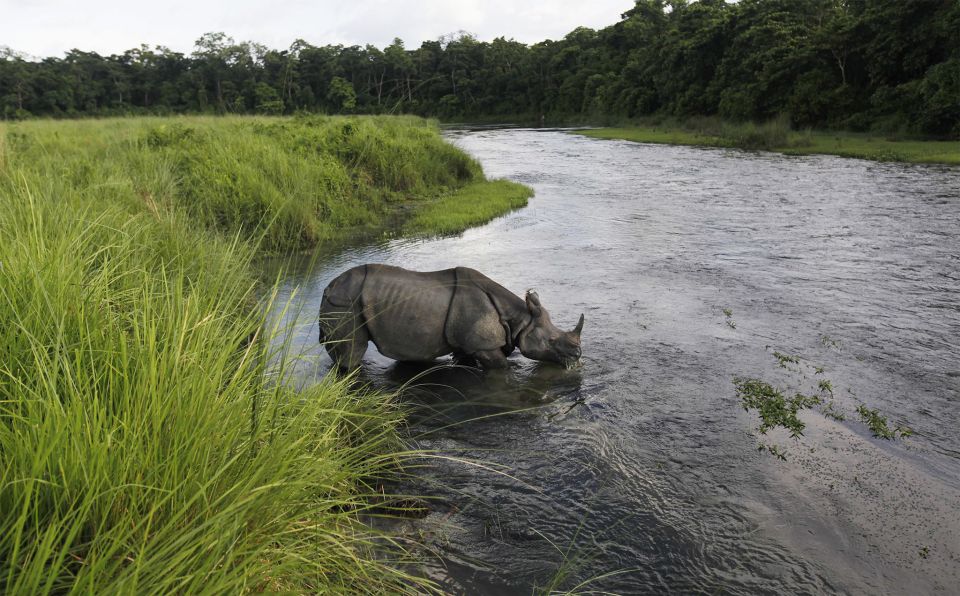
- One-horned rhinoceros and crocodiles are the wildlife you’ll most reliably think about here
- Tharu village time and a dance program that connects culture to the landscape people live in
- Small group size (up to 15), which tends to mean fewer long waits and easier guide attention
- English-speaking guide and nature guide support during the safari activities
Why Chitwan’s wooden tower night is the main event
This is the part that makes the trip feel different from a standard day tour. After you’ve done river and walking time, you move into a wooden tower located inside Chitwan National Park for the night. The switch is real: fewer people around, more night sounds, and a feeling of being “in it” instead of just passing through.
You’ll typically get to explore the tower area after you arrive, and there’s time to watch the sunset from the jungle. Dinner is served as a packed meal inside the jungle, so you’re not running back and forth. One traveler described their tower night as exciting, with the room staying clean and comfortable enough to sleep well—important, because you’ll want rest for the next day.
Weather can affect sightings. If rain hits during arrival or early in the evening, you might get fewer animals at a distance. Still, you can usually count on the jungle delivering something—birds calling, the sound of movement, and the sense that night is active even when you can’t immediately spot what’s moving.
You can also read our reviews of more tours and experiences in Nepal.
Day 1: From Kathmandu or Pokhara to Rapti River sunsets and Tharu dance
Day 1 starts with an early pick-up from your hotel, then a drive to Chitwan by air-conditioned tourist bus. The trip takes a long chunk of the day—one participant clocked about 6–7 hours from Kathmandu—so it’s not the “quick escape” style of travel. Plan for comfort: bring a warm layer for the bus and make your first hours low-key.
Once you arrive, you check in to your accommodation, eat lunch, and then get time to explore local areas and learn about Tharu lifestyle. Later, you’ll head for a sunset view from the bank of the Rapti River. That’s a good moment to slow down—Chitwan’s wildlife focus can make people rush, and the river gives you a calmer rhythm.
In the evening you get a cultural program with a Tharu dance show, followed by dinner and overnight stay at the resort. If you care about understanding Nepal beyond “see animals, move on,” this is the day that quietly does the job. You’re not just visiting a park; you’re learning what the local community life looks like around it.
Day 2: Canoe on the Rapti, bird watching, then one night in the park
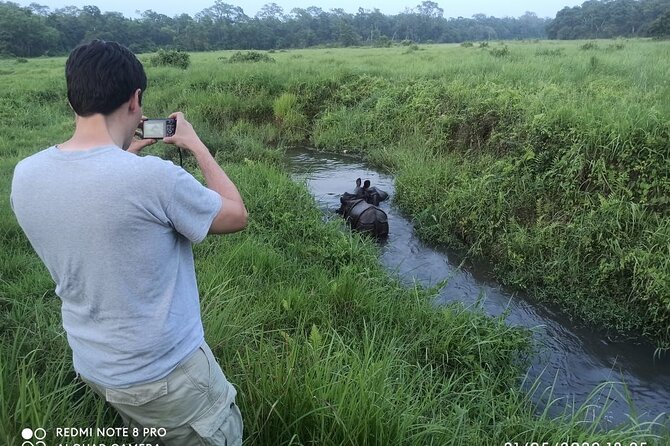
Day 2 is the activity-heavy day, but it’s paced well: you start early, then move through nature experiences in a smart order. After breakfast, you head out for canoeing along the Rapti River. This is not a theme-park boat ride. The goal is peaceful water time—good for spotting wildlife signs and for listening.
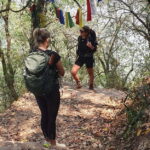
Bird watching fits naturally here, and the guide can tailor it based on what you want to focus on. After the canoe, you’ll also do a jungle walk. This part can be surprisingly fun because it’s active without feeling like you’re doing a hardcore trek. If you’re the type who gets impatient on sitting-and-waiting safaris, the walking component can be a nice balance.
You’ll return and have lunch, then the itinerary shifts into the main “tower” portion. After lunch you’ll move to the jungle tower inside Chitwan. From there you explore the jungle area around the tower and get another sunset moment—this time from within the park. Then you’ll have a packed dinner inside the jungle and spend the night in the tower.
One practical thing: wear the right shoes. You’ll be on paths and uneven ground at least twice (walking time and tower area time). Comfortable shoes matter more than people think when you’re tired from travel.
Day 3: Jeep safari after a light breakfast plus the crocodile breeding stop
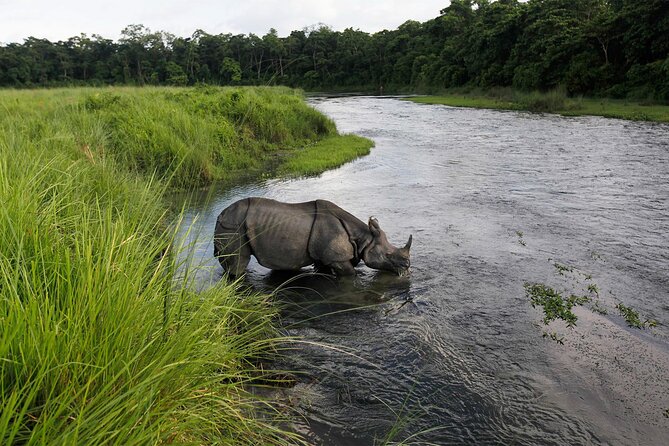
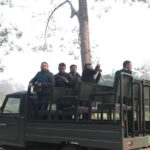
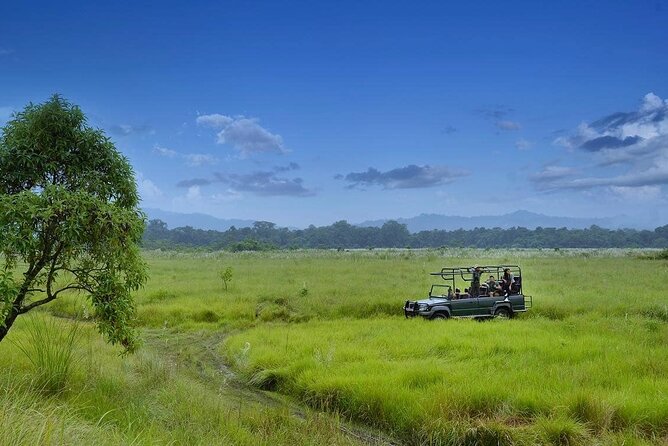
Your Day 3 begins with a light breakfast at 8:00 am at the tower, then you return to the hotel. Around 1 pm, it’s time for the jeep safari inside Chitwan National Park. This is your main “let’s see animals now” window, with a chance to spot wildlife and birds, guided by a nature specialist.
You’ll also visit a crocodile breeding center as part of this day. That stop helps you understand why conservation isn’t just about viewing. It’s also a helpful shift in tone: after hours of chasing animal sightings, you get information and context.
One consideration: a participant noted that the crocodile breeding center was missed entirely. That doesn’t mean it will happen to you, but it’s a good reminder to stay attentive when the group is moving and to ask the guide if that specific stop is included that day.
After the safari, you come back to the resort and get a genuinely free, relaxed stretch. You might take a dip in the pool or explore nearby streets at your own pace. It’s smart downtime—because the tower night and safari can be mentally tiring, even when you’re excited.
The tiger question: what you’re likely to see, and how to plan around uncertainty
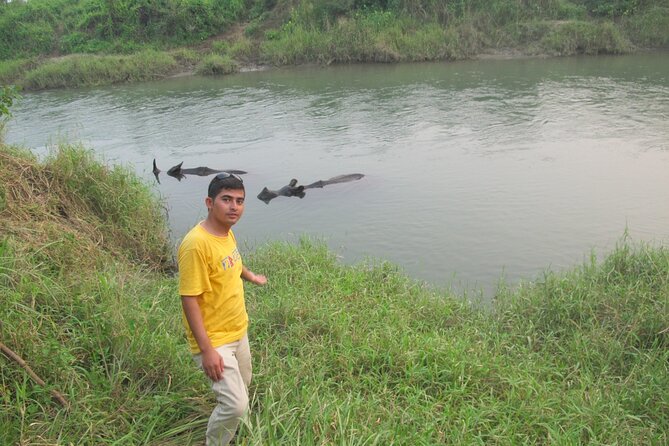
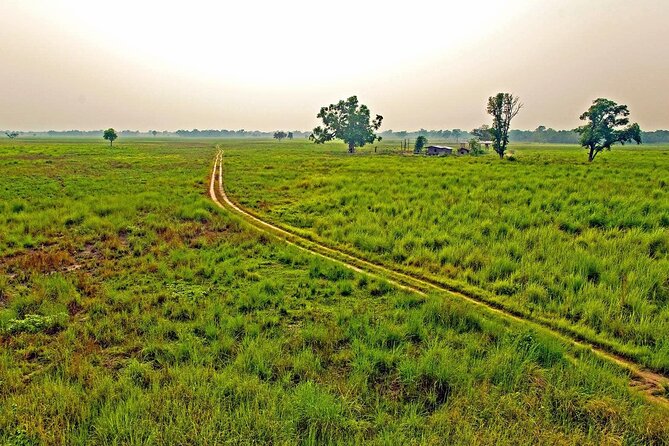
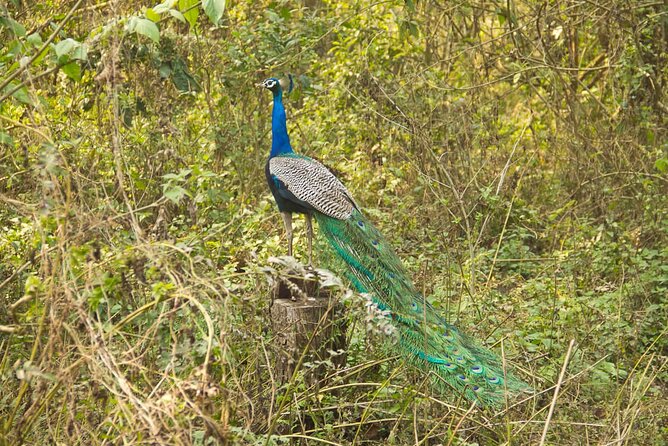
Chitwan is famous for big wildlife. The park is known for rhinoceros (including one-horned rhinos), elephants, and many bird species, and yes—Bengal tigers are part of the larger wildlife story.
But here’s the practical part: sightings are never guaranteed, and safari time matters. One traveler warned not to expect tigers, leopards, or gavials on this kind of schedule, and another noted the jeep safari felt extremely short—around 2.5 hours in the park for their timing. That means you shouldn’t treat the trip like a guaranteed checklist.
Where Chitwan tends to deliver more consistently is the “close enough to feel it” animals and signs: rhinos, crocodiles, deer, and lots of birds. Multiple people described seeing rhinos up close, plus crocodiles, deer, and many birds. One participant even said they heard and saw a tiger briefly, but it was quick.
My advice: go in for the full experience—river, birding, walking, and the tower night—so you’re happy even when the “big moment” comes as a short flash rather than a long show. If you’re chasing a specific species above all else, you’ll likely feel the disappointment faster.
You can also read our reviews of more tours and experiences in Nepal
Value check: what you get for about $424 per person
At $424 per person for 4 days, the value depends on what you compare it to. This package includes a lot that would usually cost extra if you booked parts separately.
Here’s what’s covered:
- Meals: Lunch x3, breakfast x3, dinner x3
- Transport: air-conditioned tourist bus from Kathmandu or Pokhara, plus pickup/drop between hotel and bus stand by private vehicle
- Park access: Chitwan National Park fee, plus entry/admission to the Chitwan Tharu village
- Activities: jeep safari, canoe ride on the Rapti River, jungle walking and bird watching with a nature guide
- Lodging: 2 nights in a deluxe room and 1 night in a jungle tower
- Taxes and service charges
What’s not included: personal expenses, alcoholic and non-alcoholic beverages (like bottled drinks), and safari clothing (dark colors like leaf green, brown, or grey are suggested). That matters because buying drinks and snacks outside can add up fast in rural areas.
So is $424 “cheap”? Not exactly. But when you price out park fees, guided activities, meals, and the unusual tower night, it starts looking more reasonable. You’re paying for guided time, safety, and access—not just for a bed.
Accommodation reality: resort comfort vs. real jungle simplicity
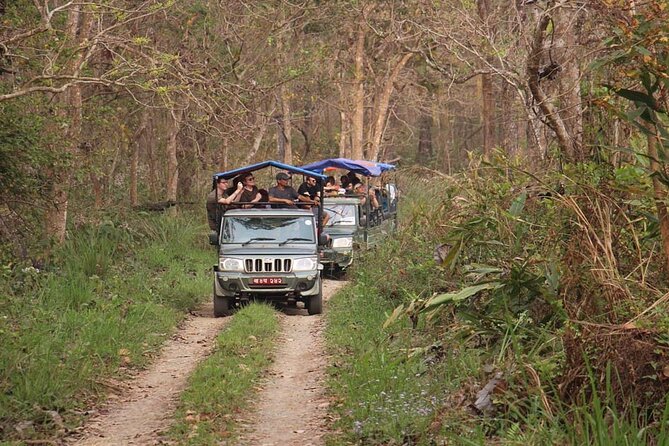
You’ll sleep two nights in a deluxe room and one night in the tower. Some people call the resort not fully “luxury,” but they still describe it as well-kept and nicer than expected for a rural setting. One traveler said their tower room had a bathroom and comfortable beds, and they found it clean.
There are also honest flags. One participant complained the accommodations weren’t what was advertised as luxury, and they reported a room they felt wasn’t aligned with the photos until they switched to a bungalow. That means you should mentally treat this as “comfortable in a good location” rather than “five-star hotel vibes.”
A smart approach: focus on the tower night as the signature upgrade. That’s the part you can’t easily replace in a DIY trip. The resort is your base for meals and recovery, and most of the time it does that job well—clean, staffed, and organized.
Getting there and back: bus time and small-group comfort (up to 15)
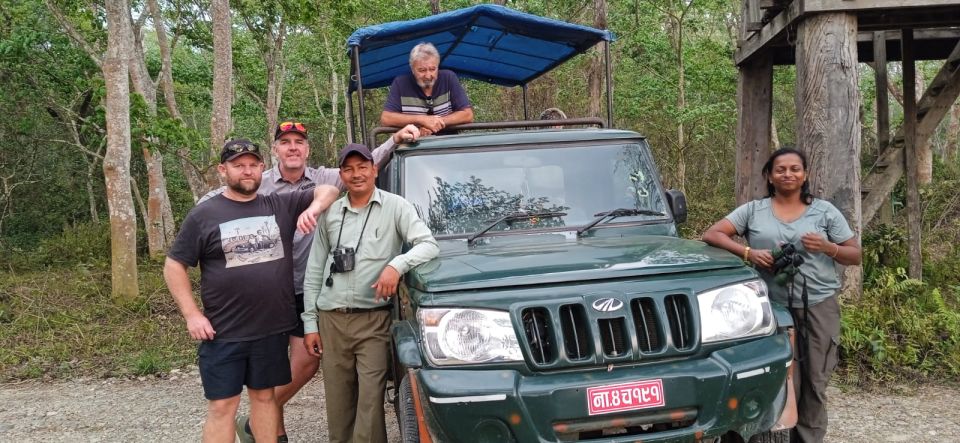
This tour uses a small group capped at 15 participants. That matters more than it sounds. With fewer people, you spend less time waiting around and you get easier guide attention during walking, birding, and coordinating jeep departures.
Transfers are included: hotel to bus stand and bus stand to hotel by private vehicle, plus the Kathmandu/Pokhara to Chitwan segment by air-conditioned tourist bus. One participant found the outbound bus excellent with comfortable seats, water provided, and even wifi. That’s great if you get the same standard.
The return can be a different story. Another traveler reported the return bus was older, with no water and no wifi, and they weren’t treated as kindly. So bring your own essentials mindset: plan to have your own water and snacks option, and download offline entertainment ahead of time.
Also, you should be ready for a long day of road travel. It’s part of the deal with Chitwan from Kathmandu/Pokhara.
What to bring (and what to wear) so the jungle days feel easy
The basics are straightforward:
- Passport or ID card
- Comfortable shoes
For safari clothing, the package notes you’ll want dark colors like leaf green, brown, or grey. Since that’s not included, pack it if you have it. Also, remember you’ll do both walking and jeep time, so you’ll want clothes that are comfortable in warm conditions and not your fanciest outfit.
If rain happens (it can), a light rain layer becomes useful. One person reported that rain during arrival reduced animal sightings from what they expected. You can’t control the weather, but you can control whether you’re miserable in it.
Who should book this Chitwan tower stay, and who should pass
This is a strong fit if you want:
- Wildlife time that includes canoe + walking + jeep, not just one mode
- A meaningful cultural add-on through Tharu village entry and dance program
- One night inside Chitwan in a wooden tower, which is a real memory-maker
- An English-speaking guide and nature guide support
It’s not suitable for people with mobility impairments. That’s worth taking seriously because you’ll have walking time and tower access in a natural setting.
If you’re traveling as a couple, with friends, or solo, the small group size is a nice middle ground. You still get guided experiences, but you don’t feel stuck in a massive crowd.
Should you book this 3 nights/4 days Chitwan tour with tower night?
I think you should book it if you want the full Chitwan feel: river calm, jungle walking, a jeep safari window, and the once-in-a-lifetime feeling of sleeping in a tower inside the park. The price is fair for what’s included—especially the tower night and the guided activities.
I’d hesitate if your top priority is guaranteed tiger or leopard sightings. This package gives you wildlife opportunities, but the safari window can feel short, and weather can affect what you see—so don’t plan around a certainty.
If you like organized days with enough breathing room to enjoy the place, this one works. And if you care about both conservation and local culture, the Tharu village and dance program make the trip more complete than a wildlife-only schedule.
FAQ
How many nights are included, and how many are in the jungle tower?
The package is 3 nights 4 days, with 1 night in the jungle tower and 2 nights in a deluxe room.
What wildlife experiences are included in the package?
You’ll have a jeep safari in Chitwan National Park, canoeing (boating) on the Rapti River, jungle walking, and bird watching.
Do you visit the Tharu village and is there a cultural program?
Yes. Entry/admission to the Chitwan Tharu Village is included, and the itinerary includes a cultural program with a Tharu dance show.
Is the guide available in English?
Yes, the live tour guide is English-speaking.
How big is the group?
The group is small, limited to 15 participants.
How do transfers work from Kathmandu or Pokhara?
You’ll travel by air-conditioned tourist bus between Kathmandu or Pokhara and Chitwan, with hotel-to-bus-stand and bus-stand-to-hotel pickup and drop-off by private vehicle.
What meals are included?
Lunch is included x3, breakfast x3, and dinner x3.
What should I bring, and is safari clothing provided?
Bring your passport or ID card and comfortable shoes. Safari clothes (dark colors) are not included, so plan to bring them yourself.