REVIEW · NEPAL
Kathmandu Local Food Hunt Tour
Book on GetYourGuide →Operated by Himalayan Social Journey · Bookable on GetYourGuide
Kathmandu food tastes better when someone local points. This half-day hunt in the Bagmati Zone strings together street markets, spice shops, and temple stops with real local bites and context from an English-speaking guide. You’re walking through areas where people pray, shop, and snack like it’s part of daily life, not a show.
I love that you’ll try at least 5 dishes and drinks, so it’s not just one small tasting. I also love the flexibility for vegetarians and vegans, since your guide can tailor what you eat if you tell them ahead of time. Mr. Rajan, one guide mentioned in a recent 5/5 review, is praised for taking guests to strong spots to eat.
One consideration: this tour isn’t suitable for people with food allergies, so if that’s you, this may not be the safest choice. Plan to bring your appetite and your questions.
In This Review
- Key highlights to know before you go
- Why This Kathmandu Food Hunt Works So Well in 4.5 Hours
- Start at Your Hotel: Pickup, English Guide, and a Street-Food Game Plan
- Asan Market: How to Read a Market When It’s Packed
- Kathmandu Durbar Square Area: Old Shops, Prayers, and Temple Bells
- The Food Plan: At Least 5 Dishes and Drinks, Not Just One Tasting
- Vegan and Vegetarian Options: Easy Customization If You Speak Up
- Food Allergies: When This Tour Isn’t the Right Fit
- Walking, Temples, and Street Crowds: What You Should Plan For
- Price and Value: Is $55 Worth It?
- Who Should Book This Kathmandu Food Tour (and Why)
- What “Mr. Rajan” Gets Right: Eating Places You Actually Want
- Should You Book the Kathmandu Local Food Hunt Tour?
- FAQ
- How long is the Kathmandu Local Food Hunt Tour?
- What does the tour include?
- Can vegetarians or vegans join this tour?
- Is the tour suitable for people with food allergies?
- How many dishes and drinks will I try?
- Is pickup included from my hotel?
Key highlights to know before you go
- Hotel pickup and drop for an easier start in a traffic-heavy city
- At least 5 dishes and drinks so you actually eat your way through the walk
- Asan market visits plus temple-area stops around Durbar Square
- Vegetarian/vegan friendly with guidance on what can be substituted
- Street food + culture mix—you’ll learn what you’re seeing while you sample
Why This Kathmandu Food Hunt Works So Well in 4.5 Hours
Kathmandu can overwhelm you fast: lanes twist, people move constantly, and street smells are intense—in a good way. This tour gives you a simple plan that keeps you from wandering randomly. In about 4.5 hours, you get a guided loop through places that locals use for eating and shopping.
The big win is the structure around food. You’re not just “passing by” markets. You’re stopping and tasting enough to make the day feel complete, especially because the experience includes at least five dishes and drinks. That’s a smart setup if you only have a half day and want more than one snack.
The other reason it works: temples and market stalls are close together here, so the walk feels like one connected story. You’ll see prayers happening, incense in the air, and old shops selling everyday items—spices, tea, cookies—while you try food along the same route.
You can also read our reviews of more tours and experiences in Nepal.

Start at Your Hotel: Pickup, English Guide, and a Street-Food Game Plan
You’ll be picked up from your hotel and dropped back afterward, which matters more than it sounds. Kathmandu streets can be confusing, and street food works best when you’re not spending half the tour figuring out how to get to the next stop.
You’ll travel with an English-speaking guide, and you’ll be with a private group. That’s helpful for food questions because you can ask directly and get a clear answer. It’s also handy if you want a slower pace or you’re more cautious with what you eat.
Comfort is part of the deal. You’ll be walking, so wear comfortable clothes and comfortable shoes. Add sunscreen if the sun’s out, and keep water in mind even though the tour includes a bottle of drinking water.
One more practical point: the tour is wheelchair accessible per the activity details, and it runs near public transportation. If you need extra space or have mobility concerns, ask your provider what the route is like on the day you book—street food tours can vary based on crowd and vendor access.
Asan Market: How to Read a Market When It’s Packed
One of the most interesting parts of this tour is the visit to Asan, described as the busiest street market area in Kathmandu. Markets like this can feel chaotic if you’re on your own, but on a guided walk, you start to understand the patterns.
Your guide meets you and accompanies you up to Asan, explaining what you’ll see at different levels of the tour. That matters because markets aren’t random: stalls cluster, certain goods attract certain crowds, and the “why” behind what you’re seeing is often the real lesson.
Asan is also a great place to learn the rhythm of street food. You’ll see street vendors and food being prepared and sold in the open. Instead of guessing what’s safe or what’s local, you follow your guide’s reasoning. You’re basically learning a market vocabulary—where people go, what they buy, and how everyday snacks fit into temple-and-shopping life.
Kathmandu Durbar Square Area: Old Shops, Prayers, and Temple Bells
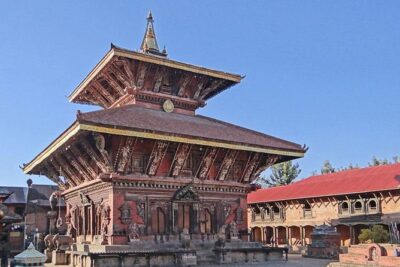
After Asan, the route takes you toward Kathmandu Durbar Square, an area tied to the 16th-century palace of Pratap Singh Malla. Even if you’re not a museum person, this stop gives context because it mixes old architecture with normal, lived-in street activity.
You’ll explore the nearby area and you’ll run into the kind of shops that feel specific to this part of town: stalls selling spices, tea, and cookies. These aren’t fancy souvenirs; they’re everyday goods that help you understand what locals stock and snack on.
The temple atmosphere is a major part of the experience. The tour notes crowd activity where people are praying, along with temple bells and the smell of incense. If you pay attention, you’ll notice the sounds and colors shift around you, even while you’re focused on eating.
A practical tip here: keep your camera ready, but also keep your head up. In crowded temple areas, it’s easy to look down at your plate and forget you’re in the middle of a busy religious space. Dress and behave respectfully.
The Food Plan: At Least 5 Dishes and Drinks, Not Just One Tasting
This tour is built around eating. The highlight is a minimum of five dishes and drinks, and that changes the whole value equation. One small bite can be interesting. Five bites can actually be memorable—and they help you spot what Kathmandu locals truly repeat.
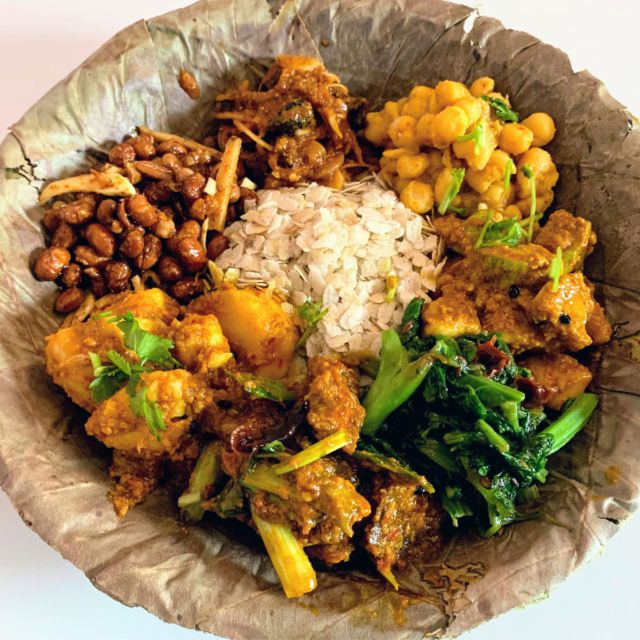
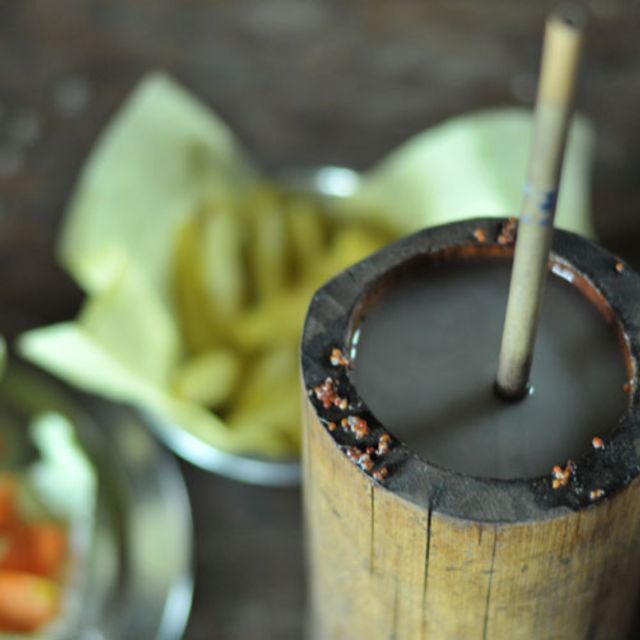
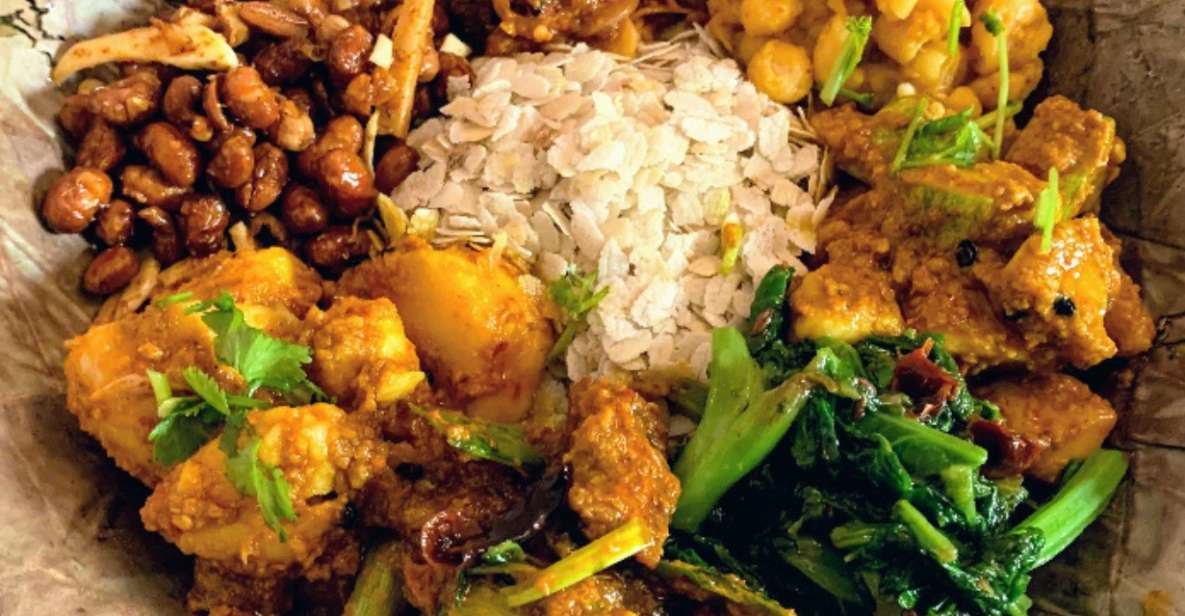
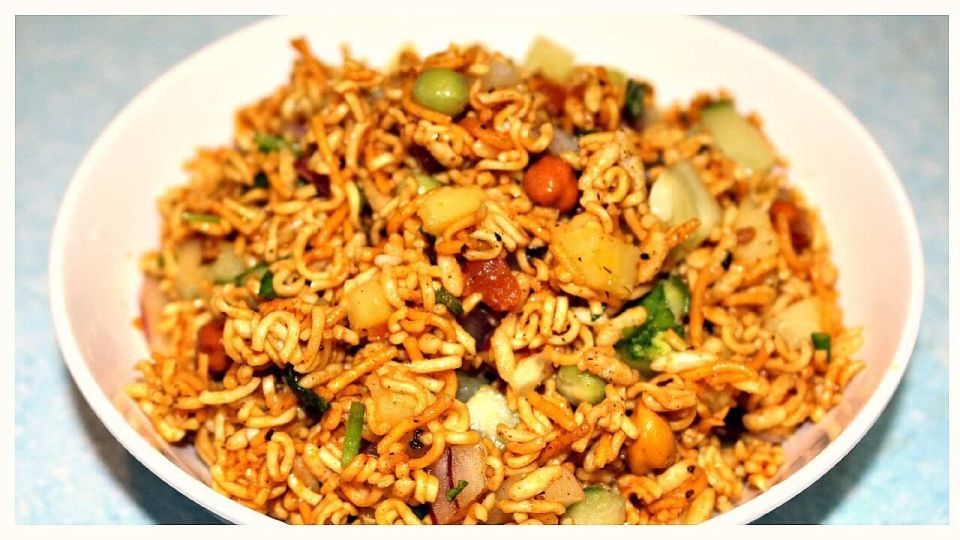
You’ll be eating traditional Nepali food as you move through markets and temple areas. The exact dishes aren’t listed in your details, but the intent is clear: you’re sampling a range, not locking yourself into one style. That’s useful if you’re trying to learn what “Nepalese food” feels like beyond one signature item.
Also, the tour doesn’t treat drinks as an afterthought. Including drinks alongside dishes helps you pace your walk, especially in warm conditions or in places with lots of spice in the air.
If you’re someone who likes to understand food through ingredients, take advantage of your guide’s explanations. Markets are where you’ll see the raw materials and everyday versions of what you’re tasting, like spices sold by the roadside. That makes the food lesson stick.


Vegan and Vegetarian Options: Easy Customization If You Speak Up
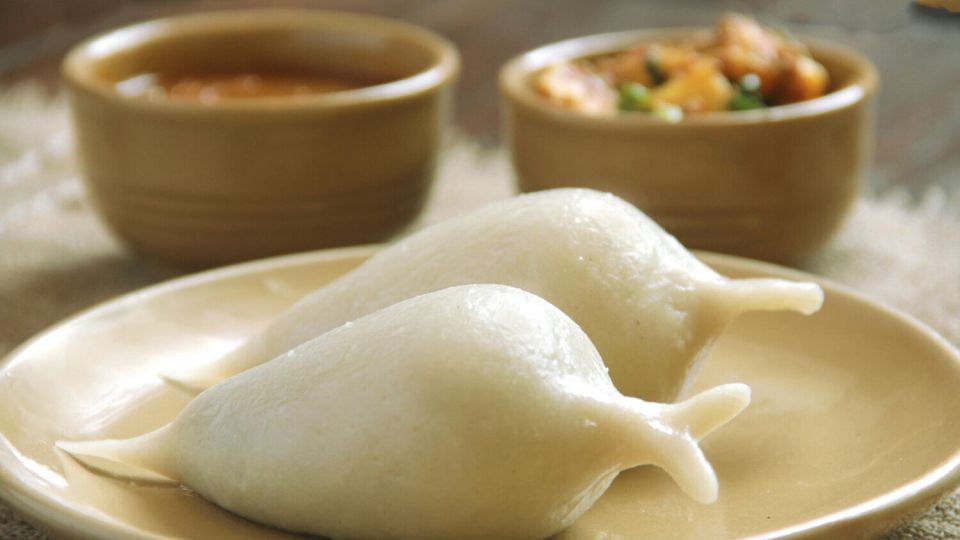
Good news: you don’t have to fear this tour if you eat plant-based. The tour information explicitly says that if you are vegan or vegetarian, you can be catered to easily. Just let your guide know and the tour can be tailored for you.
That’s not a small detail. Kathmandu street food includes plenty of vegetarian options, but the real trick is knowing what will be cooked how and what ingredients are used. A local guide can steer you toward items that fit your diet so you don’t spend the tour worrying.
My advice: message your dietary needs before you go and repeat them at the start. Use simple language like vegetarian or vegan, and mention if you also avoid eggs or dairy. The tour is designed to handle substitutions, but you still want to make your preferences crystal clear.
Food Allergies: When This Tour Isn’t the Right Fit
The tour details are direct: it is not suitable for people with food allergies. That’s important, and I’d take it seriously.
Street food can involve cross-contact in busy kitchens, shared utensils, and ingredients that aren’t always easy to track if you’re trying to avoid one specific allergen. Since the tour doesn’t position itself as allergy-safe, don’t gamble with it—especially on a short day when there’s less time to find replacements.
If you have a mild sensitivity rather than a true allergy, still be cautious and ask your guide what you can safely eat. But if your allergy is significant, choose an option designed specifically for allergy management.
Walking, Temples, and Street Crowds: What You Should Plan For

This is a half-day walk, so plan for motion. You’ll be on foot moving through market lanes and temple-area streets, and the route includes areas described as busy. Bring comfortable shoes, and expect you’ll be standing sometimes too, especially near stalls and prayer areas.
Sun and heat can matter. Sunscreen is listed as a recommended item, so take it as a hint that you may be exposed to outdoor light for stretches. If you’re heat-sensitive, start early and keep an eye on your water intake even though water is included.
Photography is likely, but temple areas mean you’ll be around people actively praying. Be respectful: don’t block entrances or pathways, and keep your pace steady so you don’t bump into others.
Also note the tour mentions it’s near public transportation. That’s helpful as a backup plan if your pickup timing shifts, but the main value is getting you to the right spots without stress.
Price and Value: Is $55 Worth It?
At $55 per person for about 4.5 hours, the price is mainly paying for three things: a guide, access to the right food stops, and convenience.
First, you’re getting an English-speaking guide who walks you through markets and temple areas and explains what you’re seeing. That’s where you usually pay for language support and local context.
Second, you’re getting hotel pickup and drop, plus a bottle of water. Convenience alone can be worth money in cities where getting across town takes time and effort.
Third, the food plan is a value lever. If you’re sampling at least five dishes and drinks, you’re not paying for a “tour” that happens to pass by food. You’re paying for guided eating with enough quantity to make it feel like a proper meal experience.
If you were to do this independently, you’d likely spend time hunting for places that are both good and understandable. You might also end up with mismatched portions and fewer meaningful stops. Here, the tour handles that work for you.
Who Should Book This Kathmandu Food Tour (and Why)
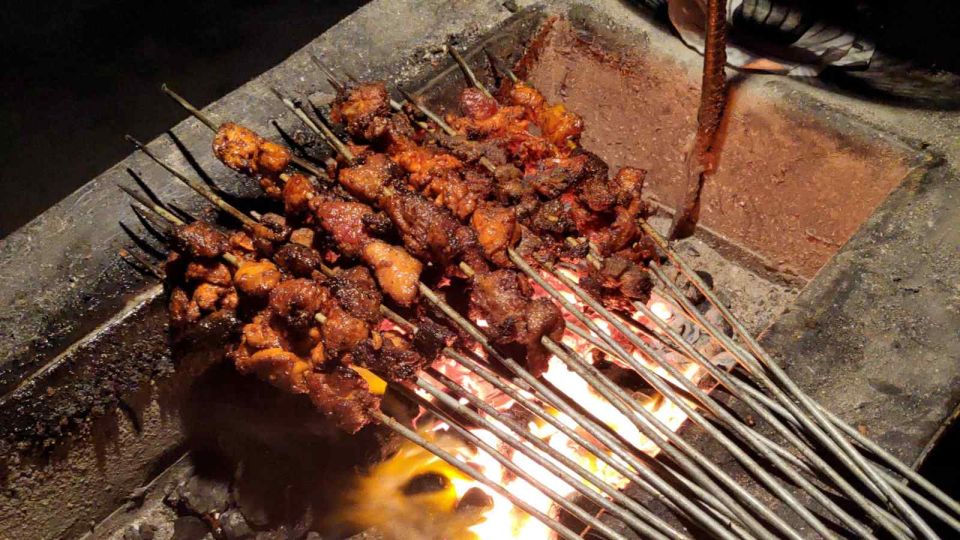
This tour fits best if you want food plus culture without over-planning. You’ll enjoy it if you like street markets, temple areas, and the idea of learning what you’re eating as you eat it.
It’s also a good fit if you’re short on time. Half-day tours are ideal when you’re trying to get oriented fast and eat well right away.
It’s especially friendly if you’re vegetarian or vegan, because the experience is designed to be tailored rather than forcing you to guess. And the private group format can make it easier to get personal answers about what you’re offered.
Skip it if food allergies are part of your situation. In that case, choose a different type of tour that specifically addresses allergy safety.
What “Mr. Rajan” Gets Right: Eating Places You Actually Want
One recent 5/5 review mentioned Mr. Rajan as the guide and praised him for taking someone to the best places to eat in Kathmandu. The key takeaway isn’t the name—it’s the pattern: the guide matters.
A strong street-food guide knows which stalls are reliable, which items sell well, and how to route you so you spend less time waiting and more time tasting. That lines up with the tour’s concept: market visits plus guidance along the way, not just a list of stops.
So when you book, don’t be shy about asking your guide how they choose places and what they recommend if you’re trying to sample a range. A good guide will gladly explain, because that’s part of the experience.
Should You Book the Kathmandu Local Food Hunt Tour?
If you want a half day that mixes street markets, temples, and guided eating, this tour is a solid choice. The value is strong because you get pickup/drop, an English-speaking guide, and enough food to feel like a real tasting meal—at least five dishes and drinks.
Book it if:
- You want to explore Asan and the Durbar Square area with context
- You eat vegetarian/vegan and want easy customization
- You’d rather be guided through street-food choices than guess on your own
Skip or choose something else if:
- You have food allergies
- You don’t like walking in busy areas or you expect a lot of quiet, museum-style pacing
If you do book, go in with one clear goal: tell your guide what you like and what you want to avoid. Then show up hungry, wear good shoes, and let the market do the storytelling.
FAQ
How long is the Kathmandu Local Food Hunt Tour?
The tour lasts 4.5 hours.
What does the tour include?
It includes different varieties of foods, hotel pickup and drop, an English-speaking guide, a tour to the local market, and a bottle of drinking water.
Can vegetarians or vegans join this tour?
Yes. The tour information says you can be catered to easily if you tell the guide you are vegan or vegetarian.
Is the tour suitable for people with food allergies?
No. The tour is not suitable for people with food allergies.
How many dishes and drinks will I try?
You’ll try a minimum of 5 dishes and drinks.
Is pickup included from my hotel?
Yes. You’ll get hotel pickup and drop, and you should wait in the hotel lobby for the scheduled pickup time.