REVIEW · NEPAL
From Chitwan : Half Day Jeep Safari Tour
Book on GetYourGuide →Operated by Adventure in Nepal · Bookable on GetYourGuide
Rhinos are the headliner in Chitwan. This half-day Jeep safari is a practical way to experience the park’s wildlife and birdlife fast. You ride through forests, grasslands, and wetlands with a guide who helps you read what you’re seeing.
I especially like the odds of spotting major mammals like rhinoceros (and often more). The route is built for game viewing in a short window, so you’re not stuck sightseeing for hours without any payoff.
One thing to keep in mind: wildlife sightings are never guaranteed, and some days can feel quieter than others. If you’re going back-to-back, you may also end up in a slightly different area to avoid repeating the same route.
In This Review
- Key things that make this Chitwan half-day Jeep safari work
- Half-day Jeep Safari in Chitwan: why 4 hours can be enough
- Sauraha pickup and the park gate: where the time actually goes
- Practical note
- The Jeep ride through forests and wetlands: bumpy, but built for spotting
- Wildlife spotting game plan: rhinos, tigers, elephants, and the day’s “realities”
- What to do during the ride
- Birds on your radar: hornbills and kingfishers during a moving safari
- Tharu community encounters: culture that’s usually brief but real
- Guide languages and how to use them (Nepali, Hindi, English)
- Quick tip
- Price and value: what you’re paying for at $75 per person
- When to go: October to June is your best bet
- Who this half-day Jeep safari suits best
- Who should skip it
- Quick “know before you go” checklist
- Should you book the Half Day Jeep Safari in Chitwan?
- FAQ
- How long is the half-day Jeep safari in Chitwan?
- Where does pickup happen for the Chitwan Jeep safari?
- Is this safari private or shared?
- What wildlife and birds can I expect to see?
- What languages will the guide speak?
- What should I bring with me?
- Are food and drinks included in the tour?
- Are luggage, large bags, or pets allowed?
- When is the best season for this safari?
- Is the tour suitable for pregnant women?
- Does the tour offer free cancellation and pay-later booking?
Key things that make this Chitwan half-day Jeep safari work
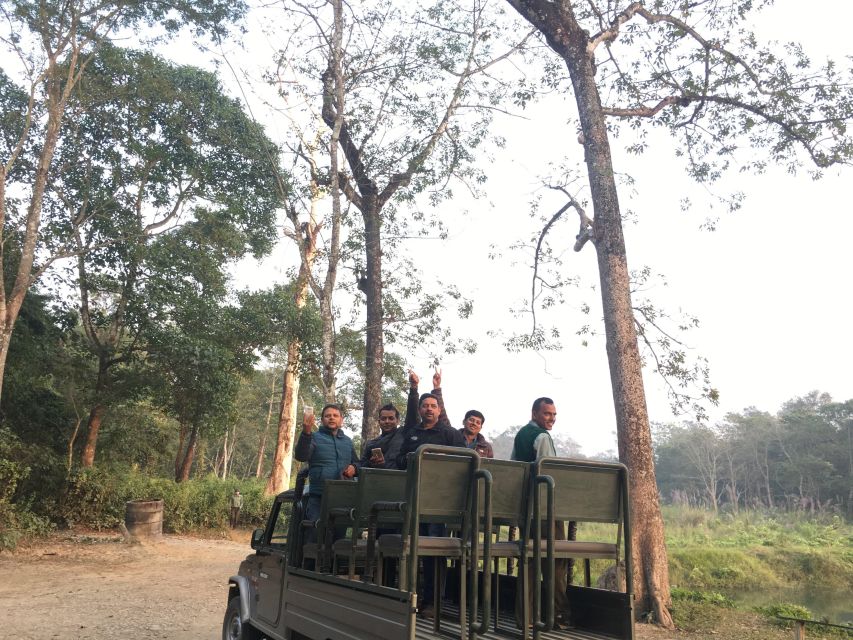
- A strong wildlife mix in a short time: you’ll be looking for rhinoceroses, tigers, elephants, deer, wild boar, and more
- Birding is part of the plan: hornbills and kingfishers are specifically on the radar
- A real bumpy Jeep ride: expect jostling through forests, riverbanks, and open grasslands
- A culture thread too: you’ll encounter Indigenous Tharu communities and learn about traditions
- Pickup is simple from Sauraha: a name card meets you in the right place
Half-day Jeep Safari in Chitwan: why 4 hours can be enough
A lot of people assume Chitwan needs a full day to be worth it. But the half-day Jeep safari format can make sense if you’re short on time or you want one solid wildlife hit while keeping the rest of your day free.
The tour runs about 4 hours, which is long enough to get into the park and still have time for your guide to point out what matters. You’ll be moving through different habitats—dense forest areas, open grasslands, and wetlands—so you’re not stuck staring at one type of scenery.
This is also a good fit if you’re doing other Chitwan activities like canoeing or a village visit. You’ll already have context for the area, and the Jeep safari becomes the “wildlife and birds” piece of the puzzle.
You can also read our reviews of more tours and experiences in Nepal
Sauraha pickup and the park gate: where the time actually goes
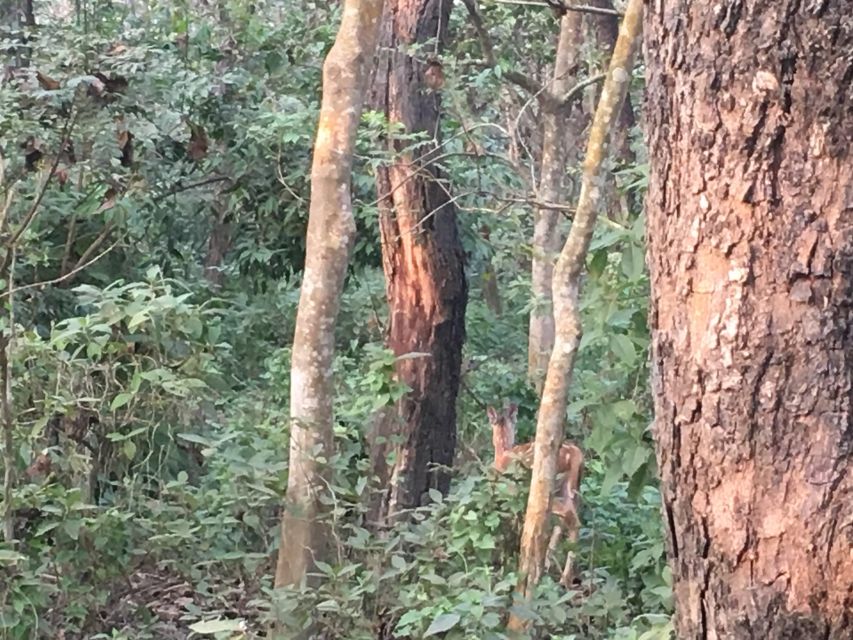
The day starts with hotel pickup in the Sauraha area. Your operator meets you with a name card, which sounds minor, but it cuts down on the usual chaos of finding the right vehicle.
Then you head to the Chitwan National Park entrance gate. Expect quick paperwork and a short intro to park rules from your guide. It’s not glamorous, but it’s useful. If you know the basic rules before you drive, you’re less likely to miss small instructions while you’re also trying to scan for animals.
After that, the clock is basically “in park mode.” The end point is equally straightforward: you return to the entrance area and your guide drops you back at your hotel in Sauraha.
Practical note
You’ll want to travel light. There’s no allowance for luggage or large bags, and it’s not the kind of ride where you want a bulky backpack bouncing around your knees.
The Jeep ride through forests and wetlands: bumpy, but built for spotting
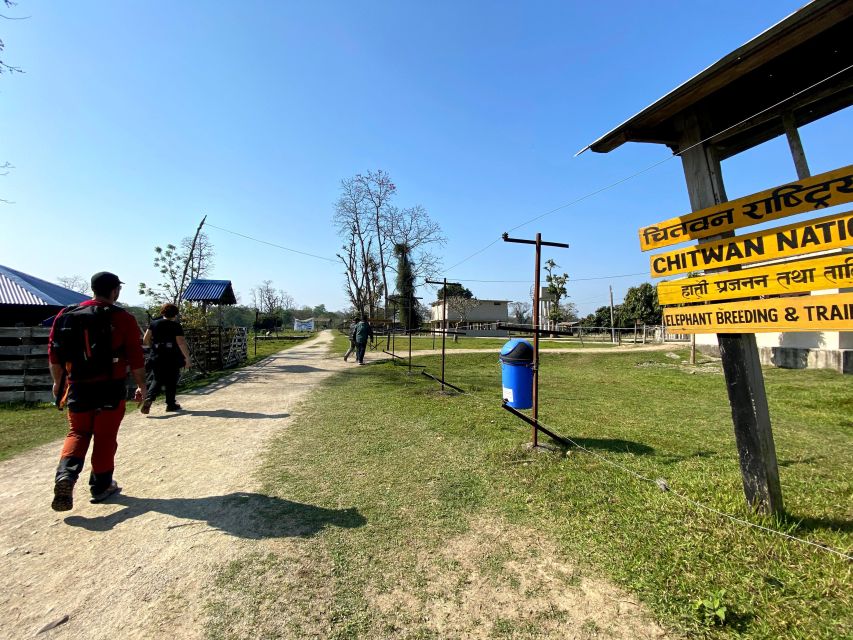
This safari is done in a sturdy Jeep, and that’s a big part of why it works in Chitwan. You’re not walking through dense areas for hours. You’re instead getting vehicle access to parts of the park where sightings are more likely.
The route you’re looking for moves you across habitats:
- Lush forests where you can spot animals that like cover
- Riverbanks where animals pass through and birds hunt
- Open grasslands that give you better sightlines
- Wetlands that attract birds and animals that rely on water
And yes, the ride is bumpy. That’s not a complaint you should ignore. It affects comfort, photo angles, and even how long you can stay focused while scanning. Wear shoes you’re comfortable getting jolted in, and keep your camera strap short enough that it won’t slap you every time the Jeep hits a rut.
Wildlife spotting game plan: rhinos, tigers, elephants, and the day’s “realities”
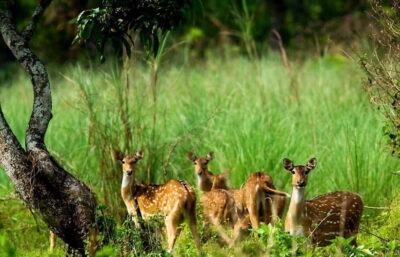
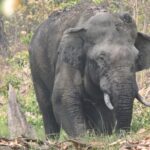
The tour is built around big-game potential. You’re specifically looking for animals like rhinoceroses, tigers, elephants, deer, and wild boar, plus additional creatures that may show up depending on conditions.
Birds are a major part of the experience too, not an afterthought. Hornbills and kingfishers are called out, which matters because these birds can be easier to miss if you’re only staring for mammals.
Here’s the reality check that helps you enjoy the trip either way: wildlife viewing is a moving target. Sometimes animals are active, sometimes they’re quiet, and sometimes you’re watching for signs—tracks, movement in grass, or a quick flash of color in the trees.


What to do during the ride
- Stay alert when the guide slows down, not only when you see animals.
- Try to keep your attention wide—scan treeline, open grass, and water edges.
- If you’re taking photos, remember that spotting comes first; composition comes second.
Some days have quieter sightings, and sometimes you’ll feel like you’re “mostly seeing deer.” That can still be valuable, especially when it’s paired with good birdwatching and a guide who explains what you’re looking at.
Birds on your radar: hornbills and kingfishers during a moving safari
One of the easiest ways to feel satisfied with a half-day safari is to treat it as two hunts: mammals and birds. The plan helps because it explicitly puts birdlife on the route.
Hornbills and kingfishers are the named highlights. Practically, that means you should expect the guide to pay attention to perches, river margins, and tree edges—places where birds use a “station and watch” strategy to find food.
Even if mammal sightings are slower that day, you can still come away with strong moments by focusing on small cues:
- sudden calling
- movement in branches
- a flash of bright color near water
This is also why the guide matters. A good guide doesn’t just point once; they help you understand why a bird is where it is, so your brain stays engaged the whole ride.
Tharu community encounters: culture that’s usually brief but real
Chitwan isn’t only about animals. The safari includes an encounter with Indigenous Tharu communities, with a chance to learn about traditions and daily lifestyle.
In a half-day format, it’s unlikely you’ll get an hour-long cultural session. But even a short meeting can help connect the park experience to the people who live in the region. It also helps you interpret what you’re seeing outside the Jeep window—how local communities relate to the land, water, and wildlife.
If culture is one of your motivations, ask questions when you can. The best moments often come from simple curiosity: what daily life looks like, what traditions are still practiced, and what visitors should understand about respectful behavior.
Guide languages and how to use them (Nepali, Hindi, English)
Your guide can work in Nepali, Hindi, or English. That matters more than you might think. Wildlife viewing is fast and subtle. When you can understand the guide’s explanation, you start seeing patterns you’d otherwise miss.
For example, you’ll get help spotting animals and learning about the park’s ecology. You should also get practical guidance on how to look: where to focus, when to pause, and what animal behaviors mean in the moment.
Quick tip
If you have any specific interests—birds, large mammals, or simply understanding the habitat—tell the guide early in the day. You’ll get better use out of the limited time, and the guide can steer your attention accordingly.
Price and value: what you’re paying for at $75 per person
At $75 per person for about 4 hours, you’re paying for a tight package:
- hotel pickup and drop-off within Sauraha
- a sharing Jeep safari inside Chitwan National Park
- a tour guide
What you’re not paying for: food and drinks (they’re available for purchase). That’s important because you should plan to budget for snacks or a drink during the tour, especially if you’re used to having everything included.
Is $75 “cheap” or “expensive”? In practice, it’s a reasonable value if you want a wildlife-focused half-day and you’re staying in Sauraha anyway. The pickup saves time and stress, and the shared Jeep keeps costs down compared with a private vehicle.
Where value can slip a bit is if wildlife activity is low on your specific day. That’s not a pricing issue; it’s nature. The best way to protect value is mindset: go in ready for a mix of mammals and birds, not a guaranteed “see everything” checklist.
When to go: October to June is your best bet
Your operator flags October to June as the best season for safari. That’s good information for planning, because it can influence both animal activity and overall comfort during the ride.
If you’re traveling during that window, you can treat this as a strong “first Chitwan safari” option. If you’re outside those months, you can still book, but manage expectations that sightings may not match your ideal day.
Who this half-day Jeep safari suits best
This tour is a great match if you want:
- a compact wildlife experience in about 4 hours
- a mix of mammals and birds (hornbills and kingfishers are specifically on the radar)
- a Jeep-based approach rather than a long walk
It’s also a good choice if your Chitwan plan is already full. The safari timing leaves room for other activities without dropping your whole day into the park.
Who should skip it
It’s listed as not suitable for pregnant women. Given the bumpy Jeep ride, that’s a sensible safety call.
Quick “know before you go” checklist
To make the day run smoothly, keep these basics in mind:
- Bring passport or ID card
- Leave luggage or large bags behind
- No pets allowed
- Expect a bumpy Jeep ride
- Bring a small day bag if you need water or essentials (food and drinks aren’t included, but you can purchase them)
Also, check starting times when you reserve. The tour runs for about 4 hours, but your exact start can vary based on availability.
Should you book the Half Day Jeep Safari in Chitwan?
I’d book this if you’re in Sauraha and you want the most wildlife-and-birds value for a half day. The combination of park access by Jeep, named bird highlights, and an included Tharu community encounter gives you more than just a drive through trees.
I’d think twice if you’re extremely time-pressured and the idea of a quiet wildlife day would ruin your mood. Even in good conditions, animals don’t show up on schedule. This tour is best as a flexible nature experience, not a guaranteed checklist.
If you do book, go in with a simple goal: enjoy the ride, scan patiently, and let your guide’s spotting help you catch more than you’d notice on your own. That’s how a short safari turns into a memorable one.
FAQ
How long is the half-day Jeep safari in Chitwan?
The duration is about 4 hours.
Where does pickup happen for the Chitwan Jeep safari?
Pickup is included within the Sauraha area, and the driver will look for you using your name card.
Is this safari private or shared?
It’s a sharing tour in a sharing Jeep.
What wildlife and birds can I expect to see?
You may spot rhinoceros, tigers, elephants, deer, wild boar, and other animals. Birding targets include hornbills and kingfishers.
What languages will the guide speak?
The live guide can speak Nepali, Hindi, and English.
What should I bring with me?
You should bring a passport or ID card.
Are food and drinks included in the tour?
No. Food and drinks are not included, but they are available for purchase.
Are luggage, large bags, or pets allowed?
No—luggage or large bags are not allowed, and pets are not allowed.
When is the best season for this safari?
October to June is listed as the best season for the safari.
Is the tour suitable for pregnant women?
No, it is not suitable for pregnant women.
Does the tour offer free cancellation and pay-later booking?
Free cancellation is available up to 24 hours in advance for a full refund, and you can reserve now and pay later.