REVIEW · DHARAMSALA
Guided Day Tour to Bir – Monasteries,Temple & Tea Garden Visit
Book on Viator →Operated by Himachal Bylocals · Bookable on Viator
Bir feels like faith with a view.
This guided 6-hour day trip from Dharamshala or McLeodganj strings together Tibetan Buddhism and ancient Hindu heritage, with stops around Sherabling Monastery and Deer Park plus a pass by Bir’s paragliding landing area. I love the way the local English-speaking guide turns each place into a story you can actually picture.
I also like the practical setup: hotel pickup and private transportation mean you spend less time figuring out routes and more time looking at what’s in front of you. The main trade-off is pacing—there’s a lot packed into one day, and lunch and dinner aren’t included, so plan your food timing early.
In This Review
- Key highlights to know before you go
- Bir in one day: monasteries, temple, and paragliders
- Getting picked up in Dharamshala or McLeodganj (and why it matters)
- Palpung Sherabling Monastery: Tibetan Buddhism in the pine-forest mood
- Passing Bir’s paragliding landing site: watch the sky, then slow down
- Deer Park Institute: meditation and Buddhist learning, not just sightseeing
- Baijnath Temple: an ancient Shiva shrine with Nagara-style details
- Tea-country time around Bir: scenic breaks that feel local
- DGL Nunnery: meeting Buddhist nuns and a living community
- Price and value: is $74 worth it for 6 hours?
- What to know before you go: weather, tickets, and small choices
- Who this Bir day trip is best for (and who might prefer something else)
- Should you book this tour?
- FAQ
- How long is the Bir day tour?
- How much does the tour cost?
- What’s included in the price?
- Is lunch included?
- Where does pickup happen?
- Is this a private tour?
- What if the weather is poor?
- Can I get a refund if I cancel?
Key highlights to know before you go
- A tight cultural circuit around Bir that links Tibetan Buddhist learning with an ancient Shiva shrine
- Sherabling Monastery in a forest setting that makes the whole visit feel grounded and calm
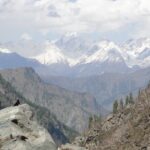
- Paragliding landing site views with the Dhauladhar mountain backdrop in the background
- Deer Park Institute for meditation and Buddhist study, not just photos
- DGL Nunnery to see the life and work of a community of Buddhist nuns
- Hotel pickup with private transport so you’re not juggling buses between far-apart spots
Bir in one day: monasteries, temple, and paragliders
Bir is famous for a reason. You’re in Himachal’s hill country, but the focus here isn’t only scenery—it’s faith, practice, and daily life shaped by Tibetan Buddhism and older Hindu traditions. In a single day, you’ll see that connection play out in real places, not museum-style explanations.
What I like most is that the day doesn’t feel random. You move from one spiritual site to the next, and the guide’s job is to help you notice how they relate—what people do there, why it matters, and what you’re looking at when the buildings get detailed or the courtyards get quiet.
If you’re the kind of traveler who likes meaning with your sightseeing, you’ll probably enjoy this format. If you want a slow day with lots of free time, this is still doable, but you’ll need to accept that the schedule is the point.
You can also read our reviews of more guided tours in Dharamsala
Getting picked up in Dharamshala or McLeodganj (and why it matters)
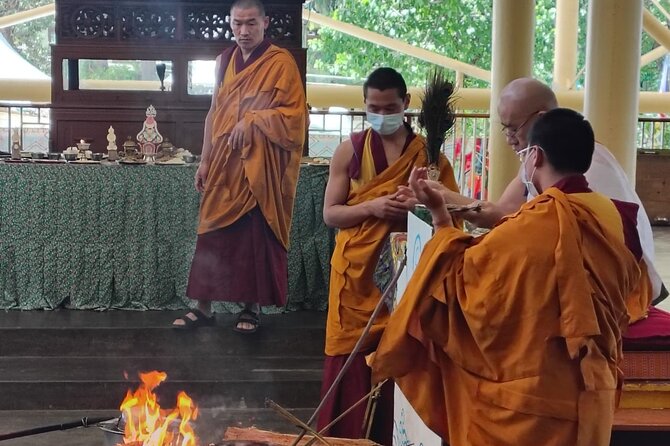
The tour starts with hotel pickup from Dharamshala or McLeodganj, then return to your city in the evening. That matters more than it sounds, because Bir-area sites can be spread out and local roads can take time.
You’re also getting private transportation for your group. In plain terms, you’re not waiting around with strangers while plans get shuffled. The ride itself becomes part of the experience, too—one reason this day works well is that you’re traveling through the same hill-country rhythm locals live with, with views that tend to improve as the day goes on.
In past experiences on this route, drivers such as Sanjay have been singled out for handling the twisting roads confidently. If that’s your driver, you’ll feel relaxed about the drive and spend more energy on looking out the window instead of watching the road the whole time.
Palpung Sherabling Monastery: Tibetan Buddhism in the pine-forest mood
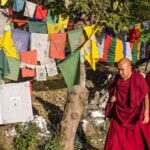
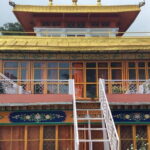
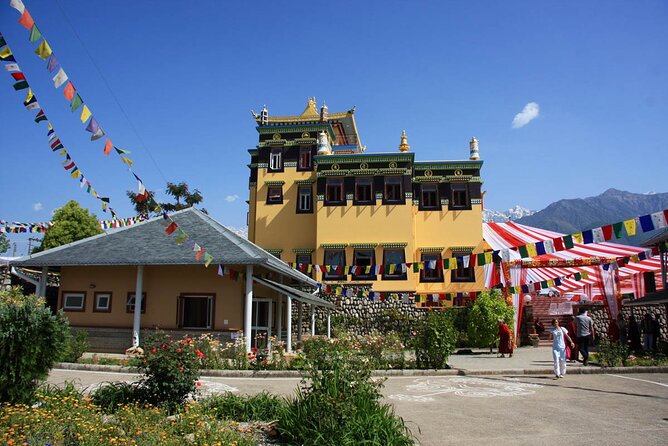
Sherabling Monastery is the first big stop, and it sets the tone. It’s described as a magnificent spiritual complex surrounded by pine forests, which is exactly how it can feel when you arrive: quieter, cooler, and more inward than the road outside.
Here’s what you should pay attention to during your visit:
- The overall layout and how the complex feels designed for calm movement.
- The sense that people come not just to look, but to practice.
- How the guide links what you see to Tibetan Buddhist culture and learning.
This is one of those stops where a guide makes a real difference. Without guidance, it’s easy to treat monastery buildings as pretty scenery. With a good explanation, you start noticing why certain spaces matter—where people focus their attention, and how the day’s rhythm fits into broader Buddhist life.
If your guide is the kind who leans into storytelling—names like Onkar have been highlighted in this area—you’ll probably find the explanations stick, not because they’re long, but because they connect details to meaning.
Passing Bir’s paragliding landing site: watch the sky, then slow down
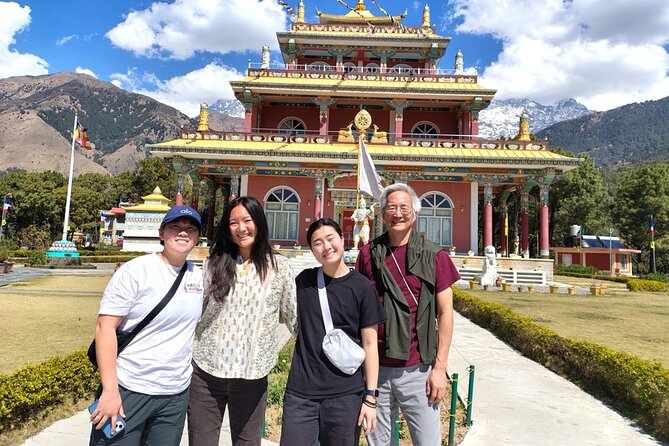
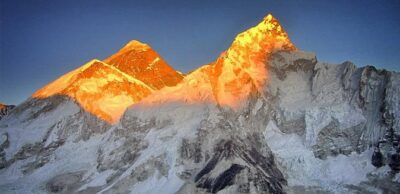
Bir’s paragliding landing site is a signature stop, and even when it’s only a pass-through, it changes the feel of the day. You’ll see the energetic action at the landing zone, with gliders moving against the Dhauladhar mountain backdrop.
This is a good moment to reset your eyes. After the stillness of monasteries, the wide-open sky and motion brings contrast. You can take photos, watch activity, and then shift gears again when the group moves back into slower, more reflective spaces.
Practical note: this kind of viewing depends on weather. The experience requires good weather, and since your day touches spiritual sites and a mountain backdrop, clear conditions help everything look better and feel more comfortable.
Deer Park Institute: meditation and Buddhist learning, not just sightseeing
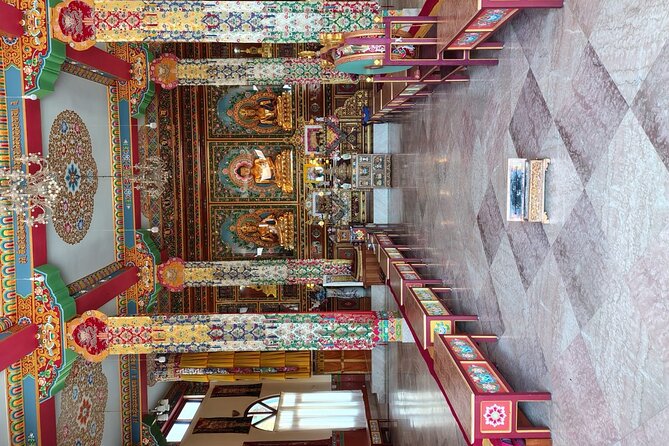
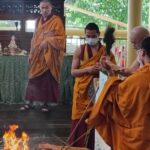
Next up is Deer Park Institute, which is described as a center for Buddhist learning and meditation. That phrasing tells you what to expect: it’s not only a viewpoint or a photo stop—it’s a place tied to practice.
During this stop, I’d focus on atmosphere and routine:
- Notice how the space supports quiet attention.
- Watch how visitors behave when they’re in a learning or meditation setting.
- Let the guide explain what makes the institute different from a temple building you’d see elsewhere.
This is also where you start connecting themes from earlier. Sherabling is the opening chapter. Deer Park helps you see the study-and-practice side of Tibetan Buddhist life. Together, they make more sense as a pair than as two separate stops.
If you’re sensitive to crowds, you may find this moment calmer than you’d expect from a popular tourist area, but it still depends on the day and local activity.
Baijnath Temple: an ancient Shiva shrine with Nagara-style details
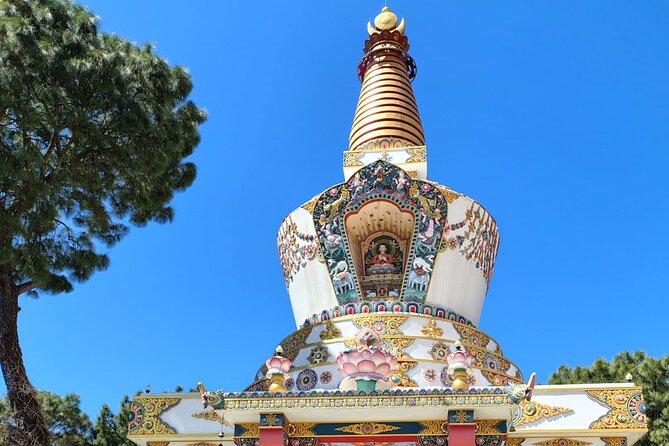
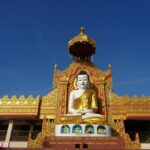
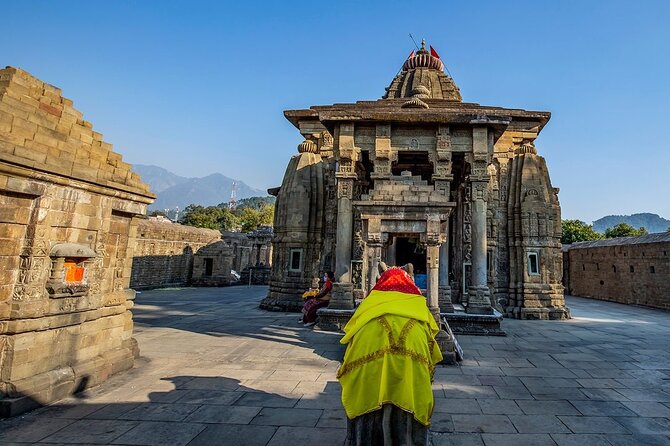
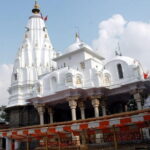
Baijnath Temple is one of the oldest-style highlights on the route. You’re visiting a shrine dedicated to Lord Shiva, admired for its Nagara-style architecture and centuries-old legacy.
Even if you’re not a temple architecture expert, you can enjoy this stop because it gives you tangible details to look for. I suggest you:
- Look closely at the structure and its design language.
- Spend time with the guide’s explanation so you understand what you’re seeing.
- Take it slow enough to notice carvings or layout elements rather than rushing for pictures.
One drawback with temple stops in general is that they can get crowded or you may have less time than you’d like. The fix is to use the guide-led explanations to make every minute count. If the guide points out what to notice, you’ll get a fuller experience even in a short visit.
This is also a good moment to appreciate the day’s blend. You’re shifting from Tibetan Buddhist learning spaces into an ancient Hindu shrine, and the tour’s value is how it helps you compare and connect these traditions without forcing them into one box.
Tea-country time around Bir: scenic breaks that feel local
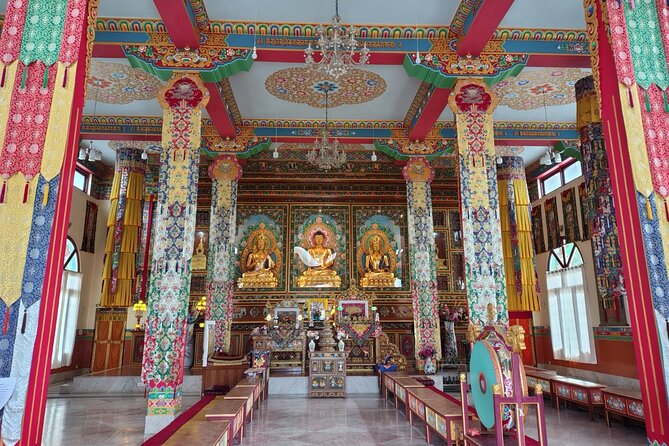
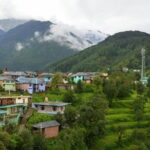
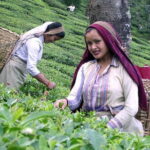
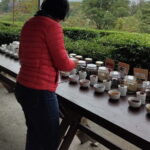
Your tour is positioned as more than monasteries and temples—it’s also about Bir’s tea culture and the surrounding hill-country feel. Even when the day doesn’t give you a long, separate tea-country day, you can still expect time that reflects Bir’s tea-growing identity.
What I like about adding tea-country context is that it balances the spiritual focus. It gives your body a break from walking and your brain a break from absorbing religious detail. It’s also a simple way to understand why Bir developed its identity the way it did: people came for spiritual and cultural reasons, then stayed because the place has daily rhythms you can feel.
If tea matters to you, I’d still keep expectations practical. This is a tight day, so treat the tea component as scenery and cultural context rather than a deep, full-length tea workshop—unless your guide specifically adds extra time.
DGL Nunnery: meeting Buddhist nuns and a living community
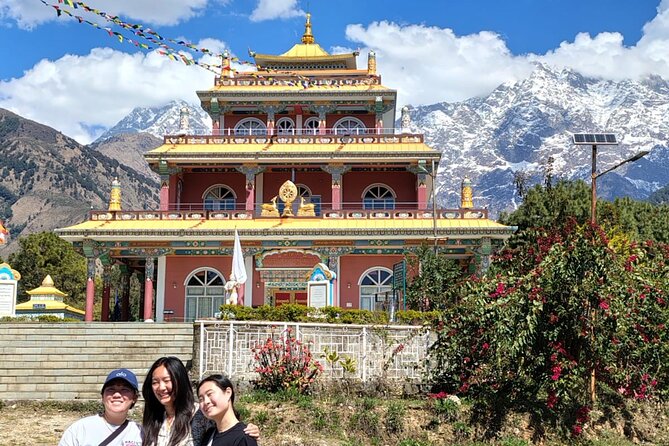
The last major spiritual stop is DGL Nunnery. It’s described as home to a vibrant community of Buddhist nuns, and that wording is important. This isn’t only about architecture; it’s about people and their daily commitments.
In this kind of setting, I think the best approach is simple: be respectful, stay aware of quiet areas, and let the guide explain what you’re seeing. When the tour focuses on a community like this, the value often comes from understanding roles, routines, and how faith shows up in work and study.
This is a powerful ending point because it brings your day full circle. Earlier you saw monasteries and learning centers. Here you see a community where Buddhist life continues beyond male monastic spaces, with nuns living and practicing as part of the same broader cultural world.
Price and value: is $74 worth it for 6 hours?
At $74 per person for about 6 hours, the price is best judged by what you actually get, not by what you might DIY.
Here’s what your money is covering:
- A local English-speaking guide
- Hotel pickup and drop-off from your city
- Private transportation
- Admission fees and monument fees as per the itinerary
- All taxes
What’s not included is just as important:
- Guide tips and personal expenses
- Lunch and dinner
When you add it up, this price looks fair for a day that hits multiple sites plus transportation. If you tried to arrange the same circuit yourself, you’d still need a driver, entrance costs, and someone to interpret what you’re looking at—especially for a mix of Tibetan Buddhist and older Hindu heritage.
So the value is strongest if you like explanation and don’t want to spend your limited time negotiating rides and figuring out ticketing.
What to know before you go: weather, tickets, and small choices
The experience requires good weather. If it’s canceled due to poor weather, you’ll be offered a different date or a full refund. That’s a serious detail for Bir-area days because mountain visibility and overall comfort can change quickly.
You should also know this tour is listed as private for your group, meaning you won’t be blended into a larger crowd with strangers during the day. You’ll also receive confirmation at the time of booking, and you’ll have a mobile ticket.
One more practical reality: because lunch and dinner aren’t included, you should either eat before pickup or plan a meal immediately after you’re back. I like carrying a small snack for mid-day walking breaks, especially when the day is packed with spiritual stops and short transit segments.
Who this Bir day trip is best for (and who might prefer something else)
You’ll likely enjoy this tour if you:
- Want a guided blend of Tibetan Buddhist culture and an ancient Hindu temple
- Like structured sightseeing that still feels meaningful
- Don’t want to manage transportation between far-apart stops
- Care about understanding what you’re seeing, not only where to stand for photos
You might skip it if you:
- Prefer slow travel with long free time between stops
- Want a standalone tea day rather than a mixed cultural circuit
- Need a lot of flexibility in your schedule during the day
Most travelers can participate, so it tends to work well across different comfort levels, but it still involves a full day of moving.
Should you book this tour?
If your goal is to get a thoughtful introduction to Bir with real context—monasteries, a major Shiva temple, and DGL Nunnery—this is a strong option. The best reason to book is not that it hits famous names. It’s that you’re buying interpretation: a local guide who can connect the spiritual sites into a story you can understand as you go.
I’d book it if you’re traveling with limited time from Dharamshala or McLeodganj and you want the day to feel organized. I’d reconsider only if weather is shaky for your dates or you’d rather have a longer, more unstructured tea-and-nature day.
FAQ
How long is the Bir day tour?
It’s about 6 hours.
How much does the tour cost?
The price is $74.00 per person.
What’s included in the price?
You get a local English-speaking guide, pickup and drop-off from your city hotel only, admission/monument fees as per the itinerary, all taxes, and private transportation.
Is lunch included?
No. Lunch and dinner are not included.
Where does pickup happen?
Pickup is offered from your hotel in Dharamshala or McLeodganj.
Is this a private tour?
It’s listed as private, meaning only your group participates.
What if the weather is poor?
The experience requires good weather. If it’s canceled due to poor weather, you’ll be offered a different date or a full refund.
Can I get a refund if I cancel?
This experience is non-refundable and cannot be changed for any reason. If you cancel or request an amendment, the amount paid is not refunded.