REVIEW · KATHMANDU
10 Days Ayurveda & Yoga Retreat in Kathmandu, Nepal
Book on Viator →Operated by Nepal Ayurveda Home · Bookable on Viator
Forget the city noise; think breath and doshas. This 10-day retreat in Kathmandu is built around daily yoga and Ayurveda lessons, plus a doctor-guided detox plan that’s tailored to your body type. It also comes with a steady, caring rhythm that feels more like a focused wellness stay than a classroom drill.
I particularly like that all meals and accommodation are included, so you can actually follow the guidance without juggling logistics. The retreat is also close enough to Kathmandu heritage sites that you can add light sightseeing if you want. The main drawback to consider: your days are intentionally structured for wellness, and the package does not include day trips or sightseeing—so if you want a lot of roaming, you’ll need to plan that separately.
In This Review
- Key highlights at a glance
- Kathmandu’s sweet spot: heritage sites close by, calm nearby
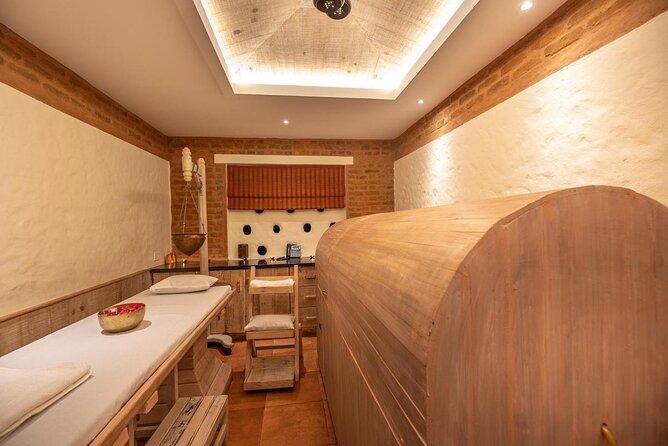
- Nepal Ayurveda Home: what the included stay actually gives you
- Dosha check and detox planning: the core of the program
- Yoga, breathing, meditation, and chanting: how your mind gets a workout
- Therapies and massage: Siro-dhara and tailored bodywork
- Food and daily living: how the retreat tries to change what you do next
- Value check: is $1,000 for 10 days a good deal?
- Who this retreat suits best (and who should think twice)
- Timing and practical setup: starting in Tarakeshwar, ending where you began
- Should you book this 10-day Ayurveda and Yoga Retreat?
- FAQ
- How long is the retreat?
- What’s included in the price?
- What isn’t included?
- Where does the retreat start?
- What time does the retreat start?
- Is this retreat near public transportation?
- Can most people participate?
- What happens if there are weather issues or minimum travelers?
Key highlights at a glance
- Dosha-based approach: you identify your nature (Vata, Pitta, or Kapha) and get guidance that follows it
- Doctor-designed detox plan: a clinician maps your detox, then therapists run the therapies under that direction
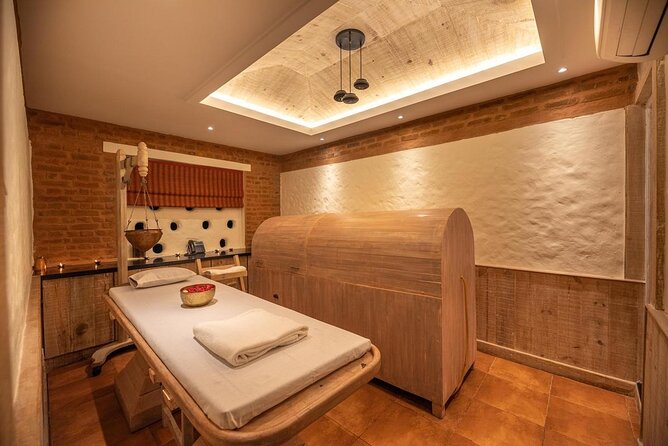
- Siro-dhara: herbal oil and medicine are dropped at the third-eye area as part of the treatment set
- Daily yoga, breathing, meditation, and chanting: stress work is built into the schedule, not added as an extra
- Therapeutic massage: bodywork is matched to your nature and the issues you’re working on
- Small-enough group size: capped at 25 people, which usually means more attention than huge retreats
Kathmandu’s sweet spot: heritage sites close by, calm nearby
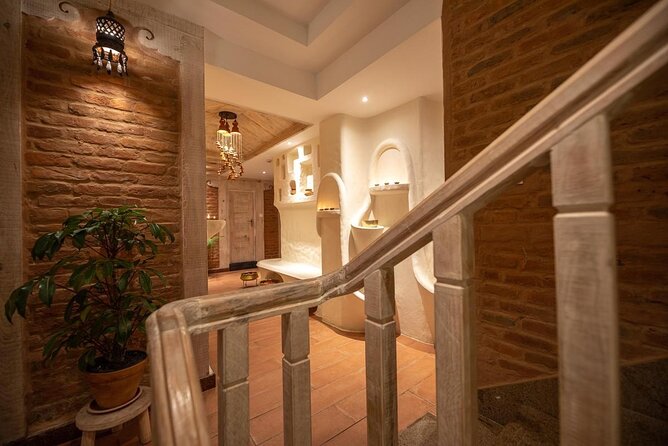
Kathmandu is intense in the best and worst ways—temples, traffic, and crowds can wear you down fast. This retreat’s setting helps you counterbalance that. The retreat center is described as being near top heritage attractions, which matters because you’re not completely cut off from the city’s big sights. At the same time, one detailed description places the center near the Nagarjun Forest Reserve on Kathmandu’s outskirts, which fits the whole point of doing a detox: you want quieter air, not nonstop noise.
This is one of those locations that works if you want both modes of Kathmandu. You can keep your days mostly internal—yoga, Ayurveda sessions, rest—then step out for short heritage visits when you feel ready. If you only want wellness and zero city time, you can also lean into that. The retreat doesn’t force day trips into the package, so you’re in control.
You can also read our reviews of more tours and experiences in Kathmandu.

Nepal Ayurveda Home: what the included stay actually gives you
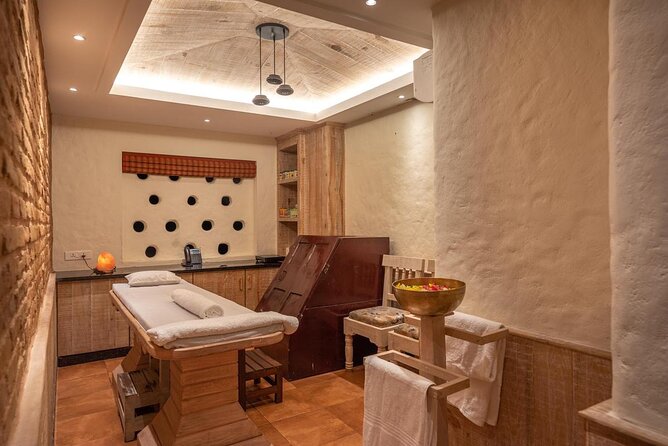
The retreat is run by Nepal Ayurveda Home, and the overall vibe comes through as family-run and welcoming. Names that stand out from the information provided include Prakash and his family, with Rinita mentioned for handling panchakarma treatments. Other staff names that show up include Shankar and Raj. Even if you never learn every staff member’s role, it helps to know this isn’t a fly-in, fly-out setup.
Here’s what I like about the structure: meals and accommodation are included, which removes the biggest friction point in detox-style travel. When you have to hunt for food, you often end up eating whatever is closest, and that’s exactly what a dosha-based plan tries to avoid. With breakfast, lunch, and dinner already set up, you’re more likely to follow the diet and lifestyle advice that the doctor and therapists recommend.
The package also includes yoga and Ayurveda lessons, so you aren’t paying for separate class add-ons. That makes the $1,000 price feel less like a “pay for the room” situation and more like “pay for the whole wellness system.”
Dosha check and detox planning: the core of the program
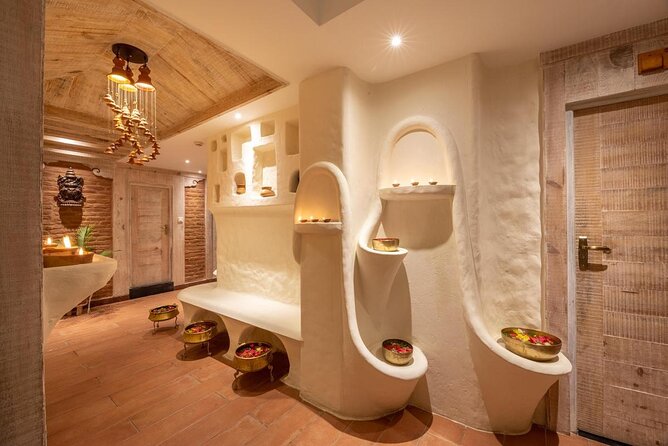
Ayurveda can sound mystical if you only hear it as marketing. In this retreat, the emphasis is on the practical idea of doshas—Vata (airy), Pitta (fiery), and Kapha (earthy). You’re guided to find your real nature and then use that information to choose foods and practices that support balance. In plain terms: instead of generic wellness rules, you get something closer to a personal framework.
The retreat also explains five-element balancing in the body, tying it to anger (fire), emotions (water), lethargy (earth), nerves (air), and thoughts (ether). That kind of mapping matters because it gives you language for what you’re actually experiencing day to day. Even if you don’t fully buy the theory, the usefulness can be in the self-observation: What spikes? What slows down? What feels heavy? What feels scattered?
A doctor designs an Ayurveda detox plan based on your needs, and then therapists follow different therapies under the doctor’s advice. That clinical chain is important. A lot of wellness programs give bodywork and hope you’ll connect the dots yourself. Here, your treatments are meant to line up with a detox intention.
Yoga, breathing, meditation, and chanting: how your mind gets a workout
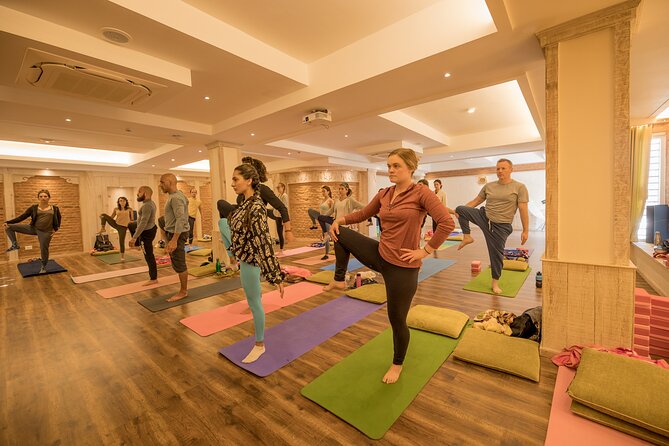
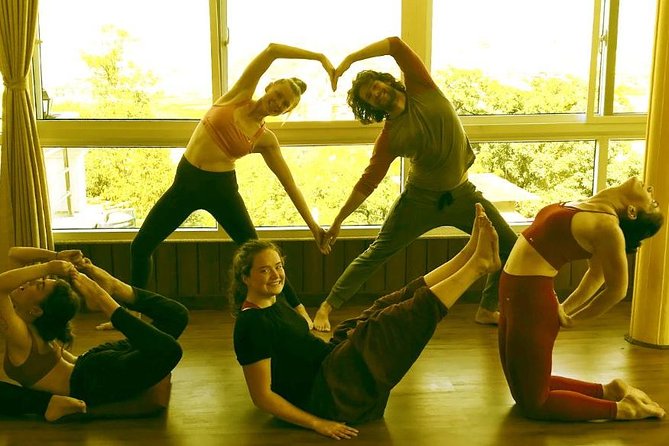
The schedule centers on daily yoga and Ayurveda sessions, and it includes meditation, relaxation, and chanting aimed at stress relief. The key detail for me is that yoga isn’t treated only as stretching. According to your dosha, you receive advice on yoga posture and breathing. So the movement is supposed to be functional for your internal balance, not just about flexibility.
Daily meditation and relaxation practices are designed to help remove stress. Chanting is also included, which may surprise you if you expect silence-only meditation retreats. Chanting can be grounding because it gives your attention a track—breath and sound working together—so your mind has less chance to spin.
If you’re used to training hard at a gym, this will feel different. Think of it as a slower, more targeted kind of work: you’re learning how to steer your body and attention through breath, posture, and stillness. If you’re burnt out, that’s exactly the kind of training that tends to land well.
Therapies and massage: Siro-dhara and tailored bodywork
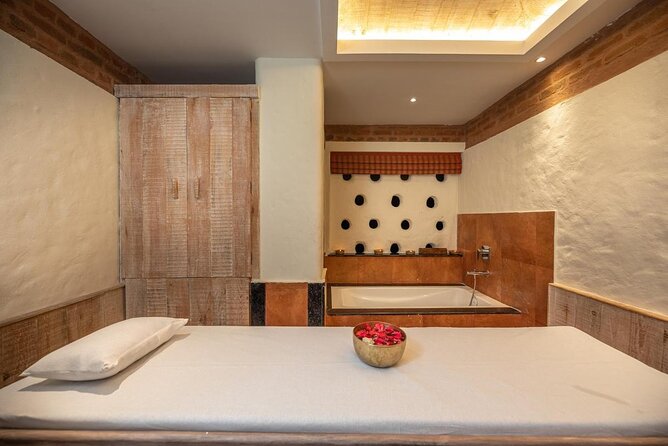
Massage is part of the retreat, and it’s described as therapeutic and guided by your nature and the problems you’re dealing with. That matters more than you might think. If you’ve ever gotten a massage that’s basically pressure and luck, you’ll appreciate the idea here: your therapist works with the logic of your dosha and your goals.
Then comes Siro-dhara, where herbal oil and medicine are dropped at the third-eye area. This is one of the more distinctive treatments listed, and it’s also the kind of experience that can be surprisingly emotional. Even if you’re not trying to chase spirituality, the combination of steady sensation, aroma, and focus can help your system shift out of overdrive.
The retreat also references personalized detox and therapy sequences, with therapy delivered under a doctor’s guidance. That’s what gives the therapies cohesion. You’re not just collecting treatments; you’re following a plan.

Food and daily living: how the retreat tries to change what you do next
You’re not only taught about yoga and Ayurveda as ideas. You’re given diet and lifestyle advice meant to improve health and mindfulness in everyday life. The retreat highlights knowledge for improving longevity through understanding Vata, Pitta, and Kapha. It also mentions balancing the five elements tied to mental and emotional states.
In practical terms, this is where the retreat can actually pay off after you leave. If the retreat does a good job, you’ll walk away with:
- a clearer sense of what types of foods and routines tend to support your personal balance
- guidance on yoga postures and breathing practices that match your dosha
- a stress toolkit built from meditation, relaxation, and chanting
One thing to watch for: detox-style programs often work best when you commit to the food and lifestyle guidance while you’re there. The retreat helps you do that by including meals. Still, it’s on you to take the advice seriously once you’re outside the center—because the city’s temptations don’t pause just because your detox started.
Value check: is $1,000 for 10 days a good deal?
Let’s talk value without hand-waving. At $1,000 per person for about 10 days, you’re paying for:
- 10-ish days of accommodation
- all meals (breakfast, lunch, dinner)
- yoga and Ayurveda lessons
- therapeutic massage
- doctor-led detox design
- therapies that can include Siro-dhara
You’re also not paying separately for a bunch of daily extras, and the retreat limits group size to a maximum of 25, which can make your experience feel more personal. In Kathmandu, stand-alone yoga classes or single wellness treatments can add up quickly, especially once you start factoring in guidance and structured programs.
The missing piece is that day trips and sightseeing are not included. That’s not a negative if you’re doing this as a wellness pause. But if you expect a guided culture tour on top of everything, you may feel the cost more than someone who plans mainly to rest and learn.
Who this retreat suits best (and who should think twice)
This retreat is especially appealing if you’re:
- going solo and want structure
- focused on wellbeing, stress relief, and learning Ayurveda tools you can use later
- open to a dosha-based approach and therapies like massage and Siro-dhara
- willing to trade some city exploration for a calmer rhythm
It may be less ideal if you’re:
- mainly craving a sightseeing-heavy Kathmandu itinerary (day trips and sightseeing aren’t included)
- expecting a modern spa menu with lots of “choose your treatment” options (the plan is designed and run by therapists under doctor advice)
- looking for a resort-style vacation where nothing is scheduled
The good news is that most people can participate, since the retreat says most travelers can join. If you have strong medical concerns, it’s still smart to check directly with the retreat’s medical team before you commit—especially with detox and Siro-dhara.
Timing and practical setup: starting in Tarakeshwar, ending where you began
The retreat start time is listed as 12:15 pm and the start point is Nepal Ayurveda Home on Road 5, Tarakeshwar 44600, Nepal. The activity ends back at the meeting point, and the center is near public transportation, which helps if you want to pop into Kathmandu for a short heritage visit.
You’ll receive confirmation at the time of booking in most cases, and it notes free cancellation, with weather and minimum traveler requirements as possible reasons for a schedule change. Also, the ticket is mobile, which usually makes day-of logistics simpler.
One more practical note: this is a wellness retreat, so pack like you’re staying put most days. Comfortable clothing and layers tend to matter more than fancy outfits.
Should you book this 10-day Ayurveda and Yoga Retreat?
If you want a structured reset—yoga, meditation, breathing, and Ayurveda guidance tied to your body type—this sounds like a smart bet. The biggest reason to book is the combination of inclusion (meals and accommodation) plus personalization (dosha-based guidance and doctor-designed detox). That mix reduces the guesswork and increases the odds you actually follow the plan.
I’d skip it if your goal is mostly to check off Kathmandu sights and you don’t want a schedule. You can still do Kathmandu afterward, but this retreat is built to center your wellbeing while you’re in town.
If you’re deciding between doing wellness at home versus traveling for it, consider this: Nepal Ayurveda Home is set up so your environment supports the practice—food, routines, therapy guidance, and rest are all aligned.
FAQ
How long is the retreat?
The retreat is listed as 10 days (approx.) in Kathmandu.
What’s included in the price?
The package includes breakfast, lunch, dinner, yoga and Ayurveda lessons, and accommodation.
What isn’t included?
The listing says airfare, day trips, sightseeing, laundry, and extra expenses are not included.
Where does the retreat start?
The start point is Nepal Ayurveda Home, Road 5, Tarakeshwar 44600, Nepal.
What time does the retreat start?
The start time is listed as 12:15 pm.
Is this retreat near public transportation?
Yes. The retreat center is noted as near public transportation.
Can most people participate?
The listing states that most travelers can participate.
What happens if there are weather issues or minimum travelers?
The listing says the experience requires good weather and may be canceled due to poor weather, with an option for a different date or a full refund. It also notes a minimum number of travelers; if not met, you may be offered a different experience or a full refund.