REVIEW · DHARAMSALA
Historical Tour including Unesco Kangra fort & Rock cut temple from Dharamshala
Book on Viator →Operated by Himachal Bylocals · Bookable on Viator
Ancient stone, one smooth day from Dharamshala. This Kangra tour strings together major heritage stops with a local guide and no bus-hopping stress. You start near McLeod Ganj, ride out into the valley, and come back after seeing Masroor Rock Cut Temple and the UNESCO-listed Kangra Fort area in a single outing.
I love two things most: first, the Masroor Rock Cut Temple complex, dedicated to Rama, Laxmana, and Sita, where you get a real sense of how devotees connect stories to stone. Second, the Kangra Fort visit, tied to the Rajput Katoch dynasty and the older Trigarta Kingdom tradition.
One thing to consider: for foreign tourists, there are extra entrance fees for the Rock Cut Temple and Kangra Fort (₹500 per person), and the whole plan is better when the day has good weather.
In This Review
- Key things to know before you go
- Why Kangra from Dharamshala feels like a smart day move
- The 7-hour flow: pickup, ride time, and what you actually get
- Masroor Rock Cut Temple: Rama, Laxmana, and Sita in stone
- Kangra Valley and village glimpses you can use
- Kangra Fort: Katoch dynasty, Trigarta roots, and big views
- Bajreshwari Devi Temple: the Sati-Shiva legend in a practical stop
- Lunch, bottled water, and what to bring on a mountain day
- Price and value: is $42 fair for this day?
- Who this tour suits best (and who might want a different plan)
- Weather, comfort, and the one day rule
- Should you book this Kangra day tour?
- FAQ
- How long is the Kangra historical tour from Dharamshala?
- Does the tour include hotel pickup and drop-off?
- Are the entrance fees included for Masroor Rock Cut Temple and Kangra Fort?
- Is lunch included?
- How large are the groups?
- Does the tour depend on weather?
Key things to know before you go
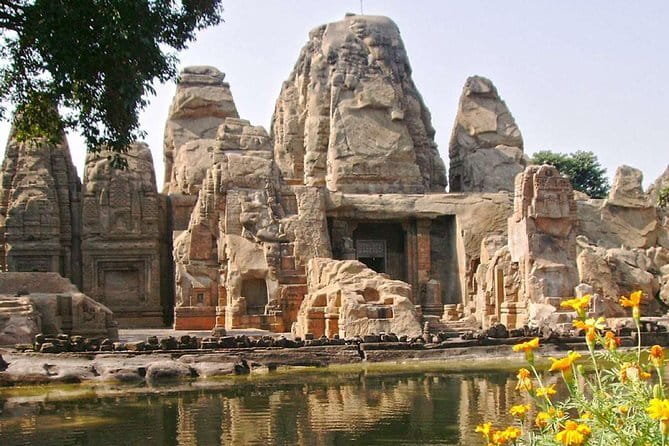
- Masroor Rock Cut Temple: stone images linked to Rama, Laxmana, and Sita are part of daily worship.
- Kangra Fort’s Katoch dynasty context: you’ll hear how the local royal line traces back to older Trigarta Kingdom roots from the Mahabharata world.
- Bajreshwari Devi Temple is free: the stop includes a temple legend tied to Sati, Shiva, and the Tandav.
- You’re not driving yourself: hotel pickup/drop-off and a private car make the day feel easy.
- Small group feel: max 8 people per booking, with a total cap of 15 travelers on the activity.
- Plan for the route at 7 hours: it’s a full day, so wear comfy shoes and keep expectations realistic.
Why Kangra from Dharamshala feels like a smart day move
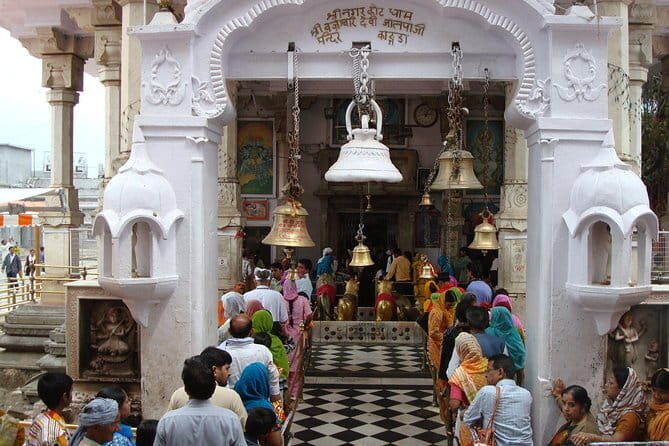
Kangra is one of those places where history isn’t stuck behind glass. It’s built into hills, forts, and temple walls. What makes this tour work is how it packages the key “must-see” heritage stops from Dharamshala side without turning your day into a logistics puzzle.
You get a guide who helps you connect the dots. Temple names, legends, and dynasties can blur together when you go on your own, especially in a region with layered stories. With an English-speaking guide, you’re more likely to walk out understanding what you just saw, not just checking it off.
And because the tour is built around a single loop, you’re not constantly re-planning transport. You’ll feel that relief as soon as you realize you don’t have to chase buses up and down mountain roads.
You can also read our reviews of more historical tours in Dharamsala
The 7-hour flow: pickup, ride time, and what you actually get
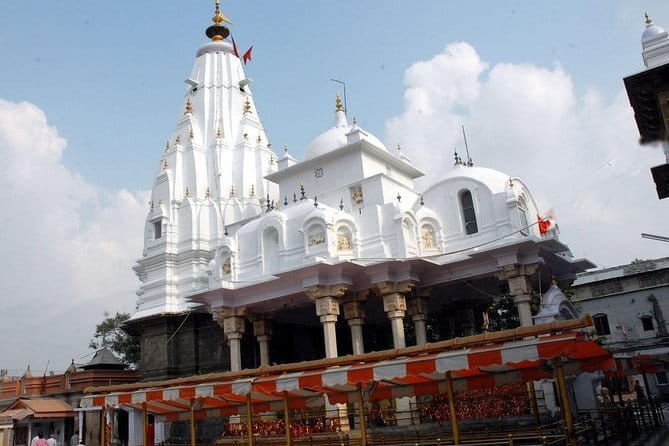
This is set up as a full, guided day: about 7 hours total. Your guide meets you at your hotel in the McLeod Ganj/Dharamshala area to start the ride toward Kangra, with a first stop at the Masroor Rock Cut Temple.
Between stops, the day gives you short, practical windows to look around. The route passes the Kangra Valley and a local village area, so you get a glimpse of everyday life and the natural setting around town—more “you’re there” than “we drove past something pretty.”
The day ends back at the meeting point, so you don’t have to figure out what time you’ll get stranded or how to return once you’re tired. It’s a classic value move: use your energy to see things, not to solve travel problems.
Masroor Rock Cut Temple: Rama, Laxmana, and Sita in stone
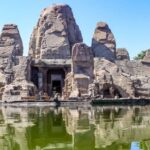
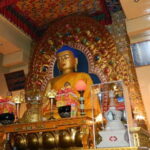
Masroor Rock Cut Temple is the kind of place where you slow down without being told to. The complex is dedicated to Rama, Laxmana, and Sita, linked to the Mahabharata-era tradition, and the stone images are worshiped by Hindu devotees who come from around the area.
Why this stop is worth your time: it’s not just a “cool rock carving.” The fact that it’s tied to ongoing worship gives it a living feel. You’re watching history that still has a job to do.
Also, the setting helps. Even if you don’t memorize every detail your guide explains, you’ll likely remember the view and the calm around the complex. One earlier guide-led description called it overlooking a sacred lake, which is the kind of detail that makes the place feel more specific than generic temple photos.
A small practical note: the Masroor portion lists an admission ticket as not included. So if you’re paying extra on-site (especially as a foreign tourist), you want to plan for that rather than expecting it to be fully bundled.
Kangra Valley and village glimpses you can use
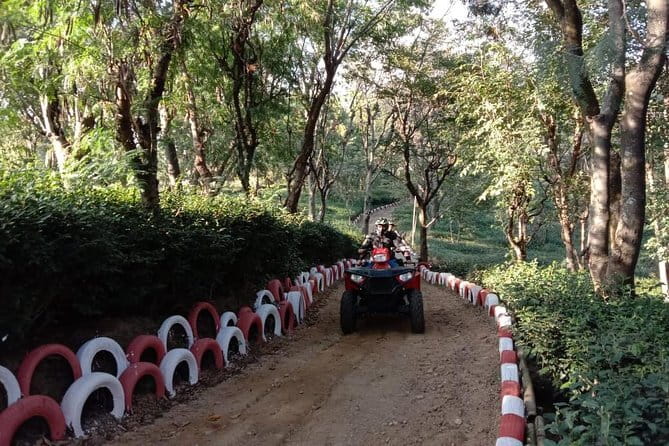
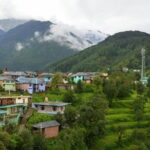
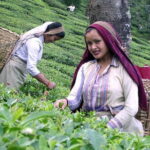
The tour includes a drive segment that passes the Kangra Valley and a local village, giving you a moment to see daily activities. This part isn’t a sightseeing festival. It’s more of a grounding interlude.
I like it because it helps you understand the geography behind the heritage. When you’re looking at forts and temples on a hill, it’s easy to imagine they were built in isolation. Seeing village life and valley surroundings makes the sites feel connected to where people live now.
If you’re the type who enjoys small observations—how a village road functions, what locals are doing in their spare time—this segment is a nice bonus. If you’re only into major monuments, you might treat this as a quick breather on the way up and out.
Kangra Fort: Katoch dynasty, Trigarta roots, and big views
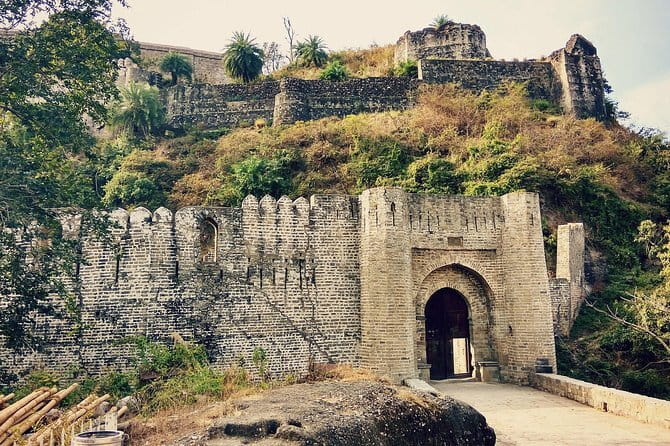
Kangra Fort is the heavyweight here. It was built by the royal Rajput family of Kangra State, the Katoch dynasty, and the story goes back further to the ancient Trigarta Kingdom mentioned in the Mahabharata epic tradition.
You’ll also get the key orientation that helps the fort make sense: it’s not just a wall-and-tower photo stop. With your guide, you’ll understand why the place matters to local identity and how the fort connects to older narrative threads.
What I’d focus on during your visit:
- Listen for the Katoch dynasty explanation so you know what you’re looking at when you scan the complex.
- Take a slow look at the fort’s position, because you’ll naturally notice the views and the way the hill setting shapes the experience.
- Don’t rush your time at the fort. Even if you only have about an hour, you’ll get more out of it if you pause between viewpoints.
Admission for Kangra Fort is listed as not included, and for foreign tourists the Rock Cut Temple + Kangra Fort entrance fee is quoted as ₹500 per person. So budget for that directly rather than hoping everything is covered.
Bajreshwari Devi Temple: the Sati-Shiva legend in a practical stop
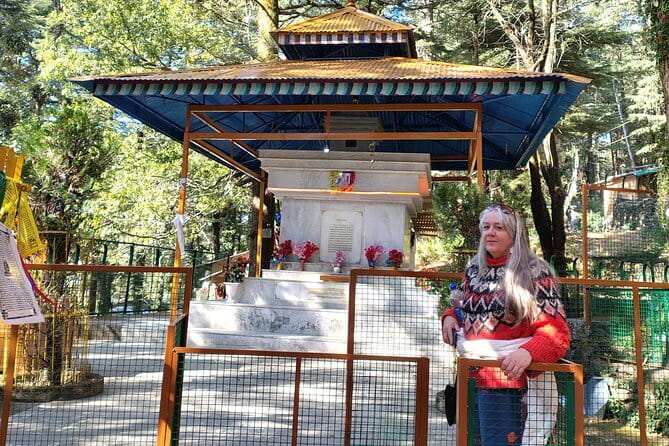
After forts and carving, Bajreshwari Devi Temple gives you a different flavor—myth and worship in an active religious setting. The legend connects to Sati’s sacrifice honoring Lord Shiva in her father’s yagya, and then Shiva carries her body, starting Tandav. The temple exists inside that story’s fallout, and your guide will translate the myth into a place you can stand in.
The tour lists the Bajreshwari Devi Temple entrance as free. That’s a meaningful value piece: it keeps your costs from ballooning mid-day, and it lets you spend more time focusing on the meaning rather than checking ticket counters.
Expect this stop to feel more intimate than the fort. It’s usually the kind of place where you understand quickly why devotees keep coming. If you like religious history explained in plain terms, this is a good one to pay attention to.
Lunch, bottled water, and what to bring on a mountain day
The tour highlights say lunch and bottled water are provided. At the same time, the fine print section also lists breakfast/lunch/dinner as not included, which is a small mismatch. Before you go, confirm what your voucher actually says about meals.
Even if lunch is included, I still treat the day like a mountain outing: bring sunscreen, a light layer for cooler air, and comfy shoes you can walk in confidently. You’ll spend time moving between stops and standing around viewpoints.
Also think about simple timing needs. You’ll be in a group and on a set loop, so having a small snack in your bag can save you if lunch runs a little later than you expect.
Price and value: is $42 fair for this day?
At $42 per person, this tour looks like a solid value if you’re staying in the Dharamshala/McLeod Ganj area and want to avoid stitching together transport for three heritage sites.
Here’s what you’re paying for, beyond the sites themselves:
- Hotel pickup and drop-off in the McLeod Ganj/Dharamshala area
- Private car transport as per the itinerary
- An English-speaking guide
- Parking fees handled for you
- A mobile ticket (useful for smoother check-in)
What might change the effective price: entrance fees. For foreign tourists, the Rock Cut Temple + Kangra Fort entrance fee is listed at ₹500 per person, and the Masroor and Kangra Fort segments list admission tickets as not included. Bajreshwari Devi Temple is free.
So the value math is mostly this: if you can pay the extra ₹500 without stress, the $42 becomes mostly about comfort and interpretation—getting a guide and transport without spending your day figuring it out.
Who this tour suits best (and who might want a different plan)
This tour fits best if you want:
- A guided heritage day rather than self-guided wandering
- Temple and fort stories explained in an organized way
- Less time on roads, more time at the stops
- A small group size that still moves efficiently
It’s also a good choice if your energy level is limited by altitude or mountain travel fatigue. A 7-hour guided loop can feel manageable compared with doing this across multiple days and multiple local transport connections.
If you’re the kind of traveler who wants to linger for hours at one site, this plan might feel a bit scheduled. The time blocks per stop are around an hour each, so you’ll get a strong highlight version rather than a slow deep study.
Weather, comfort, and the one day rule
This experience requires good weather. If it’s canceled due to poor weather, you’ll be offered a different date or a full refund.
That matters because mountain driving and outdoor viewpoints are the backbone of the day. If visibility is poor, your forts and valleys won’t land the same way. I’d watch the forecast the day before and choose a clear-window day if you have the flexibility.
For comfort, remember this is a group tour with pickup and ride segments. Keep your day bag light, wear shoes with grip, and plan for some standing/walking inside temple and fort areas.
Should you book this Kangra day tour?
Yes, you should book it if you want a smooth, guided way to see Masroor Rock Cut Temple, Kangra Fort, and Bajreshwari Devi in one organized day from Dharamshala/McLeod Ganj. The combination makes sense: carving and devotion first, fort and dynastic context next, then myth and worship to round it out.
I’d still check three things before paying and packing:
- Confirm exactly what your voucher includes for lunch since the details conflict.
- Plan for the possible extra entrance fee for foreign tourists at Rock Cut Temple + Kangra Fort.
- Choose a day with decent weather so the viewpoints and outdoors parts feel worth it.
If you get those lined up, this is a practical way to turn a single day into meaningful Kangra heritage.
FAQ
How long is the Kangra historical tour from Dharamshala?
It runs about 7 hours (approx.).
Does the tour include hotel pickup and drop-off?
Yes. Hotel pickup and drop-off are included.
Are the entrance fees included for Masroor Rock Cut Temple and Kangra Fort?
The tour lists entrance fees as included, but it also states that admission tickets are not included for the Rock Cut Temple and Kangra Fort. For foreign tourists, the entrance fee for Rock Cut Temple + Kangra Fort is ₹500 per person.
Is lunch included?
The highlights say lunch and bottled water are provided, but the details section also lists breakfast/lunch/dinner as not included. Check your booking/voucher to confirm what’s covered.
How large are the groups?
There can be up to 8 people per booking, and the overall activity has a maximum of 15 travelers.
Does the tour depend on weather?
Yes. It requires good weather. If it’s canceled due to poor weather, you’ll be offered a different date or a full refund.