REVIEW · DHARAMSALA
Private 2-Days McLeodGanj & Dharamshala Guided Tour
Book on GetYourGuide →Operated by Himachalbylocals · Bookable on GetYourGuide
Prayer flags and tea in two focused days. This private tour threads Tibetan Buddhism through McLeodganj and then into calmer Dharamshala, with a guide and driver handling the steep, winding roads so you can just show up and take it in.
I love the Kora Walk around the Tsuglagkhang Complex—prayer flags, mani stones, and spinning prayer wheels all part of the rhythm—then the stop at the Tibetan Library & Archives, one of the richest repositories of Buddhist texts and manuscripts outside Tibet. You get both the spiritual “place” feeling and the culture-and-text side that explains why this community protects its writings so carefully.
One consideration: there’s a moderate amount of walking, so wear comfortable shoes and plan for hills. Also, lunch is not included, so you’ll want a budget ready for a proper meal in town.
In This Review
- Key highlights you won’t want to skip
- Why this two-day route feels worth your time
- Day 1 in McLeodganj: Tsuglagkhang, Kora Walk, and Tibetan learning stops
- The small trade-off on Day 1
- The Tibetan Library & Archives: why it hits harder than it sounds
- Day 2 in Dharamshala: monasteries, art workshops, and a Shiva legend
- Plan for one practical break
- Kangra Art Museum and the Kangra Tea Plantation: culture plus a reset
- Price and what you’re really paying for at $94 per person
- Practical tips so your feet and camera both behave
- Who should book this tour, and who should skip it
- Should you book this private 2-day McLeodganj & Dharamshala tour?
- FAQ
- How long is the private tour?
- How much does the tour cost?
- Is the tour private, and is the guide in English?
- What’s included in the price?
- What costs are not included?
- What are the main stops on Day 1?
- What are the main stops on Day 2?
- Is free cancellation available?
- Who is this tour not suitable for?
Key highlights you won’t want to skip
- Tsuglagkhang Complex at the Dalai Lama Temple, plus the Kora Walk loop for mountain views
- Tibetan Library & Archives and a strong focus on texts and preservation outside Tibet
- Men-Tsee-Khang for Tibetan medical and astro learning, including herbal medicine ideas
- Gyuto Monastery, Norbulingka Institute, and Dolma Ling Nunnery for a full day of monastery-and-art context
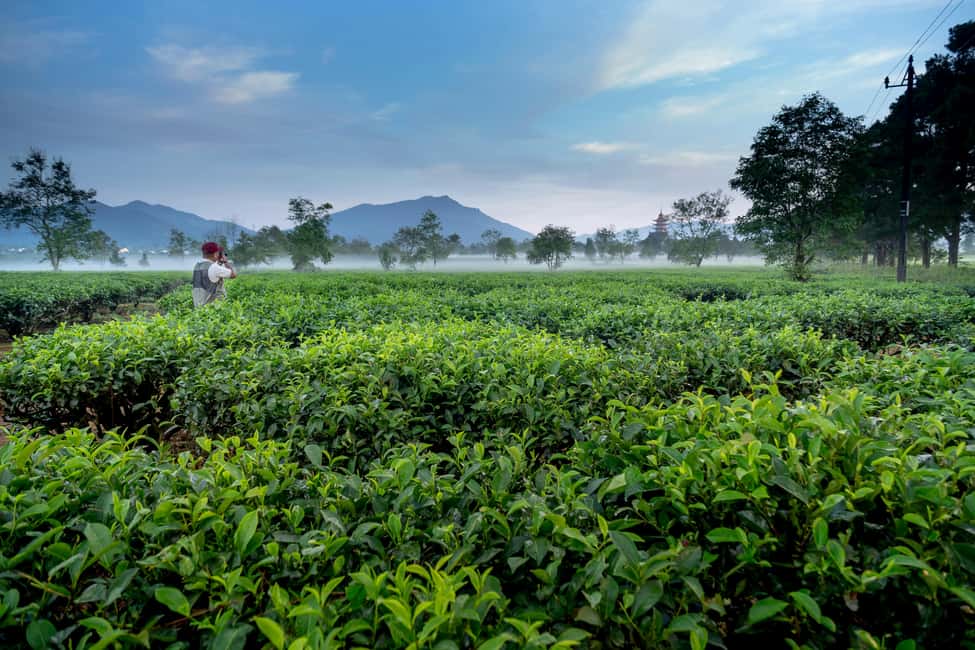
- Kangra Art Museum paired with a Kangra tea plantation walk and tea tasting
Why this two-day route feels worth your time
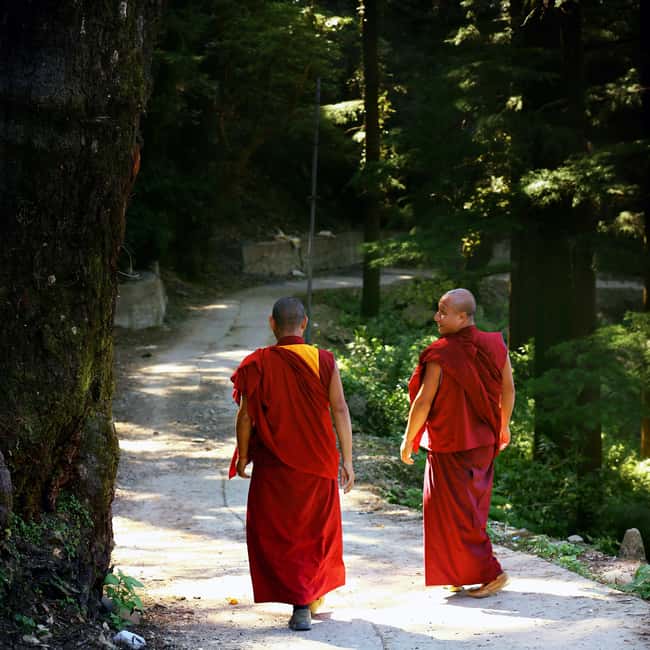
Dharamshala and McLeodganj can feel like they have a lot going on, but this plan keeps it organized. You’re not just ticking temples. You’re moving through a chain of places that connect belief, art, learning, and daily monastic life.
I also like that the tour mixes faith sites with culture sites. You’ll see the Dalai Lama Temple area, yes, but you’ll also spend time at institutions like the Tibetan Library & Archives and Men-Tsee-Khang. That shift matters because it helps you understand what communities do besides pray: they teach, preserve, and care for knowledge.
Finally, you get the advantage of a private car and hotel pick-up/drop-off. This is not a “hop on a local bus and hope” kind of area. With a good driver, the curvy roads become part of the journey instead of a stress test. If you’re paired with a driver like Abishek, you can expect smooth handling of the steep, bending roads.
You can also read our reviews of more guided tours in Dharamsala
Day 1 in McLeodganj: Tsuglagkhang, Kora Walk, and Tibetan learning stops
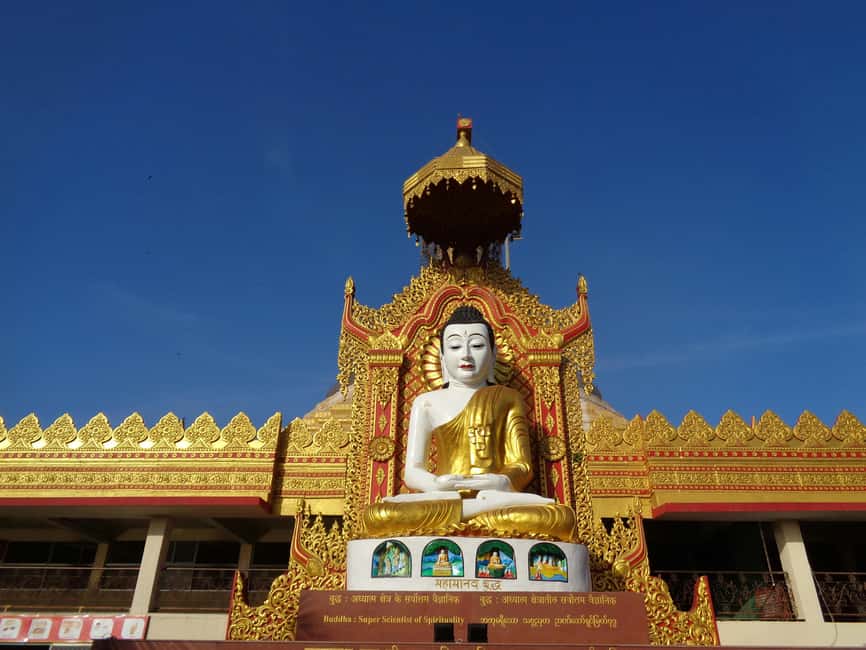
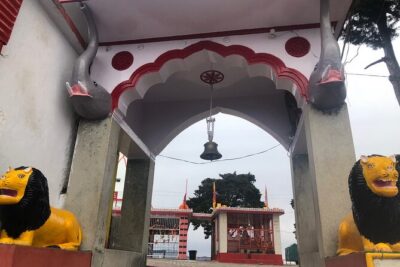
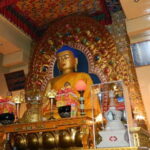
Your day starts with pick-up from your hotel and a short intro to the city tour. Then you head straight to the Dalai Lama Temple (Tsuglagkhang Complex). This is described as the spiritual heart of Tibetan Buddhism and the residence of His Holiness the 14th Dalai Lama, so it sets the tone fast.
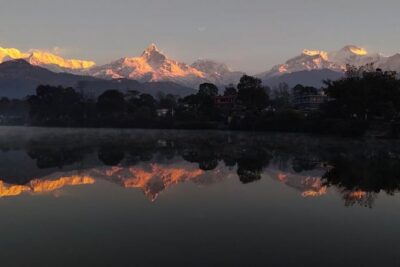
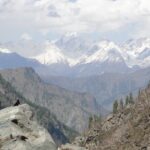
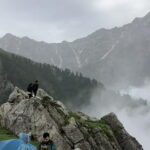
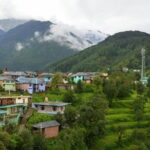
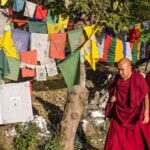
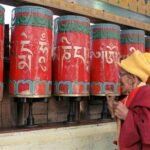
Next comes the Kora Walk, a meditative circumambulation around the complex. The walk is lined with prayer flags and mani stones, plus spinning prayer wheels. You’re also treated to spectacular views of the Dhauladhar mountains—this is one of those experiences where the setting adds meaning, not just scenery.
After that, you move into the Tibetan Museum. It focuses on Tibet’s history, the struggles of exile, and how Tibetan culture is preserved. This is a good counterbalance to the devotional energy outside. One moment you’re walking through symbols; the next you’re seeing the human story behind why those symbols matter.
The tour then shifts to practical tradition at Men-Tsee-Khang (Tibetan Medical & Astro Institute). Here you learn about ancient Tibetan healing techniques, herbal medicine, and astrology. If you’ve ever wondered how spiritual life, healing, and daily decisions connect in this tradition, this stop gives you a structured way to think about it.
Then you reach one of the most important knowledge stops: the Tibetan Library & Archives. It’s described as one of the richest repositories of Buddhist texts and manuscripts outside Tibet. Even if you don’t read manuscripts yourself, the idea of preservation—why it exists and what it protects—lands strongly.
To close the day, you visit Bhagsu Nag Temple, an ancient Hindu shrine associated with both Indian and Tibetan spiritual traditions. That cross-connection is a quiet reminder: in this part of the Himalaya, religious life often overlaps in ways that feel natural rather than forced.
The small trade-off on Day 1
Day 1 is packed. You’ll move from temple to museum to institute to library, with a moderate amount of walking along the way. If you like your sightseeing paced, you’ll still probably enjoy it, but you’ll want breaks when offered—and you’ll definitely want comfortable shoes.
The Tibetan Library & Archives: why it hits harder than it sounds
The Tibetan Library & Archives stop is not just another building on the route. It’s one of the few parts of the day that directly answers a big question: what happens to traditions when communities are living far from home?
You’ll be in a place devoted to Buddhist texts and manuscripts. The tour frames it as one of the richest repositories outside Tibet, which makes it feel like more than a museum stop. It’s closer to the idea of a living memory system—what gets copied, protected, and kept available for future generations.
This is also where a good guide makes the difference. In at least one past booking, the guide team included people like pranav and arzun, and the trip was praised for being informative and for making the experience feel smooth. You want an explanation that helps you connect symbols from the temple area to the purpose of preserving knowledge.
If you’re the kind of person who likes to understand the why behind what you’re seeing, this library-and-archives block is a highlight. It helps the rest of the tour click, because it gives you context for the seriousness behind preservation.
Day 2 in Dharamshala: monasteries, art workshops, and a Shiva legend
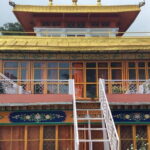
Day 2 starts with more monastery energy, but it’s a different flavor than Day 1’s temple-centered focus. You begin at Gyuto Monastery, described as a renowned center for tantric meditation and Buddhist philosophy. It’s also home to the reincarnation of the great Karmapa, and the setting is calm, with breathtaking views of the Dhauladhar mountains.
Then you head to the Norbulingka Institute, which acts as a hub for preserving Tibetan art and culture. This is hands-on in spirit, because you can witness skilled artisans practicing traditional Thangka painting, wood carving, and metalwork. If you’re worried that temples might feel repetitive after one day, this workshop-style cultural stop can refresh your senses.
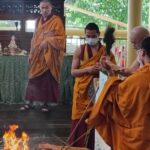
Next is Dolma Ling Nunnery, an important center for Tibetan Buddhist nuns. It’s described as a quiet sanctuary where visitors can observe nuns engaged in prayer and daily rituals. For me, the value here is the contrast: you’re not only seeing famous sites. You’re watching everyday religious discipline—how routines actually look in real life.
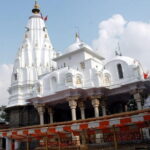
A short drive brings you to Aghanjar Mahadev Temple, a sacred Shiva temple believed to be over 500 years old. The tour notes that Arjuna from the Mahabharata meditated here, and the temple sits in a serene forest setting. This is a nice change of pace after monasteries focused on Buddhist traditions, and it adds depth to the region’s religious overlap.
You can also read our reviews of more private tours in Dharamsala
Plan for one practical break
Lunch is your responsibility on Day 2. The tour includes time after the temple sequence for a relaxing lunch at a local restaurant (own expense). If you’re trying to keep your energy up, eat something filling here before the museum and tea plantation portion.
Kangra Art Museum and the Kangra Tea Plantation: culture plus a reset
After lunch, the day turns toward Kangra’s broader cultural identity. You’ll visit the Kangra Art Museum, which explores the history and culture of the Kangra Valley. This stop helps you widen the lens beyond Tibetan heritage alone. You still stay connected to the region’s cultural storytelling, just through a different angle.
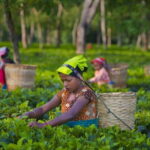
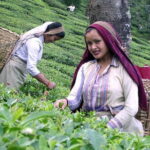
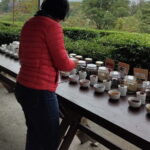
Then you finish with the Kangra Tea Plantation. You’ll stroll through lush tea gardens, learn about the tea-making process, and enjoy a fresh cup of Kangra tea. This ending works well for the overall pacing because it’s not about rules or rituals. It’s about moving at a relaxed walking speed, soaking up the views, and tasting a local product tied to the area’s identity.
If you’re the type who hates ending tours with one more “look at another temple from the outside” moment, this tea stop is a smart payoff. It feels like a reward, but it’s still educational.
Price and what you’re really paying for at $94 per person
At $94 per person for a 2-day private tour, you’re buying a few concrete things: pick-up and drop-off from your hotel, an English-speaking guide, and a private car for sightseeing across multiple sites. Taxes are included too.
What you’re not paying for is also clear. Lunch is not included, and monument fees and personal expenses are not included. Gratuity is not included either. So if you like to handle meals and smaller entry costs without thinking, you’ll want to budget for those extras.
Here’s the real value question: does private, driver-supported transport make sense here? In Dharamshala and McLeodganj, roads can be steep and bending, and the tour format depends on moving efficiently between sites. Past trips praised drivers such as Abishek for navigating those roads with ease. That kind of driving turns the tour into a comfortable experience instead of a tiring logistics project.
Also, the private format matters because it changes how you experience “quiet” places. Monasteries and nunnery visits are better when you’re not being herded with a huge group rhythm. You can usually move with the flow instead of fighting it.
Practical tips so your feet and camera both behave
You’ll be doing a moderate amount of walking, so plan for it like you’re spending a day in hilly terrain. Wear comfortable shoes and clothing suitable for the weather. Bring a hat, sunscreen, and a water bottle to stay hydrated.
Photography is allowed, but be respectful about the privacy of individuals. That’s especially relevant around temple and monastic environments, where people are there for prayer and daily rituals, not for photos.
One simple behavior note: smoking is not allowed. It’s worth remembering even if you’re stepping out for a moment between stops.
And since it’s private, you can use the guide time well. Ask questions about what you’re seeing—like the difference between a temple visit and an institute visit. A guide who explains the connection (spiritual symbols, healing traditions, art preservation, and texts) helps you walk away with more than photos.
Who should book this tour, and who should skip it
Book it if you want a structured introduction to McLeodganj and Dharamshala focused on Tibetan Buddhism and the institutions that support it. This tour works well for first-timers who want the major spiritual sites, plus cultural and educational stops like the Tibetan Library & Archives and Men-Tsee-Khang.
It’s also a strong fit if you like variety within one trip: prayer and ritual on one side, and art-making, healing tradition, and tea culture on the other.
Skip or reconsider if you have back problems or if you’re traveling with a child under 5. The tour is also listed as not suitable for people over 95. Walking and the mountainous setup are real factors here.
Should you book this private 2-day McLeodganj & Dharamshala tour?
Yes, if you want an organized, private way to connect Tibetan spiritual life with culture and learning across two days. The itinerary’s strength is the mix: temples and Kora Walks, plus institutions like Men-Tsee-Khang and the Tibetan Library & Archives that explain what’s being preserved and why.
No, if you want total freedom to wander without structure. This tour is designed as a sequence. You’ll get the most value when you follow that flow and let the guide connect the dots between stops.
If you’re aiming for a calm, guided introduction with mountain views, cultural context, and a relaxing tea-plantation finish, this one makes sense.
FAQ
How long is the private tour?
The tour lasts 2 days.
How much does the tour cost?
It is priced at $94 per person.
Is the tour private, and is the guide in English?
Yes, it’s a private group with an English-speaking live guide.
What’s included in the price?
Pick-up and drop-off at your hotel, a professional English-speaking guide, a private car, sightseeing as per the itinerary, and all taxes are included.
What costs are not included?
Lunch, personal expenses, monument fees, anything not mentioned in the inclusions, and gratuity are not included.
What are the main stops on Day 1?
Day 1 includes the Dalai Lama Temple (Tsuglagkhang Complex), the Kora Walk, the Tibetan Museum, Men-Tsee-Khang, the Tibetan Library & Archives, and Bhagsu Nag Temple.
What are the main stops on Day 2?
Day 2 includes Gyuto Monastery, Norbulingka Institute, Dolma Ling Nunnery, Aghanjar Mahadev Temple, the Kangra Art Museum, and the Kangra Tea Plantation.
Is free cancellation available?
Yes. You can cancel up to 24 hours in advance for a full refund.
Who is this tour not suitable for?
It is not suitable for children under 5, people with back problems, and people over 95.