REVIEW · POKHARA
Pokhara: Nepali Cooking Class and Momo Making Workshop
Book on GetYourGuide →Operated by My Dream Adventure · Bookable on GetYourGuide
Smells of garlic, ginger, and spices turn a lesson into a meal. This Pokhara cooking class gets you into a real Nepali kitchen with an Aama chef instructor, where you cook what you’ll then sit down to enjoy.
I love the small group size (up to 8) because you get time to ask questions and actually practice each step. I also like how hands-on it is, from ingredient prep to shaping momo or building a plate around dal bhat.
One thing to consider: this experience is not suitable for people with food allergies, so if you need strict allergy handling, you’ll want to think twice.
In This Review
- Key highlights at a glance
- Pokhara’s cooking class: more than a food show
- Price and what you’re really paying for ($42 per person)
- Getting picked up in Pokhara and heading to a home kitchen
- The ingredient shopping stop: where flavor starts
- Inside the workshop: learning from an English-speaking Aama chef instructor
- Dal Bhat or momo: choosing your Nepali comfort food
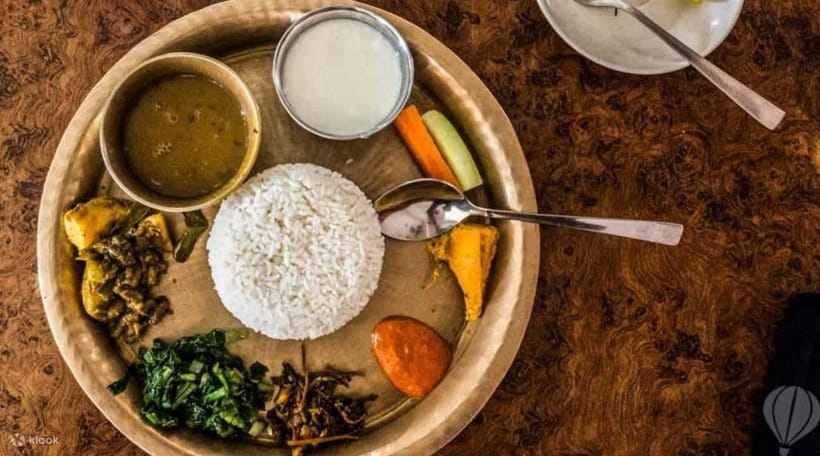
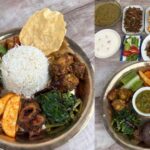
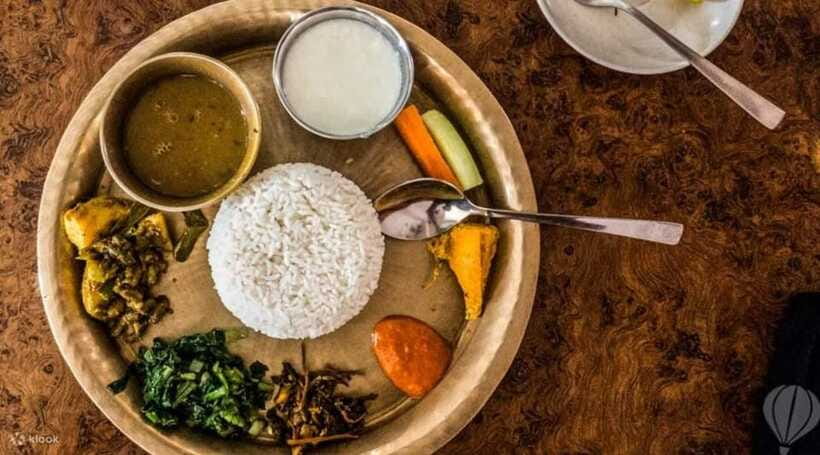
- Dal Bhat: rice with lentil curry that feels like a full meal
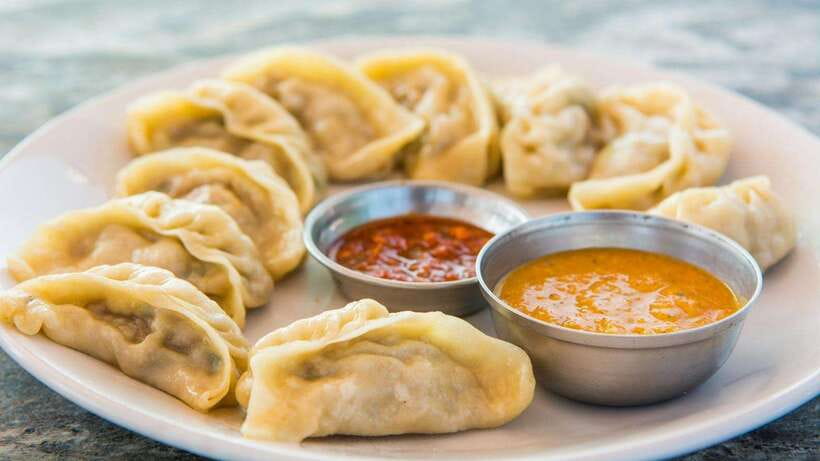
- Momo: dumplings with chicken or vegetarian fillings
- The masala tea moment and the shared meal payoff
- What makes this workshop feel authentic
- Timing: what 3 hours really allows
- Who should book this cooking class (and who should skip it)
- Practical tips so you get the best experience
- Should you book this Pokhara cooking workshop?
- FAQ
- How long is the cooking class in Pokhara?
- What is the price per person?
- Is hotel pickup and drop-off included?
- Where does the activity take place?
- What dishes can I choose to cook?
- Are ingredients and equipment included?
- Is the instructor English-speaking?
- How large is the group?
- What do I need to bring?
- Is the class suitable for people with food allergies?
Key highlights at a glance
- Hotel pickup and drop-off so you don’t burn time figuring out transport in Pokhara
- Market shopping time to choose fresh vegetables, spices, and meat
- Hands-on cooking with step-by-step guidance in a traditional home kitchen
- Pick your focus: dal bhat (rice + lentil curry) or momo (dumplings, chicken or vegetarian)
- You eat what you make, plus Nepali masala tea during the lesson
Pokhara’s cooking class: more than a food show
If you’ve ever watched someone else cook and thought, I could do this with guidance, this is the kind of class that makes sense. You’re not just tasting. You’re making. And in Nepal, that matters because the biggest flavors come from technique: how spices are toasted, how stuffing is handled, and how sauces and sides come together on the plate.
In a traditional Nepali kitchen, the pace feels like home cooking. There’s warmth, but also clear structure: you get instructions, you repeat the tasks, and you end with a meal you built yourself. You also get the cultural side, not as a lecture, but as context for why certain dishes land the way they do in Nepali dining.
You can also read our reviews of more cooking classes in Pokhara
Price and what you’re really paying for ($42 per person)
At $42 for about 3 hours, the value comes from the full package, not just the recipe cards. You get hotel pickup and drop-off, a small group format (up to 8), and a true teaching setup with all ingredients and equipment included.
For many food experiences, you pay for the meal and the show. Here, the meal is the result of the class. That changes how you experience the price: you’re not buying dinner and watching a demonstration. You’re buying time with an instructor, active cooking practice, and the ingredients needed to do it properly.
Also, you’re getting Nepali masala tea during the lesson and a full tasting/meal at the end. If you like your travel experiences to give you something usable after the trip, the hands-on nature is the point.
Getting picked up in Pokhara and heading to a home kitchen
Your day starts with pickup from your hotel in Pokhara. The driver uses a name card, and pickup and drop-off are included, so you won’t have to guess where to meet. In practice, this is one of the best ways to keep a cooking class relaxing. You show up, your group is organized, and you can focus on learning.
After pickup, you’ll head to the kitchen setting where the workshop runs. It’s designed for a smooth experience in a short time window: you’re not spending half the day commuting.
Practical note: wear comfortable clothes and shoes you don’t mind getting a little kitchen-dust on. Even if the class is tidy, dumpling work and spice handling can get messy fast.
The ingredient shopping stop: where flavor starts
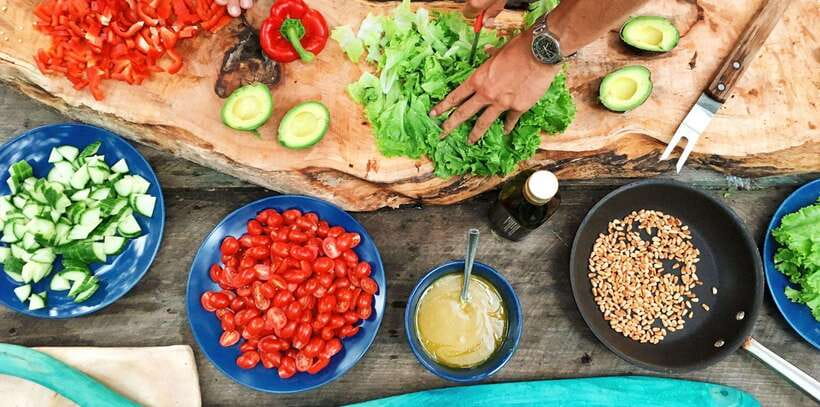
Before you cook, you’ll get time to explore local markets to buy vegetables, spices, and meat for the class. That’s a real advantage, because you see the ingredients that shape Nepali cooking rather than relying on pre-packaged versions.
This part helps you understand two things quickly:
- Spice selection matters. It’s not only about heat; it’s about the aroma and balance.
- Fresh ingredients drive the texture in dishes like momo (through filling consistency) and in the sides that make a plate feel complete.
If you’re the kind of person who likes to recreate meals later, the shopping segment is where your future success starts.
Inside the workshop: learning from an English-speaking Aama chef instructor
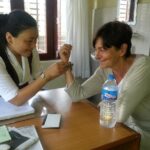
The heart of the class is the instruction. You’ll be working with a local house kitchen head, described as an Aama chef instructor, and the teaching is in English.
What this typically means for you as a learner:
- You get step-by-step guidance, so even if you’ve never chopped onions without crying, you’ll have a path forward.
- The kitchen context is practical. You’re learning technique for how Nepali families cook, not just how to follow a single recipe.
The experience is also built for mixed skill levels. It’s suitable for both beginners and experienced food lovers, which makes it a good choice if you’re traveling with someone who wants more than a casual activity.
And because the group is small, you’re not competing for attention. You can ask questions mid-process, and you’re more likely to get feedback when your momos are looking a little too loose or your dal needs adjustment.
You can also read our reviews of more tours and experiences in Pokhara
Dal Bhat or momo: choosing your Nepali comfort food
At the start, you can choose between two classic options: dal bhat or momo.
Dal Bhat: rice with lentil curry that feels like a full meal
Dal bhat is described as a quintessential Nepali dining dish: rice paired with lentil soup/curry. In a cooking class like this, you’re not just cooking lentils. You’re learning how the curry and rice work together as one plate.
Why this is worth choosing:
- It teaches you a foundation of Nepali flavor building.
- It’s easier to replicate at home later than dishes that depend on specialized textures.
- It gives you a clear taste of how Nepali meals are structured: warm, filling, and balanced.
Momo: dumplings with chicken or vegetarian fillings
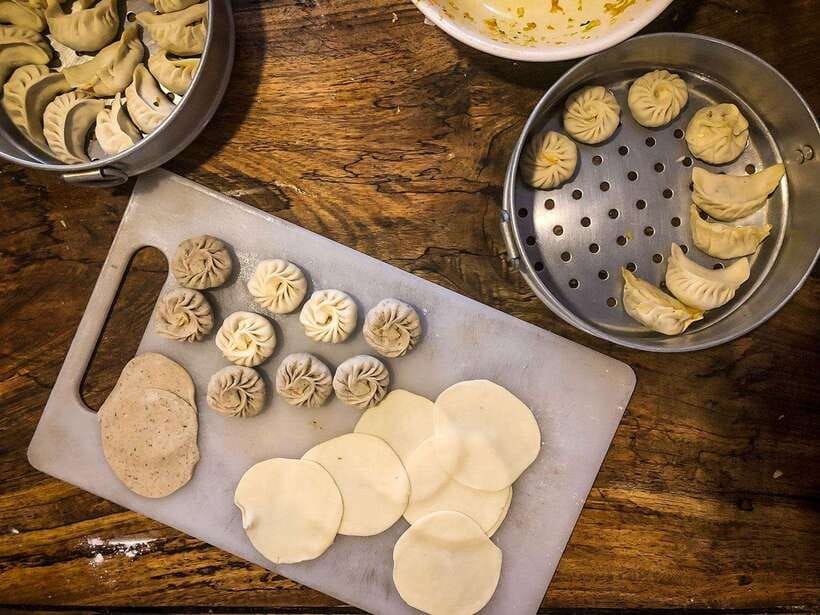
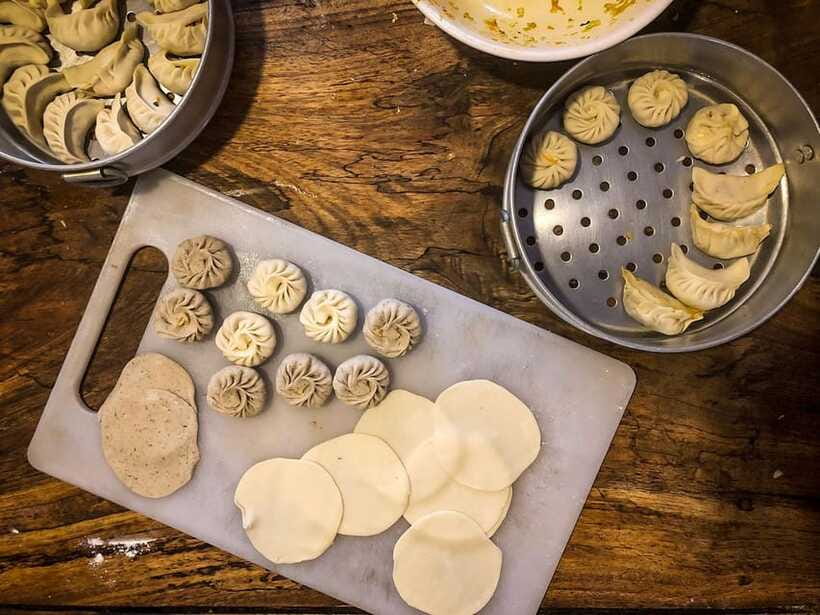
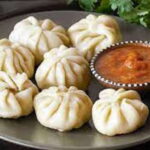
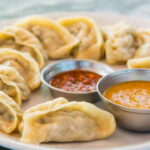
If you pick momo, you’ll learn to make dumplings with a choice of chicken or vegetarian fillings. Dumplings are a great workshop dish because they teach hands-on technique: portioning, filling, shaping, and cooking method.
From the class focus, momo is the “skill-building” choice. You can feel the learning curve in real time. And when you get the hang of the dough and closing method, the results are instantly satisfying.
Either way, you’ll also taste a Nepali meal that comes from the work you did, plus there’s a tasting session during the lesson.
The masala tea moment and the shared meal payoff
Some classes end when the cooking starts to get stressful. This one is designed to land you back at the table.
You’ll have Nepali masala tea during the lesson, and after cooking, you enjoy the meal of the dishes you prepared. That matters because you’re judging flavors with fresh memory. You know what you adjusted, what you added, and why the final balance works.
If you like ceremonies (without the long speeches), you may also notice small end-of-class extras depending on the group. In past experiences, the family-style team has included finishing touches like a completion certificate, and in some cases, little cultural greetings like Tika on the forehead and even a scarf. It’s not the kind of thing you should expect every time, but it’s a real part of the warm, personal vibe.
What makes this workshop feel authentic
A cooking class can be educational and still feel generic. This one has a more personal texture because it’s centered on a local home kitchen and taught by the household instructor team.
Here’s what that means for your trip:
- You’re learning the way people actually cook daily, not a restaurant system.
- You’re learning the logic behind dishes, including their cultural significance in Nepali meals.
- You’re eating in a way that feels normal, not staged for photos.
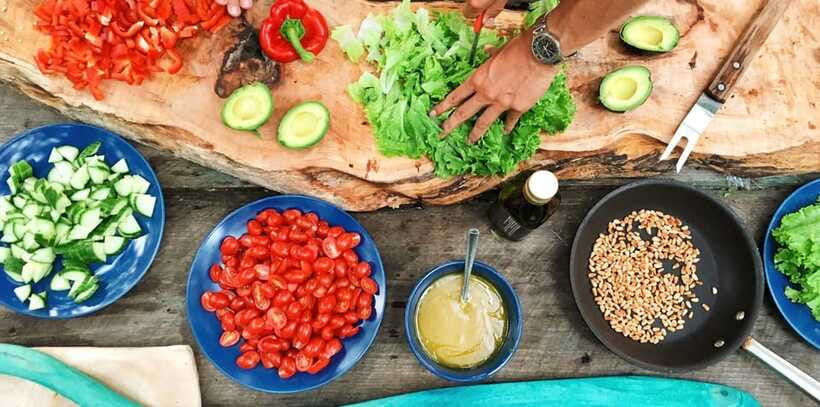
The lesson also stays practical. You’re guided through choosing ingredients, prepping, and cooking with the right tools, and you leave with a sense of how the dishes fit together on a Nepali table.
Timing: what 3 hours really allows
3 hours sounds short until you break it down. You’re doing pickup, heading to the kitchen area, shopping, then cooking, then tasting and eating.
That’s enough time for a real experience, but it’s not enough for a multi-day food training. The goal is to get you cooking and understanding the core steps of Nepali home dishes, not to master every variation.
So if your dream is to spend an entire day perfecting spice layers for every curry style, this may feel like a sampler. If your goal is to learn how Nepali dishes come together and be able to recreate something at home, it’s a smart length.
Who should book this cooking class (and who should skip it)
This class is a strong fit if you:
- Want a hands-on activity in Pokhara rather than another sightseeing pass
- Like comfort foods like dal bhat and dumplings like momo
- Prefer small-group teaching with step-by-step support
- Would enjoy shopping for ingredients as part of the experience
You might want to skip or ask extra questions if:
- You have food allergies. The workshop is listed as not suitable for allergies.
- You’re expecting a restaurant-style course with formal equipment. This is a home-kitchen setting with cooking practices built around typical household tools and flow.
If you’re traveling with family or a grandmother type who wants to help, this class style tends to work well. One earlier group described learning together in a family setting, which tells me the kitchen energy is relaxed even while instruction stays focused.
Practical tips so you get the best experience
Here are the details that matter once you’re standing in the kitchen:
- Bring comfortable clothes and shoes you can move in.
- Bring a camera if you want photos of the process and the final dishes.
- Let the instructor know about dietary restrictions in advance.
- Plan to eat what you cook, so come hungry and ready to taste.
Also, follow the house rules: no smoking indoors.
If you’re worried about spice level, you can frame that before class starts as a preference. The workshop does note that it includes typical dishes and homemade seasoning work, so expect real flavors rather than mild tourist versions.
Should you book this Pokhara cooking workshop?
I think it’s an excellent choice if you want one activity in Pokhara that gives you both memory and a skill. The combination of hotel pickup, small-group teaching, market shopping, and a finish of eating your own dal bhat or momo is exactly the kind of “I’ll use this later” travel day that feels worth paying for.
Book it if:
- You’ll enjoy cooking and want guidance, not just tasting
- You like Nepali comfort food and want to learn technique
- You want a local home-kitchen experience run in English
Skip it if:
- You have food allergies you need the class to accommodate
- You hate hands-on cooking or you’re short on time and just want a quick snack stop
If you’re on the fence, choose based on your appetite for technique: momo for hands-on shaping and dumpling work, dal bhat for foundational curry-and-rice comfort. Either way, you’ll leave with a plate you built yourself and a better sense of how Nepali meals are put together.
FAQ
How long is the cooking class in Pokhara?
The workshop runs for 3 hours.
What is the price per person?
The price is $42 per person.
Is hotel pickup and drop-off included?
Yes. Hotel pickup and drop-off are included.
Where does the activity take place?
It takes place in Pokhara, Western Region, Nepal, with the cooking lesson in a local house kitchen.
What dishes can I choose to cook?
You can choose dal bhat or momo (with chicken or vegetarian fillings).
Are ingredients and equipment included?
Yes. All cooking ingredients and equipment are included.
Is the instructor English-speaking?
Yes. The instructor is listed as English.
How large is the group?
The class is small group and limited to 8 participants.
What do I need to bring?
Bring a camera and comfortable clothes (plus comfortable shoes for cooking).
Is the class suitable for people with food allergies?
No. The experience is listed as not suitable for people with food allergies.