REVIEW · KATHMANDU
Everest Base Camp Trek | Deluxe Lodges | Both Way Helicopter Ride
Book on Viator →Operated by Life Himalaya Trekking · Bookable on Viator
Everest Base Camp, minus the usual slog. This 10-day deluxe lodge trek pairs the classic Himalayan route with both-way helicopter rides, so you spend your energy hiking the memorable parts instead of burning days on transit. I like the tight structure here: Lukla flight on Day 2, accl-focused days in Namche and Dingboche, then the big Everest moments near Gorakshep and Kala Patthar.
You’ll also like the way the package handles day-to-day comfort. Warm down gear (a -20°C sleeping bag and jacket) and organized logistics mean you’re not piecing together equipment and meal plans at the last minute.
One real consideration: the helicopter is a core part of the plan, and it’s sharing based. That can make timing less flexible if weather or flight routing changes.
Key points before you go
- Both-way helicopter rides: Kathmandu to Lukla, and Gorakshep to Lukla, then the included return to Kathmandu.
- Deluxe lodge stays: twin-share “best available” lodges during the trek, plus two 3-star nights in Kathmandu.
- Real acclimatization rhythm: built-in days around Namche and Dingboche to reduce risk, not just to check a box.
- Comfort-minded gear: down jacket and -20°C sleeping bag provided (returned after the trip).
- Guide + porters ratio: 1 porter for every 2 people, plus a government-licensed trek guide and first-aid/oximeter support.
- Permits handled: Sagarmatha National Park and Pasang Lhamu Rural Municipality fees are included.
In This Review
- Both-Way Helicopter: turning Everest Base Camp into a faster, more forgiving trip
- Kathmandu setup in Thamel: the two hotel nights that make altitude easier
- Lukla flight + first trek to Phakding: settling in without the long grind
- Namche Bazaar + Syangboche accl days: coffee with Everest View Hotel vibes
- Tengboche Gompa and Pangboche: monastery stops that slow the day down
- Dingboche and Lobuche: the climb-high-sleep-low rule becomes your safety tool
- Gorakshep to Everest Base Camp, then helicopter return: glacier terrain without the return slog
- Kala Patthar sunrise and the final day: your Everest moment after the hard climb
- Price and what you really get for $3,332
- Who this Deluxe Lodge EBC + helicopter package fits best
- Should you book this Everest Base Camp trek with Life Himalaya?
- FAQ
- What is the duration of this Everest Base Camp experience?
- Where does the trek start and where does it end?
- Which helicopter rides are included?
- Are airport transfers included in Kathmandu?
- How are accommodations handled during the trek?
- What meals are included?
- What permits are included?
- What equipment is provided for the cold?
- FAQ
- Do I need travel insurance for this trip?
- What’s the luggage allowance on the trek?
- Is this a private group experience?
Both-Way Helicopter: turning Everest Base Camp into a faster, more forgiving trip
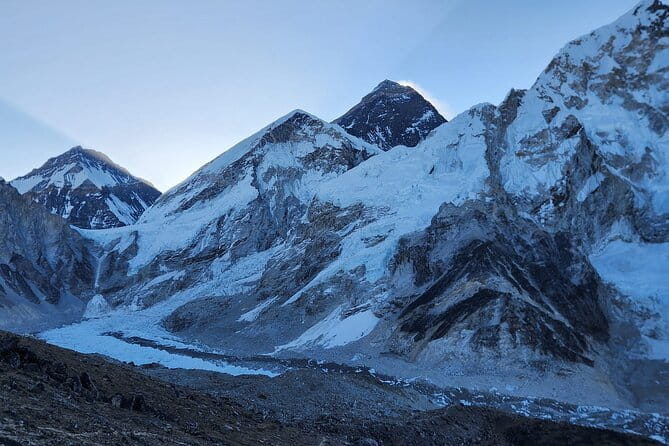
The standard Everest Base Camp trek can be brutal on time and legs. This version keeps the heart of the journey—Lukla start, Sherpa villages, Everest Base Camp, and a Kala Patthar sunrise—but trims the “extra days” by using helicopters.
For you, the biggest value is energy management. Instead of spending days marching between far-flung points, you’re hiking when the route is scenic and meaningful, and flying when it saves you from fatigue that doesn’t add much to the experience.
The second value is clearer pacing. You still have altitude days (so you can’t treat this as a casual walk), but you’re not stacking endless long-distance trekking just to reach the turnaround points.
Kathmandu setup in Thamel: the two hotel nights that make altitude easier
Day 1 is all about reset. You’re met after landing at Tribhuvan International Airport and taken to a hotel in Kathmandu (Thamel area). Then you get one night before and one night after the trek in Kathmandu, with breakfast included for those stays.
Why this matters: after a long flight, you’re already slightly dehydrated and sleep-deprived. Giving you a proper hotel night helps you start Day 2 in better shape. It also makes the trek feel less like a chaotic scramble and more like a real plan.
If you’re thinking about logistics nerves, the package is built to reduce them. You get pickup and drop by private transportation, and the experience provides coordination for emergency and rescue operations—so the “what happens if…” questions are less scary.
You can also read our reviews of more hiking tours in Kathmandu
Lukla flight + first trek to Phakding: settling in without the long grind
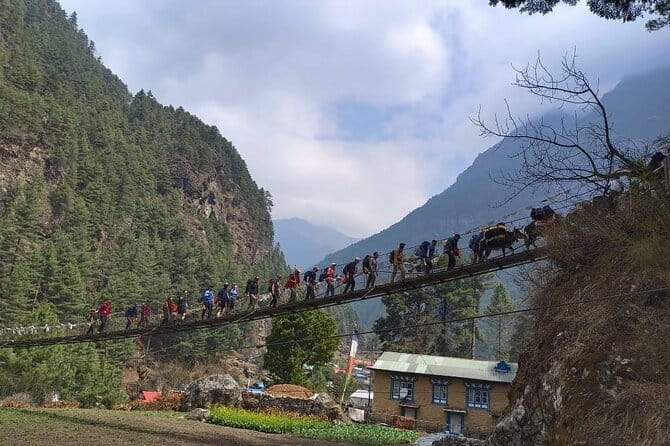
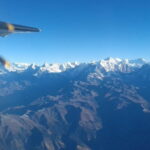
Day 2 begins early with the helicopter from Kathmandu to Lukla (about a 45-minute scenic flight). You’re flying over major mountain regions, and you land at Lukla to start walking. Then the first trekking day takes you to Phakding with an emphasis on keeping the hiking manageable so you can acclimatize.
This is a smart entry strategy. Your first day on the trail is the one where you want to avoid going too hard. Instead of forcing a big summit-style push, you’re easing into altitude and routine: walk, rest, hydrate, repeat.
Practical detail worth noting: luggage limits are part of the plan. You’re allowed up to 10 kg in a big bag and 5 kg in a handbag, and porters handle the trekking logistics with a structured support team. That means you’re less likely to end up dragging too much weight while your body is adjusting to altitude.
Namche Bazaar + Syangboche accl days: coffee with Everest View Hotel vibes
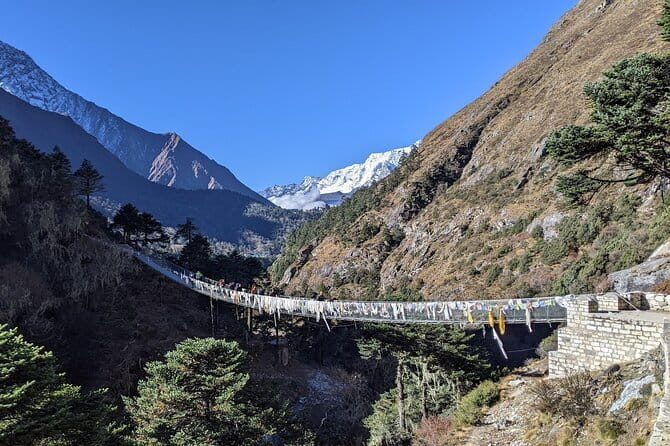
The trail steadily builds toward Namche Bazaar, including a day that features pine forests and river scenery along the Dudh Koshi corridor. You’ll pass classic bridge points on the route—like the Hillary Bridge—then climb into Namche.
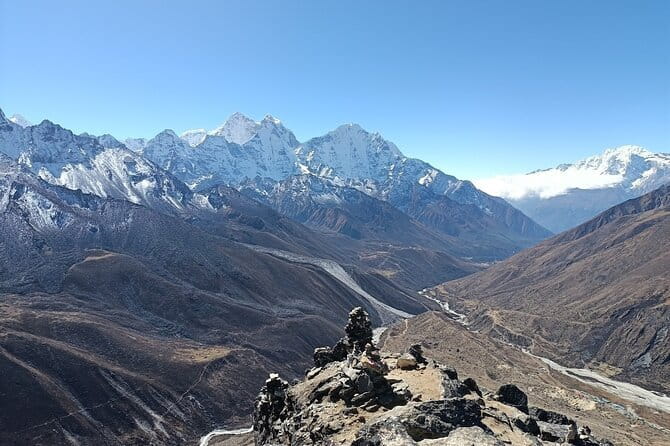
Namche is where Everest Base Camp starts to feel real. It’s also where you’ll likely notice how much the trek is designed around acclimatization, not just distance. You get time in Namche and then an accl-related day climbing to Syangboche, which sits near the Khumbila Peak area.
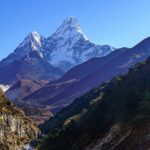
One of the standout moments here is the stop around Everest View Hotel, located at about 3,880 m. Even if you don’t pay for anything at the hotel, the altitude alone makes it memorable—and it’s an easy place to catch your breath and watch the peaks.
What I like about this design for you: it gives your body a chance to adjust while still giving you satisfying mountain views. You’re not stuck in a holding pattern for days. You’re working on acclimatization while also moving through iconic viewpoints.
Tengboche Gompa and Pangboche: monastery stops that slow the day down
As you work your way onward, the trek includes cultural anchors, not just altitude milestones. Day 5 centers on Tengboche Gompa—one of the most famous monastery areas on the route—so this isn’t a “march through villages” experience.
Then Day 6 brings Pangboche, with a Buddhist monastery stop (the Pangboche Buddhist monastery area is part of the plan). These stops matter because they reset your pace. You stop moving, look around, and get a sense of how Sherpa life and mountaineering culture have blended in this region.
From a practical standpoint, monastery areas often offer good shelter from wind and a chance to regroup. Even if the day is “just trekking,” these are the points where the trip feels less mechanical and more human—people living with the mountain in their day-to-day world.
Dingboche and Lobuche: the climb-high-sleep-low rule becomes your safety tool
Altitude doesn’t care about your itinerary. That’s why this trek builds acclimatization days into the middle, not only the beginning.
Day 7 is a second acclimatization day in Dingboche, following the common rule: climb higher and sleep lower. This is the right kind of “work” for altitude—short enough to be manageable, structured enough to reduce the odds of an unpleasant surprise.
After that, Day 8 moves you toward Lobuche. It’s described as a lighter day on paper, but you still gain significant altitude. You’ll pass memorial areas on the route too (including references to the Thukla memorial), which adds emotional weight to the long, windy stretch. Even when you’re focused on your breathing, you can’t ignore that this region has a serious relationship with risk.
For you, the takeaway is simple: don’t treat the middle days as optional. If you follow the pacing and don’t rush meals or hydration, the accl rhythm is what makes later highlights possible without feeling like punishment.
You can also read our reviews of more tours and experiences in Kathmandu
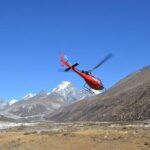
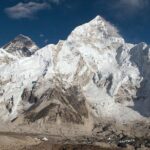
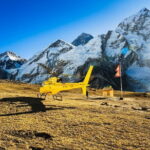
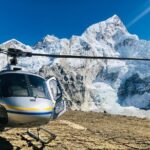
Gorakshep to Everest Base Camp, then helicopter return: glacier terrain without the return slog
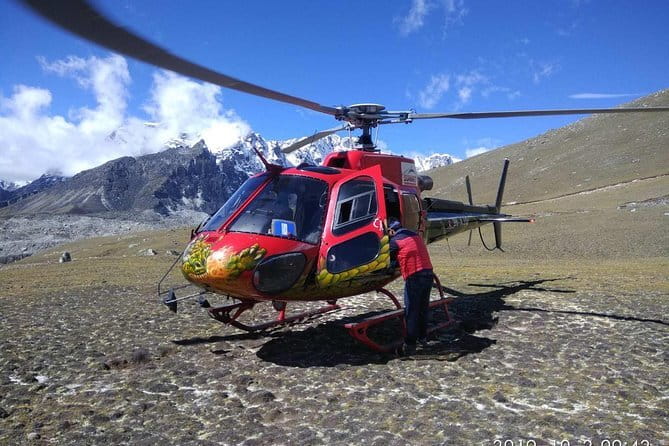
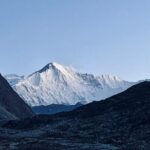
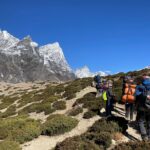
Day 9 is the big payoff. You leave Lobuche and trek about 4 hours along glacier terrain to Gorakshep, the staging point before Everest Base Camp. Then you reach Everest Base Camp—the highlight most people come for.
This part is important to understand realistically: glacier terrain can feel slow and unstable underfoot. It’s not about speed; it’s about rhythm, careful steps, and staying calm when your breathing is working hard.
The clever part of this package is what happens next. Instead of trekking back all the way, you get the sharing helicopter from Everest Base Camp (Gorakshep) to Lukla. That’s a massive fatigue reducer. You’ll still be tired from altitude, but you’re removing the “long return hike” that drains trekkers even when they’ve succeeded.
In other words, you get the Everest moment and then you don’t pay for it with an extra multi-day slog.
Kala Patthar sunrise and the final day: your Everest moment after the hard climb
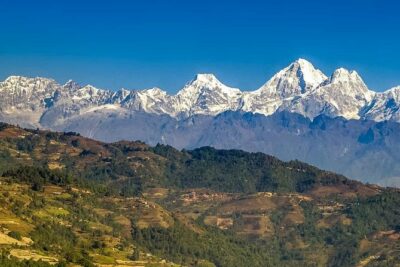
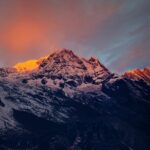
Day 10 starts early, before sunrise, with the plan to hike to Kala Patthar. This is where you chase panoramic views and the classic sunrise moment—faces of Everest and surrounding peaks, with the sky doing its dramatic thing.
Kala Patthar is usually steep and cold, so this is one day where being mentally ready matters as much as being physically ready. If you tend to be impatient, practice patience now. Slow steps beat heroics.
After the hike, the trek ends back in Kathmandu. The package includes the helicopter return connection from Lukla to Kathmandu, so you’re not stuck with endless local transfers at the end of the trip.
Price and what you really get for $3,332
At $3,332 per person, this isn’t a budget trek. But it’s also not “pay extra for nothing.” A big chunk of the cost is doing actual work: helicopters both ways, government permits, guides, porters, lodging, and required cold-weather gear.
Here’s what’s covered in the package:
- Helicopters: Kathmandu ↔ Lukla (sharing) and Gorakshep → Lukla (sharing).
- Lodging: 2 nights in Kathmandu in a 3-star hotel with breakfast, plus twin-share deluxe lodges during the trek.
- Meals during the trek: breakfasts for 10 days, plus lunch and dinner on 8 days each (and a farewell cultural dinner in Kathmandu).
- Permits: Sagarmatha National Park and Pasang Lhamu Rural Municipality fees.
- Trek support: government-licensed trek guide, and porters (1 porter for 2 people).
- Gear: down jacket and a -20°C sleeping bag (returned after the trip), plus a trekking bag/duffel and t-shirt.
- Safety basics: first-aid kits for staff and group, including an oxi-meter, plus emergency coordination support.
What’s not included, and you should plan for:
- Travel insurance that covers rescue and evacuation (up to 5,500 m is mentioned for this requirement).
- International airfare and Nepal entry visa costs.
- Beverages and snacks, plus lunch and dinner in Kathmandu (breakfasts in Kathmandu are included).
So the real value question isn’t just “Is it expensive?” It’s this: are you willing to pay to reduce the harshest parts of the trek (time on foot and the return hike) while still getting the core Everest milestones? If yes, the math can work well.
Who this Deluxe Lodge EBC + helicopter package fits best
This is a great match if:
- you have limited time but still want the classic Everest Base Camp experience
- you want deluxe lodges and fewer logistics headaches
- you’d rather spend effort walking the key segments than hiking a long return
You should think twice if:
- you’re extremely sensitive to tight schedules (helicopter timing is central and sharing matters)
- you don’t have strong fitness. The plan still includes multiple altitude hikes and a cold early-morning push to Kala Patthar.
Also, this is a private tour—meaning it’s just your group—so you won’t feel like you’re stuck in a crowded cattle line with strangers.
Should you book this Everest Base Camp trek with Life Himalaya?
I’d book it if you want a structured, comfort-minded Everest Base Camp trip that still hits the big moments: Lukla start, Namche accl rhythm, Tengboche/Pangboche cultural stops, Everest Base Camp, and Kala Patthar sunrise—plus a helicopter return that saves you from extra days of pounding your legs.
I’d hesitate if you’re trying to budget tightly or you’re not comfortable with the idea that the helicopter is a key part of your route plan. In that case, you might prefer a fully foot-based itinerary where you control your pacing more.
If you do book: pack for cold early mornings, follow the guide’s pacing (especially on accl days), and double-check that your insurance covers rescue/evacuation at altitude as required. That’s the small step that keeps the whole trip from becoming stressful.
FAQ
What is the duration of this Everest Base Camp experience?
It’s listed as 10 days (approx.).
Where does the trek start and where does it end?
The meeting point is Life Himalaya Trekking in Kathmandu (Narsingh Chowk Marg). The activity ends back at the meeting point in Kathmandu.
Which helicopter rides are included?
The package includes sharing flights from Kathmandu to Lukla, and from Everest Base Camp (Gorakshep) to Lukla, plus the included helicopter ride back to Kathmandu.
Are airport transfers included in Kathmandu?
Yes. Private transportation is included for airport pickup and drop.
How are accommodations handled during the trek?
You get twin-share best available lodge accommodations during the trek, plus 02 nights in Kathmandu at 3-star hotels (one night before and one night after the trek), with breakfast.
What meals are included?
Breakfast is included for 10 days. Lunch and dinner are included for 8 days each, and there’s also a farewell dinner in a traditional Nepali cultural restaurant.
What permits are included?
The package includes Sagarmatha National Park (Mt. Everest) trek permit fees and the Pasang Lhamu Rural Municipality permit fee.
What equipment is provided for the cold?
A warm down jacket and a sleeping bag rated to -20°C are provided, and you return them after the trip.
FAQ
Do I need travel insurance for this trip?
Travel insurance for rescue and evacuation is listed as not included. Make sure your coverage is valid up to the altitude mentioned in the listing.
What’s the luggage allowance on the trek?
You’re allowed 10 kg for a big bag and 5 kg for a handbag.
Is this a private group experience?
Yes. It’s described as a private tour/activity, so only your group participates.