REVIEW · KATHMANDU
Kathmandu: Pharping, Dakshinkali and Chobhar Tour with Lunch
Book on GetYourGuide →Operated by Liberty Holidays · Bookable on GetYourGuide
Cave worship and Kali power in one day. This 6-hour Kathmandu loop links Pharping sites with Dakshinkali and ends with the water-cut story of Chobhar Gorge.
I really like how the day mixes Buddhist and Hindu spaces instead of doing one theme all day. I also like that lunch is included, plus you get real breathing room at Taudaha Lake before you head back toward the city.
One thing to consider: the schedule is tight, and if a cave or monument access is limited that day, you may end up spending more time looking from outside and less time inside.
In This Review
- Key highlights to look for
- A six-hour spiritual and nature loop from Kathmandu
- Getting picked up on time (and why it matters)
- Asura Cave above Pharping: sacred quiet in a hillside cave
- Shesnarayan and Gorakhnath temples: where old faith meets walking shoes
- Dakshinkali Temple: Kali’s presence, and the scene you should know about
- Taudaha Lake: bird sanctuary calm in the middle of a temple day
- Chobhar Gorge: the water-drain myth that shaped Kathmandu
- Lunch break: included fuel, usually in a nice setting
- Price and value: what $83 buys you (and when it doesn’t)
- The guide makes it better (especially when you ask questions)
- Practical tips for stairs, sun, and sensitive scenes
- Should you book this Kathmandu Pharping to Chobhar Tour with Lunch?
- FAQ
- How long is the Kathmandu Pharping, Dakshinkali and Chobhar tour?
- What’s included in the price?
- Where does hotel pickup happen?
- Which main places are visited during the tour?
- Is Dakshinkali distressing for some visitors?
- What should I bring, and what footwear is not allowed?
Key highlights to look for
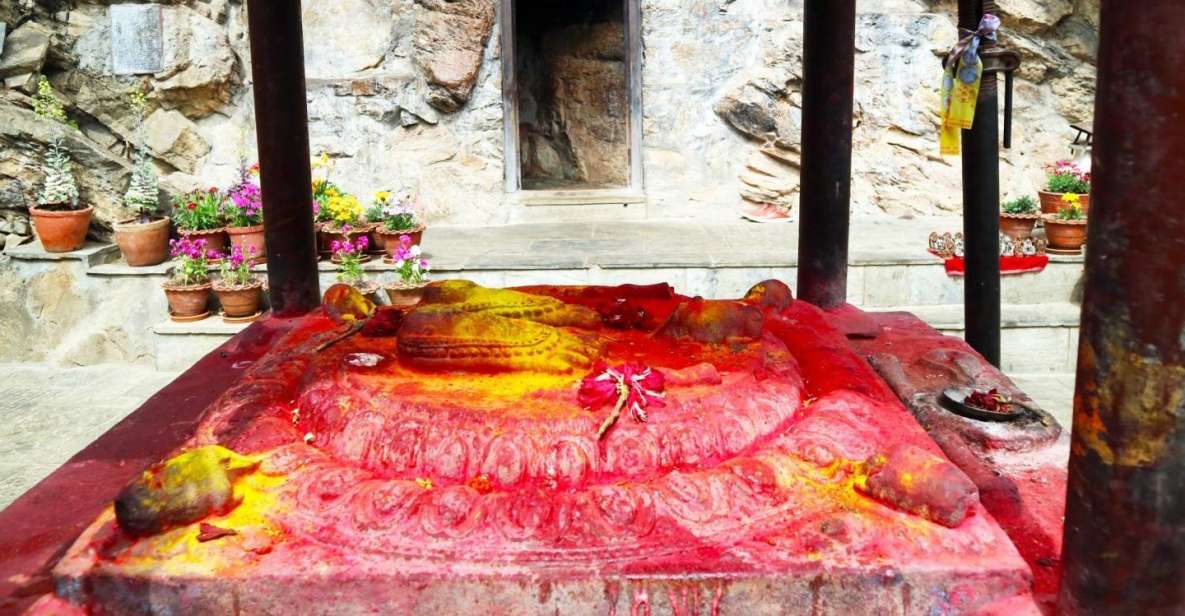
- Asura Cave near Pharping, tied to Guru Rinpoche’s story of meditation and enlightenment
- Temple-hopping with context, including Shesnarayan, Gorakhnath, and Dakshinkali
- Dakshinkali’s intensity, including the possibility of a bloody river scene that can be upsetting
- Taudaha Lake as Kathmandu Valley’s largest natural lake and a bird sanctuary
- Chobhar Gorge’s origin story, where the ancient lake once drained away
- You’ll walk and climb, so good shoes matter more than you’d think
A six-hour spiritual and nature loop from Kathmandu
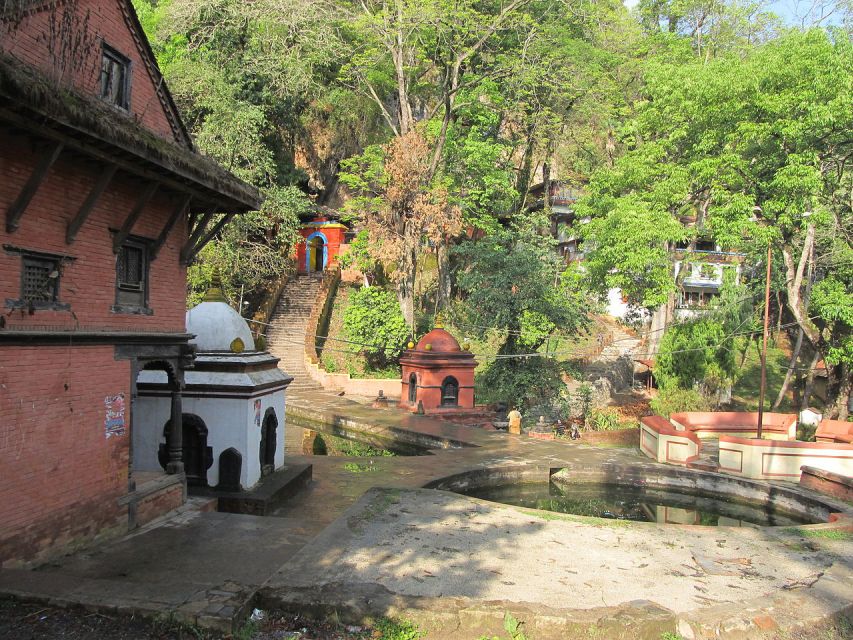
This tour is designed for a single day that still feels like a full outing. You start in Kathmandu and work your way south toward Pharping, then keep moving through temples and nature stops before returning by mid-afternoon.
The big win here is variety. You get cave spirituality, temple architecture, and then a nature break at Taudaha Lake and Chobhar Gorge, which is tied to Kathmandu’s older water story. It’s the kind of route that helps you understand why Kathmandu feels religious and myth-heavy, even when you’re standing outdoors.
You can also read our reviews of more tours and experiences in Kathmandu
Getting picked up on time (and why it matters)
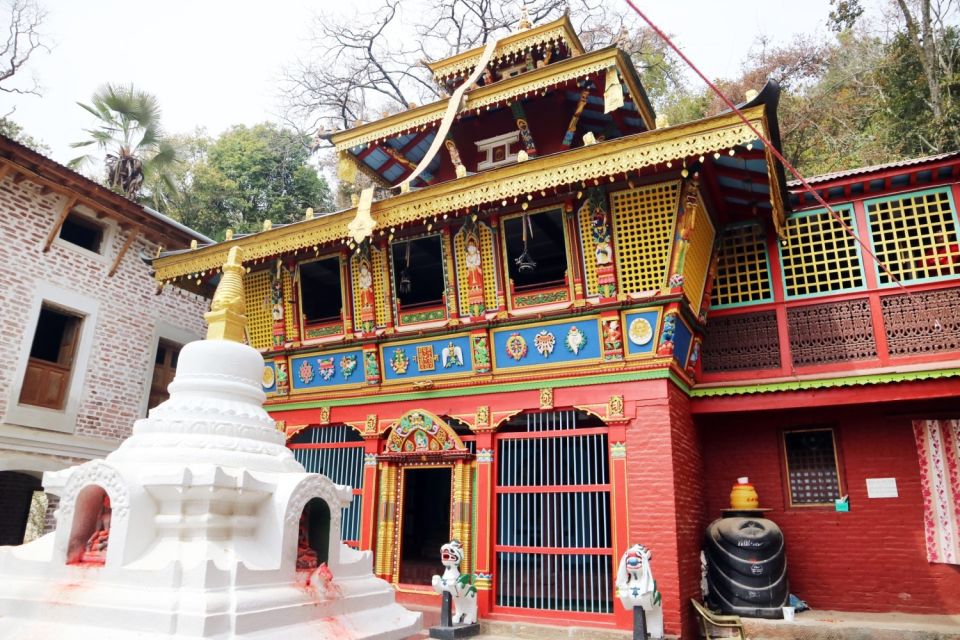
Pickup is included from hotels inside the Kathmandu city ring road. If your hotel is outside that ring road, you’ll have to pay an additional charge.
That matters because your day is only 6 hours. Miss the timing and the schedule gets compressed fast. The tour includes a luxury vehicle, which helps when roads get bumpy and you have stairs and walking lined up after each stop.
Asura Cave above Pharping: sacred quiet in a hillside cave
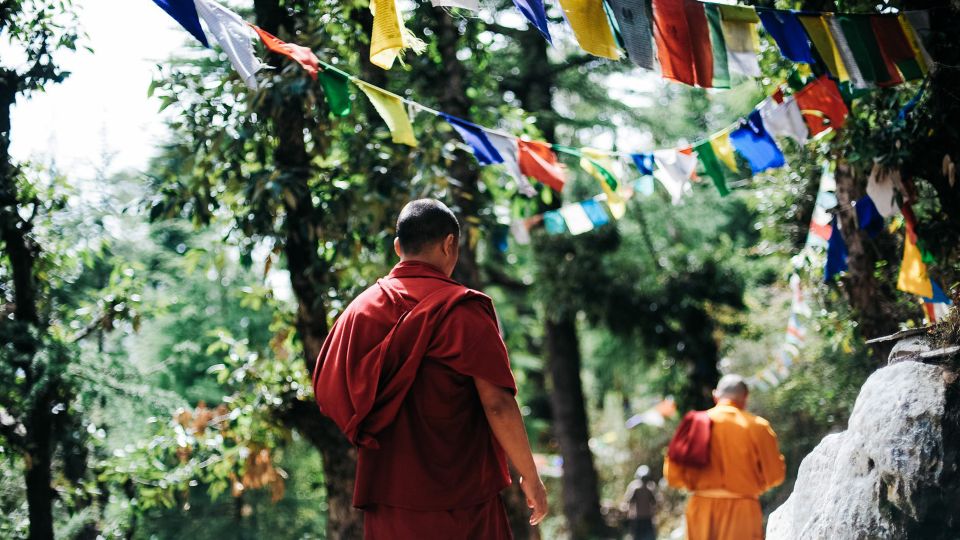
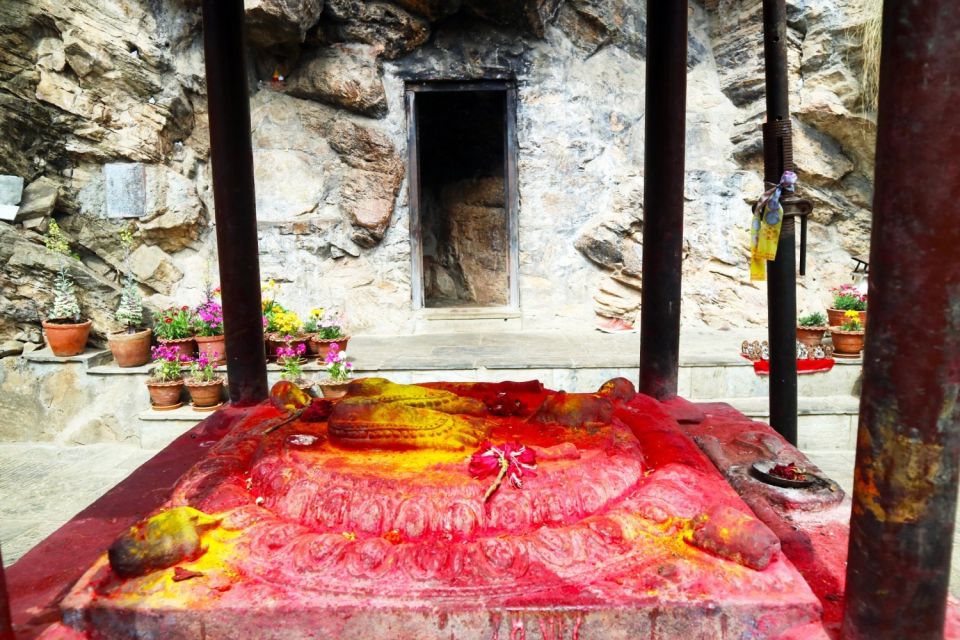
Asura Cave sits above the village of Pharping, and it’s considered a sacred Buddhist site. The tradition says Guru Rinpoche meditated here and attained enlightenment.
Expect a mix of atmosphere and crowd energy, depending on the time of day. Either way, this is the kind of stop where you can slow down. One practical tip I’d follow: if you’re visiting for the spiritual feel, take a moment before rushing inside. Even if you’re there for photos, this is a place where people come to pray and reflect.
You’ll also notice the physical side of the day: Pharping areas often involve steps and uneven paths. Comfortable shoes are non-negotiable.
Shesnarayan and Gorakhnath temples: where old faith meets walking shoes
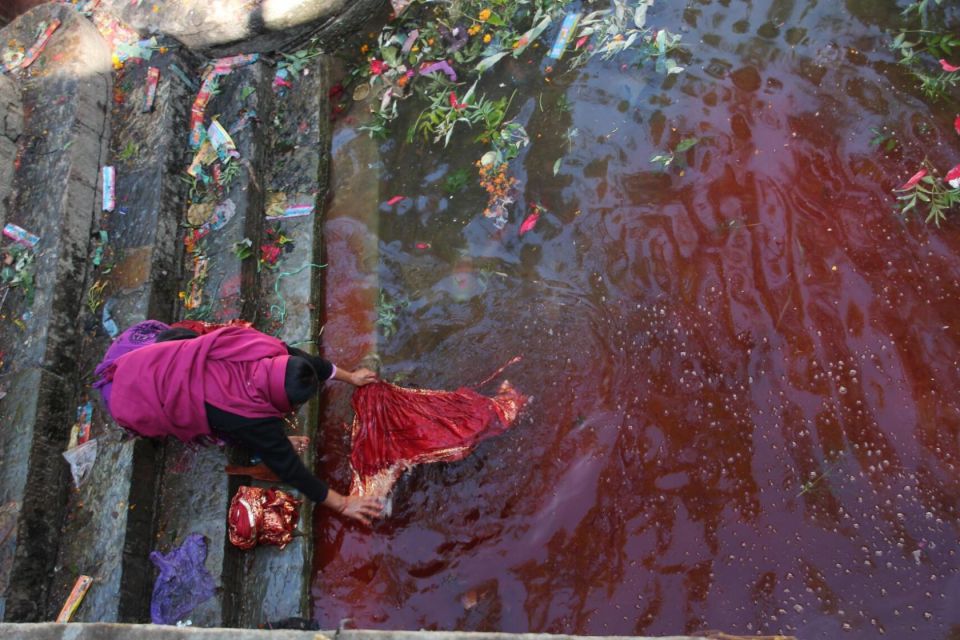
Next up are temple visits tied to long-running Nepal traditions.
At Shesnarayan Temple, you’re looking at an ancient Hindu temple complex near Pharping. It’s described as one of the four Narayana temples of the Kathmandu Valley, and it’s believed to date back to the Licchavi king Vishnugupta’s reign.
Then comes Gorakhnath Temple, connected to Guru Gorakhnath and the Nath Sect. Even if you’re not a specialist in the different Hindu schools, this stop helps you see how diverse devotion can look in one region: different teachings, different styles of worship, and different kinds of temple spaces.
One small but important suggestion: bring the energy for walking. Even the “short” stops add up across a day like this, and the route is built around moving between sites.
Dakshinkali Temple: Kali’s presence, and the scene you should know about
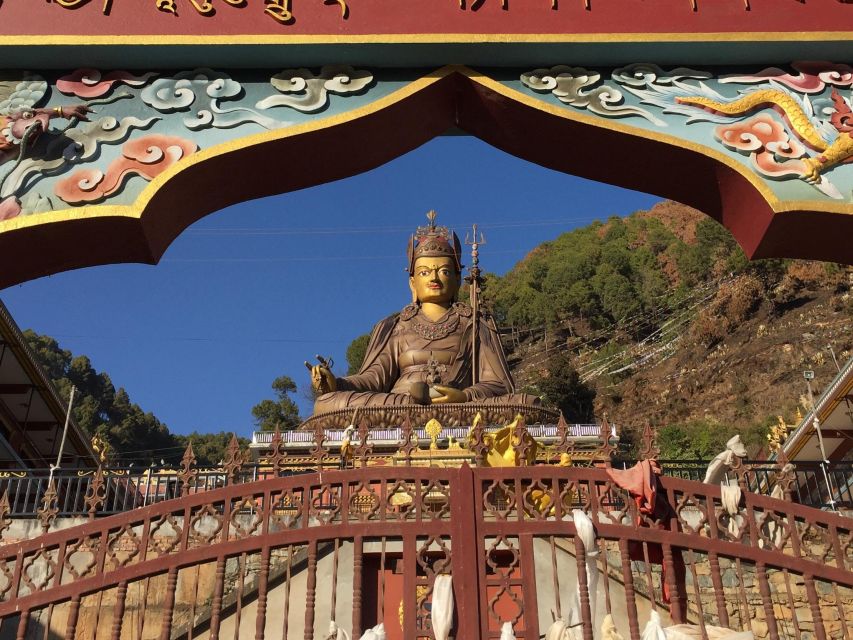
Dakshinkali Temple is about 22 kilometers outside Kathmandu and roughly 1 kilometer outside Pharping. It’s a major temple in Nepal dedicated to Goddess Kali.
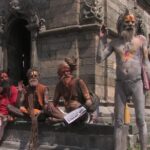
This is also the stop where you should prepare for an emotional tone you might not expect. The tour information warns that the bloody river and the Dakshinkali temple setting may be distressing to some visitors. If you’re sensitive to that kind of imagery, plan ahead and decide before you arrive.
The upside is that Dakshinkali isn’t a distant “museum temple.” It’s a working devotional site, and the atmosphere often feels intense in a way that changes your understanding of what religion looks like on an active pilgrimage route.
If you’re going, I’d keep your expectations grounded: this isn’t about comfort. It’s about proximity to belief.
Taudaha Lake: bird sanctuary calm in the middle of a temple day
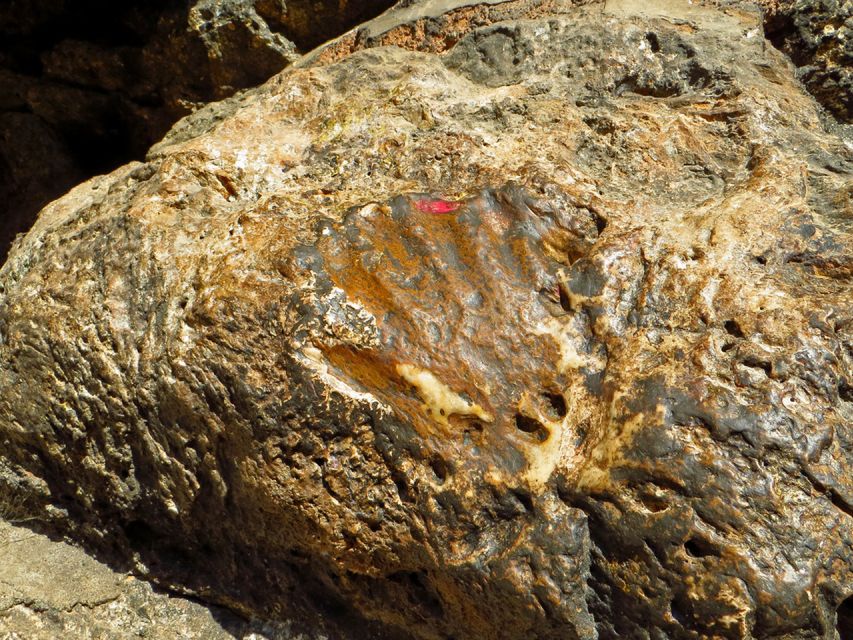
After Dakshinkali, you’ll head toward Taudaha Lake, described as the largest natural lake in the Kathmandu Valley and a popular recreation spot. It’s also well known as a bird sanctuary.
This is where I think the tour makes smart pacing choices. After temple intensity, the lake gives you a chance to reset. Even an hour can feel like a proper break when your day has involved cave and stairs.
If you’re into photos, don’t just shoot quickly and move on. Slow down, watch where people gather, and give yourself time for the light to change. Taudaha works well for that kind of “sit and look” travel.
Chobhar Gorge: the water-drain myth that shaped Kathmandu
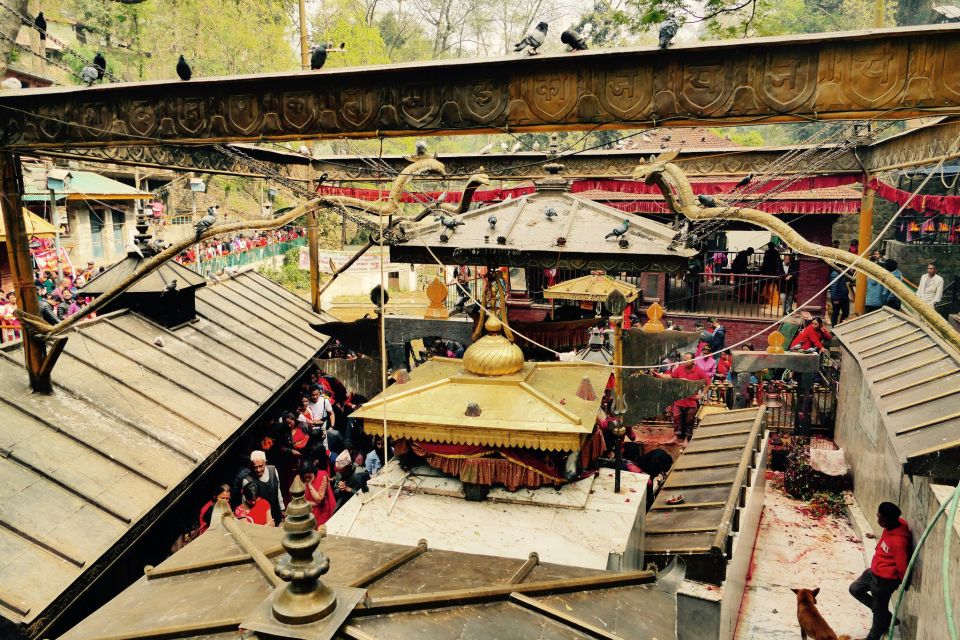
The final sightseeing chunk focuses on Chobhar Gorge. This place is explained as the point where water escaped from an ancient lake that once existed where Kathmandu now sits.
The story ties in Manjushri, a bodhisattva, who is believed to have cut a gorge here so the lake’s water drained away and created land that people could occupy.
Standing there, it’s easy to think of this as simple geography. But the myth makes it feel like you’re seeing the origin of the city’s physical foundation. And because it’s a gorge setting, it tends to feel more open and airy than the earlier caves and temple interiors.
One more practical note: the day includes caves in the Chobhar area. Access can vary, so keep expectations flexible if something is closed or limited at the time of your visit.
Lunch break: included fuel, usually in a nice setting
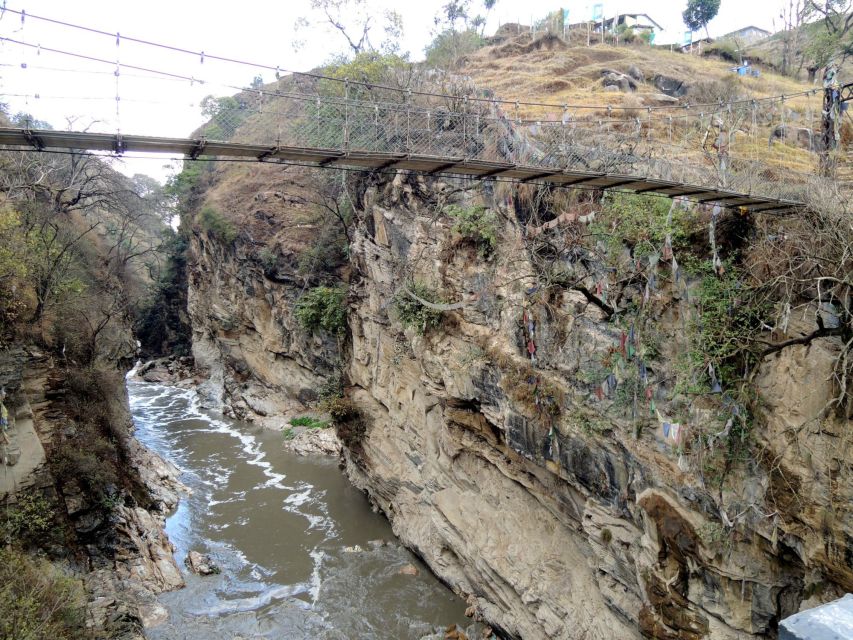
Lunch is included. You’ll be taken to a local restaurant, and the tour timing gives you a midday break before the lake and gorge.
One departure stood out for having lunch on a rooftop, which makes sense for this area: you can eat, get a view, and reset before walking again. If you’re picky about food or you have dietary needs, it’s worth mentioning those to your guide ahead of time, since the tour includes lunch but the exact spot can vary.
Price and value: what $83 buys you (and when it doesn’t)
At $83 per person for 6 hours, this tour can feel like good value because it bundles a lot of “real-world” costs:
- Hotel pickup and drop-off within Kathmandu’s city ring road
- A live English/Japanese guide
- Entrance fees
- Lunch
- A luxury vehicle for moving between spread-out sites
Where value can drop is when key access points are limited. Some past experiences mentioned that a cave or monument access was closed, leading to changes in the day’s flow. When that happens, you can feel the squeeze because the tour is already tightly scheduled.
My advice is simple: if you’re booking for one specific interior highlight, treat the day as “what’s open on the day.” If your top priority is outdoor views, temple atmosphere, and spiritual sites that don’t rely on one closed room, you’ll likely feel the value more strongly.
The guide makes it better (especially when you ask questions)
This tour includes an expert guide, and the strongest versions of this day are the ones where the guide explains what you’re looking at while you’re still there.
In particular, a guide named Rajat has been highlighted for friendly, informative explanations and solid answers to questions. If you get a guide with that style, the temples and cave feel less like stops and more like connected stories.
Even if you don’t know the terminology, asking basic questions helps. Why this site? Why this temple today? What’s the main practice here? The guide can usually translate the meaning without turning it into a lecture.
Practical tips for stairs, sun, and sensitive scenes
This is a walk-and-climb day. Bring comfortable shoes and avoid open-toed footwear. Sunglasses, a sun hat, and sunscreen are recommended too, since you’ll spend time outdoors between sites.
Also consider who this tour fits. It isn’t suitable for wheelchair users and comes with limits for people with back problems, heart problems, kidney problems, and visitors over 220 lbs (100 kg) or over 95 years. If any of those apply to you, you may want to choose a different Kathmandu plan with less walking and fewer steps.
Finally, be honest about the Dakshinkali stop. If the bloody river scene would bother you, it’s better to know that up front than to get surprised once you’re already there.
Should you book this Kathmandu Pharping to Chobhar Tour with Lunch?
Book it if you want a single-day mix of cave spirituality, temple devotion, and nature breaks that still fits a short stay. The combination of Asura Cave, Shesnarayan, Gorakhnath, Dakshinkali, Taudaha Lake, and Chobhar Gorge is a strong way to understand the Kathmandu Valley beyond the main city sights.
Skip or reconsider if you’re highly sensitive to distressing imagery at Dakshinkali, or if you need a very low-walking itinerary. Also, if you’re paying mainly for one specific closed-or-open “inside” attraction, go in with flexibility. This route can change when access changes, and your day needs to survive that without disappointment.
If you do book, the best mindset is: slow down where you feel it, ask questions at the temples, and use Taudaha Lake as your reset button. That’s when the day clicks.
FAQ
How long is the Kathmandu Pharping, Dakshinkali and Chobhar tour?
The tour duration is 6 hours.
What’s included in the price?
It includes an expert tour guide, a luxury vehicle, hotel pickup and drop-off (from hotels inside the Kathmandu city ring road), entrance fees, and lunch.
Where does hotel pickup happen?
Pickup is provided from hotels inside Kathmandu’s city ring road. Hotels outside the ring road require an additional charge. You should be ready 5 minutes before pickup.
Which main places are visited during the tour?
You visit Asura Cave, Shesnarayan Temple, Gorakhnath Temple, Dakshinkali Temple, Taudaha Lake, and Chobhar Gorge.
Is Dakshinkali distressing for some visitors?
Yes. The bloody river and the Dakshinkali temple may be distressing to some visitors.
What should I bring, and what footwear is not allowed?
Bring comfortable shoes, sunglasses, a sun hat, and sunscreen. Open-toed shoes are not allowed.