REVIEW · KATHMANDU
Manaslu Circuit Trek to the Beauty of 8th Highest Mountain
Book on Viator →Operated by Bold Himalaya Treks and Travels Pvt Ltd · Bookable on Viator
Manaslu Circuit rewards patience and good planning. This 11-day trek maps out a classic route toward Manaslu, the world’s 8th highest peak area, with built-in altitude care and big Himalayan payoff around Larkya La. You also get the cultural rhythm of Tibetan-influenced villages alongside everyday local life.
What I love most is the human side: the team communicates well before you go, and people like Sobit take time to understand what kind of trip you want. I also like the structure: the itinerary gives your body a proper chance to adjust, especially the rest day at Samagaun.
The main drawback is simple: this is still trekking country, with a long, serious pass day. If your fitness is only moderate, you’ll need to pace carefully, and you should expect basic lodge comfort rather than hotel-style perks.
In This Review
- Key highlights worth your attention
- Why the Manaslu Circuit feels different from a basic trek
- The big day: Larkya La Pass at 5,160m (and what to expect)
- Day 1 to Machha Khola: Kathmandu to the trekking start without the stress
- Jagat and Deng: forests, villages, and the first steady climbing
- Namrung to Samagaun: Tibetan-style villages and the acclimatization anchor
- Samdo to Dharamshala: alpine meadows before the pass
- The Larkya La crest to Bimthang: long hours, then a rewarding descent
- Tilije to the finish: getting out with the right kind of closure
- The team matters: guides, porters, and why this feels stress-free
- Price and value: what $365.75 includes (and what it doesn’t)
- Packing and pacing tips for this 11-day rhythm
- Who should book this Manaslu Circuit trek?
- Should you book this Manaslu Circuit trek?
- FAQ
- How long is the Manaslu Circuit trek?
- Where does the trip start and end?
- Is pickup offered?
- What permits and cards are included?
- Are meals included during the trek?
- What kind of accommodation is provided?
- What is the hardest part of the trek?
- Is travel insurance included?
- What is the cancellation policy?
Key highlights worth your attention
- Communication that starts early: people like Sobit focus on understanding your preferences before arrival.
- Acclimatization that isn’t an afterthought: you rest in Samagaun so the Larkya La day feels more realistic.
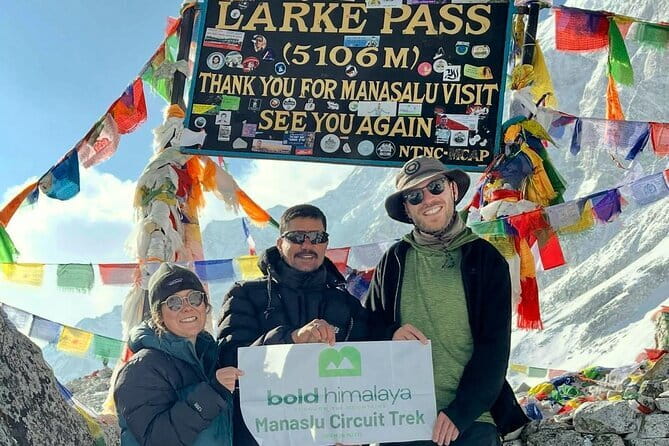
- A real pass crossing at 5,160m: Larkya La is the hardest segment, with long hiking hours and glacier views.
- Licensed English guide plus support: the trip runs with an experienced guide and porter help, including care with belongings.
- Meals and permits handled: full trekking meals and required permits (Manaslu/Annapurna/Restricted Area + TIMS) are included.
- Solo can mean VIP-style support: one review described a solo trip with just the guide and porter, not a crowded group vibe.
Why the Manaslu Circuit feels different from a basic trek
Manaslu Circuit is not just about stacking mountain photos. It’s about moving through a region that requires planning and access permissions, which usually translates into a smoother on-the-ground setup for you. In this case, you’re covered with Manaslu, Annapurna, and Restricted Area permits plus the TIMS card, so you’re not scrambling once you land in Nepal.
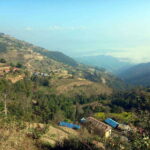
I also like that the route isn’t a one-note grind. You’ll hike through forests, terraced farm country, Tibetan-style villages, and alpine terrain. That mix matters because it changes how the day feels—your legs still work, but the scenery stays interesting rather than repeating the same rhythm hour after hour.
One more practical note: the trip is designed at a trekking-lodge pace. That’s not a flaw. In Nepal, lodge treks are part of the experience—real people, real routines, and food that’s there when you arrive—so you can focus on walking and recovering.
You can also read our reviews of more hiking tours in Kathmandu
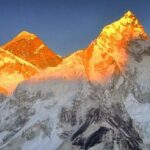
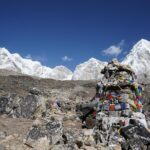
The big day: Larkya La Pass at 5,160m (and what to expect)
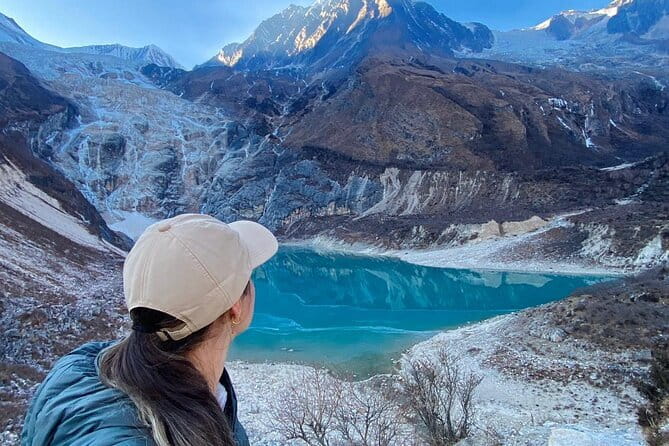
If you do this trek, you should treat Larkya La as the centerpiece. The pass crossing is listed as a challenging 8–10 hour day. That’s not just the altitude; it’s also the time on your feet, the changing weather conditions you can run into, and the mental effort of staying steady when everything feels a bit higher than expected.
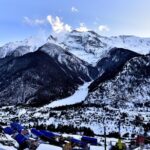
You’ll be hiking toward the pass from the Dharamshala/Larkya Phedi base area. The route is staged so you reach the pass area in time and have that night buffer before the crossing. Once you crest, you’re rewarded with views of the surrounding peaks and glaciers, then you descend toward Bimthang.
Here’s the practical takeaway: train for endurance more than speed. Think steady breathing, small breaks, and keeping your energy for the descent. If you blow your pace early, the pass day punishes you later. If you pace well, you can enjoy the views without turning the day into a survival project.
Day 1 to Machha Khola: Kathmandu to the trekking start without the stress
Day 1 is a long travel day. You leave Kathmandu by shared vehicle and drive about 8–9 hours to Machha Khola. The payoff is that you avoid doing a chaotic first-day rush. You’ll pass through countryside scenes—terraced fields and rolling views—while your body transitions from city life into trek mode.
This is also the day to get your packing habits right. If you’re the type to shove everything into your daypack, don’t. You want easy access to water, layers, snacks, and any small comforts you need on bumpy roads. Even though this is not a hike day, you’re still “starting” the trek physically.
One small consideration: because it’s a shared vehicle, you don’t have full control over timing. Build in patience. Nepal roads are Nepal roads.
Jagat and Deng: forests, villages, and the first steady climbing
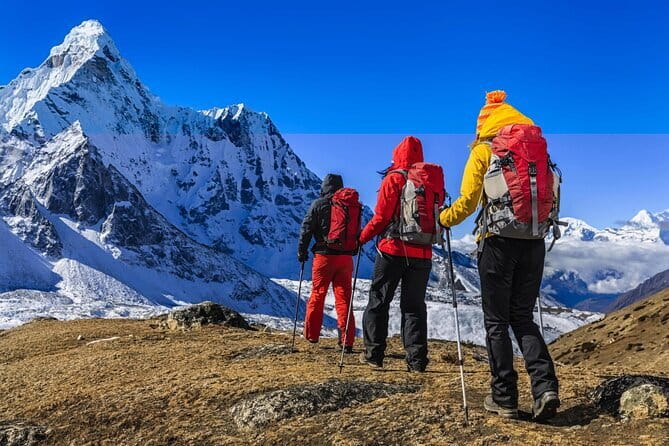
From Machha Khola to Jagat (around 6–7 hours) you start into the real walking. The trail ascends and descends through forested sections, terraced fields, and small villages. This is the phase where you feel your stride lock in. If you keep your pace calm, your legs will adapt quickly.
Then the Jagat to Deng segment (also 6–7 hours) continues the rhythm. You’ll climb through lush forest and you can start catching better mountain views as you approach Deng. The landscape shift here is important. The trek doesn’t go from “green” to “snow” overnight; it steps upward, so the air and terrain start changing gradually.
A useful strategy: use these days to test your footwear and your layering system. If anything rubs or feels wrong, fix it now, not when the pass day arrives.
Namrung to Samagaun: Tibetan-style villages and the acclimatization anchor
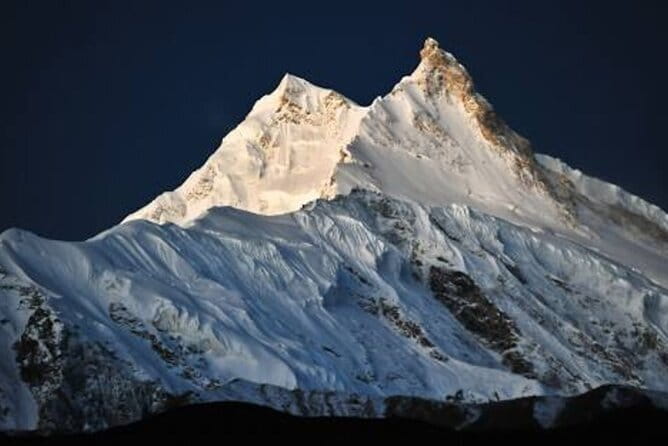
Day 4 takes you from Deng to Namrung (around 6–7 hours). Namrung is where the trek’s Tibetan influence shows up more clearly, with traditional Tibetan-style villages and strong mountain scenery. It’s the kind of place where you can feel the culture shift from farming valleys into the higher settlement zone.
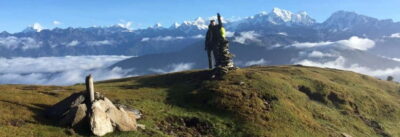
Then comes the Namrung to Samagaun trek (about 5–6 hours). Samagaun is a key turning point. You get panoramic Himalayan views, including Manaslu and Ganesh Himal in the mix, and you also arrive at a village that’s used as an acclimatization base.
Day 6 is the big deal: a rest day in Samagaun. The plan gives you time to adjust to altitude and explore the area, including the option to visit the nearby Manaslu Base Camp zone and local monasteries. Even if you don’t chase the farthest views on that day, the value is that your body gets a break while your mind stays engaged.
This is where the trip feels thoughtfully paced. Many treks keep you moving even when your altitude needs attention. Here, you stop long enough for the Larkya La day to feel like a climb you’ve prepared for, not something you’re improvising.
Samdo to Dharamshala: alpine meadows before the pass
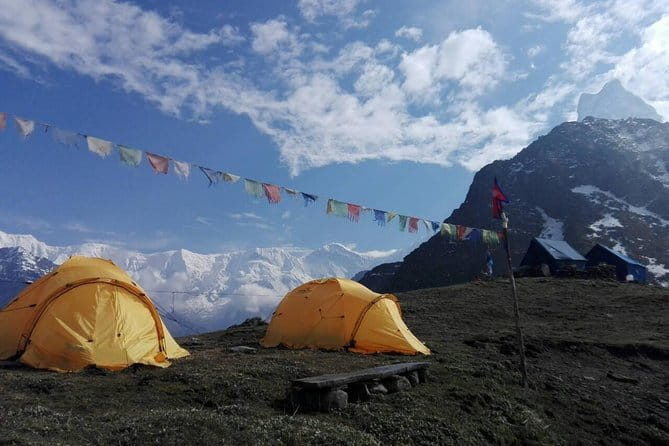
On Day 7 you trek from Samagaun to Samdo (about 5–6 hours). The trail gradually ascends through alpine meadows, and the views around you sharpen as you move closer to the pass country. Samdo is smaller and quieter, which helps if you like that “settle into the mountains” feeling instead of constant bustle.
Day 8 moves you from Samdo to Dharamshala (about 4–5 hours). This is the approach to the base of the Larkya La area. Expect a steady climb and the kind of cold-air clarity that makes you want to stop often and just look.
This day is short compared to some earlier segments, but don’t treat it as easy. Altitude makes “short” still feel like work. The smart move is to protect your energy: eat well, drink steadily, and keep your layers ready.
The Larkya La crest to Bimthang: long hours, then a rewarding descent
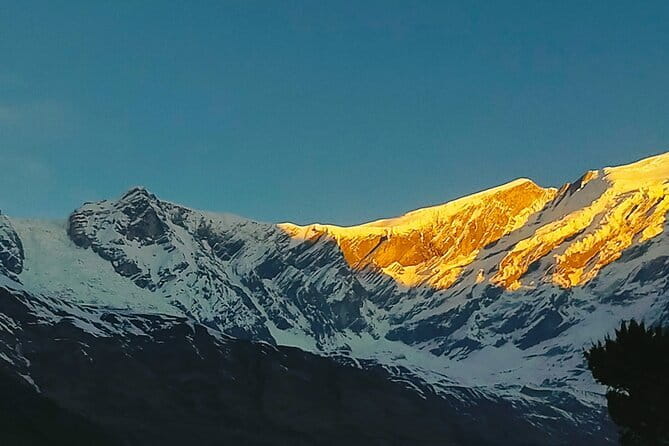
Day 9 is the crest-and-descent day. You cross Larkya La at 5,160 meters, hike 8–10 hours total, and then descend to Bimthang.
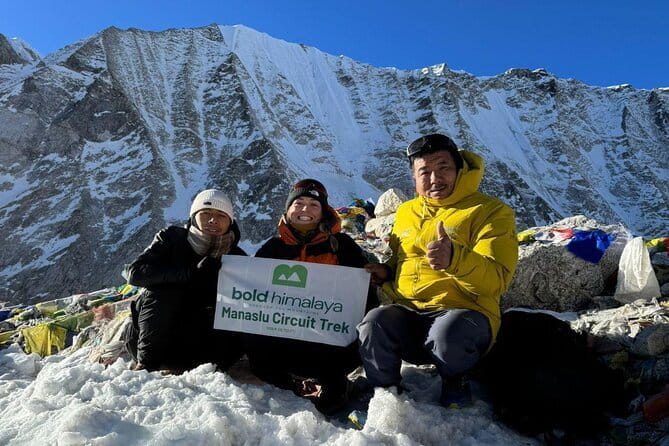
This is where the trek becomes truly memorable. The pass gives you the wide glacier and peak scenery, and the descent changes the day’s rhythm from “steady climbing” to “controlled going down.” That matters for comfort: your knees will thank you if you take the descent seriously and don’t rush.
Bimthang is described as a picturesque village with excellent views. After a long pass day, that kind of end-of-day scenery is exactly what you want. It turns the finish into something you can savor, not just something you endure.
Tilije to the finish: getting out with the right kind of closure
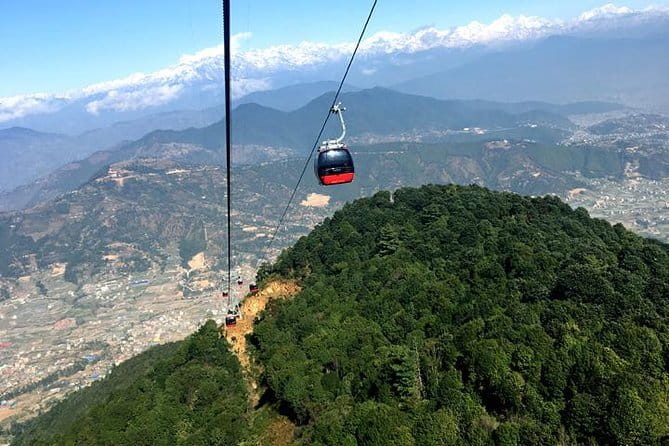
Day 10 takes you from Bimthang to Tilije (about 5–6 hours). The route descends through forests and passes through traditional villages. This is your recovery segment—terrain that helps your legs reset after the pass day.
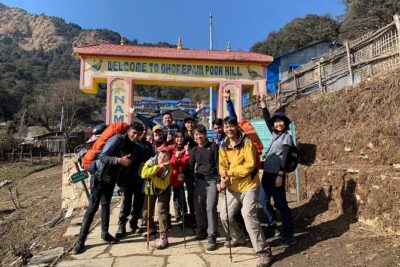
Day 11 is the exit. You continue trekking from Tilije to Dharapani, then drive back to Besisahar and onward to Kathmandu. That final transfer is where the trek closes cleanly: you’re not stuck figuring out transport, and you have a clear end point.
One word of advice for the last day: treat it like a “save your energy” day. You’ll likely want to keep your pace steady so you arrive feeling human, not flattened.
The team matters: guides, porters, and why this feels stress-free
The strongest praise in the reviews isn’t about scenery alone. It’s about how the trip runs like a system—especially when you need answers or adjustments.
You’ll often be dealing with a coordination person like Sovit (named in reviews), and the descriptions are consistent: he takes time to understand what you want out of the adventure and keeps communication responsive. That can sound like a small thing until you’re in Nepal and you realize how helpful fast clarity is.
Then there’s the guide side. Names like Lokendra show up as the porter who carries your belongings, and in one review, Suren Tamang is highlighted for teaching you about Nepalese culture and landscapes. Another guide named Sirjan is praised for being caring, responsible, and supportive throughout the journey.
What this means for you, practically: you’re less likely to feel lost about what to do next, especially on high-stress moments like the pass day. And because the tour includes an experienced licensed English-speaking guide (with guide salary and accommodation covered), you’re not relying on luck or sketchy local arrangements.
If you prefer a calm, guided experience instead of a DIY scramble, this team style is a real advantage.
Price and value: what $365.75 includes (and what it doesn’t)
At $365.75 per person, the value mostly comes from the package coverage. You’re not just paying for a path on a map. Your trip includes:
- Permits: Manaslu, Annapurna, Restricted Area, plus TIMS
- Guide: licensed English-speaking guide with salary and accommodation
- Trekking meals: breakfast, lunch, dinner during trekking (with seasonal fruits and nuts mentioned)
- Trekking lodge: standard lodge support on the route
- Restricted area special entry permit
- Gear extras: duffle bag, T-shirt, and a trip certificate
That’s a lot of “paperwork and logistics” wrapped into one price. And in trekking travel, paperwork is often the part that causes the most stress if you’re doing it independently.
What’s not included is also important:
- Drinks during the trip
- Travel insurance
- Tips for the trekking crew
So yes, the price looks good, but don’t treat it like insurance. You still need your own travel insurance decision, and you should plan to pay for drinks and tips on top of the package.
Packing and pacing tips for this 11-day rhythm
This is listed for people with moderate physical fitness. That usually means you can handle several hours of walking and uneven terrain, but you shouldn’t expect the hard days to be painless.
Here’s how I’d prepare so the trek feels like an adventure, not a grind:
- Walk often before you go. Build endurance, not just leg strength.
- Keep your daypack light. Let the porter handle the bulk when possible.
- Dress in layers. Pass days and higher elevation nights can feel sharply colder.
- Hydrate consistently. Don’t wait until you feel thirsty.
- Plan your snacks. Even though meals are covered, having extra small snacks can help during longer segments.
And mentally: the itinerary has a clear logic. You build up walking days, take a real rest in Samagaun, then commit to the pass day. If you resist the structure and try to rush ahead, altitude and fatigue will steer your schedule for you.
Who should book this Manaslu Circuit trek?
This trek is a strong fit if you want:
- Tibetan-influenced village scenery plus Himalayan views
- A trek with acclimatization built in, especially the Samagaun rest day
- A guided experience with a team you can rely on, including a porter for belongings
- Clear coverage of the hard-to-handle parts like permits and meals
It may be less ideal if you’re looking for luxury comfort, because you’re on trekking lodges. It may also feel tough if your fitness isn’t steady, since the pass day is long and challenging.
A nice bonus: the group structure is described as private in the sense that only your group participates. One solo review described a setup with guide and porter as a small team, which can create a more personal feel.
Should you book this Manaslu Circuit trek?
If you want the Manaslu Circuit with a team that communicates well and handles permits, meals, and the key logistics, I’d say it’s a sensible choice. The standout advantages are the careful acclimatization, the organized lead-up to Larkya La, and the kind of support praised by named guides and porters like Sobit, Lokendra, Suren Tamang, and Sirjan.
Book it if you’re excited by the real trekking rhythm: lodge stays, hours of walking, and one serious day across a high pass. Don’t book it if you need an easy itinerary or you’re not ready for the longest pass day.
FAQ
How long is the Manaslu Circuit trek?
The duration is about 11 days.
Where does the trip start and end?
You start in Kathmandu and travel by shared vehicle to the trek start area. You return back to Kathmandu at the end after driving from Besisahar.
Is pickup offered?
Yes, pickup is offered.
What permits and cards are included?
The trip includes Manaslu and Annapurna restricted area permits, a Restricted Area special entry permit, and a TIMS card.
Are meals included during the trek?
Yes. The package includes full meals during trekking: breakfast, lunch, and dinner, plus seasonal fruits and nuts. Vegetarian and vegan meals are available on request.
What kind of accommodation is provided?
You stay in standard trekking lodges on the Manaslu Base Camp trekking route.
What is the hardest part of the trek?
Crossing Larkya La Pass at 5,160 meters is the most challenging segment, with an 8-10 hour trek listed.
Is travel insurance included?
No. Travel insurance is not included.
What is the cancellation policy?
Free cancellation is available up to 24 hours in advance for a full refund. If you cancel less than 24 hours before the start time, the amount paid is not refunded.