REVIEW · SHIMLA
Discover the Colonial Trails of Shimla- Guided Walking Tour
Book on GetYourGuide →Operated by Yo Tours · Bookable on GetYourGuide
Colonial Shimla feels close on foot. This 2-hour storyteller walk threads together major British-era sights and local spiritual stops, with those hill-country views and cool-air pauses built in, starting at Rashtrapati Niwas.
I really like two things here. First, the guide-led pace feels human, not lecture-y, and the best guides (Dev, Jagdeep ji, and Sunny Thakur get special mentions) keep the information tight and conversation-friendly. Second, I love the way the route mixes architecture, a bird-and-museum break, and hidden lanes so the walk stays interesting even if history is not your main hobby.
One possible drawback: there is no hotel pickup/drop and you do not get a water bottle, so plan to start near the meeting point and bring your own water if you need it.
In This Review
- Key things to know before you go
- A 2-hour colonial walking loop through Shimla’s hill-town layers
- Starting at Rashtrapati Niwas (Viceregal Lodge) and learning the setting fast
- Himalayan Bird Park: a scenic breather that still fits the theme
- Himachal State Museum: Pahari-influenced art in a walkable format
- Vidhan Sabha Chowk, old libraries, and the city’s colonial-era civic vibe
- Gorton Castle: neo-Gothic charm you can see from your feet
- Shimla-Kalka Railway track and St. Michael’s Cathedral: British craftsmanship in place
- Jakhoo Hill and Kalibari Temple: finishing with faith and mountain air
- Price and value: why $14 makes sense for a 2-hour story walk
- Who should book this Shimla walking tour
- Should you book the Colonial Trails of Shimla guided walking tour?
- FAQ
- Where does the tour start and where does it end?
- How long is the tour?
- What does the tour cost?
- What languages is the guide available in?
- Is hotel pickup and drop included?
- Is a water bottle included?
- What sites are included in the walking route?
- What should I bring?
Key things to know before you go
- Storyteller guide in English and Hindi who sets a fast, engaging pace
- Viceregal Lodge (Rashtrapati Niwas) as a dramatic starting point on Observatory Hills
- Himalayan Bird Park + Himachal State Museum to balance nature, art, and artifacts
- Gorton Castle’s 19th-century neo-Gothic look adds a real wow-factor stop
- Shimla-Kalka railway heritage landmarks for British-era craftsmanship context
- Kalibari Temple on Jakhoo Hill gives a calm, spiritual finish from 1845
A 2-hour colonial walking loop through Shimla’s hill-town layers
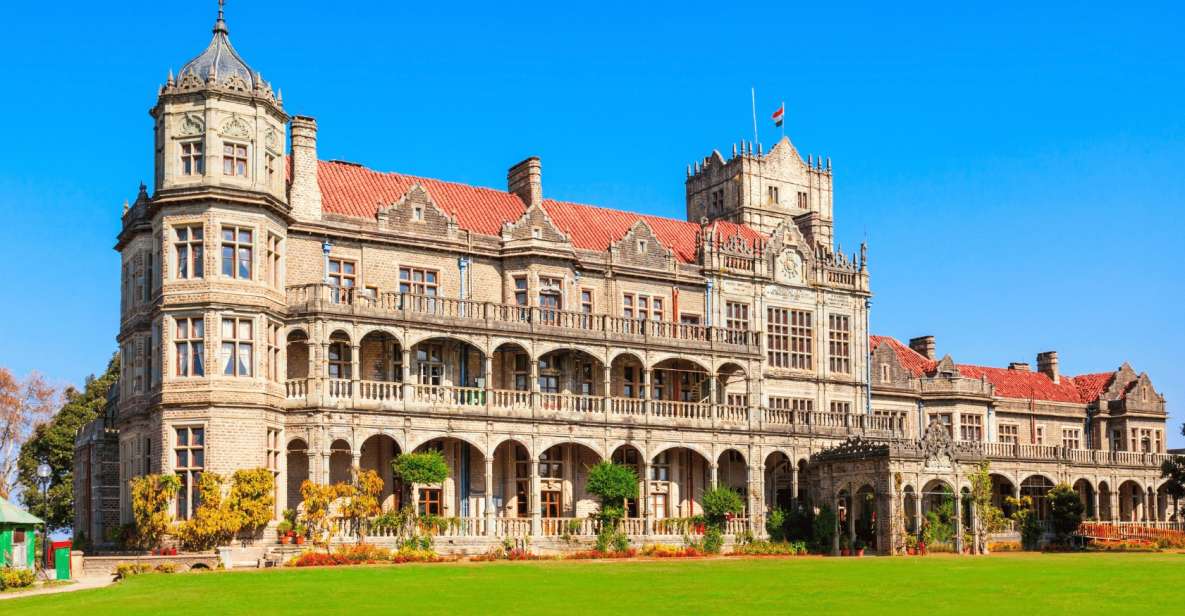
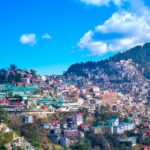
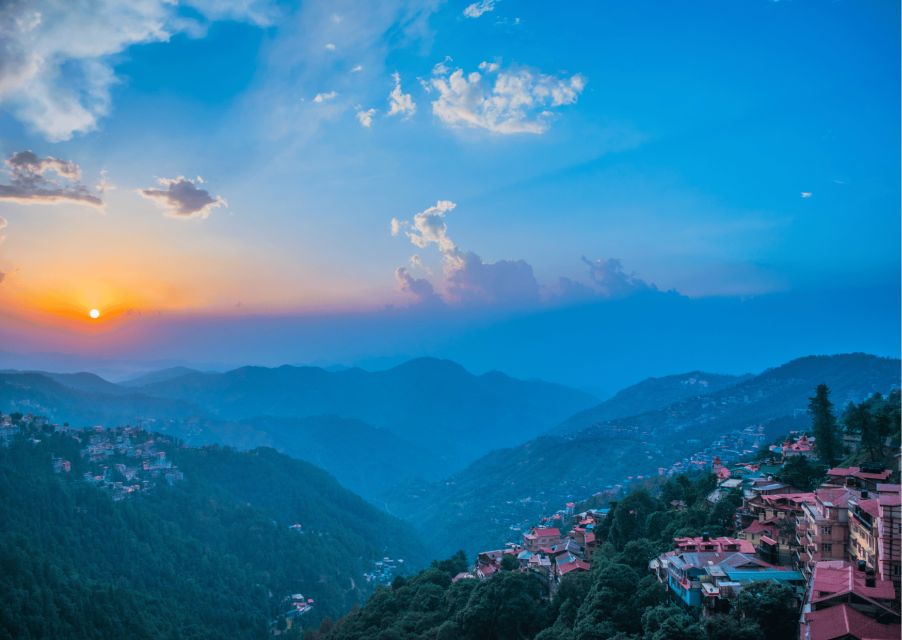
Shimla on foot has a way of turning big landmarks into small, personal moments. You start up around the Viceregal Lodge area and then move through the city’s old core, where colonial buildings, local worship, and everyday lanes sit side by side. The tour is built like good travel storytelling: short visits, quick context, and enough variety that your brain does not switch off.
The best part is the balance. You get architecture and place-names, yes, but the guide also connects them to lived life in Shimla. That is why reviews repeatedly highlight the guides as attentive and the information as the right level. If you like walking tours, this one is easy to enjoy because it does not feel like you are trapped in a classroom.
Just remember it is a 2-hour walk in hilly terrain. Comfortable clothes matter, because Shimla’s slope and steps can feel more than you expect if you dress for flat cities.
You can also read our reviews of more walking tours in Shimla

Starting at Rashtrapati Niwas (Viceregal Lodge) and learning the setting fast
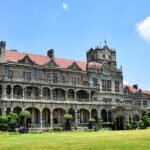
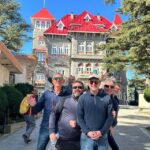
Your tour begins at Rashtrapati Niwas, the colonial mansion also known as Viceregal Lodge, set on Observatory Hills. This is one of those Shimla buildings that instantly changes the mood. The architecture and the setting make it feel like you are standing at a page from British India, but you are also in a functioning city, so it never feels like a dead museum.
What I like about starting here is how it gives you a baseline for everything that follows. After you understand what the Viceregal Lodge represented, the next stops make more sense. You start noticing patterns: where power lived, how buildings were styled, and how the city grew around that colonial footprint.
The guide tour time at the lodge is short, about 20 minutes for the guided portion, which helps. You get orientation without getting stuck in too much detail too early. And since the guides can speak both English and Hindi, you can usually follow the stories cleanly even if your Hindi or English is still mid-level.
Himalayan Bird Park: a scenic breather that still fits the theme

After Viceregal Lodge, you head to Himalayan Bird Park for a quick sightseeing walk. The focus here is modest but fun: a colorful collection of Himachal state birds. This is not the kind of stop where you need to be a bird expert. It works because it resets you after the mansion, gives you fresh air, and gives your camera something different to work with.
From a pacing point of view, this stop is smart. You spend enough time to enjoy the birds and the setting, and then you move on before it becomes a long detour. If you like tours that use variety to keep your energy up, you’ll probably appreciate it.
If you are sensitive to heat or sun, keep an eye on the weather. Shimla can be cooler than the plains, but bright afternoons happen, especially in summer. Light layers are a safe bet.
Himachal State Museum: Pahari-influenced art in a walkable format
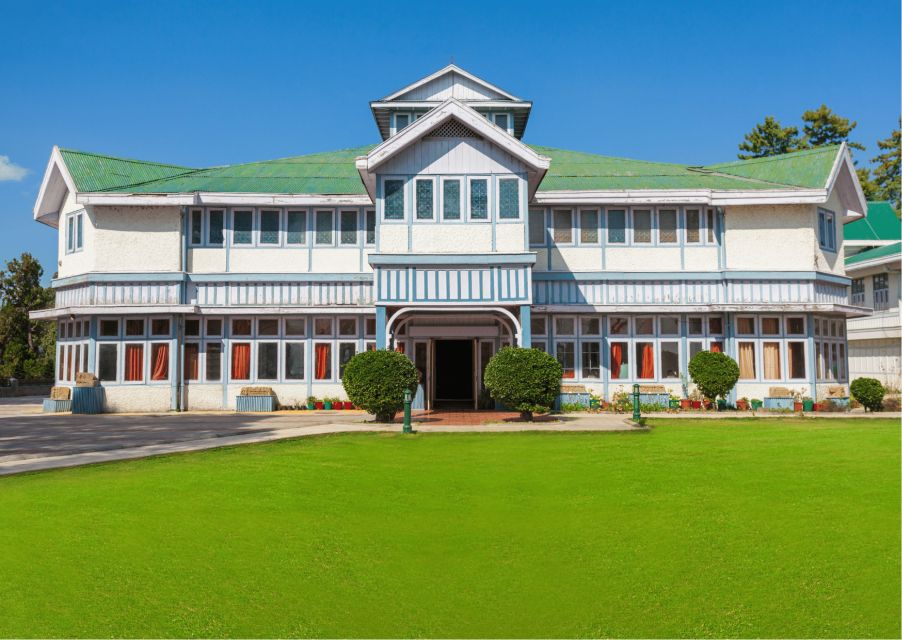
Next comes the Himachal State Museum, where you can expect collectibles like ancient coins, paintings, and handicraft items shaped by Pahari art influences. This is a good stop for people who want culture but do not want a long indoor session.
The museum visit is guided and short, so you are not expected to read every label. Instead, you get the main threads: what the items are, why they matter, and how the art style connects to Himachal’s broader identity. It is a nice change from pure colonial architecture because it shifts the story away from one era and into the region’s own visual language.
One practical tip: museums can slow people down if they stop for every object. Let the guide show you the key pieces first, then take a second look with your camera after the main points are covered.
Vidhan Sabha Chowk, old libraries, and the city’s colonial-era civic vibe

As you pass through Vidhan Sabha Chowk, you get a glimpse of Shimla’s civic architecture and its older institutional side. This part is described as passing by rather than a full stop, but it still matters. Quick pass-through landmarks are useful on walking tours because they help you connect the dots between bigger visited sites.
The tour also includes the chance to pass by heritage buildings tied to Shimla’s Vidhan Sabha area and an old library. Even when you are just walking past, you can feel the layering: British-era planning meets later civic use, and today’s city life continues in and around these structures.
If you like street-level learning, this section works. You will start noticing how people move through the area, which entrances and lanes feel older, and where the building lines open up for views.
You can also read our reviews of more guided tours in Shimla

Gorton Castle: neo-Gothic charm you can see from your feet
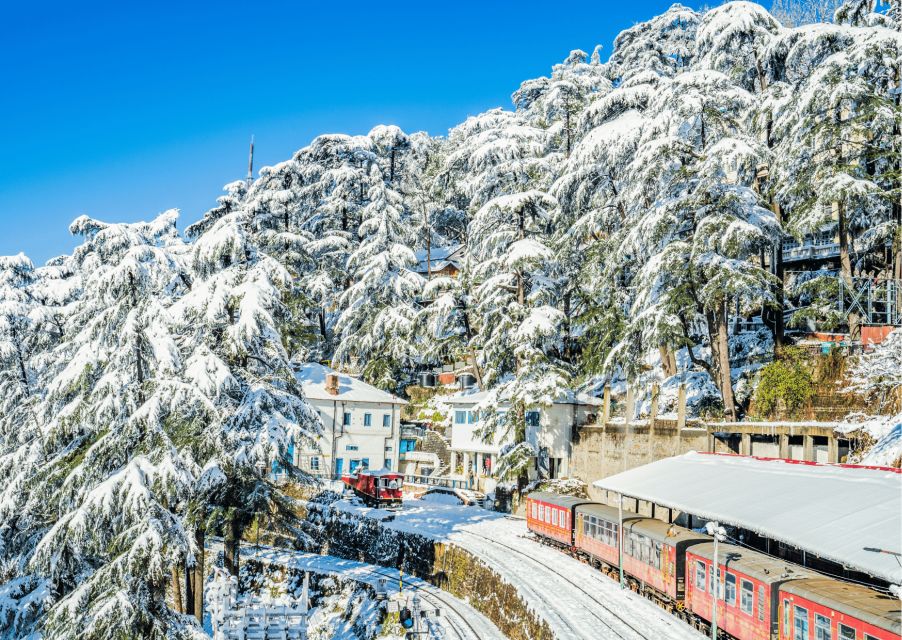
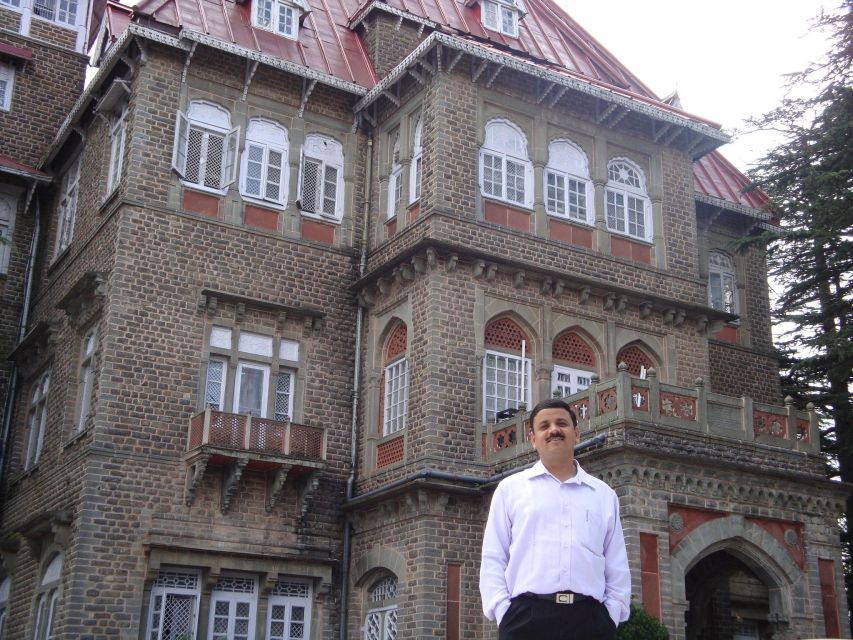
Then you reach Gorton Castle, a 19th-century landmark with neo-Gothic architecture. This is one of the stops that tends to earn the most camera time, because the style is visually specific. Even if you do not know the vocabulary of Gothic revival, you can still read it: the shape language, the detailing, and the way the building looks like it was designed to impress.
The value of this visit on a short walking tour is that it acts like a visual anchor. After the museum and civic passing points, Gorton Castle gives you a single standout structure to focus on. It also helps your brain connect the era: this is not random architecture, it is part of the broader British-era building style that shaped Shimla.
Time here is roughly 20 minutes for the visit, which is enough to look, ask questions, and get good photos without pushing the tour schedule too hard.
Shimla-Kalka Railway track and St. Michael’s Cathedral: British craftsmanship in place
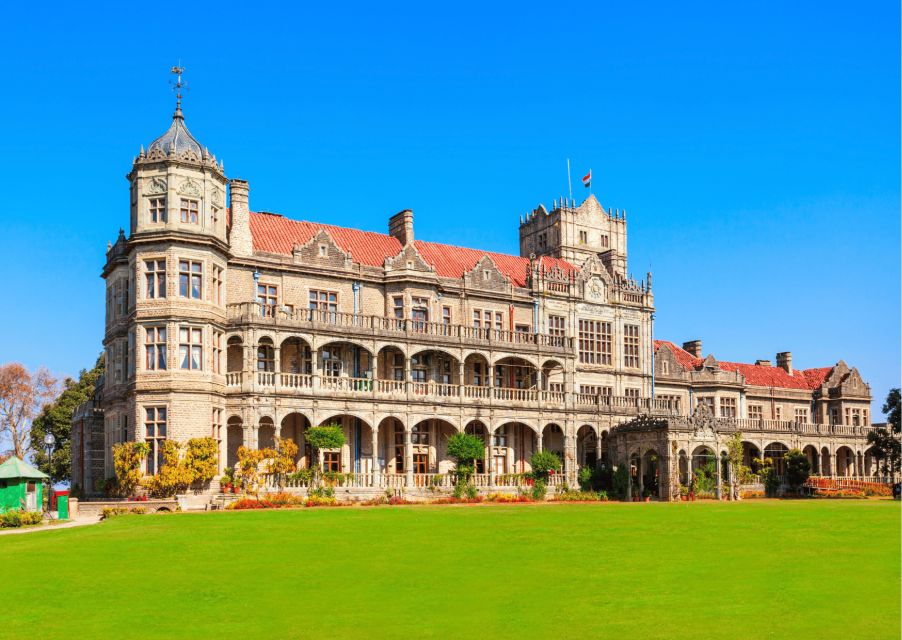
As you move along, you pass the Shimla-Kalka Railway track, described as an important witness of British craftsmanship. Even if you are not into rail engineering, the context matters. This is one of those ways the British left infrastructure and not just buildings. You start to see how travel, trade, and settlement were tied to the rail lines.
After that, you also pass St. Michael’s Cathedral, noted for French-Gothic architecture. The combination of a railway heritage context with a Gothic cathedral is a strong pairing. One is about engineering and movement; the other is about design and faith. Together, they broaden your understanding of what colonial influence looked like in Shimla.
One note for your planning brain: because this section includes pass-by moments, you will want to keep your eyes up while walking. Do not let photo mode swallow your attention. The best photos come when you can match the cathedral or rail viewpoint with the right walking angle.
Jakhoo Hill and Kalibari Temple: finishing with faith and mountain air
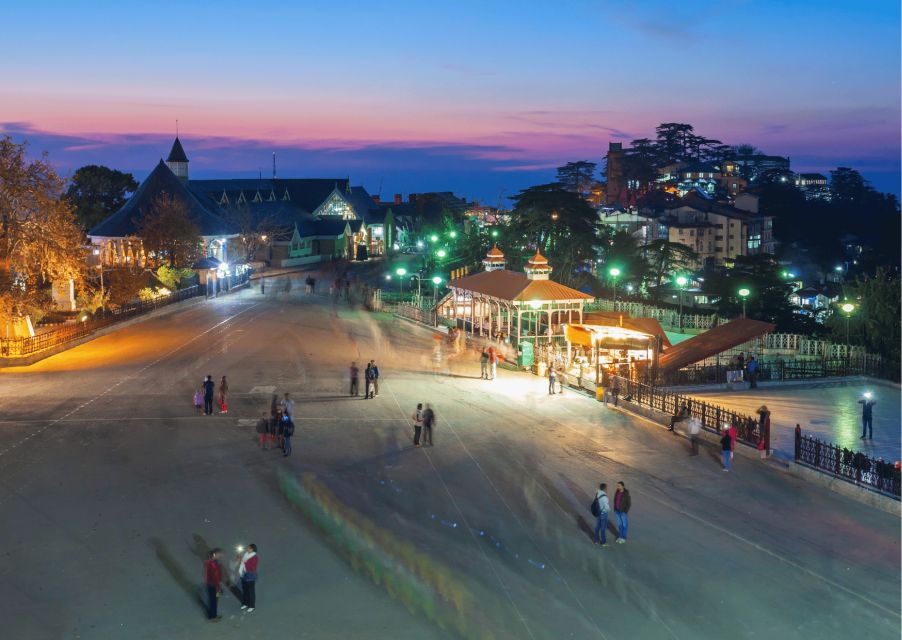
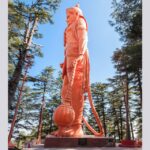
Your walk ends at Kalibari Temple on Jakhoo Hill, an ancient place of worship dedicated to Goddess Kali, built in 1845. This final stop changes the tone of the tour. After colonial-era architecture and museums, you shift into a sacred atmosphere where the city feels less like an exhibit and more like a living place.
This ending works for most people because it feels naturally reflective. The hill setting also means you get that extra sense of breathing room. Even if you do not come for religious reasons, you are likely to leave calmer than when you started.
The visit time is about 20 minutes, which is long enough to observe respectfully and take in the spiritual importance without turning it into a long sit-down. It is also an easy way to end: you are not scrambling across town at the end of the tour.
Price and value: why $14 makes sense for a 2-hour story walk
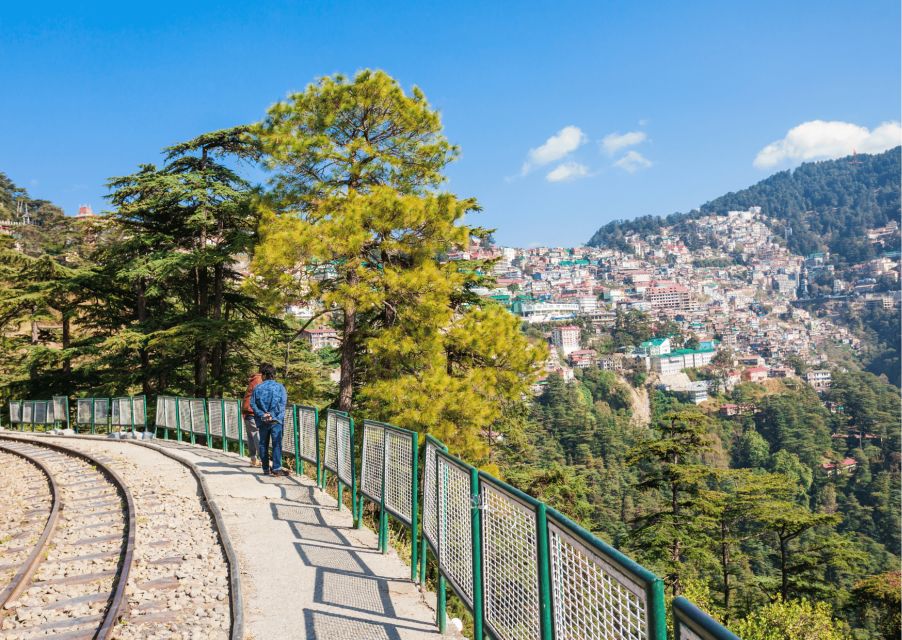
At around $14 per person for a 2-hour guided experience, this tour sits in the pocket of good-value Shimla activities. You are paying for three things: a trained English/Hindi storyteller guide, access to lanes and places you might not find alone, and a structured route that mixes several major stops instead of just ticking off one area.
What makes it feel like good value is the “infotainment” style mentioned in the description. The tour is designed so you do not need to love history to enjoy it. Even if you are there for photos or the scenery, the guide helps you understand what you are looking at in small, digestible pieces.
Two small practical considerations keep it honest. There is no hotel pickup/drop, so you may need to get yourself to the meeting point. And because there is no water bottle included, bring your own if you tend to get thirsty on walks.
Who should book this Shimla walking tour
I think this tour is a great fit if you:
- want a short, organized way to see Shimla’s colonial-era landmarks without spending the whole day
- like walking tours where the guide explains what you see in a lively way
- enjoy variety: mansion architecture, museum culture, a bird stop, and a spiritual ending
- appreciate local recommendations to plan the rest of your Shimla time (guides here are known for that kind of practical advice)
If you prefer very slow pacing, deep museum time, or long stops at fewer locations, you might feel slightly rushed in a 2-hour format. But if you want a clear route with strong storytelling, this is built for you.
Should you book the Colonial Trails of Shimla guided walking tour?
Yes, if you want an efficient, story-led way to experience Shimla’s colonial architecture alongside Himachal’s own art and a real temple finish at Kalibari on Jakhoo Hill. The standout factor is the guide quality: people call out Dev, Jagdeep ji, and Sunny Thakur for being attentive, friendly, and able to pitch the information at the right level.
If you will rely on hotel pickup or you know you need water provided on outings, you may want to plan around those gaps. Otherwise, this is the kind of small-group walking experience that helps you get your bearings fast and see the city’s layers in one tidy stretch.
FAQ
Where does the tour start and where does it end?
The tour starts at Rashtrapati Niwas, also known as Viceregal Lodge. It ends at Kalibari Temple on Jakhoo Hill.
How long is the tour?
The duration is 2 hours.
What does the tour cost?
The price is listed as $14 per person.
What languages is the guide available in?
The live tour guide speaks English and Hindi.
Is hotel pickup and drop included?
No, hotel pickup and drop are not included.
Is a water bottle included?
No, a water bottle is not included.
What sites are included in the walking route?
You visit Rashtrapati Niwas (Viceregal Lodge), Himalayan Bird Park, Himachal State Museum, Gorton Castle, and Kalibari Temple. You also pass by landmarks including Vidhan Sabha Chowk, the Shimla-Kalka Railway track, and St. Michael’s Cathedral.
What should I bring?
You should wear comfortable clothes.