REVIEW · KATHMANDU
Mardi Himal Trek
Book on Viator →Operated by Mission Himalaya Trekking · Bookable on Viator
An easy trek with serious Himalayan payoff. You work your way toward Mardi Base Camp and come back through rhododendron-covered trails, with real structure for altitude and rest. Two things I like most are the view reward at Mardi Base Camp (around 4,500m) and the human touch of a great trekking crew, including guide Birendra, who’s known for smart planning and even photo help along the way.
I also appreciate how the trip doesn’t stop at hiking. You get a full Kathmandu and Pokhara side by side: city time with a guide, plus a mountain-laced Pokhara finish that includes time around tea gardens near Lwong and sightseeing options like Davis Waterfall and Gupteswor Mahadev. That mix helps you feel like you got the whole Nepal package, not just a long walk and a bedtime.
The main consideration is altitude and cold. Even with loaned cold-weather gear on request (like a down jacket and sleeping bag), you still need to plan for winter temps up high, and you’ll want travel insurance that covers trekking and rescue. Also, tipping and personal costs are on you, and hot showers and WiFi are not part of the package.
In This Review
- Key things to know before you go
- Mardi Himal Trek in plain terms: what you’re actually signing up for
- Price and logistics: what $1,058 really buys you
- Kathmandu to Thamel: starting with fewer moving parts
- The Pokhara leg: quick flight, then into trail mode
- From Phedi and Deurali toward Forest Camp: the trail finds its rhythm
- Above 3,000m: the acclimatization days that keep you hiking
- Mardi Base Camp: the payoff at around 4,500m
- The descent to Siding and the rhododendron/pine mix
- Lwangghale (Lwong) and the flatter trekking day that feels like relief
- Sunrise tea gardens and a smooth Pokhara return
- Pokhara sightseeing: waterfalls and Gupteswor Mahadev
- Kathmandu wrap-up: a guided city day before departure
- Lodges, food, and what cold-weather support looks like
- The crew: why guide Birendra and porters matter
- Who this Mardi Himal Trek fits best
- Should you book this Mardi Himal Trek package?
- FAQ
- How long is the Mardi Himal Trek tour?
- Where does the experience start and end?
- Is pickup included?
- What is the trek’s highest highlight?
- Is this trek suitable for beginners?
- Are permits included?
- Are domestic flights included between Kathmandu and Pokhara?
- What kind of accommodation is provided during the trek?
- What expenses are not included?
Key things to know before you go
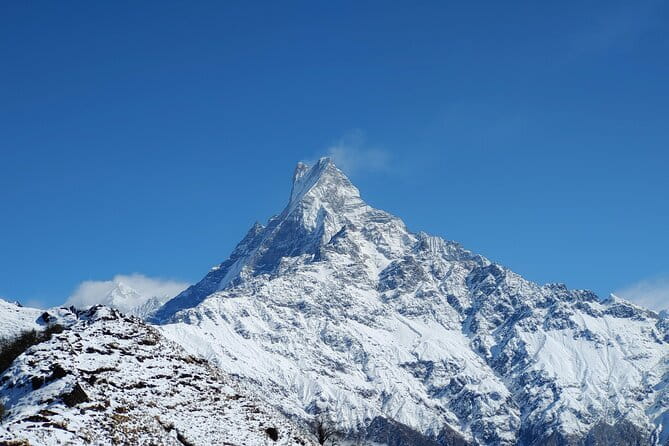
- Mardi Base Camp at ~4,500m is the headline, and the final climb tends to feel like a personal win rather than a box to check.
- Acclimatization pacing includes shorter trekking days once you’re above 3,000m, which matters more than people think.
- Guide Birendra is repeatedly praised for smooth logistics, route adjustment when conditions change, and photo-friendly moments.
- Permits and flights are bundled: ACAP and TIMS plus Kathmandu–Pokhara–Kathmandu domestic tickets (including for the guide).
- You’re lodge-based the whole trek with twin sharing, so pack for basics, not hotel comforts.
Mardi Himal Trek in plain terms: what you’re actually signing up for
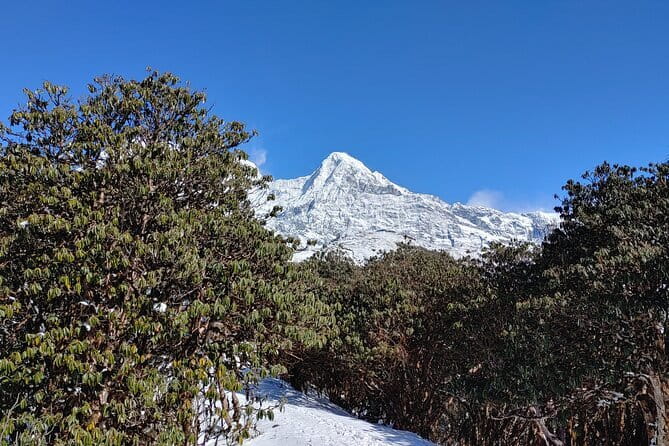
The Mardi Himal Trek is in Nepal’s western Annapurna region, and it’s often chosen because the trail is comparatively approachable for first-time trekkers. You’re not doing technical climbing. You’re doing sustained hiking in mountain terrain, with altitude that can make a “moderate” day feel harder than expected.
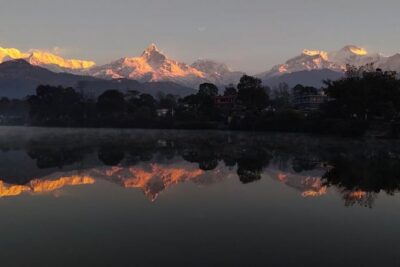
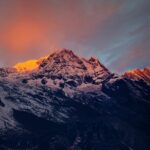
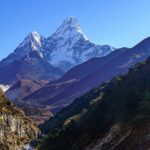
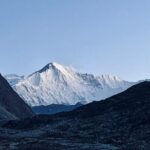
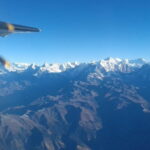
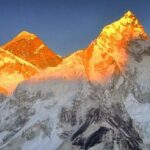
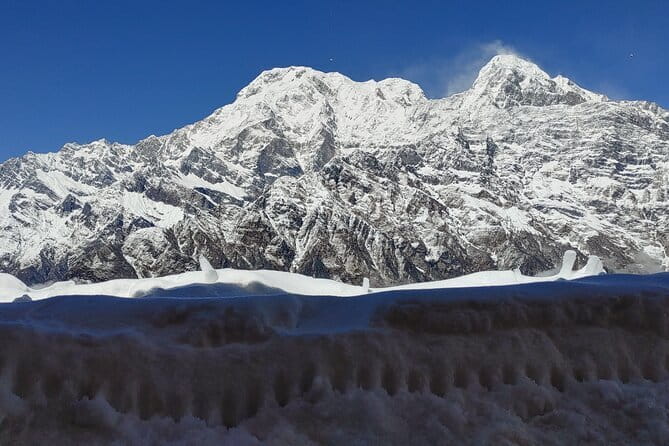
The big promise here is Mardi Base Camp. That’s where your views often do the heavy lifting: Annapurna massif views, Mount Machhapuchhre (Fish Tail), and the Mardi Himal range. If you’re hoping for dramatic mountain scenery without the toughest routes in the area, this is a strong match.
You can also read our reviews of more hiking tours in Kathmandu
Price and logistics: what $1,058 really buys you
At $1,058 per person, you’re not just paying for trail time. You’re paying for the stuff that usually eats up money and energy in Nepal trips: permits, domestic flights, guided hiking support, and a lot of coordination.
Here’s what’s included that typically makes the price feel more reasonable:
- Kathmandu and Pokhara hotels (3-star) with breakfast, so you start clean and end with decent recovery.
- Kathmandu–Pokhara domestic flights (and those tickets also cover the guide).
- All trek permits: ACAP and TIMS.
- A government-licensed trekking guide with meals, accommodation, and insurance.
- A porter with meals, accommodation, and salary/insurance.
- Lodging on the trek at best available lodges, twin sharing.
- Meal coverage on the trek (breakfast is included for 10 days, lunch for 8, dinner for 8).
- Down jacket, sleeping bag, and duffel bag on request (to return after the trek).
What you’ll still pay for on your own:
- Nepal visa fees and international flights
- Travel and rescue insurance
- Meals in Kathmandu and Pokhara beyond what’s listed
- Drinks, WiFi, hot showers, and personal expenses
- Tipping for staff
So the value isn’t only the scenery. It’s that you get a managed trek with the paperwork handled and the mountain logistics done for you.
Kathmandu to Thamel: starting with fewer moving parts
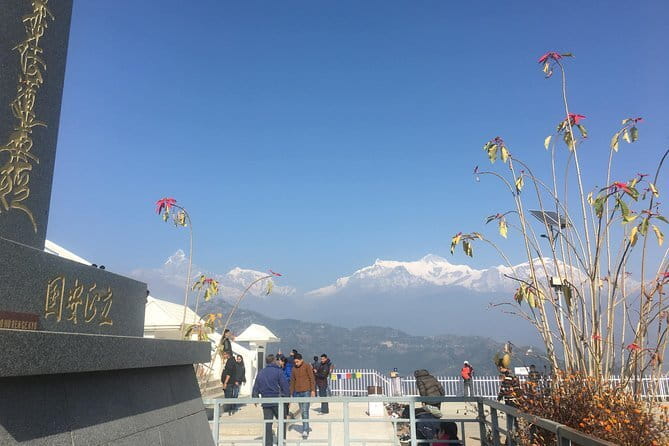
You land in Kathmandu, handle your entry authorization, and then get driven to Thamel. Thamel is where most trekking travelers sort themselves out fast: gear shops, souvenir spots, and a dense network of guesthouses and cafés.
This first day is mostly about easing into Nepal. You’re not asked to sprint into the hiking part. Instead, you’re set up for an early next move.
One nice detail for practical-minded travelers: the tour includes private vehicle transfers for sightseeing and city transfers, plus pickup is offered. It cuts down the usual taxi-finding stress.
The Pokhara leg: quick flight, then into trail mode
Next you catch the earliest morning flight to Pokhara. That matters because it reduces the amount of time you’d otherwise lose to long road travel before you even start hiking.
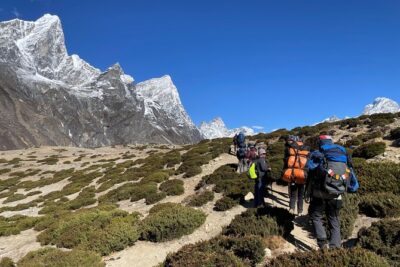
From Pokhara, you drive to Kande, then the trail work begins. Daytime hiking starts relatively easy and gradually builds. It’s a good approach for getting your legs used to real walking again before altitude becomes the main story.
From Phedi and Deurali toward Forest Camp: the trail finds its rhythm
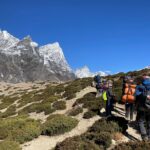
The trek route runs from Phedi through Deurali village, then onward to Forest Camp, Low Camp, and High Camp on the way to the base area.
In the first hiking segment, you’ll follow a path that starts more level and then works into uphill terrain. After a mountain meal in Deurali, you’re ready for the climb toward Forest Camp, which takes roughly six hours in the plan.
What I like about this early rhythm: it gives you enough time to find your pace. You’re not thrown into a “go hard immediately” day, and you’re still hiking long enough that you feel like you’re truly underway.
Potential drawback: this kind of day can still feel long if you’re not used to steady ascents. You’ll want to pace yourself and not treat every switchback like a race.
Above 3,000m: the acclimatization days that keep you hiking
Once you’re higher than 3,000 meters, the plan intentionally reduces distance and stretches your time at a workable effort level.
You’ll hike through mixed woodland, stop at Low Camp for lunch, and then later have a shorter acclimatization trek. The guidance is simple: hydrate well and don’t force the pace. Altitude sickness prevention is about consistency and restraint as much as it is about medicines.
You should expect that your body feels “off” sooner at elevation. That’s normal. The value of this itinerary is that the schedule respects that reality. A lot of trek failures happen because people try to keep the same pace they used at sea level.
Mardi Base Camp: the payoff at around 4,500m
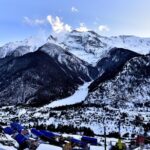
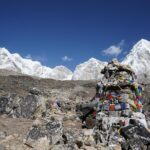
This is the core day. You start moving toward Mardi Base Camp, and you pass a viewpoint where you can see panoramic mountain ranges, including the Annapurna massif, Machhapuchhre, and Mardi Himal.
The plan also flags that reaching base camp is often the emotional high point. In fact, one recurring theme in real trekking stories is the sense of accomplishment on the base camp section. People describe it as the most beautiful part of the journey—sometimes even with an unexpected emotional burst.
Practical advice: base camp days are often about managing effort on the final stretch. Go steady. Save your energy so you can enjoy the views instead of just enduring the climb.
The descent to Siding and the rhododendron/pine mix
After Mardi Base Camp, you’re not done with mountain time, but the direction shifts. You’ll eat a higher-elevation breakfast, then descend toward Sidding/Sidhing (spelling varies by guide and mapping).
This section includes walking through rhododendron and pine zones. If you’re traveling in spring, that’s when the rhododendron color tends to be a star feature, turning the trail into more than just a means to an end.
A realistic note: descents can be hard on knees. Even if you feel fine at altitude, your legs may feel it on the way down. Bring trekking poles if you use them, and keep your steps controlled rather than long-striding.
Lwangghale (Lwong) and the flatter trekking day that feels like relief
One of the most praised parts of the itinerary is the route toward Lwong/Lwangghale. This is often the highlight for people because it’s mostly flat terrain, and it gives your legs a breather after the sharper mountain segments.
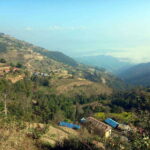
You walk toward Lwong, a village described as charming, with ancestral houses and a more settled feel than the higher camps. It’s also where the trip starts shifting from hiking intensity toward culture and recovery.
Sunrise tea gardens and a smooth Pokhara return
Next comes a very different mood: a walk through tea gardens around Lwong with sunrise views. Morning light in the hills is the kind of detail that turns a trek into a story you’ll remember, not just a checklist item.
Then you return to the guesthouse for the final mountain-meal rhythm before you head back toward Pokhara. This is one of those itinerary choices that’s easy to overlook when you’re focused on base camp. Don’t overlook it. You’ll often feel the contrast in your body: less strain, more calm.
Pokhara sightseeing: waterfalls and Gupteswor Mahadev
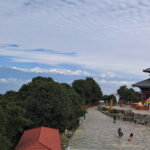
Your Pokhara day includes a guided outing with choices like Davis Waterfall and Gupteswor Mahadev. You’re also given time to enjoy the city at your speed.
Pokhara is where you can “come back to Earth.” Your trek clothes can dry out. You can shop for small souvenirs without the pressure of packing for another day. And you get a little break from the cold routine.
Kathmandu wrap-up: a guided city day before departure
On your final day in Kathmandu, a town guide takes you around key sights. The itinerary notes popular cultural destinations, and it’s framed as time to absorb the city rather than rush through it.
This is the part that makes the trip feel complete. You go from mountain air and lodge bathrooms back to streets, temples, and the slower rhythm of a big city.
Lodges, food, and what cold-weather support looks like
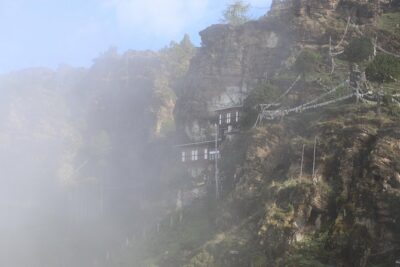
On the trek, you’ll stay in best available lodges, twin sharing. That means you’ll get warm-ish communal spaces, simple rooms, and basic comforts. You should assume things like hot showers and WiFi are not guaranteed, and you’ll be happiest with that expectation.
Food is typically available in the lodges along the route. One specific detail that pops up in trek notes is enjoying High Camp pizza—a reminder that the mountain menu does get creative when you’re already tired and want something familiar.
Cold gear is handled in a smart way: you can request a down jacket, sleeping bag, and duffel bag, and you return the items after. Still, bring your own layers if you run cold. Cold is often the biggest surprise for people who thought they were only preparing for “some hiking weather.”
The crew: why guide Birendra and porters matter
This is a supported trek, and the support staff are part of the experience, not just background logistics.
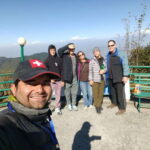
Guide Birendra is repeatedly praised for professional planning and warm hospitality. People also note that he adjusts routes when conditions change and helps keep the trek moving smoothly. Another practical perk: he takes photos, which sounds small until you realize you’ll be tired and busy. Someone handling the camera moment means you actually get pictures of the views you worked for.
Porters also come up for good reason: they carry strong workloads while still staying on top of meals and accommodation needs. That support is one of the reasons this trek feels beginner-friendly without feeling cheap.
Who this Mardi Himal Trek fits best
This plan is a solid match if:
- You’re a beginner or developing hiker who wants mountains with a manageable trail feel.
- You want a clear path to Mardi Base Camp without technical climbing.
- You like the idea of good support: permits handled, guide + porter included, and domestic flights already planned.
It might be a weaker match if:
- You need nonstop hotel-level comfort like hot showers and reliable WiFi.
- You hate cold and don’t want to plan layers even with provided gear.
- You’re not comfortable paying extra for insurance, visa, and personal expenses.
Should you book this Mardi Himal Trek package?
I’d book it if you want a structured Mardi Himal Trek with real support, especially if you’re new to trekking in Nepal. The value comes from bundling the permits, guide/porter care, domestic flights, and city lodging so you can focus on the hiking.
I’d hesitate if you’re looking for a totally DIY adventure or if you’re unprepared for cold and altitude reality. Even with acclimatization days, you should expect an effort and plan for slow, careful walking.
If you’re the kind of person who wants big views, a manageable trail profile, and a guide who can keep the route sensible when the weather shifts, this is a strong choice.
FAQ
How long is the Mardi Himal Trek tour?
The trip is listed as 11 days approximately.
Where does the experience start and end?
It starts at Mission Himalaya Treks and Expeditions in Thamel, Kathmandu, and ends back at the same meeting point.
Is pickup included?
Yes. The tour description includes pickup offered and provides private vehicle transfers for airport and city movements.
What is the trek’s highest highlight?
The key highlight is reaching Mardi Base Camp, mentioned around 4,500m in trek notes.
Is this trek suitable for beginners?
Yes. The trek is described as popular for novice hikers because the trail is relatively easy, though it still involves altitude and real effort.
Are permits included?
Yes. The package includes required permits ACAP and TIMS.
Are domestic flights included between Kathmandu and Pokhara?
Yes. Kathmandu–Pokhara–Kathmandu domestic flight tickets are included, and the guide is included in the flight ticketing.
What kind of accommodation is provided during the trek?
You stay in best available lodges on the trek, with twin sharing.
What expenses are not included?
Not included are international air tickets, Nepal visa fees, travel and rescue insurance, meals in Kathmandu and Pokhara beyond what’s stated, and personal expenses like drinks, WiFi, hot shower (if available), and tipping.