REVIEW · KATHMANDU
Manaslu Circuit Trek (15 Days)
Book on Viator →Operated by Sole Encounters Adventures · Bookable on Viator
Manaslu feels like a Himalayan side door. You get a less-crowded circuit, big mountain drama, and Tibetan-influenced villages that make the trek feel more like a journey than a checklist. The route also follows the Budhi Gandaki corridor, so your days are packed with river views, narrow trails, and quiet teahouse nights.
I especially like the small-group structure and the fact that the team plans for safety in a practical way. You’re trekking with a licensed, first-aid trained guide, plus an assistant guide for added attention, and porters keep your overnight load manageable. I also like the strong permit-and-process approach before you ever step onto the trail.
One drawback to think about: you need to budget for extra essentials not included, like trek meals, drinking water, and travel insurance for emergency evacuation. If you’re expecting everything to be bundled, you’ll want to plan for those add-ons early.
In This Review
- Quick things to know before you lace up
- Why the Manaslu Circuit feels different from the usual Nepal routes
- Price and Logistics: what $1,657.50 covers (and what it doesn’t)
- Kathmandu setup: Thamel hotel time and permit paperwork
- Day-by-day on the trail: riverside days that build your legs
- Machha Khola and the first walking rhythms
- Jagat: a long-ish day with steady work
- Deng: longer and more altitude
- Namrung, Lihi, and Shyala: culture climbs with you
- Namrung: steady ascent with big feeling views
- Lihi: terraces, pastures, and yak country vibes
- Shyala: mani walls and the high-altitude village experience
- Samagaon and Pungyen Gompa: a monastery hike you’ll remember
- Samdo and Dharamsala: the acclimatization stage before Larke Pass
- The Larke Pass build-up: why the hardest days are scheduled right
- Guides, porters, and safety: the support you feel when it matters
- Teahouses and day-to-day comfort: plan like you’re a responsible realist
- Who should choose this Manaslu Circuit Trek?
- Should you book this trek?
- FAQ
- What is the meeting point and where does the trek end?
- Are international flights included in the price?
- Which permits are included for the Manaslu Circuit Trek?
- Are meals during the trek included?
- How many travelers are on the trip at most?
- Is travel insurance included?
- Do I need to provide my passport before trekking?
Quick things to know before you lace up
- Remote Manaslu Circuit instead of the main Nepal trek crowds
- Permits are handled up front, including the special restricted-area paperwork
- Acclimatization is built into the route, including a crucial pre–Larke Pass hike
- Small-group support: up to 15 travelers, with an assistant guide per 5 trekkers
- Porters carry overnight bags on a 2 trekkers to 1 porter ratio
- Most trek meals are on you, since teahouse breakfasts/dinners aren’t fully included
Why the Manaslu Circuit feels different from the usual Nepal routes
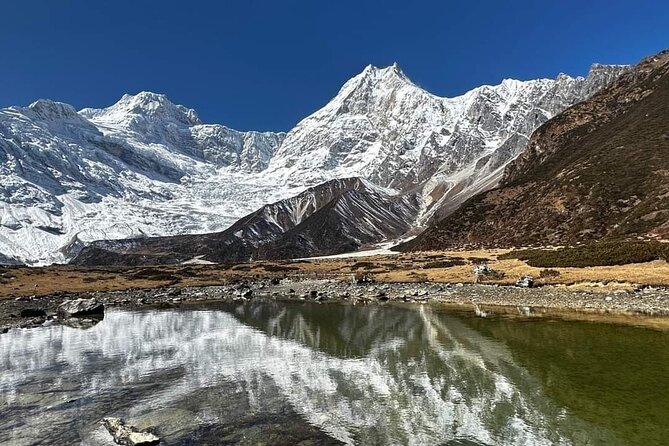
If you’re tired of the same trail traffic and the same souvenir-and-skyline routine, Manaslu Circuit is a good fix. This trek is known for quieter villages and a more Tibetan-flavored feel in daily life—stone houses, mani walls, prayer flags, and a slower rhythm as you climb.
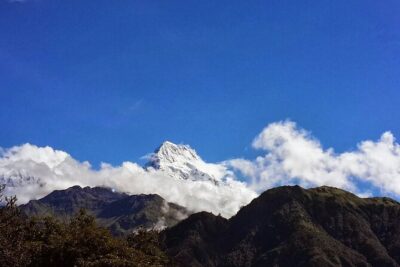
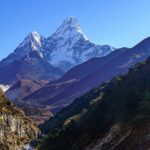
The scenery comes in layers. You start through lower foothill forests, then move into wide-open high sections with yak pastures and rocky alpine ground. The big moment is the Larke Pass crossing, but what makes it satisfying is how the route feeds you toward it day by day.
You’ll also spend time in places like Shyala and Samagaon where the views aren’t just “pretty.” They help you understand why people live and travel in these valleys—weather windows, trade routes, and mountain geography all matter here.
You can also read our reviews of more hiking tours in Kathmandu
Price and Logistics: what $1,657.50 covers (and what it doesn’t)
This trek has a real “you’re paying for people and paperwork” vibe. The listed price includes Kathmandu lodging in a 3-star hotel in Thamel with breakfast, standard teahouse accommodation during the trek, private transport for several key legs, and shared jeep transport for the final transfer from Dharapani to Besisahar.
It also includes major costs many trekkers forget to price out: government fees and permits (Manaslu Conservation Area Permit, Annapurna Conservation Area Permit, and the Special Restricted Area Permit). Add in a professional licensed guide, porters (with overnight bag carry), an assistant guide per 5 trekkers, and insurance coverage for the trek crew, and the price starts to look more like “managed risk” than “just walking.”
What’s not included matters because it affects your daily budget:
- International airfare
- Nepal visa fee (USD 30 per person)
- Travel insurance (must cover accidental, medical, and helicopter evacuation up to 5200m)
- Personal trekking gear
- Meals during the trek (you’ll pay at teahouses)
- Drinking water (bring a filter bottle or purification tablets)
- Hot showers and battery charging/Wi-Fi are typically extra
My take: if you already have good travel insurance and you’re comfortable buying teahouse meals, this is solid value for a remote, permit-heavy circuit with real logistical support. If you want fully catered meals and everything pre-paid, you’ll feel the gaps fast.
Kathmandu setup: Thamel hotel time and permit paperwork
You start in Thamel, which is handy because it’s close to everyday things and public transport. After landing at Tribhuvan International Airport, you’re met with a transfer to your Kathmandu hotel and you can settle in without scrambling.
Before the trekking starts, you’ll handle a key step: permits. The process requires collecting your original passport and two passport-sized photos, since Nepal immigration needs the physical document to issue the permits. If you’re the kind of traveler who hates paperwork, this is still worth doing early so your trek day doesn’t get eaten by admin stress.
One practical note: the “short city days” can still involve waiting, forms, and timing. Build buffer into your mindset so you’re not irritated by slow-moving bureaucracy—this is just how mountain-country logistics work.
Day-by-day on the trail: riverside days that build your legs
Machha Khola and the first walking rhythms
Your trek days begin after a long, scenic drive from Kathmandu toward Machha Khola. This first transfer matters more than you might think: it shifts you from city energy into foothill pacing, and your body gets its first lesson in Nepali altitude and road curves before trail time.
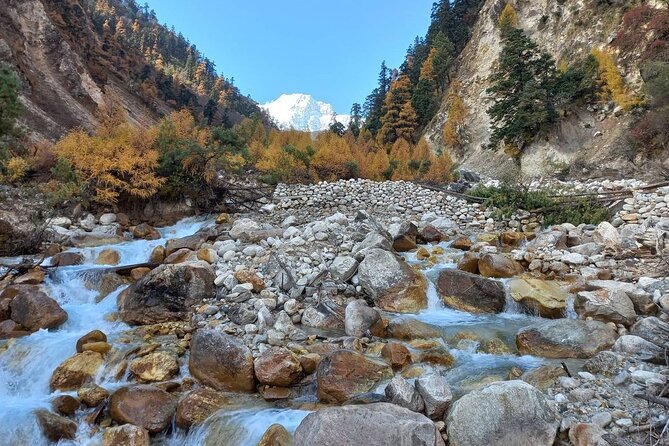
On your early walking days, the route tracks narrow trails and river paths along the Budi Gandaki. You even pass sites like Tatopani (a natural hot spring). Even if you skip soaking during the circuit itself, it’s a useful reminder: this valley has its own natural comforts, not just mountains.
Jagat: a long-ish day with steady work
When you reach Jagat, the day is described as about 15 km and roughly 6–7 hours. It’s not a casual stroll, either: expect around 600m of ascent and 250m of descent. Trails here can feel tight and winding along river and ridge edges.
What I like about days like this is the pacing. You’re not just climbing for climbing’s sake. You’re moving through settlements and forest corridors where you can see how the valley supports daily life.
Deng: longer and more altitude
The Deng day is listed at about 18 km and 7–8 hours, with around 1,050m ascent and 400m descent plus some flat walking. It’s a bigger effort than the earlier day, and that’s a good thing if you want time on your feet without jumping straight into the highest alpine sections.
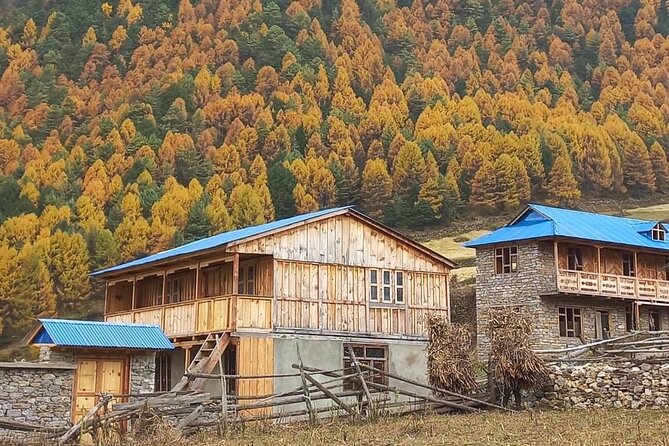
You’ll also pass through Gurung villages in this zone, with Tibetan-influenced stone houses and traditional patterns of settlement. In other words, it’s not only exertion—it’s context.
Namrung, Lihi, and Shyala: culture climbs with you
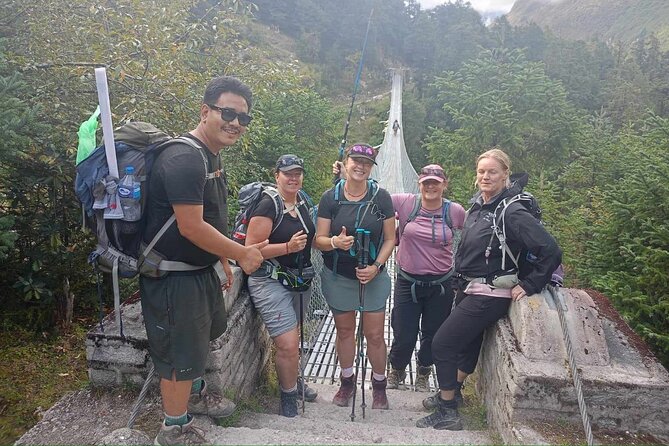
This middle stretch is where the circuit starts to feel like a real trek through a living region, not just a line on a map.
Namrung: steady ascent with big feeling views
Namrung is reached after about 19 km and 7–8 hours, with roughly 1,100m ascent. The route moves through forested sections and winding climbs out of lower valleys.
What makes this day memorable is how village life and altitude shift at the same time. You’re gaining height, but you’re also transitioning into architecture and everyday routines that look more Tibetan-influenced.
Lihi: terraces, pastures, and yak country vibes
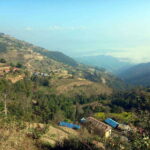
Lihi comes after a day of about 700m up and 100m down. Terraced fields and forested switchbacks lead you toward yak pastures. That combination—human farming and mountain grazing—helps you understand why these settlements exist.
You don’t get to “win” by rushing. Lihi rewards steady, patient walking.
Shyala: mani walls and the high-altitude village experience
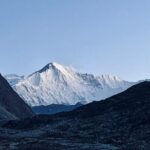
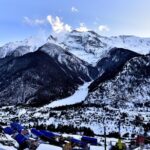
Shyala is described as a high-altitude village surrounded by major peaks like Manaslu, Himalchuli, Peak 29, and Ngadi Chuli. The trail toward it passes pine and rhododendron forests, along with mani walls and prayer flags.
This is also the point where weather and temperature can start to change faster. If you’re the type who underpacks because it’s sunny at breakfast, Shyala will teach you to bring a real layering plan.
Samagaon and Pungyen Gompa: a monastery hike you’ll remember
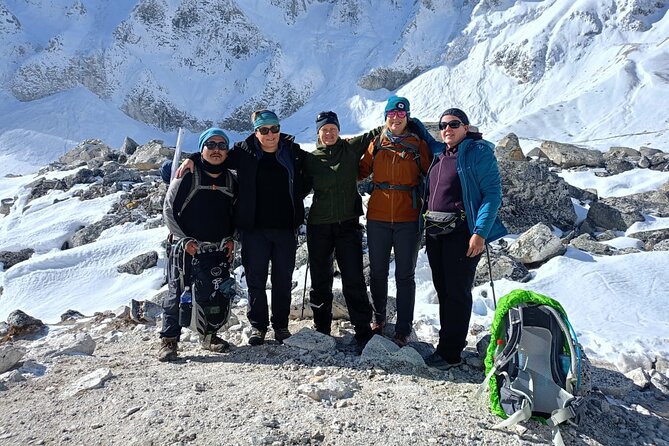
Samagaon is the largest village in the Nubri Valley, and it’s positioned under Mt. Manaslu. You’ll spend the night here after a walking day from Shyala/Samagaon approach (about 17 km and around 500m ascent, in the information provided).
The side hike to Pungyen Gompa is a highlight: a 3–4 hour roundtrip from the route area, with a monastery perched on a ridgeline and panoramic views. The hike begins with a gradual forest ascent before it steepens.
I like this kind of add-on because it’s “small effort, big atmosphere.” You’re not just trudging to a bed; you’re stepping into a viewpoint tied to local spiritual life.
Samdo and Dharamsala: the acclimatization stage before Larke Pass
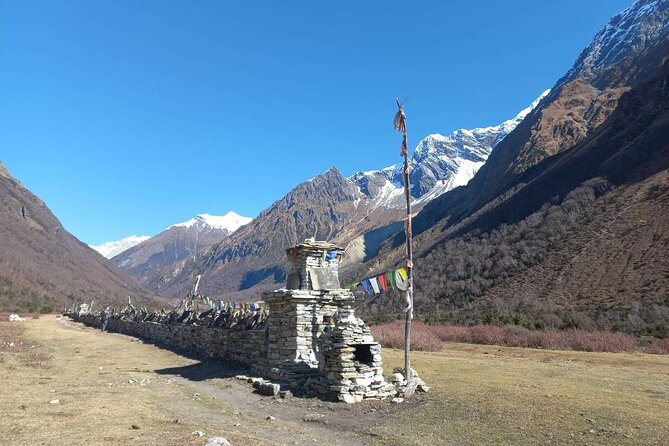
This stretch is where the circuit turns more serious.
Samdo is reached after a day that begins with a gentle descent to a wooden bridge over the Budhi Gandaki River. Then you climb steadily past dry yak pastures and mani walls—basically, you’re moving from greener valleys into harsher high-mountain terrain.
Then comes the key acclimatization point: you do a short but crucial hike to Dharamsala before tackling Larke Pass. Even though it’s short, it’s the kind of day that sets up how well you handle the demanding section ahead.
If you want one practical mindset for this part: don’t treat acclimatization as a break. Treat it as training your lungs to work at altitude.
The Larke Pass build-up: why the hardest days are scheduled right
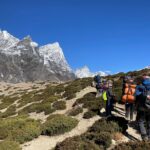
The most demanding day in the circuit is the trek from Dharamsala to Bimthang, described as starting before dawn. The route climbs over rocky moraine and glacier-draped terrain.
This is the “respect the mountain” day. It’s not the kind of terrain where you can make up time with attitude. You’ll get the best experience if you pace conservatively, eat when you can, and don’t panic when the air gets thin.
After Bimthang, the trek continues toward Dharapani, with a descent through varied terrain: alpine scrub to dense pine, rhododendron, and oak forests. Yak Kharka is noted as a seasonal grazing area, where herders bring live animals during certain parts of the year.
The last stage ends with the jeep transfer out. You start by leaving Dharapani and use a shared jeep to Besisahar. It’s bumpy and scenic along the Marsyangdi River, and the drive passes villages and waterfalls near Tal village. Then you’re transferred back to Kathmandu, where the air feels easy again—at least compared to the high trail.
Guides, porters, and safety: the support you feel when it matters
A lot of treks sell views. This one also sells support.
You travel with a professional, government-licensed guide who’s first-aid trained. There’s also an emergency-minded approach in place, including altitude briefings and planning. You also get trek-crew insurance coverage, including for the guides, assistant guides, and porters.
The team structure is a big deal on a physically demanding circuit:
- Porter ratio is given as 2 trekkers to 1 porter
- There’s 1 assistant guide per 5 trekkers
- The group max is 15 travelers
- Travel insurance coverage for helicopter evacuation is up to 5200m in altitude (and you’re expected to have your own)
From the trip stories shared with this operator, you can see that guides and support staff like Raj Rai and Tshering are described as attentive and focused on safety. Other team members mentioned by name include Ishwor Rai (part of the support network) and Pemba Sherpa (linked to monastery and high-area experiences). The pattern is consistent: organized pre-trek communication and watchful trail leadership.
One more practical point: you’re also carrying a passport for permit issuance, so keep it safe and dry. Paperwork is your “ticket” to the mountain.
Teahouses and day-to-day comfort: plan like you’re a responsible realist
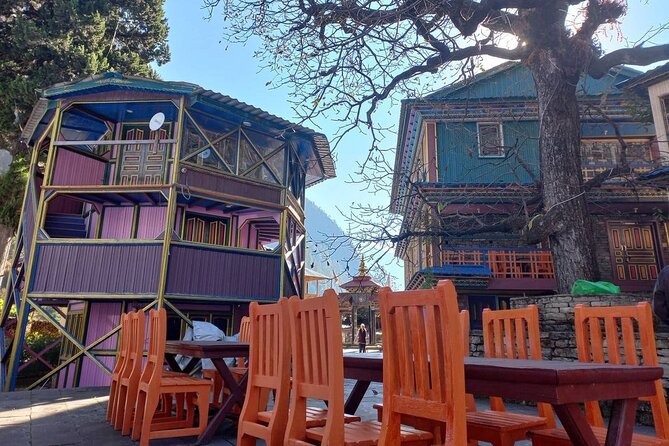
The trek uses standard teahouses, which typically means simple rooms and basic meals. The listing says meals during the trek are not included, so breakfast/lunch/dinner will be purchased along the way at teahouses.
That can actually be a good thing. You can choose what fits your hunger and stomach that day. But it also means your budget needs breathing room, and you should treat bottled habits gently: drinking water isn’t included, so bring a filter bottle or purification tablets.
Hot showers, battery charging, and Wi-Fi aren’t guaranteed freebies. They’re available for extra fee at most teahouses, so keep your power bank charged early when you can, and don’t plan on constant Wi-Fi as part of your “work from the mountains” dream.
Who should choose this Manaslu Circuit Trek?
This is best for you if you want:
- a remote circuit with fewer crowds than Nepal’s headline routes
- Tibetan-influenced villages and monastery culture along the climb
- a guided trek with real planning, not just a route download
You should also have moderate physical fitness. This isn’t a “walk at sunrise, snack at noon, repeat” trek. The circuit has multi-hour days with long ascents and a serious high pass day.
If you dislike altitude uncertainty or you don’t have evacuation-ready insurance, think twice. The listing is clear that travel insurance covering helicopter evacuation is required for the highest altitude reached.
Should you book this trek?
I’d book this Manaslu Circuit Trek if you’re the kind of traveler who values quiet trails, organized logistics, and a guide team that takes safety seriously. The included permits, the licensed guide, the assistant-guide coverage, and the porter ratio all point to less chaos and more confidence—especially on the Larke Pass day.
I’d be cautious if you’re hoping for a fully catered meal plan and simple water access. With trek meals and water not included, your comfort level will depend on how well you budget and how prepared you are with a filter and basic trekking layers.
If you want a circuit that feels authentic, and you’re okay doing the practical parts (permits, insurance, teahouse meals), this is a strong choice.
FAQ
What is the meeting point and where does the trek end?
The meeting point is Thamel, Kathmandu (44600). This activity ends back at the meeting point.
Are international flights included in the price?
No. International airfare is not included.
Which permits are included for the Manaslu Circuit Trek?
The package includes the Manaslu Conservation Area Permit, Annapurna Conservation Area Permit, and the Special Restricted Area Permit from Nepal immigration.
Are meals during the trek included?
Meals during the trek are not included. In Kathmandu, you get hotel breakfast plus a welcome dinner and farewell dinner as part of the package.
How many travelers are on the trip at most?
The maximum group size is 15 travelers.
Is travel insurance included?
No. You must have travel insurance that covers accidental and medical needs plus helicopter evacuation up to 5200m.
Do I need to provide my passport before trekking?
Yes. Upon arrival, the team requires your original physical passport and you also need to provide two passport-sized photos for permit processing.