REVIEW · HIMACHAL PRADESH AND UTTARAKHAND
Dayara Bugyal and Surya Top Trek
Book on Viator →Operated by Himalayan Dream Treks · Bookable on Viator
Green meadows with serious mountain payoff.
This 4-day trek through Uttarakhand and Himachal’s border hills turns Dayara Bugyal into a working vacation for your lungs, with a straightforward approach from Raithal and a payoff day that reaches Dayara Top. You’ll walk through forests, small villages, and open high pasture, with stops like Gui Campsite along the way and viewpoints tied to peaks such as Bandarpoonch and Black Peak.
What I like most is the day with the clear goal: a 12 km round trip from Gui to Dayara Top, capped by wide-open, 360-degree views. Second, the logistics feel cared for in a practical way: you get camping tents at Gui, sleeping gear like a sleeping bag and mattress, a first aid kit, permits handled, and meals from Day 1 dinner through Day 4 breakfast—plus a certified trek leader. The team on this route includes guides such as Ritik, Sunil (Sunil sir), Soby (Soby bhai), Shobendra (Shobendra bhaiya), and Bipin Negi, and that matters because the trek runs on good pacing and local know-how.
One thing to think about: even if the overall route is “relatively easy,” the plan still includes a final steep climb on summit day and long travel hours on earlier days. Also, this experience needs good weather, so you should be ready for the possibility of a date change if conditions turn.
In This Review
- Key things to know before you go
- Dayara Bugyal: why this trek feels real, not touristy
- Starting from Dehradun at 7:00 am: it sets your whole pace
- Raithal and the Raajneelam stay: a real village base
- Day 2 toward Gui Campsite: forests, entry point photos, and a long hiking day
- Day 3 to Dayara Top: the 12 km round trip and the view that justifies it
- Surya Top Trek connection: same region, same mountain logic
- Food, tents, and gear: what the package actually buys you
- Choosing your guide team: why names matter on a mountain route
- Who this trek suits best (and who should adjust expectations)
- Should you book the Dayara Bugyal and Surya Top package?
- FAQ
- Where is the trek meeting point, and when does it start?
- How long is the Dayara Bugyal and Surya Top trek?
- Where do you stay during the trek?
- Is trekking gear included?
- Are forest and camping permits included?
- What meals are included, and what meals are not?
- How big is the group?
- What is the summit-day walk like?
- What happens if weather is bad or the minimum number of travelers isn’t met?
- What is the cancellation window for a full refund?
Key things to know before you go
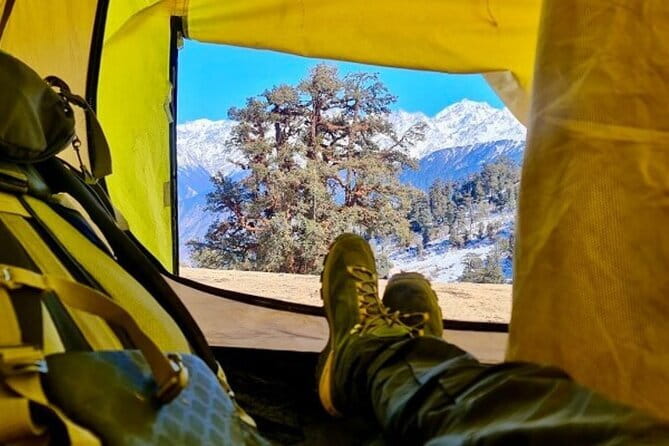
- A meadow at ~3,500 m: Dayara Bugyal is a high-altitude pasture with wildflowers in summer and snow scenery in winter.
- 12 km round trip to Dayara Top: One day does the heavy lifting, with a final push and big panorama views.
- Gui Campsite nights: You camp for two nights with tents provided, plus a sleeping bag and mattress.
- 360-degree views tied to major peaks: You’ll look out toward Bandarpoonch and Black Peak on summit day.
- Small group size (up to 20): Easier teamwork and less chaos on the trail.
- Guides and permits handled: A certified trek leader and necessary forest/camping permits are included.
Dayara Bugyal: why this trek feels real, not touristy
Dayara Bugyal is one of those Himalayan places that gives you two moods in one breath: thick forest walking, then the sudden sense of space when you step into high meadow terrain. At around 3,500 meters, the air feels different, and the view changes fast as you go from village trails to open pastures.
What makes this trek especially fun is how it’s built for everyday hikers. The walk is not about technical climbing or gear-heavy challenges. It’s about rhythm—steady walking, a few climbs, then long stretches where you can just look around and take in peaks in the distance.
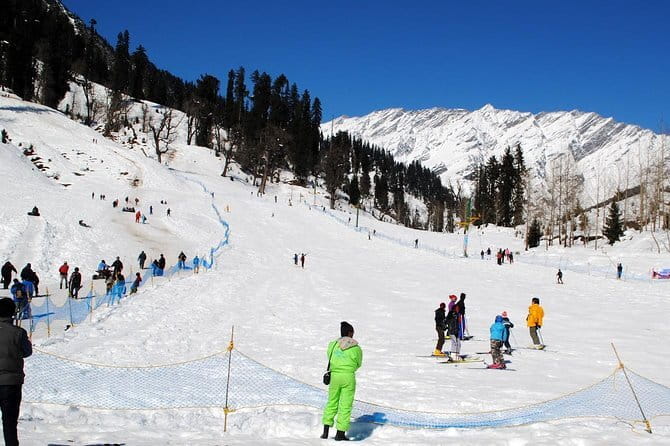
And the season angle is big here. In summer, the meadow can be covered with wildflowers. In winter, it becomes snow-covered terrain that’s well-suited to snow trekking and even skiing-style play, depending on conditions. If you’re planning your timing, think of Dayara Bugyal as a “same place, different personality” destination.
You can also read our reviews of more hiking tours in Himachal Pradesh and Uttarakhand
Starting from Dehradun at 7:00 am: it sets your whole pace
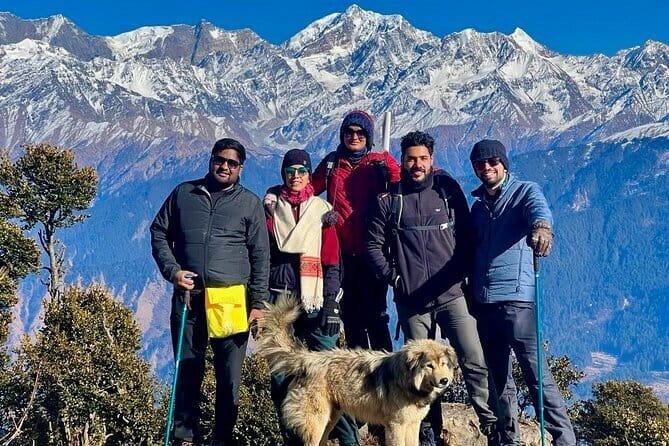
The trek starts at Dehradun Railway Station at 7:00 am. That early start matters more than you might think. The route to the base area is a full travel day, and starting early helps you arrive before your energy bottoms out.
From Dehradun, you’ll head toward Raithal, following the Bhagirathi River route area, passing places like Landour and Uttarkashi. Even if you mostly care about the mountains (fair), the drive gives you that gradual Himalaya build-up—less shock, more anticipation.
Practical tip: you don’t get all meals during the transfer portion (lunch on Day 1 and Day 4 isn’t included). I’d plan on keeping a few simple snacks in your day pack—things you can eat without a fuss if timing doesn’t match your appetite.
Raithal and the Raajneelam stay: a real village base
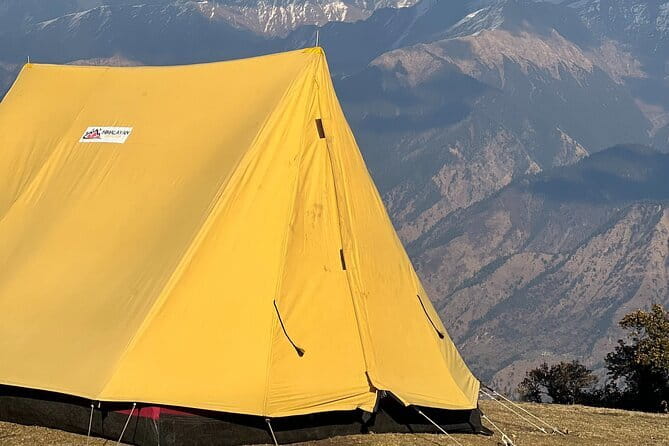
On Day 1, you reach Raithal by around 11:00 am, then settle into your stay at Raajneelam Restaurant & Homestay. This is one of the quieter comforts of the trek: after a long travel day, you get a proper base setup rather than a constant “move, sleep, move” cycle.
Meals here are traditional in tone. The plan highlights Garhwali cuisine, served at a local pahadi dhaba style stop. You’ll likely find this part helps your body adjust for the next day, since you’re not jumping straight onto high altitude trekking without a buffer.
You’re only staying one night in Raithal, though, so enjoy it as a recharge, not a vacation delay. The trek’s rhythm shifts quickly once you’re moving toward the campsite zone.
Day 2 toward Gui Campsite: forests, entry point photos, and a long hiking day
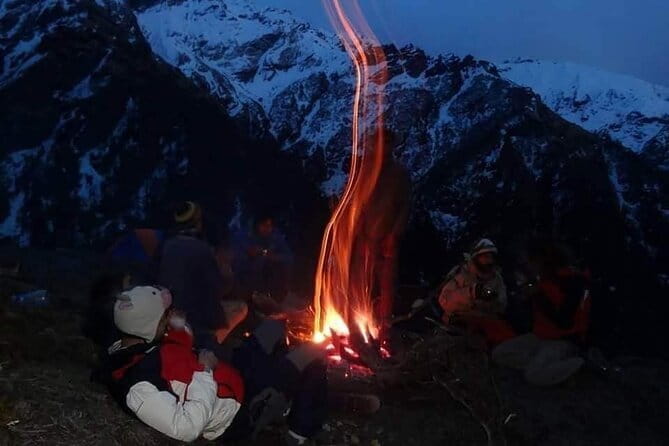
Day 2 is where the trek starts feeling like a trek. After breakfast, you begin walking toward Gui Main Campsite. Before heading out, there’s a stop for a photo at the Dayara Bugyal entry point—a small moment, but it marks the switch from “travel day” mode to “trail day” mode.
You’ll also pass landmarks such as the Nag Devta. Even if you’re not into religious history, these spots are useful navigation anchors and a reminder that this route isn’t staged for tourists. It’s part of how locals move through the hills.
The plan also suggests a lot of the route context you’d expect here: dense forests, small villages, and scenic stretches. You’ll likely feel the day in your legs, and the schedule shows a long block of time for this day overall. In plain terms: Day 2 is the day to go steady, because Day 3 is the one with summit effort.
Day 3 to Dayara Top: the 12 km round trip and the view that justifies it
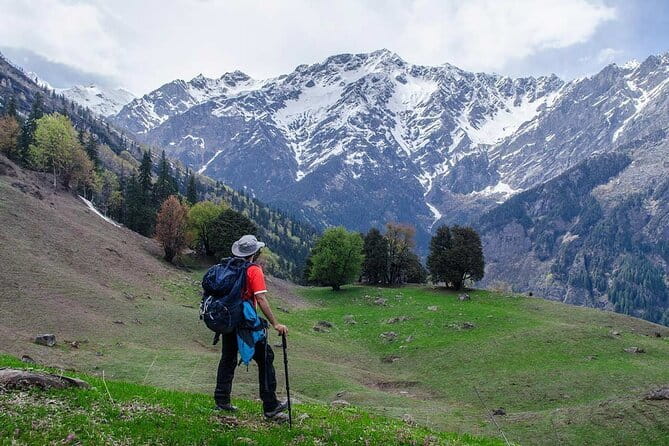
Day 3 is the big one: you travel from Gui to Dayara Top for a 12 km round trip, traveling via Chilapada. The plan mentions a final steep climb before you reach the top, and that’s the part you’ll want to pace.
When you arrive, the reward is a 360-degree view. The itinerary calls out scenery toward Bandarpoonch and Black Peak, and this is the kind of panorama where you stop thinking about distance and start thinking about how far you can see.
Here’s why this matters for you: the best trekking memories usually aren’t about one perfect photo. They’re about the moment your brain relaxes because the hard part is over. Dayara Top is designed to deliver that feeling—open pasture summit views with less scrambling and more “stand and stare.”
Season note that affects your mindset: in winter months (people often choose October as a sweet spot), you may find conditions cold enough that the return can feel slower than you expect. If you’re prone to feeling chilly, pack accordingly and don’t treat the downhill as effortless.
Surya Top Trek connection: same region, same mountain logic
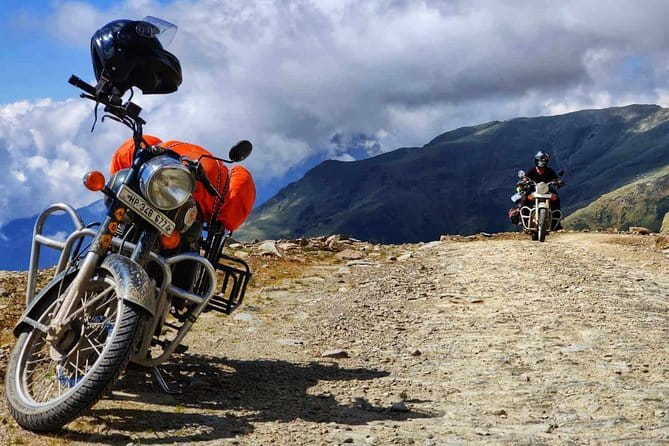
Even though your Day 3 described route focuses on Dayara Top, the broader experience is framed as Dayara Bugyal and Surya Top Trek, and the overview notes that Surya Top trek is just ahead of Dayara. In other words, you’re not just arriving at a random meadow; you’re trekking in a landscape that connects high viewpoints through similar camp-to-meadow logic.
So if Surya Top is a goal for you, this area still works as a springboard. The route’s camp structure and the way Dayara is positioned in the valley system are part of why operators bundle these together. You’re training your legs for altitude walking and learning the pace your team will use for additional viewpoints in the same general trekking zone.
Food, tents, and gear: what the package actually buys you
This trip costs $136.18 per person for about 4 days, and the value is mostly in what you don’t have to plan. You get:
- 1 night accommodation in Raithal
- 2 nights camping at Gui Campsite with tents provided
- Trek gear like sleeping bag, mattress, tent, and spikes if needed
- A first aid kit
- Forest and camping permits
- A certified trek leader
- Transportation from Dehradun to the base camp area and back
- Meals from Day 1 dinner to Day 4 breakfast
That’s the real math: trekking gear rentals, permits, and transport usually stack up fast when you organize it yourself. Here, the package stitches it together.
What’s not included is also clear, and it’s where I’d watch your budget:
- Meals during transfer, including lunch on Day 1 and Day 4
- Backpack offloading has an additional fee (listed as INR 1050 for the whole trek)
- Any personal expenses or emergency-related costs
For me, the smart move is this: pack light enough that you don’t automatically need offloading, but also bring enough to stay warm and comfortable. You don’t want your pack weight to turn every uphill step into a grudge.
Choosing your guide team: why names matter on a mountain route
Guide quality is one of the biggest differences between a slog and a satisfying day. On this trek, the team includes people such as Ritik, Sunil (Sunil sir), Soby (Soby bhai), Shobendra (Shobendra bhaiya), and Bipin Negi—and trekkers highlight strong support, good organization, and smooth guidance on the trail.
In practical terms, that kind of team tends to mean:
- you get help with pacing before you get tired
- meals stay consistent and predictable
- the group stays together without panic
- you’re not guessing about trail timing
I’d treat the guide as part of your safety plan, not just a sightseeing companion. When the last climb hits on Day 3, that’s when good guidance pays off.
Who this trek suits best (and who should adjust expectations)
This trek is described as relatively easy and a good fit for beginners and families. That’s believable based on the day structure: it’s not described as a technical climb, and Day 3 is a single focused summit effort rather than a multi-peak technical day.
You’ll likely enjoy it if:
- you want a true Himalayan meadow experience without extreme technical demands
- you like camping (two nights at Gui) rather than only hotel hopping
- you want big viewpoint reward in a short time window
You might want to think twice or plan extra fitness work if:
- you’re worried about cold weather or you hate steep finishes
- you don’t handle long travel days well (Day 2’s schedule block is long)
- you’re not comfortable with altitude walking near 3,500 m
Should you book the Dayara Bugyal and Surya Top package?
If you want a straightforward Himalayan trek with a clear payoff—forest walking, two campsite nights, then Dayara Top with 360-degree views—this is a strong choice. The package also removes a lot of friction: gear, tents, permits, meals, and transport are built in, which makes the $136-ish price feel more like a “fully managed trip” than a DIY challenge.
Book it if you’re:
- traveling with a group that fits your pace
- open to camping nights at Gui
- aiming for a beginner-friendly route with a real summit-style view day
Skip it (or switch dates) if:
- weather worries you a lot, since the experience depends on good conditions
- you want a guaranteed, unstressed plan no matter what
If your goal is to see why Dayara Bugyal is famous—green pasture in summer, snow magic in winter—and you’re okay with one steep push on summit day, this trek is the kind of trip you’ll remember long after you’ve cooled down.
FAQ
Where is the trek meeting point, and when does it start?
The start point is Dehradun Railway Station (826M+8QP). The start time is 7:00 am.
How long is the Dayara Bugyal and Surya Top trek?
The duration is listed as about 4 days.
Where do you stay during the trek?
You get 1 night accommodation in Raithal and 2 nights of camping at Gui Campsite with tents provided.
Is trekking gear included?
Yes. The package includes trekking gear such as a sleeping bag, mattress, tent, and spikes if needed.
Are forest and camping permits included?
Yes. Necessary forest and camping permits are included.
What meals are included, and what meals are not?
Meals are included from Day 1 dinner to Day 4 breakfast, with 3 breakfasts, 2 lunches, and 3 dinners. Meals during transfer are not included, including lunch on Day 1 and Day 4.
How big is the group?
The trek has a maximum of 20 travelers.
What is the summit-day walk like?
Day 3 is described as a 12 km round trip from Gui to Dayara Top via Chilapada, with a final steep climb and 360-degree views. The views are described toward Bandarpoonch and Black Peak.
What happens if weather is bad or the minimum number of travelers isn’t met?
The experience requires good weather. If it’s canceled due to poor weather, you’ll be offered a different date or a full refund. If it’s canceled because the minimum number of travelers isn’t met, you’ll also be offered a different date/experience or a full refund.
What is the cancellation window for a full refund?
Free cancellation is available up to 24 hours in advance for a full refund. If you cancel less than 24 hours before the start time, the amount paid is not refunded.