REVIEW · KATHMANDU
Kathmandu Valley Full Day Sightseeing Tour
Book on Viator →Operated by Accessible Adventure Pvt. Ltd · Bookable on Viator
A hilltop temple can change your whole day. That is the magic here: you stack Kathmandu Valley’s main cultural stops into one smooth 5–7 hour outing with hotel pickup and a private car. You’ll move from hill views to sacred courtyards to a UNESCO stupa and a royal-square vibe—all without spending your time negotiating transport.
What I like most is the story-first guidance. The guides aren’t just reciting facts; they frame what you’re seeing so it clicks fast. I also love that you get a focused route with four big names, all listed with free admission tickets in the stop details.
One thing to consider: the package pricing notes say entry fees for monuments aren’t included, even though the stop details list admission tickets as free. So I’d budget a small buffer for anything that pops up on-site, and keep the $30 tour guide add-on in mind.
In This Review
- Key Takeaways Before You Go
- Why This Kathmandu Valley Route Feels Efficient
- Price and What $45 Covers (and What Might Cost Extra)
- Pickup, Private Car, and How to Think About the Timing
- Swayambhunath Monkey Temple: Hilltop Views and Two-Faith Presence
- Pashupatinath Temple: A Major Hindu Site in Late Afternoon
- Boudhanath Stupa: UNESCO Weight and Tibetan Buddhist Focus
- Patan Durbar Square: Newar Architecture and Woodwork Detail
- Guides Who Tell Stories (Including the Losar Bonus)
- Group Size, Privacy, and How to Choose Your Style of Day
- What to Bring for a Temple-Focused Day
- Should You Book This Kathmandu Valley Tour?
- FAQ
- What is the price for the Kathmandu Valley Full Day Sightseeing Tour?
- How long is the tour?
- Does the tour include hotel pickup and drop-off?
- Where does the tour start and end?
- What are the main stops on the tour?
- Is the tour private?
- Is a tour guide included in the price?
- Are admission tickets included?
- How does the tour ticketing work?
- What is the cancellation policy?
Key Takeaways Before You Go
- Private car + hotel pickup makes the day feel low-stress and time-efficient.
- Four major stops in one day covers the Valley’s religious and art highlights without a second trip.
- Swayambhunath is a hilltop classic with both Hindu and Buddhist presence, plus valley views.
- Boudhanath brings UNESCO status and a Tibetan Buddhist focus into the same itinerary.
- Patan Durbar Square is a strong craft-and-architecture stop, especially for Newar-style detail.
- Guides can add extra value; one review mentioned a Losar visit to Sangyechhoeling Monastery even when it wasn’t on the original route.
Why This Kathmandu Valley Route Feels Efficient
Kathmandu Valley is one of those places where it’s easy to lose time. Cars get stuck, wrong turns happen, and suddenly you’re back at your hotel wondering where the day went. This tour tackles that by keeping the flow simple: you get picked up, you ride in a private car, and you hit the key sites in a sensible order.
It also helps that the route is designed around variety. You start at Swayambhunath (hilltop views and a strong mixed-faith presence), then you shift to Pashupatinath (a major Hindu temple area), then to Boudhanath (big UNESCO stupa and Tibetan Buddhist atmosphere), and finally to Patan Durbar Square (Newar architecture and woodwork in a UNESCO-listed square).
Your day is long enough to feel like you accomplished something, but short enough to avoid the “all-day burnout” trap. The total time is about 5 to 7 hours, so it’s a practical choice if you only have one solid block in Kathmandu.
You can also read our reviews of more tours and experiences in Kathmandu

Price and What $45 Covers (and What Might Cost Extra)
At $45 per person, this is priced like a smart budget day tour—especially because hotel pickup/drop-off and a private car are included. You’re also covered for government taxes and office service charge, plus field staff insurance and meal support.
Here’s the catch: the “included” and “not included” notes don’t match perfectly with the stop listing that shows admission tickets as free. The package notes say entry fees for monuments are not included, while the stop details state admission ticket free for each site. That usually means one of two things: either fees are minimal or site-specific, or the free-admission labels apply to something general while special areas could still charge.
Also, a tour guide during the city tour costs $30 per booking if you opt for that add-on. The tour description talks about guides telling stories, but the pricing notes list a guide fee as not included—so plan to either add the guide or accept that you’ll be relying on the basic help provided with the transport.
Net-net: if you want the most value, you’ll likely budget for the optional guide add-on, plus a little cash for any on-site charges that don’t follow the free-admission wording.
Pickup, Private Car, and How to Think About the Timing
You’ll start and end back at the meeting point in Kathmandu (starting point listed as Kathmandu 44600, Nepal). The duration is listed as 5 to 7 hours, and the flow includes a lunch break before you go on to Pashupatinath.
That lunch timing matters. Pashupatinath is scheduled for late afternoon, which can be nice because it gives you a calmer pace than a strict morning rush. Boudhanath and Patan Durbar Square then wrap up your day after that, keeping the itinerary moving rather than backtracking.
Because this is a private tour/activity (your group only), you’re less likely to feel trapped in a big shuffle of strangers. You’ll still want to treat each site as a real temple space: go with a respectful mindset, and expect a few moments where the pace slows naturally.
Mobile ticket support is included, which is handy if you don’t want to fuss with printing.
Swayambhunath Monkey Temple: Hilltop Views and Two-Faith Presence
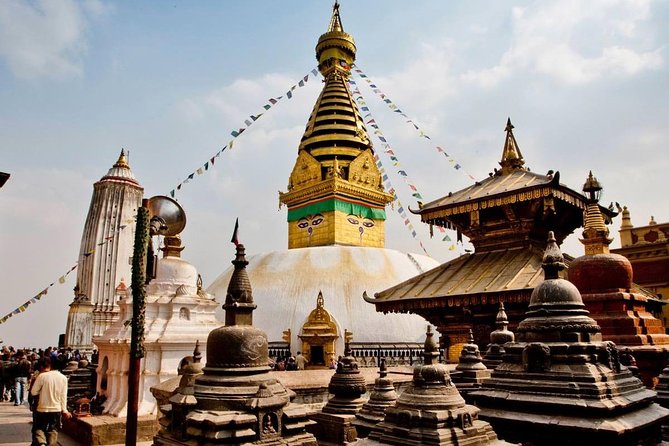
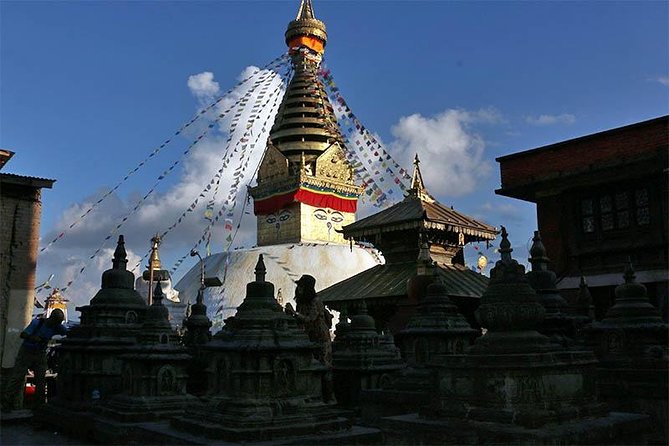
Your first stop is Swayambhunath, also called the Monkey Temple. It’s described as the oldest shrine in Nepal, and it’s attended by both Hindus and Buddhists. That mix is the point here: you’re not just checking off a religious site, you’re watching how different traditions share space and meaning in the same location.
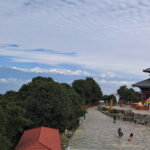
The setting is part of the experience. You’re visiting a hilltop site, and the stop description specifically notes panoramic views of the valley. Even if you’ve seen city viewpoints before, this one tends to land because you’re looking out over Kathmandu while surrounded by active worship.
One practical thing: plan for walking and steps. The temple is on a hill, so your shoes matter more than your outfit. And if you’re prone to getting temple-photo-crowded, start with a quick look around, then come back for slower moments after the first wave.
The listed time here is about 1 hour, and it’s enough if you keep your focus. Don’t try to see everything at once. Aim to catch the main viewpoints and the key shrine areas, then let the rest be bonus.
Pashupatinath Temple: A Major Hindu Site in Late Afternoon
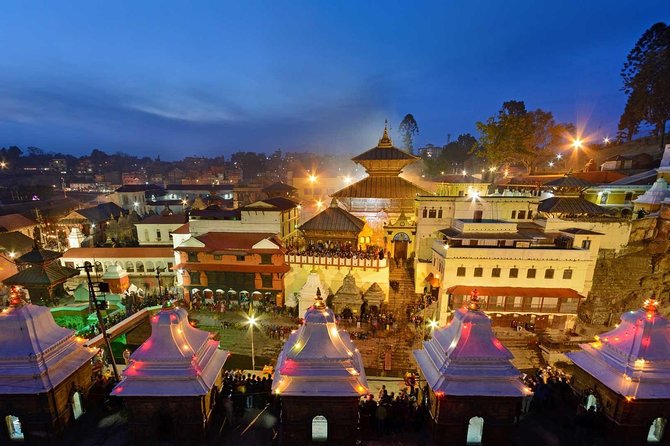
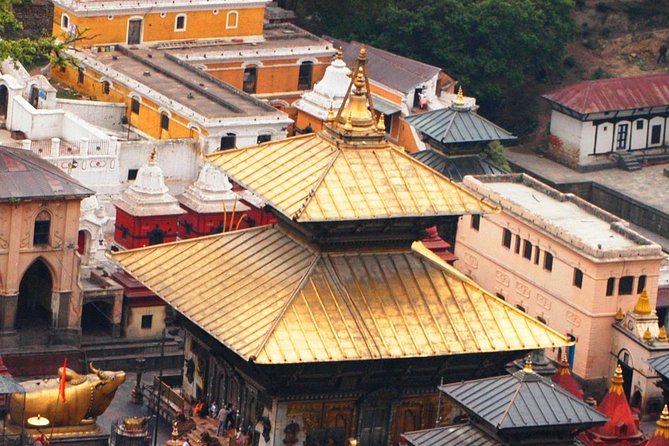
After lunch, you head north to Pashupatinath, described as the most significant Hindu temple of Nepal. The timing is late afternoon, so you go when the day has started to cool down from earlier hours (even if conditions vary).
This stop is the spiritual centerpiece of the route, and it’s scheduled for about 2 hours. That longer time makes sense: major temples aren’t a quick photo stop. They’re places where you’ll likely want a bit of breathing room to watch how people move through the space, and to understand what you’re seeing beyond surface-level visuals.
A respectful approach helps here. You’ll get more out of Pashupatinath if you treat it like a living religious area rather than a sightseeing backdrop. If you’re traveling with a guide option, this is the moment where the added storytelling value is likely to pay off.
If you’re short on patience for crowds or rules, Pashupatinath might test you. But if you enjoy meaning and people-watching, it’s often worth the effort.
Boudhanath Stupa: UNESCO Weight and Tibetan Buddhist Focus
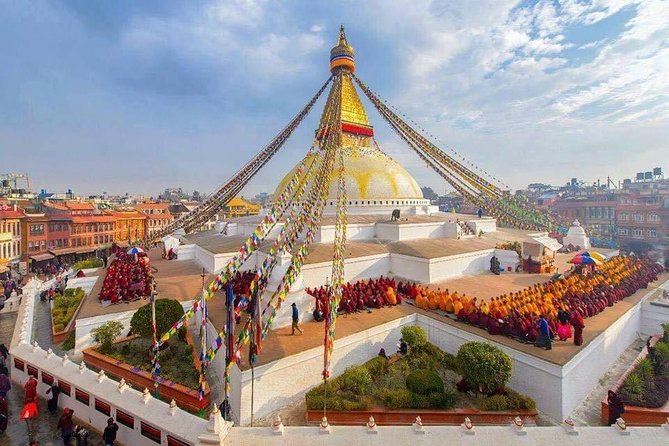
From Pashupatinath, the drive takes you to Boudhanath Stupa, described as the biggest stupa in Nepal and listed as a UNESCO World Heritage site. The route notes it as a center for Tibetan Buddhism, which sets the tone for what you’ll likely notice while you’re there.
This stop is listed for about 1 hour, and that works because the stupa gives you a strong focal point. You can spend that time getting your bearings, watching worship activity, and taking in the scale. With a major stupa, the details often work better when you step back and look first, then zoom in.
If you like architecture and how religious spaces are shaped for everyday practice, Boudhanath delivers. The fact that it’s both UNESCO-listed and Tibetan Buddhist-focused gives it a strong “why it matters” angle—more than just a pretty monument.
Keep your pace calm here. One hour sounds quick, but it’s usually enough if you’re not trying to do 20 tasks at once (photos, reading, watching, buying snacks, and walking the full perimeter). Pick your priorities.
Patan Durbar Square: Newar Architecture and Woodwork Detail
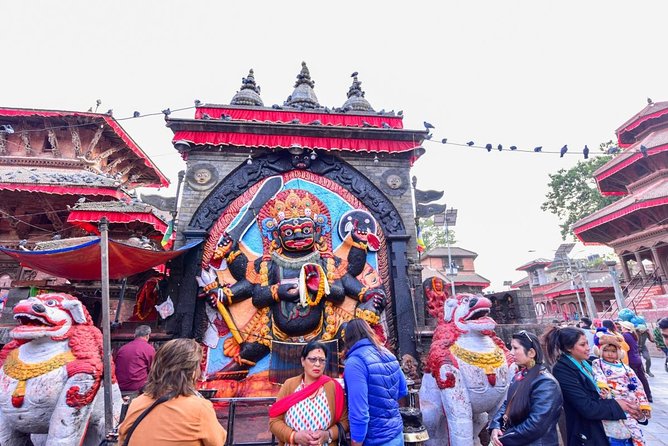
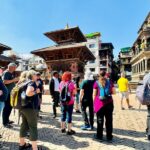
Next you head to Patan Durbar Square, located in the heart of the ancient city of Patan. It’s also UNESCO-listed and described as known for stunning architecture and intricate woodwork.
This is your culture-and-craft stop. If you’re the kind of traveler who likes to zoom in on details—carved columns, doorway shapes, and old-town design—Patan is a great way to end the day on something tangible. The listed time is about 1 hour, which is just enough to understand the layout and appreciate the craftsmanship without turning it into a marathon.
A practical tip: bring your “slow eyes.” In Durbar squares, the best stuff often isn’t the first view from the road. You’ll get more from a short walk around, then a pause for closer looks.
As a final stop, Patan also helps you balance the religious sites earlier in the day with more of the civic and artistic heritage feel.
Guides Who Tell Stories (Including the Losar Bonus)
One of the most praised aspects is the way guidance is handled. The tour description emphasizes that guides are storytellers who bring history to life, and one review specifically named Himal as helpful and Avi as a good guide. That matters because it hints at what you’ll experience: real explanation, not just “here’s the next place.”
Even better, that same account mentioned an extra visit to Sangyechhoeling Monastery for Losar, arranged even though it wasn’t part of the planned route. That’s a strong signal about flexibility and care—when the timing and group needs allow, the team may look for meaningful add-ons.
If you plan to travel around religious dates or festivals, this is where asking questions before you go can pay off. If you’re open to small changes that deepen your understanding, you’ll likely enjoy the guidance more.
Group Size, Privacy, and How to Choose Your Style of Day
This is a private tour/activity, so only your group participates. That generally makes planning easier. It also means you can ask for small adjustments—like slowing down at a viewpoint or spending a bit more time at one stop—without turning it into a production.
The tour also mentions group discounts, which suggests pricing can sometimes flex depending on how you book. If you’re traveling with friends or family, it’s worth asking how the discount applies when you book multiple people.
This tour is a good fit if you want one-day coverage of four major landmarks. It’s also a solid option if you’re not trying to become an expert on Nepalese architecture. The structure does the heavy lifting. You get the highlights, plus explanations when you choose the guide add-on.
If you hate early mornings and prefer a mid-day start, this works because it’s organized with afternoon timing at Pashupatinath.
What to Bring for a Temple-Focused Day
You’re visiting religious sites throughout the day, so pack for that reality. Comfortable walking shoes top the list. You’ll be on foot in multiple temple areas, and hilltop terrain is part of the route at Swayambhunath.
Bring water, a light layer, and sun protection. Nepal’s sun can feel sharp even when mornings start cooler, and temple areas rarely give you lots of shade.
Also, plan for modesty and respect. Even when not specified, these are active religious spaces. Dress in a way that won’t make you feel awkward adjusting constantly.
Finally, keep small cash handy. This ties back to the admission-payment ambiguity in the package notes. You might find all major viewing is covered, or you might run into a specific on-site fee. Better to be ready than to scramble.
Should You Book This Kathmandu Valley Tour?
Book it if you want value: $45 for pickup, private car transport, and a full loop through Swayambhunath, Pashupatinath, Boudhanath, and Patan Durbar Square is a strong way to see a lot in one go. The schedule also gives Pashupatinath the late afternoon slot, which can make the day feel calmer.
Book it if you care about guidance quality. The emphasis on guides as storytellers—and the named guides Himal and Avi—is exactly the kind of detail that improves your experience fast. If you can add the $30 tour guide option, it may be the difference between seeing places and understanding them.
Think twice if you’re the type who hates any uncertainty around costs. The stop details say admission ticket free, but the pricing notes say monument entry fees aren’t included. You can still book confidently, just carry a little buffer.
If you only have one solid day in Kathmandu Valley, this tour gives you a route with strong anchors. You’ll finish the day with temples, stupa scale, and Newar craftsmanship—without spending the day figuring out logistics.
FAQ
What is the price for the Kathmandu Valley Full Day Sightseeing Tour?
The tour costs $45.00 per person.
How long is the tour?
The duration is approximately 5 to 7 hours.
Does the tour include hotel pickup and drop-off?
Yes. Hotel pickup and drop-off for sightseeing are included.
Where does the tour start and end?
The tour starts in Kathmandu (Kathmandu 44600, Nepal) and ends back at the meeting point.
What are the main stops on the tour?
The tour includes Swayambhunath, Pashupatinath Temple, Boudhanath Stupa, and Patan Durbar Square.
Is the tour private?
Yes. This is a private tour/activity, and only your group will participate.
Is a tour guide included in the price?
No. The tour guide during city tour is listed as not included, with a cost of $30.00 per booking.
Are admission tickets included?
The stop details list admission ticket free for each monument, but the pricing notes also say entry fee for monument is not included. It’s worth being prepared for possible on-site charges.
How does the tour ticketing work?
A mobile ticket is included.
What is the cancellation policy?
Free cancellation is available. You can cancel up to 24 hours in advance for a full refund.