REVIEW · KATHMANDU
Kathmandu: Local Lead Nepali Cooking & Momo Making Class
Book on GetYourGuide →Operated by Kathmandu Cooking Academy · Bookable on GetYourGuide
Learn to fold momo in Kathmandu. At Kathmandu Cooking Academy, this small-group class turns a food stop in Kathmandu into a practical skill you can use at home, with guided shopping and cooking plus a proper sit-down meal.
I like the market-style ingredient shopping, because it shows you what chefs actually look for before they start. I also like the step-by-step momo folding and dal bhat coaching, with an English-speaking instructor who keeps the process clear and doable.
One thing to consider: this is hands-on cooking, not a watch-and-nibble show. If you’re expecting a totally passive experience, you may find yourself more busy than planned.
In This Review
- Key Things I’d Prioritize Before You Go
- From Thamel to the Cooking Academy: How the Day Flows
- Market Stop: Buying Ingredients Like a Local (Not Just a Tour Photo)
- The Kitchen Part: What You’ll Actually Learn (Momo and Dal Bhat)
- Momo: Folding Skills You Can Repeat
- Dal Bhat: Building Flavor with Familiar Structure
- Other Dishes: Choose What Fits Your Taste
- Tasting Session and Nepali Masala Tea: The Payoff
- Instructor Energy and Clear Coaching: What Makes It Work
- Value Check: Why a Low Price Can Still Feel Like a Deal
- Practical Tips So You Don’t Feel Rushed
- Who This Class Is Best For
- Should You Book This Momo and Dal Bhat Class?
- FAQ
- What dishes will I learn to make?
- How long is the cooking class?
- Do I get to visit a market?
- Is hotel pickup available?
- Where does the class meet?
- What language is the instructor teaching in?
- How big is the group?
- Is there help for dietary restrictions?
- Is there a cancellation deadline?
Key Things I’d Prioritize Before You Go
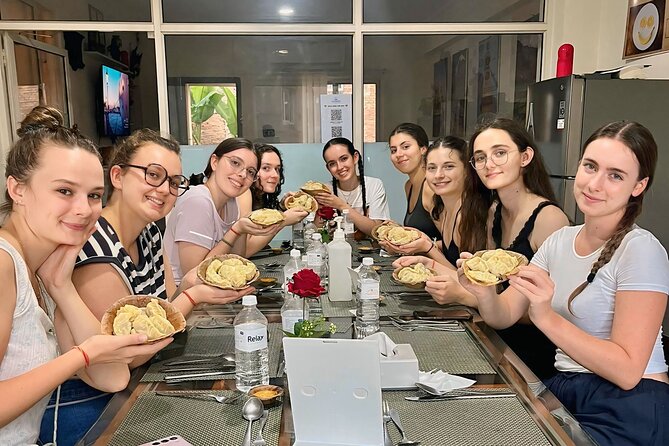
- Momo and dal bhat are the main focus, so you learn two core Nepali comfort-food techniques
- Small group size (up to 10) keeps the chef’s attention where it matters: your hands and your questions
- Market/shop tour is part of the class, so you understand ingredients, not just recipes
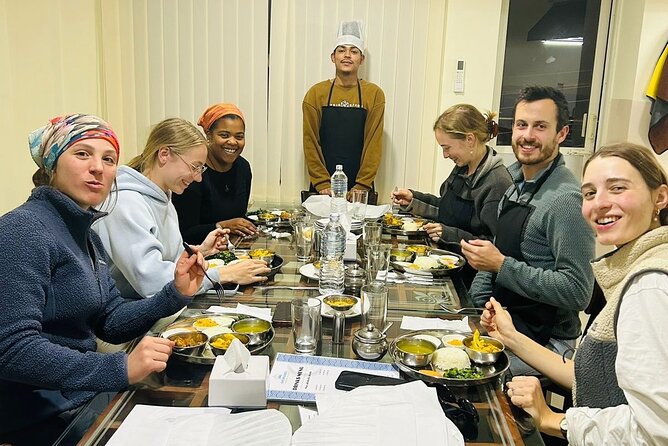
- You cook, taste, and eat what you make, with complimentary Nepali masala tea
- English instruction helps you follow the steps without translation headaches
- Optional hotel pickup can save you time if you’re staying around Thamel or elsewhere in Kathmandu Valley
From Thamel to the Cooking Academy: How the Day Flows
This class is set up for real life in Kathmandu. If you book the pickup option, a driver meets you within Kathmandu Valley and takes you to the academy. If you’re not using pickup, you’ll still have an easy target: the academy is in the heart of Kathmandu, about a 10–15 minute walk from Thamel.
Plan to arrive about 15 minutes early. You’ll have time to check in, get oriented, and settle before you start moving through the cooking rhythm. Once the class begins, the pace is steady: shop, cook, plate, then eat.
Most sessions run about 3 hours, and they’re designed around getting you hands-on without dragging into a full-day commitment. That makes it a good “one-slot” activity when your Kathmandu schedule is packed but you still want something memorable.
You can also read our reviews of more cooking classes in Kathmandu
Market Stop: Buying Ingredients Like a Local (Not Just a Tour Photo)
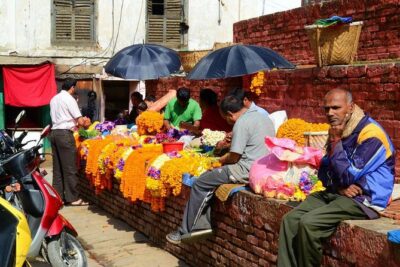
A big reason this class feels worth your time is the ingredient shopping. You don’t just hear about flavors—you see and select the items that go into Nepali cooking, guided by the chef.
You’ll visit a nearby market/shop to buy fresh ingredients. The value here is practical: once you understand how the chef chooses and what to look for, you can recreate dishes later with less guesswork. It also helps you notice the difference between a packaged ingredient and a fresh one, even if you’re not a “food nerd.”
One small tip: come with comfortable shoes. You’ll be walking and browsing, and you don’t want sore feet when it’s time to start prepping.
The Kitchen Part: What You’ll Actually Learn (Momo and Dal Bhat)
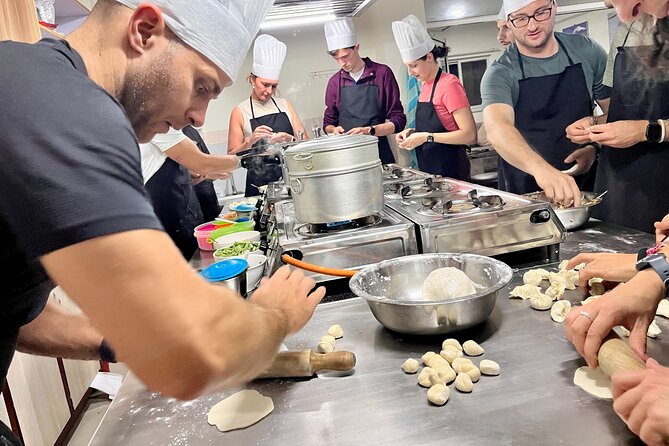
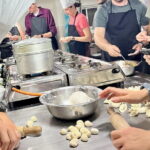
The heart of the class is cooking two dishes: momo and dal bhat. That’s the smartest way to spend limited time—learn the technique-heavy dishes that define Nepali home comfort food.
Momo: Folding Skills You Can Repeat
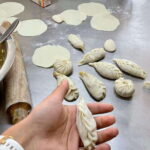
Momo isn’t just “dumplings.” It’s technique: dough handling, filling, and the fold. In the classes, the guidance is step-by-step, and you spend time actually shaping. More than one person has highlighted that instructors patiently coach the right pattern as you learn to fold.
If you’ve never folded dumplings before, don’t worry. You’ll be taught in a way that focuses on what your hands need to do next. Even if your first batch looks imperfect, you’ll leave with a clearer process than you’d get from a recipe alone.
Dal Bhat: Building Flavor with Familiar Structure
Dal bhat is the classic lentil-and-rice meal of Nepal, and the class focuses on helping you understand the steps that create that signature comfort-food taste. You’re not just watching someone cook—you’re participating in the core motions and decisions.
What I appreciate is that the class keeps dal bhat within a teachable framework. You learn what goes in and when, so you’re not stuck trying to memorize measurements. That’s what makes it useful for cooking at home later, even if you don’t have every Nepali ingredient.
You can also read our reviews of more tours and experiences in Kathmandu

Other Dishes: Choose What Fits Your Taste
While momo and dal bhat are the main courses, you can usually pick additional dishes from the menu. Several participants have selected items like bara and yomari, which suggests the options can go beyond the two headline dishes.
This is good for variety. If you already love dumplings, you might still choose one extra savory side or a dessert option. If you’re more into sweet flavors, you can aim your choices that direction. Tell the chef your preferences ahead of time so the class matches what you want to eat.
Tasting Session and Nepali Masala Tea: The Payoff
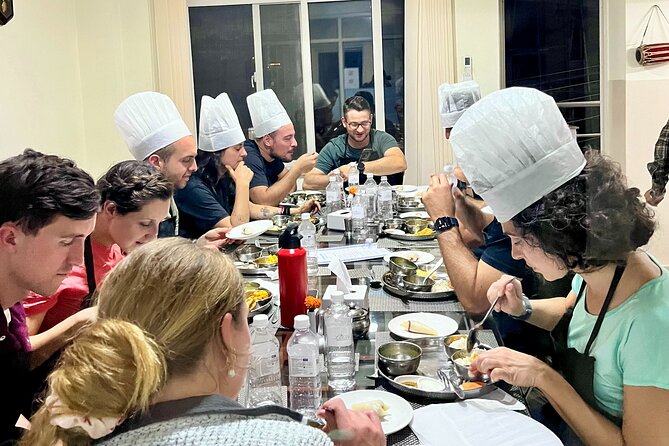
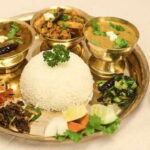
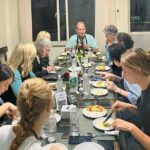
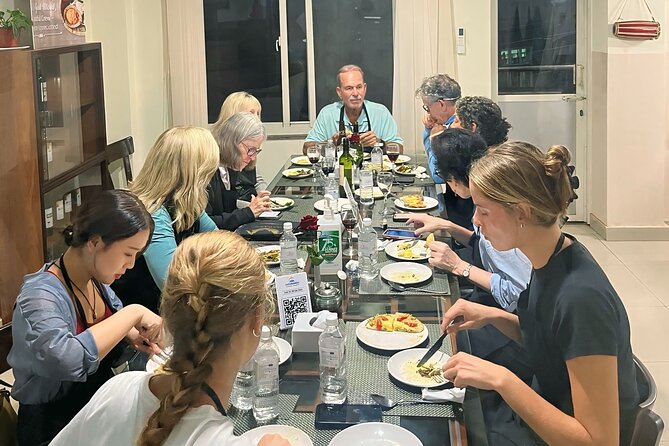
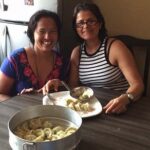
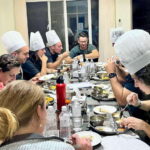
After the cooking work, you sit down and eat what you made. The tasting session includes the food from your dishes, and you get complimentary Nepali masala tea along with the meal.
This part matters more than it sounds. When you taste immediately after cooking, you connect flavor to action. You’ll notice how the spice blend works, how the texture lands, and what you’d tweak next time.
Some sessions may also include a dessert as part of the typical meal flow. Even if your focus is momo, the meal wrap-up helps you understand how Nepali dishes fit together as a full eating experience, not just separate recipes.
Instructor Energy and Clear Coaching: What Makes It Work
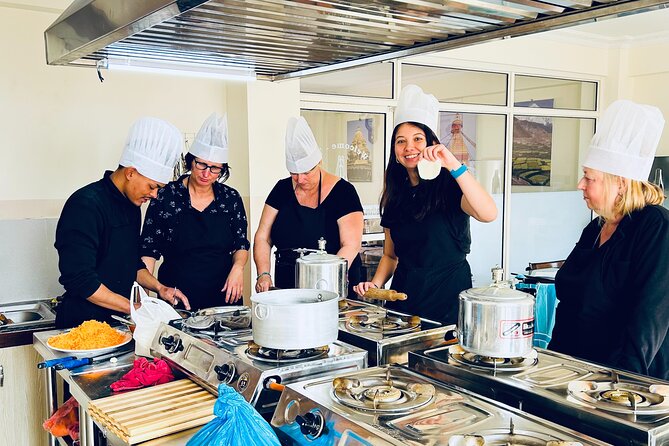
Good cooking classes don’t just give instructions. They manage your pace, your confusion, and your timing in the kitchen.
In this experience, English instruction is a stated feature, and many people have praised the chefs and hosts for being welcoming, patient, and energetic. Names that come up in past sessions include Vikram (praised for clear guidance and encouragement) and Niche (praised for lively teaching and cultural explanations). You may not get the exact same instructor, but the style is what matters: step-by-step direction, good pacing, and help while you’re working.
Also, the kitchen itself is generally described as clean and well equipped. That’s a practical detail. You want a workspace that feels organized when your hands are covered in dough and you’re trying to learn a new fold.
Value Check: Why a Low Price Can Still Feel Like a Deal
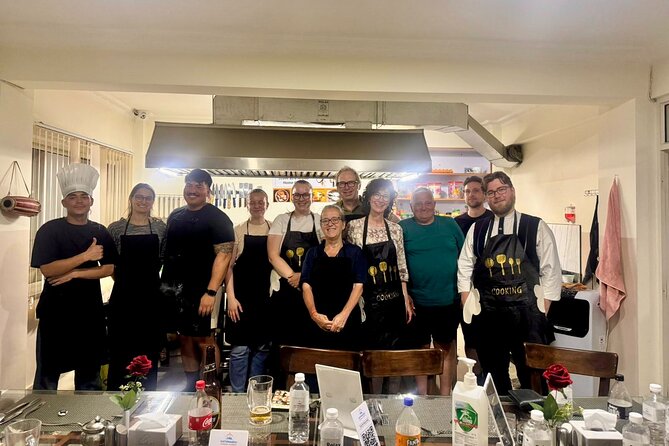
The price listed for the class is $4.00 per person, and you should treat that number as the main reason to seriously consider booking. For that money, you’re getting:
- a hands-on class
- ingredient shopping with guidance
- use of cooking equipment
- a sit-down tasting meal
- complimentary Nepali masala tea
- optional hotel pickup and drop-off
Even if you decide to skip pickup, the remaining value still stacks up. Cooking classes in many cities cost far more for less time and fewer included extras. Here, the market tour and the fact that you cook and eat what you make are built into the experience, not “upsells.”
One practical note: specialty drinks and alcohol are not included, and professional photos/videos require an extra fee. If you want extra visual proof, plan for that cost or bring your own camera, since a camera is recommended.
Practical Tips So You Don’t Feel Rushed
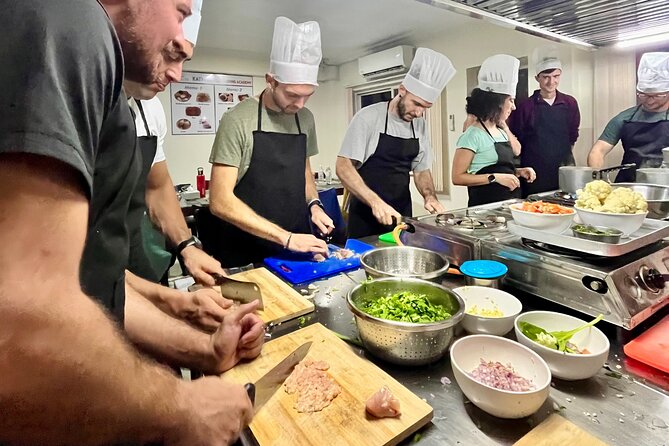
A few small things make a big difference in how the class feels.
- Wear comfortable clothes you don’t mind getting a little messy.
- Bring a camera if you want photos during the process.
- If you want to learn quickly, show up hungry in a good way. You’ll be cooking and then eating right after, so having an appetite helps you enjoy the full arc of the class.
- If you have dietary restrictions, tell the team in advance so they can tailor options.
Also, if you’re booking with friends, check whether you want pickup. Having someone drop you near the academy can make the day smoother, especially if you’re navigating traffic and short walks with limited time.
Who This Class Is Best For
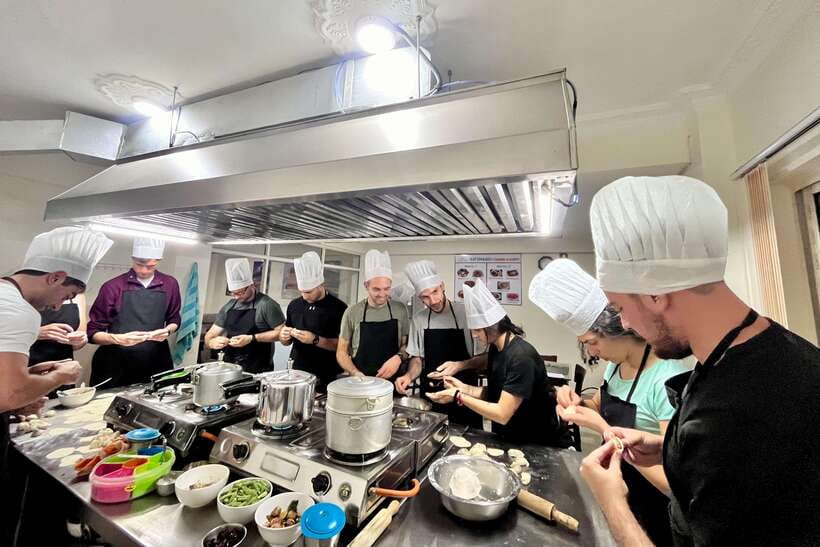
This is a strong match for you if:
- you want a hands-on activity in Kathmandu that teaches a skill you can repeat
- you like food-centered days and don’t want to just watch
- you’re staying around Thamel and want a short, satisfying plan
- you enjoy learning cultural habits through ingredients and cooking methods
It may not fit as well if:
- you’re expecting a passive demo
- you’re traveling with very young kids (the class isn’t suitable for children under 5)
- you have limitations based on age extremes noted by the activity (it’s not suitable for people over 95)
If you’re unsure, think about your tolerance for doing work with your hands. If you’re okay with that, this class is a very good use of a few hours.
Should You Book This Momo and Dal Bhat Class?
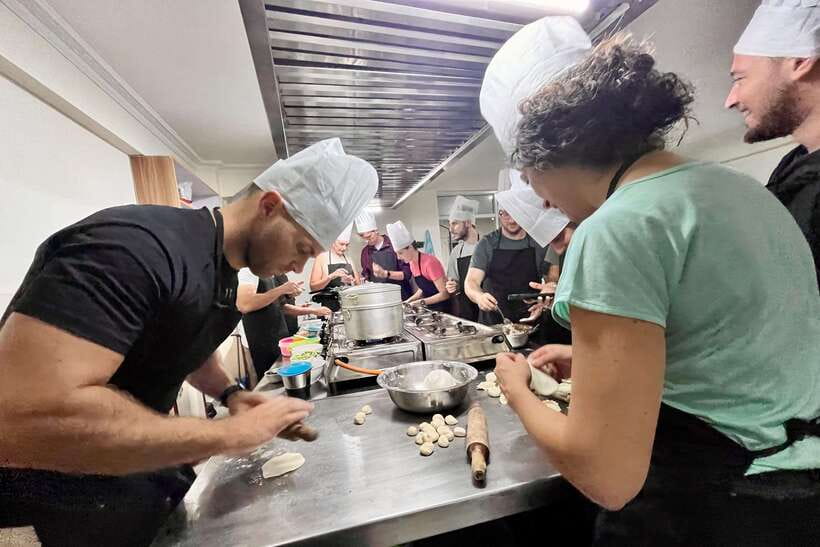
Yes, I’d book it if you want more than a meal. The class structure is practical: shop for ingredients, learn two iconic dishes, then eat them with masala tea in a small-group setting.
The biggest reason to go is the combination of technique and payoff. You don’t just learn names of dishes. You learn how the fold works, how the cooking steps connect, and how the finished food tastes right away. At the listed price, the value is hard to beat, especially if you’re already in Kathmandu and looking for a food experience that actually sticks with you.
FAQ
What dishes will I learn to make?
The class focuses on making momo and dal bhat, and you may also have options to choose additional Nepali dishes.
How long is the cooking class?
The experience lasts about 3 hours and is listed as 3–4 hours depending on the option and timing.
Do I get to visit a market?
Yes. A market/shop tour is included so you can buy fresh ingredients.
Is hotel pickup available?
Hotel pickup and drop-off are available as an optional add-on, including pickup from within Kathmandu Valley.
Where does the class meet?
The meeting point is at Kathmandu Cooking Academy. It’s about a 10–15 minute walk from Thamel, and you should look for the signboard outside the building.
What language is the instructor teaching in?
The instructor provides instruction in English.
How big is the group?
The class is a small group, limited to up to 10 participants.
Is there help for dietary restrictions?
Yes. You’re asked to inform the team in advance of any dietary restrictions or preferences so they can tailor the class.
Is there a cancellation deadline?
Yes. You can cancel up to 24 hours in advance for a full refund.