REVIEW · KATHMANDU
The best Private Nepali Cooking Class in Kathmandu
Book on Viator →Operated by Kalpana's Cooking Course Training · Bookable on Viator
Forget restaurant Nepal, cook it at home. In Kalpana Thapa’s Kathmandu home, you start with market-and-farm ingredients and finish by cooking a real family-style meal from scratch. I love how this is a private, local-house setup, not a showroom class.
What I liked most is that you actually do the cooking: chopping, grinding whole spices, pounding fresh ginger and garlic, and assembling dishes you’ll eat right after. One consideration: this is hands-on and labor-intensive, so it’s not the best choice if you want a laid-back tasting only.
In This Review
- Key highlights
- Why a Kathmandu Home Kitchen Feels More Real
- Price and Value: What $24 Gets You (and What It Really Means)
- The 4.5-Hour Flow: Pickup, Tea, Market, and Kitchen Work
- Masala Tea or Coffee First: A Small Start That Sets the Tone
- Choosing Ingredients: Market Stops and a Private Organic Farm
- Spice Grinding, Ginger, and Garlic: The Technique That Changes Everything
- Your Cooking Menu: Dal Soup, Seasonal Vegetables, Spinach, Chicken, and More
- Eating What You Cook: The Lunch Moment That Makes It Stick
- Garden-Calm Vibes Plus Real Kitchen Intensity
- Dietary Needs: Vegetarian Option and Menu Adjustments
- What to Bring (So You Don’t Feel Cranky Halfway Through)
- Who This Nepali Cooking Class Is Best For
- Quick Decision Guide: Should You Book Kalpana’s Cooking Class?
- FAQ
- How long is the Nepali cooking class in Kathmandu?
- Is hotel pickup and drop-off included?
- What food is included during the class?
- Do we cook Nepali dishes like dal bhat and momos?
- Can the class handle vegetarian diets?
- Can the menu be adjusted for dietary requirements?
- Is this a private experience or shared with others?
- What will I receive to help me cook later?
- What if the class is affected by weather?
- How far in advance should I book?
Key highlights
- Hotel pickup and drop-off so the class runs smoothly
- Market visit and private organic farm to pick your ingredients
- All food included, plus morning masala tea or coffee and lunch
- Hands-on spice work like grinding whole spices and pounding aromatics
- Dietary flexibility with advance notice (vegetarian option available)
- PDF recipes to take home to recreate the dishes later
Why a Kathmandu Home Kitchen Feels More Real
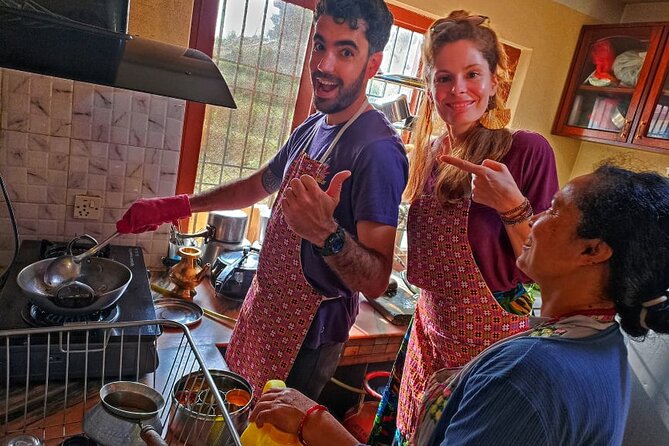
If you’ve come to Kathmandu for temples, views, and good food, this class adds a different kind of travel prize: daily life. I like that you’re invited into a home setting run by Kalpana Thapa and her family, where the focus stays practical—how Nepali food is made, why it tastes the way it does, and what to do when you’re cooking it yourself later.
You also get a gentle “get out of the city” feeling. A short drive takes you away from the intensity, and you arrive somewhere calmer. Reviews consistently point to a peaceful garden setting and a warm, welcoming household atmosphere. That matters, because good cooking lessons are easier when you feel comfortable asking questions.
You can also read our reviews of more private tours in Kathmandu
Price and Value: What $24 Gets You (and What It Really Means)
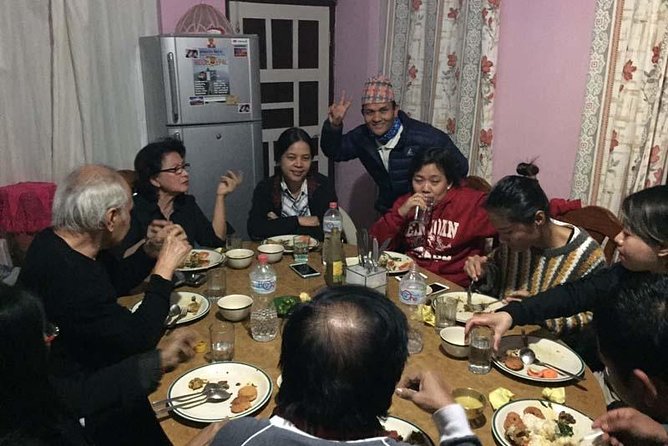
$24 per person is a fair price for a private Nepali cooking class in Kathmandu when you look at what’s included. You’re not just paying for watching a cook. You’re paying for transportation by private vehicle, hotel pickup and drop-off, morning tea or coffee, lunch, and all the food you prepare.
Here’s the real value: the class is built around action. You pick ingredients, do the prep, learn the techniques, then eat what you made. Many city cooking classes feel like a “taste and watch” format. This one leans the other way. If you’re the kind of person who likes to come home with meals you can repeat (not just photos), this format usually feels worth it.
Also worth noting: the class is booked fairly far ahead on average (about 18 days). If you’re traveling during a busy stretch, I’d reserve early so you can lock in a time that fits your schedule.
The 4.5-Hour Flow: Pickup, Tea, Market, and Kitchen Work
This is roughly a 4 hours 30 minutes experience. That timing is helpful because it feels like a “half-day” you can place early in your trip. You’ll usually start with pickup from your hotel or homestay, then transfer by private vehicle.
Once you arrive, the rhythm is steady:
1) settle in with a hot cup of masala tea or coffee
2) choose ingredients, including a stop at a local market and a private organic farm
3) head into the kitchen and begin prep
4) cook your meal, then eat together at the end
5) leave with PDF recipes
One nice practical detail: it’s private. Only your group participates, so you aren’t squeezed around other people or forced into a pace that doesn’t match yours. You can ask for clarification while you’re working, especially during the spice steps.
Masala Tea or Coffee First: A Small Start That Sets the Tone
Most cooking classes jump straight into chopping. This one starts with homemade masala tea or coffee, served before the serious work begins. That warm-up matters more than you might think. It helps you relax, and it gets you into the “sensory first” mindset—smells, spices, and texture—right from the beginning.
It’s also a good moment to settle in if you’re a little travel-tired. You’re sitting comfortably while the hosts explain what you’ll cook and how the day will go.
Choosing Ingredients: Market Stops and a Private Organic Farm
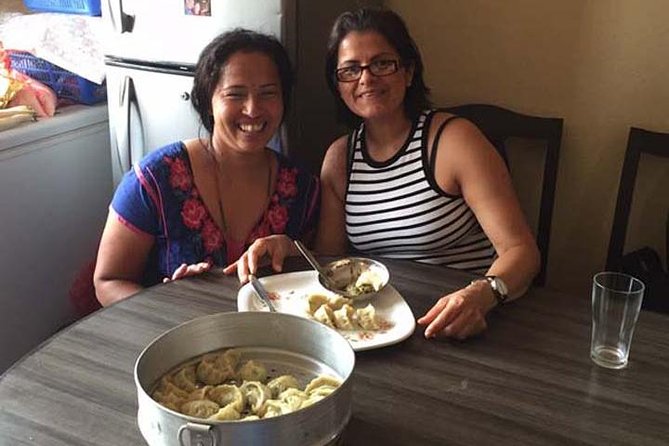
One of the best parts is how you build the meal from real inputs. The experience includes visiting a local market and also a private organic farm, where you can select seasonal vegetables and ingredients.
This matters because Nepali cooking is ingredient-driven. If you’ve ever wondered why a dish tastes different from one restaurant to another, this is where you start to understand the answer. Fresher vegetables and the right spices change everything.
You’ll also get to see the connection between land and food. Reviews mention garden-grown ingredients and a calm, cultivated setting. Even if you don’t consider yourself a “farm person,” it’s still a useful way to learn what’s happening behind the flavors you already like.
You can also read our reviews of more cooking classes in Kathmandu
Spice Grinding, Ginger, and Garlic: The Technique That Changes Everything
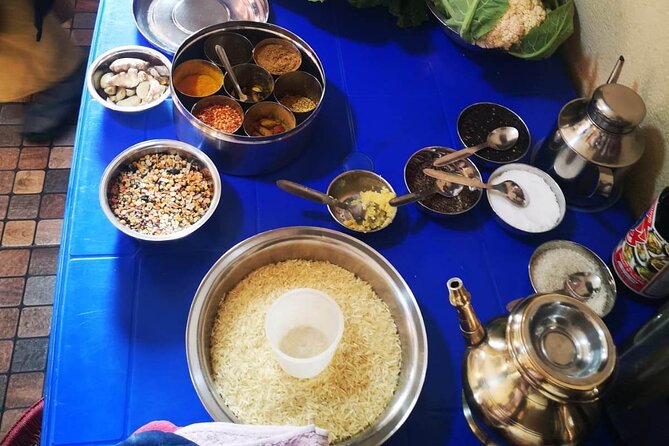
The hands-on part is where this class earns its reputation. You don’t just assemble. You learn the transformations:
- grinding whole spices
- pounding fresh ginger and garlic
- chopping vegetables as part of the cooking foundation
This is the kind of technique you rarely get in restaurant dining. And it’s not just a “cool step for photos.” When you grind whole spices yourself, you control how the aromatics release. When you pound ginger and garlic, you change the texture and how quickly the flavors bloom.
The hosts also guide you through the why, not only the what. One review specifically noted that the teacher explains why each task is done. That approach makes it easier to reproduce the dishes back home, because you understand the logic behind each step.
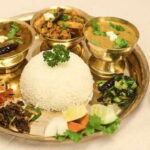
Your Cooking Menu: Dal Soup, Seasonal Vegetables, Spinach, Chicken, and More
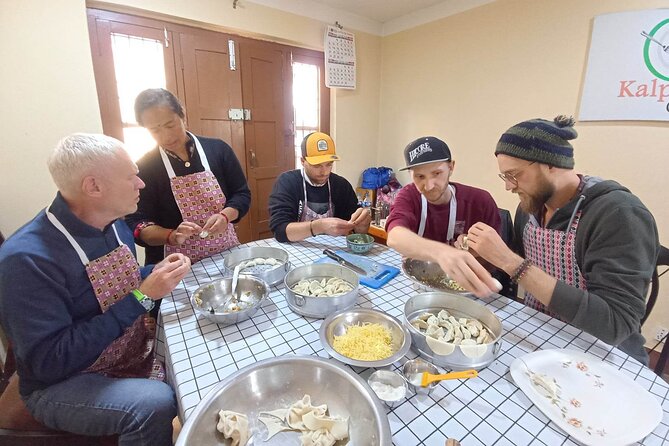
The meal is a set menu, and you’ll cook the dishes together. The experience includes learning to make:
- plain rice
- dal soup
- seasonal vegetable
- spinach
- chicken
- pickle papad fry
You may also hear plenty about Nepali staples like dal bhat and momos, since those show up in the broader teaching of Nepali home food and were specifically mentioned by guests in past experiences. The core you can count on is the structured set meal above.
What I like about this menu is balance:
- Rice and dal give you a comforting base
- Seasonal vegetables keep the meal grounded and fresh
- Spinach adds a distinct flavor and texture
- Chicken brings something more substantial for non-vegetarians
- Pickle papad fry adds crunch and tang, which makes the whole plate feel lively
And yes, you will do the cooking. Multiple reviews point out that the class is practical and that the teacher guides you step by step, then lets you handle the hands-on parts yourself.
Eating What You Cook: The Lunch Moment That Makes It Stick
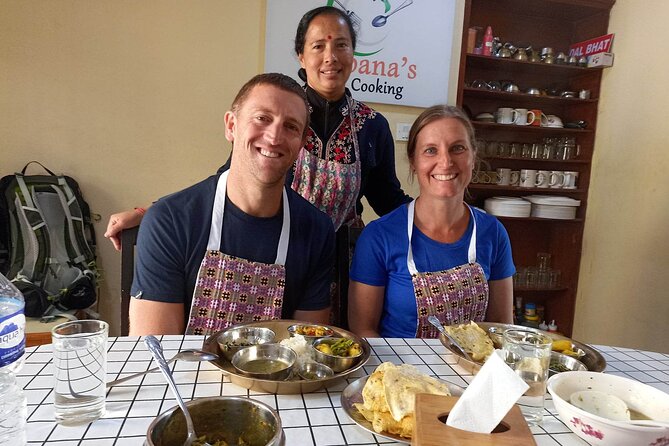
After cooking, you eat the meal you created. This is one of those “simple” benefits that actually helps learning. When you taste your own dal, your own vegetables, your own spice blend, the lessons click.
You’re not just sampling. You’re building an internal recipe reference. Next time you cook at home, you’ll remember how the spice base smelled before it met heat, and how the dish looked right after it thickened.
Plus, you’ll be well fed. Reviews strongly emphasize that you don’t leave hungry. So if you’re planning your day, you can typically eat normally later without feeling the need to snack constantly.
Garden-Calm Vibes Plus Real Kitchen Intensity
There’s a nice contrast built into the experience: a peaceful setting outside, then serious kitchen energy inside. Reviews describe a magical garden and a cozy home kitchen, and that calm helps the cooking feel more like a family lesson than a class with a strict timer.
Still, the kitchen work itself is not light. Traditional Nepali cooking involves prep that takes time—chopping, grinding, and careful mixing. That’s a positive if you’re here to learn techniques, but it’s the main “consideration” I’d flag for people who want the quickest possible activity.
If you come with a good attitude and some patience, you’ll probably find it satisfying. If you show up expecting something like a short demo, you’ll likely feel the effort.
Dietary Needs: Vegetarian Option and Menu Adjustments
This class is designed to accommodate special dietary requirements if you tell them in advance. A vegetarian option is available, and the hosts can adjust the menu based on your needs. In one case, a menu swap was mentioned for a dietary preference, which is a reassuring sign that they take this seriously.
What you should do: mention your dietary requirements when booking. That way the kitchen can plan the right dishes and avoid last-minute confusion. If you’re vegetarian, you’re likely to get a full meal rather than just a token side.
What to Bring (So You Don’t Feel Cranky Halfway Through)
You don’t need much, but you do want to be comfortable. Since you’ll be cooking and doing hands-on prep, wear clothes you don’t mind getting a little busy—especially if you have long sleeves that restrict your movement.
Good shoes matter too, because you’ll likely move between kitchen areas and eating space. Bring a phone for photos and short videos if you want them. Reviews mention taking memories with photos and videos, and it’s common for the hosts to encourage questions during active steps.
If you’re worried about the pace, remind yourself: the goal is learning technique, not speed.
Who This Nepali Cooking Class Is Best For
I’d point you toward this experience if you want:
- a private Kathmandu activity in a local home
- a practical cooking lesson you can repeat at home
- insight into Nepali spice work and home-style flavors
- a meal that’s included, not just samples
It’s also a good choice for people who want more than temples and street food. It takes you beyond the “what” of Nepalese cuisine and into the “how.”
You might choose something else if you only want a quick, low-effort tasting session. This one has real prep and real cooking time.
Quick Decision Guide: Should You Book Kalpana’s Cooking Class?
Book it if you want an authentic Nepali cooking lesson in Kathmandu that includes pickup, ingredients, lunch, and recipes—and you’re okay with doing the work. $24 is strong value here because the class isn’t pretending you’re just watching. You’ll learn steps that actually translate to your own kitchen.
Consider a different option if you have low tolerance for chopping and spice prep, or if you’re mainly looking for light interaction rather than hands-on technique. Also keep weather in mind, since the experience requires good weather.
If you’re choosing a single “culture through food” activity in Kathmandu, this is one of the more direct ways to do it.
FAQ
How long is the Nepali cooking class in Kathmandu?
The class lasts about 4 hours 30 minutes.
Is hotel pickup and drop-off included?
Yes. Hotel pickup and drop-off are included, along with transportation by a private vehicle.
What food is included during the class?
All food is included. You’ll have morning tea or coffee and lunch during the experience.
Do we cook Nepali dishes like dal bhat and momos?
The experience focuses on Nepali home cooking and includes techniques and dishes like dal bhat. Momo is mentioned as part of the Nepali dishes guests have learned in similar sessions. You also cook the set meal that includes plain rice, dal soup, seasonal vegetable, spinach, chicken, and pickle papad fry.
Can the class handle vegetarian diets?
Yes. A vegetarian option is available. You should advise at booking that you need it.
Can the menu be adjusted for dietary requirements?
Yes. The class can cater to travelers with special dietary requirements, and you should advise your needs at the time of booking.
Is this a private experience or shared with others?
It’s private. Only your group will participate.
What will I receive to help me cook later?
You’ll depart with PDF recipes to recreate the dishes at home.
What if the class is affected by weather?
The experience requires good weather. If it’s canceled due to poor weather, you’ll be offered a different date or a full refund.
How far in advance should I book?
On average, it gets booked about 18 days in advance.