REVIEW · KATHMANDU
Kathmandu: Local Lead Nepali Cooking & Momo-Making Class
Book on Viator →Operated by Kathmandu Cooking Academy · Bookable on Viator
Nothing beats learning Nepali food with your hands. This 3.5-hour class in Thamel pairs a short ingredient shopping trip with step-by-step cooking, capped by a tasting session you actually get to enjoy. I especially like the hands-on momo-making and the market stop for fresh ingredients, both of which help the food feel real instead of staged. One thing to consider: it’s group cooking, so if you want a quiet, hands-off experience, you might find the pace and activity a bit much.
You start with a warm welcome and traditional Nepali masala tea, then cook three dishes chosen from a traditional menu, including momos (vegetarian or chicken). The kitchen setup is designed for learning, with an experienced chef/instructor who explains clearly and patiently, and a small max group size of 12 travelers keeps it friendly.
In This Review
- Key highlights to know before you go
- Thamel’s cooking class: market shopping first, then momo practice
- Masala tea welcome: a slow start that helps you pay attention
- The market or shop stop: why it makes the dishes taste better later
- Cooking three dishes plus momo: the real structure of the lesson
- Momo-making (vegetarian or chicken)
- Dal bhat and other traditional dishes
- Traditional utensils, small-group pacing, and patient teaching
- Tasting session: you eat what you made, not leftovers from a demo
- Price and value: why this feels like a bargain in Kathmandu
- Who should book this momo and Nepali cooking class
- Quick practical tips before you go
- Should you book Kathmandu Cooking Academy?
- FAQ
- How long is the Kathmandu momo and Nepali cooking class?
- Where does the class start and end?
- Is hotel pickup included?
- What dishes will I make?
- Can I choose vegetarian momos?
- What is the cancellation policy?
Key highlights to know before you go
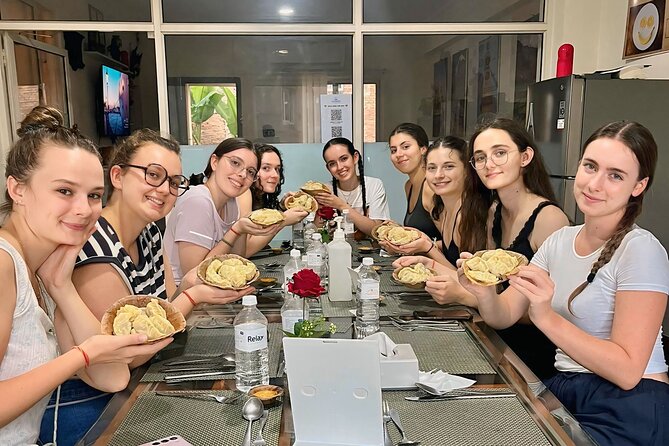
- Momo-making gets center stage: you’ll shape dumplings and learn the process, not just eat them.
- You shop for ingredients first: a short market/shop visit helps you understand what matters in Nepali cooking.
- Three dishes, not one: you’ll prepare an entrée, a main course, and a dessert from the traditional menu.
- Chef guidance is part of the deal: step-by-step instruction is aimed at beginners and improves with practice.
- You leave with recipes: many classes send a PDF of what you made, so you can recreate it later.
Thamel’s cooking class: market shopping first, then momo practice
This class is built like a mini Nepali food lesson. You begin at Kathmandu Cooking Academy in Thamel (easy to reach from the center of Kathmandu), with the day structured so you learn the logic behind the flavors. Instead of starting in front of a stove and guessing, you start by seeing the ingredients that drive the dishes.
The overall time is about 3 hours 30 minutes. That’s long enough to shop, cook, and eat without feeling rushed, but short enough that it doesn’t eat your whole afternoon in Kathmandu. With a maximum of 12 people, it stays interactive; you’re less likely to get stuck waiting for your turn.
If you choose pickup, hotel pickup and drop-off are available when that option is selected. Even without pickup, the meeting point is near public transportation, and it’s in a practical location for combining this with other Thamel plans.
You can also read our reviews of more cooking classes in Kathmandu
Masala tea welcome: a slow start that helps you pay attention
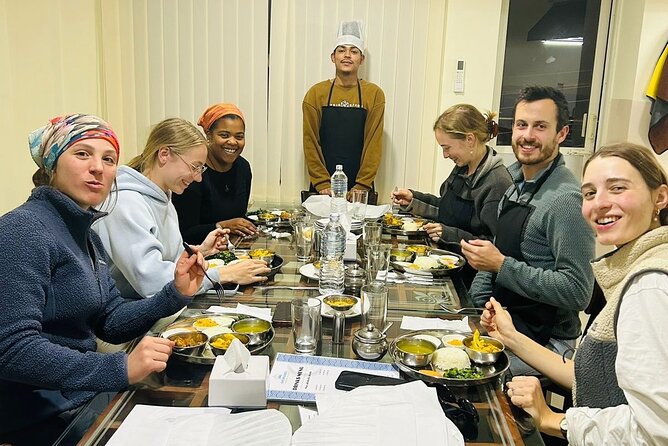
You’ll get a warm greeting and a cup of Nepali masala tea before you cook. It’s not just a nice moment—it helps set the tone for what follows. Once you’re warm, caffeinated, and settled, you’re more ready to focus on techniques like dough handling, mixing, and portioning.
This is also where the class vibe matters. People tend to enjoy the fact that instructors keep things friendly and hands-on, with plenty of chances to ask questions. If you’re worried about feeling awkward because you’re not a trained cook, the tea-and-welcome start is a good way to settle in.
The market or shop stop: why it makes the dishes taste better later
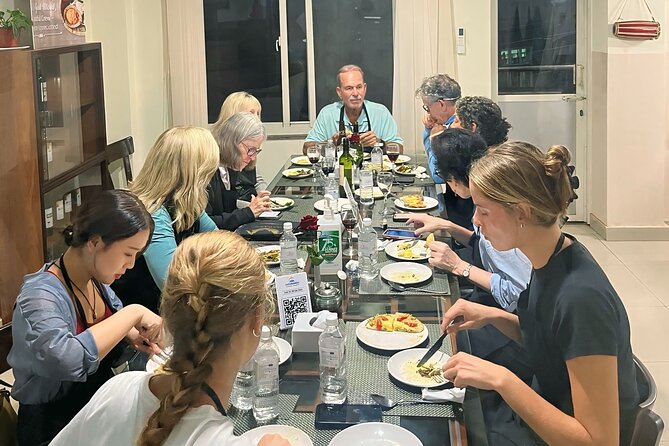
After the tea, you head out for a short market or shop visit to pick up key ingredients. In a place like Kathmandu, ingredients aren’t just shopping items—they’re the difference between a dish that’s merely decent and one that tastes like it belongs here.
This step teaches you what to look for and why it’s important. You’ll return to the academy ready to cook because you’ve already seen the raw materials. That makes following the chef’s instructions easier, especially if the class moves quickly.
One practical upside: it’s also a Kathmandu experience without needing a full-day itinerary. You get a taste of local buying habits, then you’re back in the kitchen with ingredients you know by sight.
Cooking three dishes plus momo: the real structure of the lesson
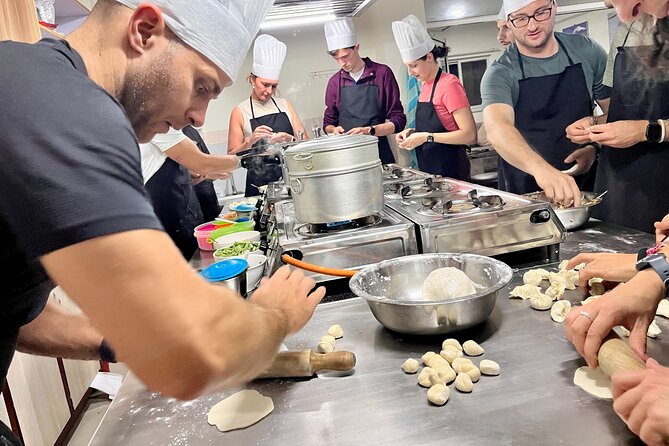
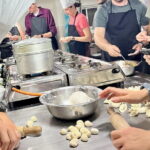
Back at the kitchen, you’ll cook three authentic Nepali dishes, typically arranged as:
- One entrée
- One main course
- One dessert
…and momos, which are the highlight.
Momo-making (vegetarian or chicken)
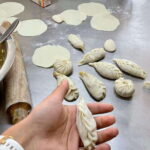
Momos are the star because they teach you technique with immediate results. You’ll get hands-on help shaping and preparing dumplings, and you can choose vegetarian or chicken. Even if you’ve never worked with dumpling dough before, this format is designed for step-by-step learning.
What makes it especially valuable is the repetition. You practice the physical part of cooking—portioning, wrapping, shaping—while the chef explains what to aim for. That’s the difference between memorizing a recipe and actually understanding the method.
You can also read our reviews of more tours and experiences in Kathmandu

Dal bhat and other traditional dishes
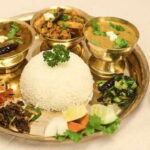
The class also includes traditional dishes such as dal bhat. This matters because dal bhat isn’t just a random menu pick; it’s a core part of Nepali everyday eating. Learning it helps you connect momos to the broader cooking style you’ll keep noticing around Nepal.
The dessert portion can include items from the traditional menu. For example, yomari shows up on the described menu, and at least one class instance included multiple dessert types. Since the menu can vary, the chef’s guidance on how to build desserts is part of what you’re buying with your time.
Traditional utensils, small-group pacing, and patient teaching
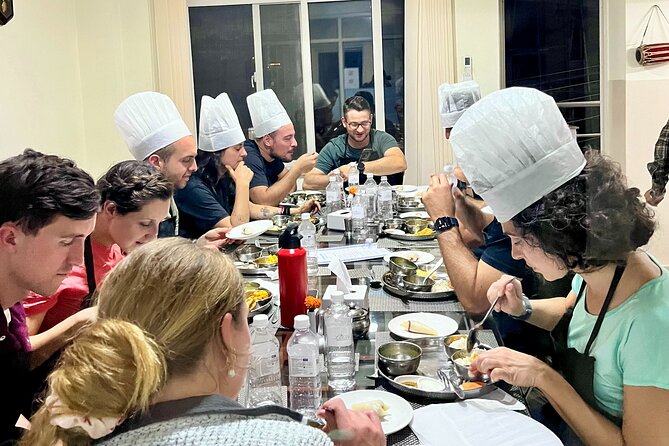
This class uses cooking equipment and utensils designed for Nepali food preparation. That means you’re not only learning what to do—you’re also learning how locals do it. Using the right tools can make techniques simpler and help you avoid frustration, especially in the moment when dough sticks or filling needs adjustment.
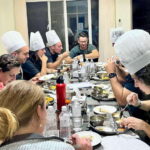
What also helps: the instruction style. In the feedback, the cooking is described as clear and easy, with chefs who are patient and explain steps simply. If you’re traveling solo, this is also one of those activities where you’ll naturally talk to people while waiting for your turn, since everyone is doing the same hands-on work.
Group size matters here. With a max of 12 people, you’re more likely to get help when you need it. It’s not a giant show where you stand back and watch someone else work.
Tasting session: you eat what you made, not leftovers from a demo
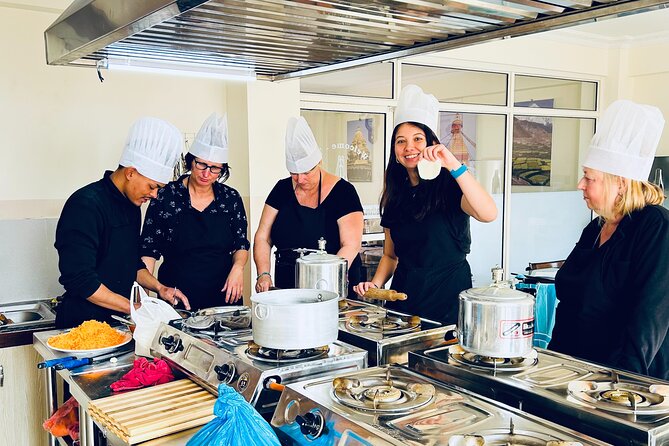
After cooking, you get a relaxed tasting session. This is where the class delivers on its promise—your effort turns into food on your plate.
The tasting is also a built-in lesson. You can compare what you expected versus what you got. If something tastes off, you have a real chance to ask why, and the chef can usually point to technique, ingredient balance, or timing.
One more practical perk: many people leave with a PDF of the recipes so they can recreate the dishes later. That turns this from a one-off vacation activity into something you can cook again once you’re home, which is the difference between cheap fun and real value.
Price and value: why this feels like a bargain in Kathmandu
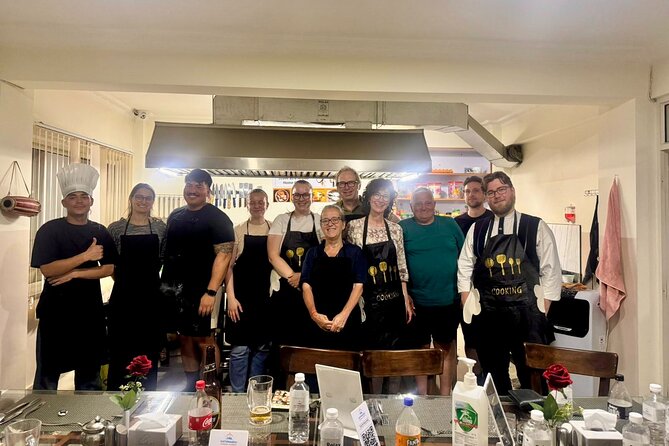
At $5 per person, this class is priced extremely low for a program that includes:
- market/shop ingredient shopping
- an experienced chef and instructor
- hands-on cooking
- cooking equipment and accessories
- a tasting session
- and optional hotel pickup/drop-off (if selected)
That kind of package is rare at any price point, and the small group size makes it easier for the team to actually teach. Even if you only care about eating well, this is still good value because you’re not just buying a meal—you’re getting ingredient context and method.
My practical advice: treat this like a skill-builder, not a casual snack stop. The more you engage during momo-making and the dish instructions, the more you’ll feel the price justified. You’ll also be better prepared to cook later using that PDF recipe support.
Who should book this momo and Nepali cooking class
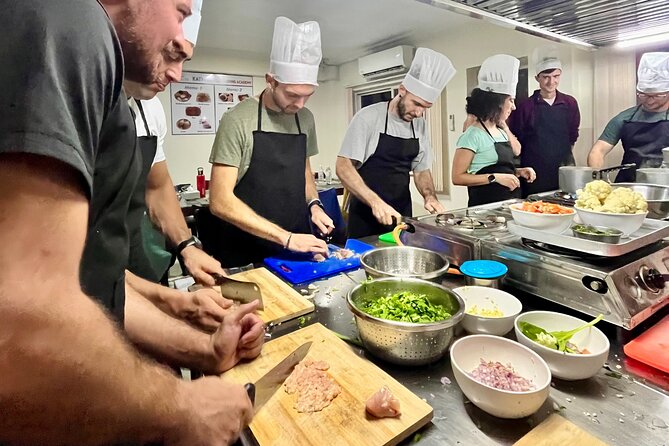
This class is ideal if you:
- want a hands-on Kathmandu activity that’s not just a photo stop
- like learning through doing (especially dough and dumpling technique)
- enjoy meeting people in a small group setting
- want to take home recipes, not just memories
It also works well for solo travelers because you’re cooking alongside others rather than waiting quietly. And since the class is taught in an approachable way with clear instructions, it suits beginners—especially if you’re the type who learns faster with feedback than with reading.
The main match question is your energy level. It’s active cooking. If you hate getting flour on your hands or you’re not up for teamwork and pace, you may prefer a more hands-off food experience. But if you’re game, you’ll likely have a lot of fun while producing real food.
Quick practical tips before you go
- Wear clothes you don’t mind getting a little messy; cooking dough and fillings can be unpredictable.
- Bring or tie back hair if it’s long, since dumpling work involves leaning and handling.
- Decide on momo filling ahead of time if you have dietary preferences (vegetarian or chicken).
- Come hungry. The lesson is short, so appetite helps you enjoy the tasting fully.
- If English is important for you, this class is described as having good English and easy explanations, which is a major plus for international visitors.
Should you book Kathmandu Cooking Academy?
Yes, if you want an efficient, friendly, hands-on way to experience Nepali food beyond a restaurant. For the price, you’re getting a full arc: tea welcome, ingredient shopping, cooking multiple dishes including momos, and then tasting what you made—with recipe help after.
I’d skip it only if you strongly prefer silent, low-energy activities or you’re not comfortable with the idea of cooking in a group kitchen. Otherwise, this is one of those Kathmandu experiences that gives you both dinner and skills, and it fits neatly into a half-day plan.
FAQ
How long is the Kathmandu momo and Nepali cooking class?
It lasts about 3 hours 30 minutes.
Where does the class start and end?
It starts at Kathmandu Cooking Academy in Thamel (Yapikhya Marg, Kathmandu 44600, Nepal) and ends back at the meeting point.
Is hotel pickup included?
Hotel pickup and drop-off are included if you select the pickup option.
What dishes will I make?
You’ll prepare three authentic Nepali dishes chosen from a traditional menu, plus momo-making as a highlight. The class description specifically mentions dal bhat and yomari as examples from the traditional dishes.
Can I choose vegetarian momos?
Yes. The momo-making highlight is offered in either vegetarian or chicken options.
What is the cancellation policy?
Free cancellation is available. You can cancel up to 24 hours in advance for a full refund, but cancellations within 24 hours aren’t refunded.