REVIEW · KATHMANDU
Traditional Nepali Momo Making Classes
Book on Viator →Operated by Classic Nepal · Bookable on Viator
Momos sound easy until you see how much skill is in the folds. At Namaste Cooking School in Kathmandu’s Thamel, this traditional momo making class turns a simple lunch idea into a real cooking lesson, starting with a warm masala chai welcome and moving into dough, filling, and shaping with local guidance. You also get a menu choice and allergy check so the meal fits your needs.
What I like most is how practical it is: you’re not just watching someone else cook. You learn the process step by step, and the teachers’ patience makes it feel manageable even if you’ve never made dumplings before. I also love the cultural angle—spice basics are part of the lesson, so your momos taste like Nepal, not like a generic dumpling.
One thing to consider: the class is weather-dependent, so plan for the possibility of a date change if conditions are poor. Also, it’s only 1 hour 30 minutes, so you’ll leave with solid fundamentals, not a lifetime of folding mastery.
In This Review
- Key highlights you’ll care about
- Kathmandu Thamel momo class: a smart “lunch + skills” combo
- Meeting up at Bhagwati Marg and how to plan your afternoon
- Step 1: chai welcome that sets the tone
- Step 2: choose your momo menu and flag dietary needs
- Step 3: the spice primer that makes the filling make sense
- Step 4: hands-on cooking—dough, filling, shaping
- Step 5: lunch results you can actually taste
- What you take home: recipe book and repeatable technique
- Price and value: $18 for a guided cooking lunch in Kathmandu
- Who should book this momo class (and who might not)
- Quick practical tips before you go
- Should you book Namaste Cooking School’s momo class?
- FAQ
- FAQ
- What is the duration of the traditional Nepali momo making class?
- Where do you meet in Kathmandu?
- What time does the class start?
- How much does the class cost?
- What’s included in the price?
- What languages are offered?
- How many people are in a group?
- Do you have options for dietary restrictions or allergies?
- Is there a mobile ticket?
- What’s the cancellation rule if plans change?
Key highlights you’ll care about
- Thamel location: right in the center of Kathmandu, handy for an afternoon plan.
- Masala chai welcome: a customary start, with alternatives possible if you don’t want chai.
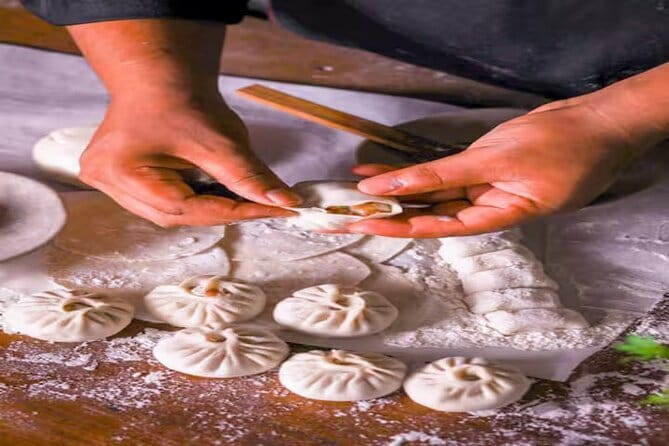
- Hands-on practice: you make the dough and filling, then shape the momos yourself.
- Spice primer first: you learn what drives Nepali momo flavor before cooking.
- Small group size: capped at 16 people, so it stays personal.
- Recipe book included: you get a Namaste Cooking School recipe book to recreate the dishes later.
Kathmandu Thamel momo class: a smart “lunch + skills” combo
If you’re in Kathmandu and you want something that feels both local and useful, a momo class hits the sweet spot. Momos are everywhere, but learning how they’re built is the difference between eating food and understanding it. This class runs from 12:30 pm for about 1 hour 30 minutes, so you can fit it into an afternoon without turning your day into a whole production.
The setting is in Thamel, which matters because it keeps your logistics simple. You’re near lots of traveler services and culinary options, but you’re not stuck planning around a remote location. Add in that the class is in English and limited to up to 16 people, and you get a lesson that’s easy to join even if your schedule is tight.
The value here isn’t just the food. Yes, you get lunch. But the real payoff is learning the mechanics: how the wrapper dough comes together, how the filling gets balanced, and how shaping affects the final bite. You also take home a Namaste Cooking School Recipe Book, which helps you keep the momentum after you leave.
You can also read our reviews of more tours and experiences in Kathmandu
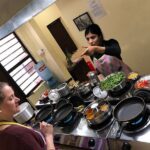
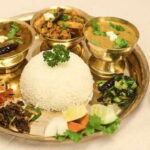

Meeting up at Bhagwati Marg and how to plan your afternoon
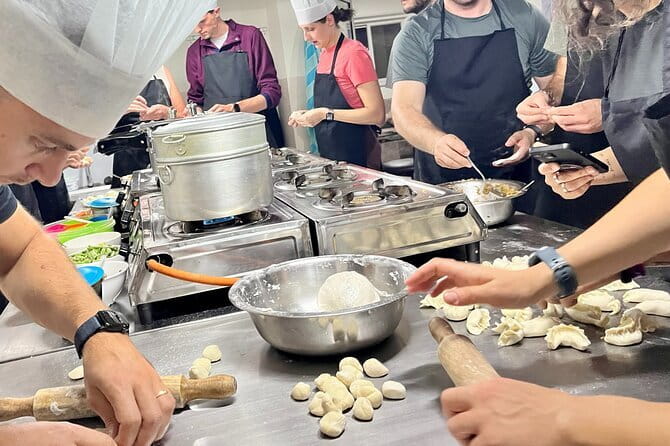
You meet at Bhagwati Marg, Kathmandu 44600, Nepal, and the activity ends back at the meeting point. Starting at 12:30 pm is nice because it avoids the rush of morning sightseeing and puts you in the “late lunch” timing zone.
Because you’ll want to arrive a bit early, I’d treat this like a cooking appointment, not a loose meet-and-greet. Thamel is busy, and having a head start saves you from weaving through streets and traffic at the last minute.
The class also runs with a “good weather required” rule. That doesn’t mean you should panic, but it does mean you should avoid treating your schedule like it’s locked in stone. If there’s an adjustment, you’ll likely be offered another date rather than the whole experience disappearing.
Good to know: you’ll receive a confirmation at booking, it uses a mobile ticket, and it’s described as being near public transportation. That combo makes it easier to change plans without losing your place completely.
Step 1: chai welcome that sets the tone
The class starts the way hospitality should: with a traditional cup of masala chai. It’s a small moment, but it matters. It shifts you from tourist mode to participant mode fast. You’re not just arriving somewhere to cook; you’re being welcomed.
I also like that the tea moment connects to the theme of the class—Nepali flavors are the backbone here. Chai isn’t “extra.” It’s part of how you get oriented to taste and comfort in Nepal.
If you don’t want to drink masala chai, you might have options. One participant specifically noted they didn’t drink the chai and were offered a ginger and lemon tea instead. That’s the kind of flexibility that makes the class feel less rigid.
Step 2: choose your momo menu and flag dietary needs

After the welcome, you choose from a carefully selected momo menu. This is where you set expectations for what you’ll actually make and eat during the session.
They also ask about dietary restrictions and allergies. That matters because momos can go in different directions depending on ingredients. If you have a restriction, speak up early. In a short class, it’s better to clarify at the start than to realize halfway through that something doesn’t work for you.
The class runs in small groups, so you’re not just getting a generic “good luck” and a cutting board. The lesson pace depends on your menu choice and how the kitchen workflow fits you.
Step 3: the spice primer that makes the filling make sense
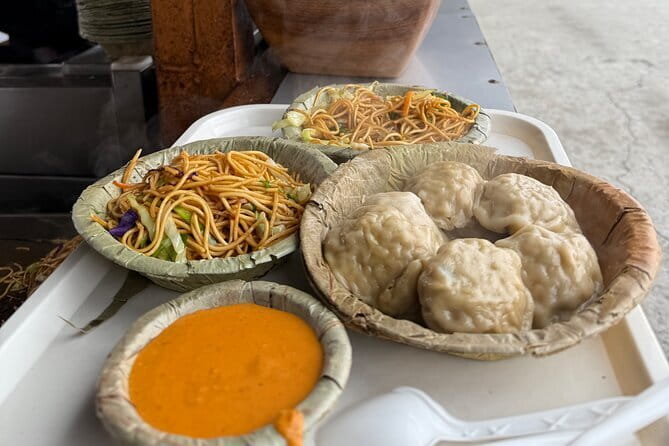
Next comes an overview of the regional spices that show up in Nepali momo flavor. This is one of the smartest parts of the lesson because it gives you a mental map.
Instead of treating spices as mysterious powders, you learn what each flavor does in the dish. That helps when you try to recreate the recipe later. It also helps you understand why your homemade momos taste different from what you’d get if you copied a random dumpling recipe from the internet.
If you like learning why food works, this section turns the class into more than a cooking demo. You’re being taught flavor logic—how to build taste, not just how to follow steps.




Step 4: hands-on cooking—dough, filling, shaping
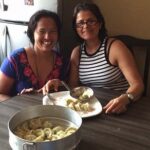
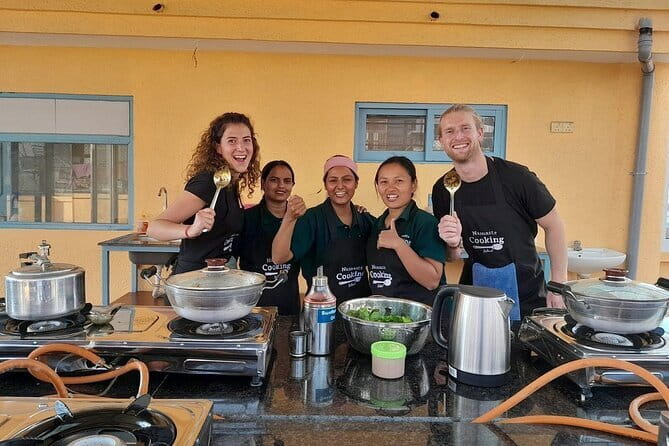
Then the fun part starts: you cook. This is a true hands-on session, meaning you’ll do the work rather than just watching someone else fold dumplings while you hold a camera.
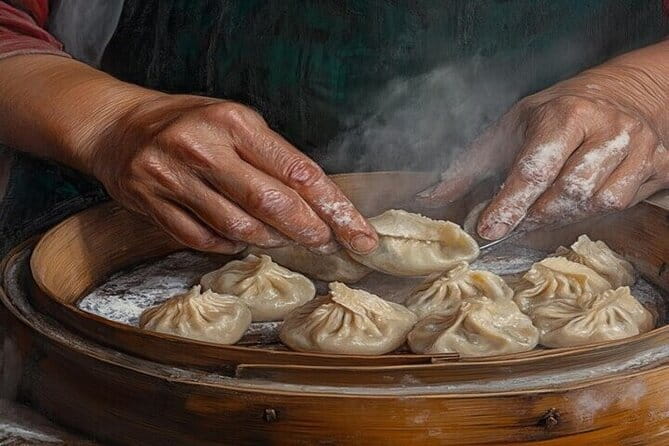
Even in 1 hour 30 minutes, you typically cover the core process: preparing and working with the momo dough, making or assembling the filling, and then shaping the momos. Shaping is where most people get stuck at home, so it helps that the instructors show you techniques and stay available while you practice.
Small group size matters here. With up to 16 people, it’s easier for the teachers to correct how you pinch edges, how you seal, and how you keep the wrapper from tearing. It’s also easier to ask questions without feeling like you’re interrupting a busy class line.
One detail I really appreciate from the teaching style: the instructors are known for being patient, friendly, and willing to help you improve your technique. Names that came up in the teaching experience include Sushila and Sabita. That kind of calm instruction makes a short class feel worth it instead of rushed.
Step 5: lunch results you can actually taste
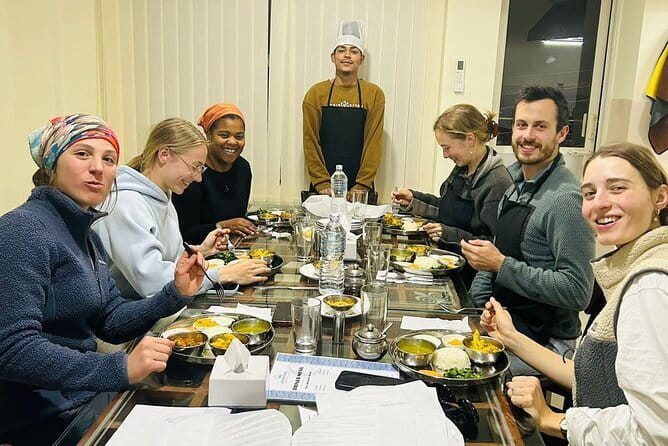
When you finish cooking, you’re not leaving hungry. The session includes lunch, and the food is what you made—so you can connect your effort to the final bite immediately.
This is where you learn something subtle: momo quality isn’t only about flavor. Texture matters. How tightly the momo is sealed can change how it holds up. How the filling is balanced can affect the overall taste. And the spice mix—taught earlier—shows up in the final result.
If you’re worried about portion size, it’s worth noting that many people come away feeling full from the batch they produce. In a short time, it’s a practical way to get both food and a skill lesson without spending the rest of your afternoon chasing lunch.
What you take home: recipe book and repeatable technique
At the end, you receive a Namaste Cooking School Recipe Book. For me, recipe books are most useful when they don’t just list ingredients, but also help you remember the method. This one is meant as a keepsake and a practical guide for recreating what you learned.
That’s a big deal because momo-making doesn’t stick from one class unless you practice afterward. The book gives you a way to re-run the lesson at home and compare your results to what you made in Kathmandu.
If you’ve ever made dumplings and then wondered why they didn’t turn out, this kind of follow-up tool is the difference between a fun memory and a skill you can actually use again.
Price and value: $18 for a guided cooking lunch in Kathmandu
At $18.00 per person, this class lands in the “easy yes” category for Kathmandu. Cooking classes can run higher, especially when they come with lots of extras. Here, the value comes from the basics done well: hands-on work, lunch, and a takeaway recipe book.
You’re also paying for something hard to copy at home: instruction that adapts to your pace. With a capped group size, you get real guidance rather than a generic show-and-tell. And because it’s in Thamel, you’re not paying hidden costs in time or transport by heading far out.
For budget-minded travelers, the equation is simple: if you’d otherwise buy lunch and still want a memorable experience, this often feels like two birds with one dumpling. Just remember it’s a short lesson, so manage expectations—think fundamentals, not mastery.
Who should book this momo class (and who might not)
This class is a great fit if you want a practical Kathmandu experience that doesn’t require a big time commitment. It’s also ideal if you like cooking, want a hands-on activity, and enjoy learning about the spices behind the food.
It’s especially good for people who prefer small groups and structured teaching. If you’re traveling with someone and want shared activity time, a momo class gives you something to do together that’s not just walking around Thamel.
Who might want to reconsider? If you’re expecting a long deep-course on technique, this session is shorter. You’ll likely leave with strong basics, but you won’t leave thinking you could open a dumpling shop tomorrow. Also, because it depends on good weather, keep your schedule flexible.
Quick practical tips before you go
- Arrive a few minutes early so you can settle in before the tea and menu selection.
- Tell them about allergies or restrictions at the start so your meal matches your needs.
- Go in hungry—it’s lunch plus cooking, and the food is part of the point.
- Expect hands-on work. If you don’t like food prep, you might feel uncomfortable with the cooking pace.
- Bring a light layer. Afternoon indoor-to-outdoor shifts can happen in Kathmandu.
Should you book Namaste Cooking School’s momo class?
Yes, if you want an afternoon activity that’s genuinely hands-on and gives you something you can repeat at home. The price is reasonable, the class is short enough to fit busy days, and the teaching style—friendly, patient, and focused on getting you through the steps—makes a difference.
I’d book it if you’re staying in or near Thamel and you want lunch that doubles as a skill lesson. I’d also book it if you care about taste beyond hype—learning spices before you cook is the kind of detail that improves your cooking right away.
If your schedule is inflexible or you can’t handle weather-related changes, keep that in mind. Otherwise, this is the rare Kathmandu activity that feels like food you helped make, not food you just watched someone else sell you.
FAQ
FAQ
What is the duration of the traditional Nepali momo making class?
It runs for approximately 1 hour 30 minutes.
Where do you meet in Kathmandu?
The meeting point is Bhagwati Marg, Kathmandu 44600, Nepal.
What time does the class start?
The start time is 12:30 pm.
How much does the class cost?
The price is $18.00 per person.
What’s included in the price?
The class includes lunch, and you also receive a Namaste Cooking School Recipe Book.
What languages are offered?
The class is offered in English.
How many people are in a group?
The maximum group size is 16 travelers.
Do you have options for dietary restrictions or allergies?
Yes. You’ll be asked about dietary restrictions or allergies during the menu selection.
Is there a mobile ticket?
Yes, this activity includes a mobile ticket.
What’s the cancellation rule if plans change?
You can cancel for a full refund up to 24 hours in advance. If you cancel less than 24 hours before the start time, the amount paid is not refunded.