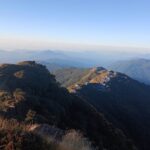
Sunrise at Poon Hill starts with a climb. This private 4-day trek from Pokhara mixes a Himalayan sunrise, steady village walking, and teahouse stays with Gurung and Magar cultural stops. You’ll also get English-speaking guidance plus permits and logistics handled.
I love the payoff-to-effort ratio here. The big highlight is the early hike to Poon Hill sunrise with panoramic views over the Annapurna and Dhaulagiri ranges. I also like how the guides bring it to life—names like Milan, Biru, Vikram, Amrit, Sham, and Bikram show up in feedback for being patient, careful, and big on local stories.
One consideration: your food budget. Meals aren’t included, and Day 2 includes a notoriously steep stair section (Ulleri), so you’ll want to be ready for some uphill work and early starts.
In This Review
- Key things to know before you go
- Why Poon Hill is worth the early alarm
- From Pokhara to Tikhedhunga: easing into the trek
- Day 2 to Ghorepani: rhododendron forests and steep stairs
- Poon Hill sunrise, then on to Ghandruk for the teahouse night
- Day 4: downhill to Naya Pul and back to Pokhara
- Guides and logistics: what you actually get for $240
- Teahouse nights and meals: the part to budget and plan
- Who this private Poon Hill trek suits best
- Should you book this 4-day Poon Hill trek from Pokhara?
- FAQ
- FAQ
- How long is the Poon Hill trek?
- Where does the trek start and end?
- Is hotel pickup and drop-off included?
- What are the main highlights?
- Are permits included?
- What about accommodation?
- Are meals included in the price?
- Do I need to be very fit?
- Is this a private tour?
- Can I get a full refund if I cancel?
Key things to know before you go
- Poon Hill sunrise is the main event, with wide views toward Annapurna and Dhaulagiri.
- Private trek, your group only, with hotel pickup/drop-off in Pokhara.
- Permits and TIMS card are included, so you’re not scrambling for paperwork.
- Teahouse/guest house nights keep the trek feeling local and simple.
- Steep stairs on Day 2 (Ulleri) can slow your pace if you’re not used to climbing.
- Meals are extra (budget about US$28 per person per day), so plan cash and snacks.
Why Poon Hill is worth the early alarm
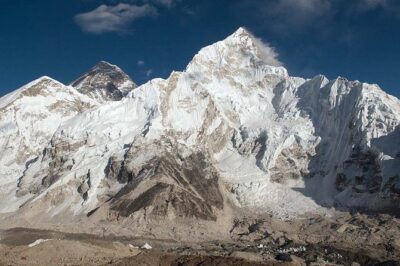
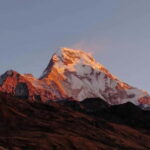
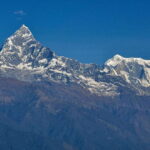
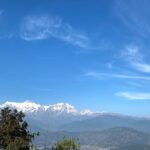
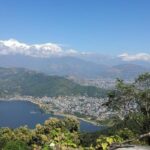
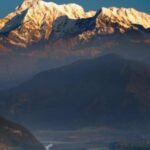
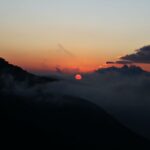
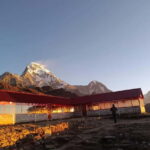
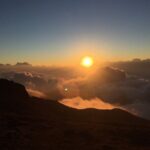
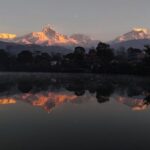
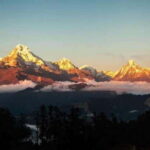
Poon Hill is popular for a reason: you hike up in the dark and, once you reach the viewpoint, you’re rewarded with sunrise colors over major peaks. The promise is straightforward—panoramic views across the Annapurna and Dhaulagiri ranges, shifting into orange and gold as the sun hits the ridgelines.
This is also where your guide matters more than people expect. On the early morning climb, they help you keep a steady rhythm instead of burning out. From the feedback, guides like Biru and Milan are praised for staying patient, making sure you’re comfortable, and explaining what you’re seeing as the light changes.
One practical note: expect it to feel colder than you think right before sunrise. Even if the afternoon looks pleasant, the early hike tends to be more of a “layers” situation.
You can also read our reviews of more private tours in Pokhara
From Pokhara to Tikhedhunga: easing into the trek
Day 1 starts with a drive from Pokhara to Nayapul (about 1–2 hours). Then you begin walking from Nayapul through places like Birethanti and Hille, and you start climbing toward Tikhedhunga, with an overall trek time around 6 hours.
The cool part about this first day is that it doesn’t throw you into the hardest climbing right away. You get time to settle your pace, test your shoes, and get used to the rhythm of trekking between villages. It also sets up your acclimation—because by the time you’re higher on the trail, you’re already warmed up for the work ahead.
If you like a trek that feels structured rather than chaotic, this day helps. Private means your schedule is handled, and the walk times are laid out in a simple sequence instead of improvising.
Day 2 to Ghorepani: rhododendron forests and steep stairs
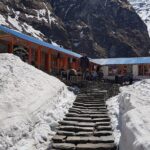
Day 2 is the tough-love day. You ascend the stone staircase up to Ulleri, which is known for feeling steep even when the total hike distance isn’t extreme. After that, the trail carries you through rhododendron and oak forests, with the walking turning more scenic and slightly more varied.
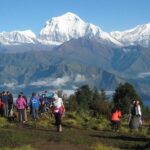
You end in Ghorepani, a village with panoramic mountain views. That’s important: you’re not just stopping for a bed. Ghorepani is positioned so you’re close enough to the Poon Hill sunrise and still enjoying the mountain views from your base.
From a planning standpoint, treat Day 2 as your workout day. If you can handle stairs without rushing, you’ll feel better on the sunrise morning. And if you can’t—no shame—your guide can help you pace it, which multiple guides were praised for doing.
Poon Hill sunrise, then on to Ghandruk for the teahouse night
Day 3 is a split day: sunrise first, then more walking and a change of scenery. You do an early hike to Poon Hill for sunrise viewing (around 2 hours), then you descend back toward Ghorepani and continue onward to Ghandruk, with about 6 hours of hiking on that second leg.
The sunrise piece is the headline. You’ll see the Annapurna and Dhaulagiri ranges laid out in a panoramic sweep. In practice, sunrise treks feel different from daytime viewpoints because the air is cooler, the light is dramatic, and your group is all moving with a shared purpose—get up, reach the top, watch the peaks shift.
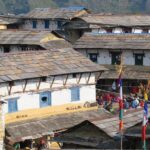
Then comes Ghandruk, a Gurung village in Kaski District known for hospitality. Staying overnight in a teahouse here gives you a more village-centered experience than just “sleep and go.” You’re in a place where people live with the mountains as part of everyday life, and the best guides use that to add meaning to what you’re seeing.
Based on what people reported with guides like Vikram and Amrit, the best experience isn’t only the view—it’s the stories along the way. If you enjoy talking to locals and hearing how people interpret the mountains, this day is where that shines.
Day 4: downhill to Naya Pul and back to Pokhara
Day 4 is your unwind day. You hike downhills from Ghandruk via a scenic route toward Naya Pul, with about 6 hours of trekking time. Along the way, you get parting views of major peaks mentioned for this route—Annapurna I, Annapurna South, Dhaulagiri, Fishtail, and Himchuli—plus a rhododendron forest stretch that helps break up the descent.
Once you reach Naya Pul, you take a local bus back to Pokhara (about 1 hour 30 minutes) and your tour ends with a drop-off at your hotel.
Downhill can still be tiring on your knees, even when it feels easier mentally than climbing. The positive here is that downhill is usually more forgiving if your energy is good after Day 3. And since Day 4 is framed as a scenic send-off, it keeps the mood from turning into pure fatigue.
You can also read our reviews of more hiking tours in Pokhara
Guides and logistics: what you actually get for $240
The price here is US$240 per person for a private 4-day trek. For a trek of this length, value mostly comes from what’s handled for you: pickup/drop-off, an English-speaking guide, permits, transportation, and teahouse/guest house accommodation.
Here’s what’s included:
- Hotel pickup and drop off in Pokhara
- English-speaking trekking guide
- Trekking permit and TIMS card
- Round-trip transfers by private car as per the itinerary
- Accommodation at guest house/teahouse
- Private trip (your group only)
What’s not included:
- All meals (about US$28 per person per day, available for purchase)
- Gratitude (optional)
So the smart way to think about the cost is this: you’re paying for smoother execution. You won’t be making permit arrangements or coordinating transport on your own while you’re also trying to enjoy the walk. Multiple guides in the feedback were praised for managing the experience carefully, including being attentive and explaining what’s happening around you.
Also worth noting: this is described as private, but it also mentions group discounts as a feature. If you’re traveling with friends, check how that applies to your booking so you don’t miss any savings.
Teahouse nights and meals: the part to budget and plan
Accommodation is at guest houses/teahouses, which is the classic approach for the Poon Hill region. It keeps you sleeping close to where you’re walking, and it’s part of why the trek feels real instead of like a hotel tour on a trail.
Meals are not included, so you’ll be buying food along the route. Since the guide doesn’t provide meal costs inside the package, you should budget for them. At about US$28 per person per day, this can be the difference-maker in your total trekking spend.
What I recommend for comfort: plan to eat early when you can, especially on days with early starts. A sunrise day is not the moment to hope you’ll find the perfect meal later. If you’re the type who wants caffeine, tea, and snacks at the right times, it’s also smart to carry a little extra for those moments between meals.
Who this private Poon Hill trek suits best
This trek fits best if you want:
- a shorter trek (about 4 days) with real Himalayan viewpoints
- a guided experience with English support and practical care
- teahouse nights and village walking rather than only road travel
It’s recommended for travelers with moderate physical fitness. That means you don’t need to be an athlete, but you should be okay with hiking 6 hours on a day or two, plus the steep stairs section on Day 2 and the early start on Day 3.
This is also a great pick for people who care about guidance quality. Feedback repeatedly points to guides such as Milan, Biru, Vikram, Sham, Bikram, and Amrit being helpful, patient, and focused on safety and comfort. If you’d rather focus on the views and the culture than on navigation and logistics, that matters.
Should you book this 4-day Poon Hill trek from Pokhara?
Book it if you want a well-structured trek with the big highlight done right: Poon Hill sunrise, Annapurna and Dhaulagiri views, teahouse nights, and an English guide managing the practical stuff. The included permits and TIMS card alone remove a common headache, and the private format keeps the pacing and plan more controlled.
Skip it—or ask more questions—if you’re very sensitive to steep climbs or early mornings. Day 2’s Ulleri stairs and Day 3’s pre-dawn start are the two moments most likely to feel demanding. And if you hate budgeting for meals separately, this one will feel less “all-in” than you might expect.
If you’re in the middle—looking for a rewarding Himalayan trek without committing to a longer route—this is a strong, value-focused option.
FAQ
FAQ
How long is the Poon Hill trek?
It’s about 4 days.
Where does the trek start and end?
You start in/near Pokhara and begin trekking from Nayapul. The trek ends back in Pokhara after hiking to Naya Pul and taking a local bus.
Is hotel pickup and drop-off included?
Yes. The package includes hotel pickup and drop off in Pokhara.
What are the main highlights?
The key highlights are the early hike to Poon Hill for sunrise views over the Annapurna and Dhaulagiri ranges, plus village scenery and teahouse stays, including time in a Gurung village (Ghandruk).
Are permits included?
Yes. The trekking permit and TIMS card are included.
What about accommodation?
Accommodation at guest house/teahouse is included.
Are meals included in the price?
No. Meals are not included, and they’re available for purchase at about US$28 per person per day.
Do I need to be very fit?
The trek is listed for moderate physical fitness.
Is this a private tour?
Yes. It’s a private trip, and only your group participates.
Can I get a full refund if I cancel?
Yes, free cancellation is available. You can cancel up to 24 hours in advance for a full refund, based on local experience start time.