REVIEW · RISHIKESH
Rishikesh: Sattvic Cooking Class : Cook & Dine With Miss Anju
Book on Viator →Operated by Rishikesh Day Tour · Bookable on Viator
A homestay kitchen is a better teacher than any textbook. In Rishikesh, Miss Anju runs a hands-on sattvic cooking class that mixes Vaishnavite tradition, Ayurvedic thinking, and real food you’ll eat at the end.
I especially like the no onion/garlic menu built for sattvic eating, and the way the class includes a guided Indian spice session with practical health-oriented explanations. One consideration: there’s no hotel pickup, so you’ll want to plan an easy walk or short ride to Om Homestay near Tapovan.
In This Review
- Key things to know before you book
- Rishikesh at Om Homestay: where this class actually happens
- What to expect on arrival
- Miss Anju’s sattvic teaching style (Ayurveda meets real cooking)
- Your menu choices: dal, sabji, breads, rice, and dessert
- Special lentils (dal)
- Special curries (sabji)
- Traditional breads (chapati & paratha)
- Rice dishes
- Indian dessert
- The hands-on cooking session: what you’ll do in those 3 hours
- Why this class structure helps you learn
- The spice lesson: using Indian spices with a purpose
- How to take this home
- Lunch included: eating sattvic food you made yourself
- Price and duration: is $45 good value?
- Who this experience fits best
- Quick practical notes (so you don’t get surprised)
- Should you book Miss Anju’s sattvic cooking class?
- FAQ
- How long is the Rishikesh Sattvic Cooking Class?
- How much does it cost?
- Where does the class meet?
- What dishes can I choose to cook?
- Is the food onion-free and garlic-free?
- Is lunch included?
- Do I get hotel pickup and drop-off?
- Do I need a passport, and does it run in bad weather?
Key things to know before you book
- Sattvic, Vaishnavite focus: dishes are prepared without onion or garlic and guided by purity-centered tradition
- You cook, not just watch: you’re involved during the preparation, not stuck observing
- Pick from dal, sabji, breads, rice, and dessert: your menu choice shapes the final meal
- Spice lesson included: you learn essential spices and their everyday use plus health benefits
- Lunch is included: you eat what you make in the same session
Rishikesh at Om Homestay: where this class actually happens
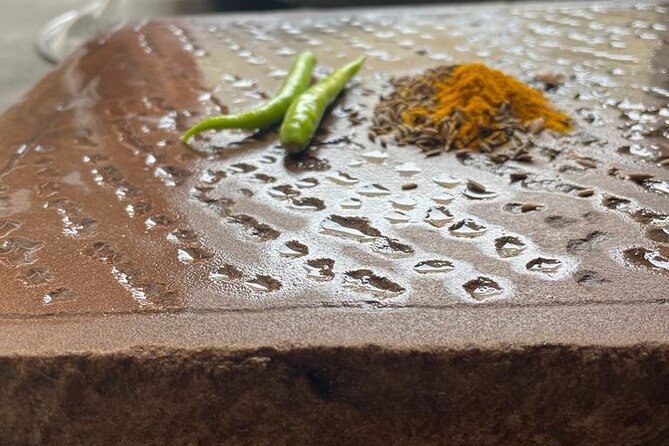
This experience takes place at Om Homestay on Balaknath Mandir Road in Upper Tapovan, near the Tapovan area of Rishikesh. The tone is intimate: it’s a private tour/activity, so only your group participates, which makes it easier to ask questions and get focused attention.
The class runs about 3 hours, so it’s long enough to get real technique and flavors, but not so long that it turns into a full-day ordeal. You’ll finish back at the meeting point, keeping the plan simple.
You can also read our reviews of more tours and experiences in Rishikesh.



What to expect on arrival
Plan to arrive ready to cook. You’ll be meeting the host at the homestay, then you’ll move into the cooking flow—learning the food logic first, then working through the recipes together.
Even though the lesson centers on food, the framing is spiritual and health-based. Expect Miss Anju to connect what you’re making with Ayurvedic ideas and Vaishnavite values like mindful ingredients and purity.
Miss Anju’s sattvic teaching style (Ayurveda meets real cooking)

Miss Anju is both a cook and a homestay owner, and that matters. It’s not a staged demo; it feels like someone sharing their home practice and kitchen rhythm with care.
The class centers on sattvic cuisine, linked to the Vaishnavite tradition. That shows up in what’s included and what’s left out. Most notably, the menu is prepared without onion or garlic, which is a big deal for people following a sattvic diet and also for anyone curious about how Indian flavors change without those two ingredients.
You’ll also get cultural context. The goal isn’t only to teach technique, but to explain why ingredients matter and how spices and cooking choices connect to everyday Indian eating.
Your menu choices: dal, sabji, breads, rice, and dessert
One reason this class gets such strong satisfaction is that it gives you actual choices. You’re not locked into a single set menu; you pick from categories, and the meal is built around those selections.
Here’s the menu structure you can choose from:
Special lentils (dal)
You can select from Chana Masala, Yellow Fried Dal, Chana Dal, or Rajma Dal. Dal is where Indian cooking becomes deeply satisfying—thick, spiced, and comforting—and it’s also a good foundation for learning spice layering.



Special curries (sabji)
Pick one or more from Shahi Paneer, Paneer Butter Masala, Mutter Paneer, Palak Paneer, or Seasonal Vegetable. If you love sauces and creamy textures, paneer options are the easiest way to walk away feeling confident. If you’d rather keep it lighter, the seasonal vegetable pick can help.
Traditional breads (chapati & paratha)
You’ll choose bread options like Chapati, Aloo Paratha, or Plain Paratha. This is practical because Indian meals are often built around the bread. Learning how breads are handled lets you recreate the experience at home, even if your kitchen setup is different.
Rice dishes
You can choose Jeera Rice or Basic Rice. Jeera rice is a fast route to big flavor, because cumin does a lot of work in a simple, repeatable way.
Indian dessert
Dessert is included, and it rounds out the meal so you leave with a full plate, not just a savory win. (One review specifically noted dessert as part of what was prepared.)
The hands-on cooking session: what you’ll do in those 3 hours
This is a “cook & dine” experience, so the time is structured around participation. You’ll work through preparation steps instead of just watching someone else do everything.
In a typical flow, expect these stages:
- getting oriented to the sattvic rules and ingredient choices
- learning and preparing components for your selected meal
- cooking dal and sabji with spice and texture in mind
- making your bread(s)
- finishing with rice and dessert
- eating together at the end
Why this class structure helps you learn
The kitchen-teaching style is built for memory. When you mix, fry, simmer, and assemble with guidance, you understand how Indian dishes come together instead of only copying the final result.
It also helps that the class includes tips and tricks. That sounds generic, but it’s the practical stuff—timing, heat control, how spices smell and change while cooking, and how the final texture should look. Those details are what you’ll actually use later.
The spice lesson: using Indian spices with a purpose
A bonus part of the experience is a guided session on Indian spices. You’ll learn about essential spices used in everyday cooking and their health benefits, explained in a way tied to everyday Indian food.
If you’ve ever eaten Indian food and thought, I get the general idea, but I can’t recreate the flavor, this is the missing piece. Spices aren’t just for taste; they’re also for aroma, balance, and digestion-focused thinking.
How to take this home
During the spice session, pay attention to two things:
- which spices show up early in cooking versus later
- what each spice is supposed to do for flavor or digestion
Even if you don’t cook everything at home right away, learning the logic behind the spice combinations makes future recipes easier to understand.
Lunch included: eating sattvic food you made yourself
Lunch is included, and you’ll dine as part of the same experience. That matters because many cooking classes in India are more like performances; here, the meal is part of the point.
Since the menu is onion- and garlic-free, the flavors lean on other ingredients: ginger-garlic alternatives aren’t specified, but the main takeaway is that you’re experiencing Indian cooking under sattvic rules. For some people, that’s specifically why they book. For others, it’s a curiosity that turns into respect for how flexible Indian cuisine is.
Also, the class is designed for groups. You’re not alone with a cook who barely looks up; the format supports questions and conversation, which can make the meal feel like a cultural exchange, not just a plate.
Price and duration: is $45 good value?
At $45 per person for roughly 3 hours, the value comes from three things the class delivers well: hands-on cooking, lunch included, and guided instruction. If you’ve paid for other cooking experiences where the meal is tacked on and the teaching is brief, this one is positioned more like a true kitchen lesson.
There’s also a “group discount” mentioned as a feature. Even without details, that usually means booking with friends can reduce your per-person cost.
So who does the math work for? It fits best if you:
- want lunch plus active instruction, not just a taste
- are interested in sattvic or Ayurvedic-style eating
- value a private group format where you can ask questions without a crowd
Who this experience fits best
This class is a strong match for:
- anyone who enjoys learning by doing in a home-style kitchen
- people following a sattvic diet or looking for no onion/no garlic meal guidance
- food lovers who want to understand spices, not just eat them
- travelers who like quieter, thoughtful experiences alongside sightseeing
It may be less ideal if you’re expecting a major walking itinerary or multiple “stops.” This is centered on one place: the homestay kitchen and dining.
Quick practical notes (so you don’t get surprised)
- No hotel pickup: you’ll go to Om Homestay near Tapovan on your own
- Private format: only your group participates
- All-weather operation: it runs in all weather conditions, so dress for Rishikesh conditions
- Children need an adult: children must be accompanied by an adult
- Passport requirement: a current valid passport is required on the day of travel
Should you book Miss Anju’s sattvic cooking class?
If you want more than a meal—and you care about why Indian cooking works—you should book it. The best part is the combination: you cook, you learn the sattvic logic behind the menu, and you get a guided spice lesson that helps the flavors click.
I’d especially recommend it if you’re in Rishikesh for yoga or wellness and want your food choices to match the mood of the trip. If you’re short on time, this still works because it’s only about 3 hours and starts and ends at the same meeting point.
If you hate the idea of cooking and prefer sightseeing, you might find it too food-centered. But for most people looking for authentic, thoughtful Indian cooking in Rishikesh, this one is a solid yes.
FAQ
How long is the Rishikesh Sattvic Cooking Class?
The class lasts about 3 hours.
How much does it cost?
The price is $45.00 per person.
Where does the class meet?
You meet at Om Homestay, Balaknath Mandir Road, Upper Tapovan, Tapovan, Rishikesh, Uttarakhand 249192, India.
What dishes can I choose to cook?
You can choose from dal options (like Chana Masala and Rajma Dal), sabji options (like Shahi Paneer and Palak Paneer), breads (Chapati, Aloo Paratha, Plain Paratha), rice (Jeera Rice or Basic Rice), and an Indian dessert.
Is the food onion-free and garlic-free?
Yes. The dishes are prepared without onion or garlic, making them suitable for a sattvic diet.
Is lunch included?
Yes. Lunch is included, and the activity includes cooking and dining.
Do I get hotel pickup and drop-off?
No. Hotel pickup and drop-off are not included, and the activity ends back at the meeting point.
Do I need a passport, and does it run in bad weather?
A current valid passport is required on the day of travel, and the class operates in all weather conditions.