REVIEW · RISHIKESH
Guided Ashram Walk Tour in Rishikesh with a local
Book on GetYourGuide →Operated by Yo Tours · Bookable on GetYourGuide
Rishikesh hits your senses fast. In two hours, you’ll glide past iconic spiritual places, hear human stories about yoga life in town, and end up watching Ganga Aarti on the riverbank. I love how this tour turns big-name ashrams like Parmarth Niketan into real-life places you can picture, not just photos.
One thing to consider: service quality can be hit-or-miss at the margins. Some travelers have run into guide-language limits, meeting-point confusion, and extra entrance payments for sites like the Beatles Ashram, so I’d plan with a little flexibility and extra cash.
In This Review
- Key highlights to look for
- Rishikesh in two hours: the real spiritual hits
- Your local storyteller: how to get more than sightseeing
- Beatles Ashram: the spiritual roadside landmark
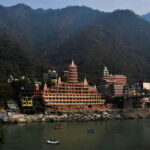
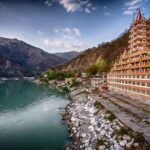
- Parmarth Niketan: the big, iconic ashram moment
- Sivananda Ashram: slower energy, real yoga focus
- Ganga Aarti by the sacred river: what makes it unforgettable
- The streets between temples: markets, artisans, and everyday Rishikesh
- Price and logistics: is $18 a fair deal?
- Who should book this ashram walk (and who should pause)
- FAQ
- FAQ
- How long is the guided ashram walk tour in Rishikesh?
- How much does the tour cost?
- Is this a private group tour?
- What languages will the guide speak?
- Does the tour include entrance fees to historical sites?
- Are drinks and food included?
- What should I bring?
- Is free cancellation available?
- Can I reserve and pay later?
- Should you book this ashram walk in Rishikesh?
Key highlights to look for
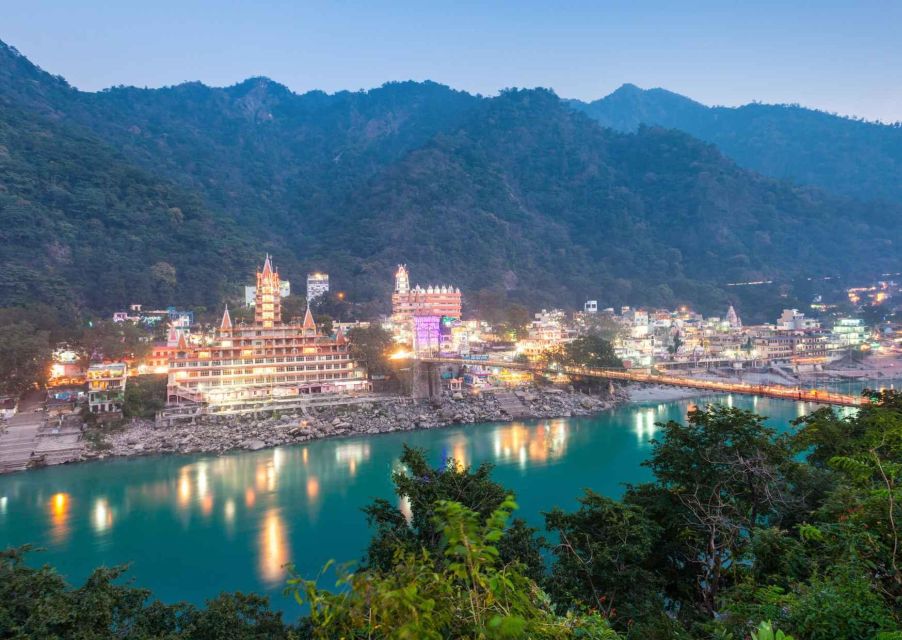
- Beatles Ashram stop: see the 1960s spiritual magnet everyone talks about
- Parmarth Niketan Niketan: one of Rishikesh’s best-known, most important ashrams
- Sivananda Ashram: a quieter counterpoint where yoga feels slower and more practical
- Ganga Aarti by the Ganga: the moment the river turns into a stage
- Street-level Rishikesh time: markets, street food stalls, and local artisans between temples
- English/Hindi guide: local storytelling that helps the words make sense
Rishikesh in two hours: the real spiritual hits
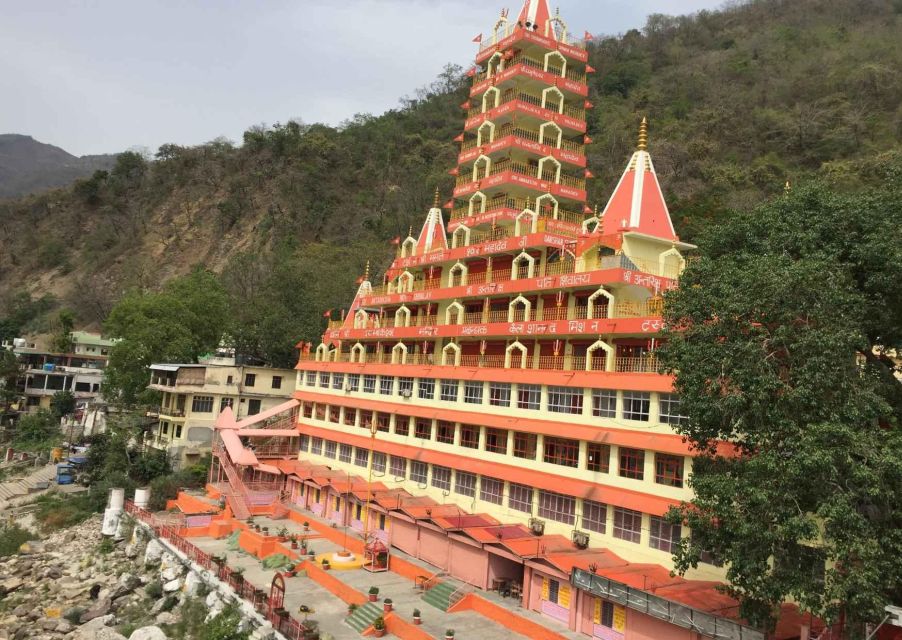
Rishikesh is often called the Yoga Capital of the World, and after you’ve walked a few lanes here, the nickname stops being marketing. The town is packed with ashrams, temples, and yoga-and-meditation centers. People come for calm, answers, and reinvention—and the energy is obvious even if you’re not doing a retreat.
This tour works because it focuses on recognizable anchors. You’ll visit major ashrams, then you’ll get one of Rishikesh’s most emotional rituals—Ganga Aarti—along the sacred river. The time window is short, so you’re not trying to conquer the whole city. You’re doing the smartest thing for first-timers: you’re sampling the spiritual “why” and “how,” then stepping into the atmosphere where it all comes alive.
You can also read our reviews of more walking tours in Rishikesh



Your local storyteller: how to get more than sightseeing

A good guide can make ashrams feel like breathing communities instead of buildings. In this experience, you’ll have a friendly local guide who speaks English and Hindi, and the whole approach is built around stories—how yogic traditions became part of everyday life in Rishikesh, and what people actually do here day to day.
Here’s how I’d use the guide time:
- Ask what life is like at each ashram you visit. Even a simple question like what people come to learn (yoga, meditation, rituals, chanting) helps you connect the dots.
- Pay attention to small differences. Ashrams can look similar from far away, but they often feel different in tone—some are louder, some are more meditative, some feel more like centers for teachers.
- If your English is strong, you’ll still benefit from key Hindi terms your guide uses for rituals and practice. Even a few words help you understand what you’re seeing during ceremonies.
A caution, based on real-world feedback you should take seriously: language quality can vary. If you’re very sensitive to wording or want lots of detailed explanations in English, I’d treat this as a “story-based intro” rather than a lecture.
Beatles Ashram: the spiritual roadside landmark
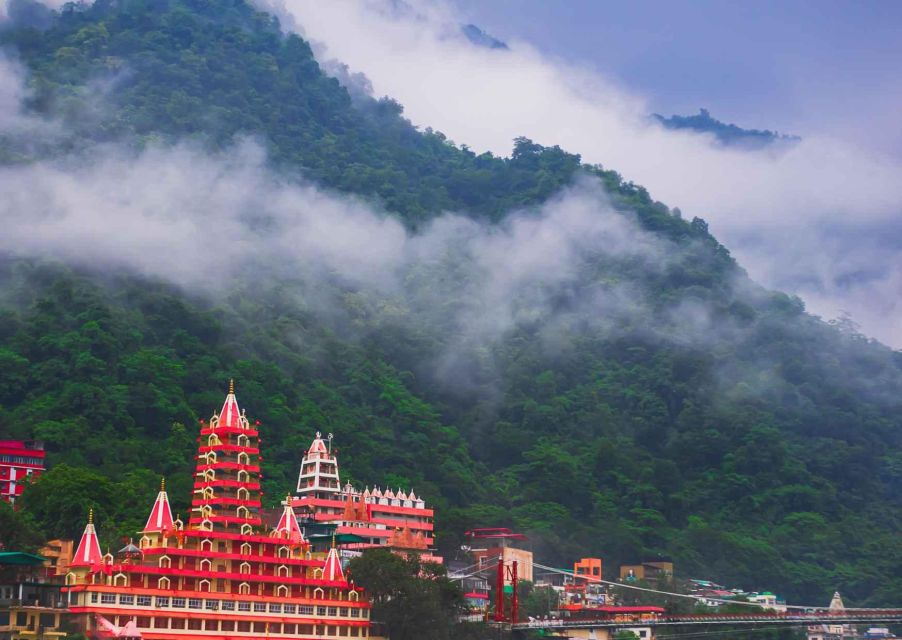
The Beatles Ashram (associated with the band’s 1960s spiritual interest) is the kind of place that makes Rishikesh feel global. Even if you don’t know the whole story, you’ll immediately sense what draws people in: the mix of simplicity, seekers, and the search for something beyond ordinary travel.
Why this stop matters on this kind of walk:
- It gives you a cultural shortcut. You’ll understand how Rishikesh became a magnet for people from outside India long before today’s yoga boom.
- It helps you interpret what you’ll see later. Once you get the “why foreigners came here” context, Parmarth and Sivananda make more sense as ongoing traditions, not just tourist attractions.
Practical note: entrance fees may apply. One clear issue that can come up is that payments at the Beatles Ashram aren’t always obvious upfront. I’d bring a little extra cash just in case, and assume you might need to cover entry yourself for certain sites.
Parmarth Niketan: the big, iconic ashram moment
Parmarth Niketan is one of India’s most revered spiritual centers, and it shows. This is the kind of place where you stop thinking of ashrams as “things you visit,” and start thinking of them as “places with rhythm.” You’ll see an atmosphere built for daily practice, community gatherings, and learning.
What to look for when you’re there:
- Notice the scale and flow of people. Big ashrams handle lots of movement, prayer, and routines.
- Watch how rituals and learning overlap. You’re not only touring rooms; you’re observing how spiritual life works as a system.
- Listen for your guide’s stories about traditions and how they’re followed now. The best moments aren’t the signs—they’re the explanations that connect the past to current life.
This is also where the guide’s role really pays off. When you understand what people are aiming to do here (yoga, meditation, devotion), the visit stops being a checklist. You’ll feel like you understand the purpose before you move on.
Sivananda Ashram: slower energy, real yoga focus
If Parmarth Niketan is your “major landmark,” the Sivananda Ashram stop adds balance. This is where Rishikesh feels more like a working yoga town and less like a sightseeing route.
Even without getting overly technical, you’ll likely notice:
- A calmer pace to the space
- A stronger sense of structured yoga culture
- A shift from spectacle to practice
The value here is that you’ll start comparing. After seeing a huge name center and then a more tranquil one, you’ll better understand why Rishikesh attracts so many types of seekers. Some people want intense learning. Some want quiet. Some want to sit, listen, and reset.
You can also read our reviews of more guided tours in Rishikesh




Ganga Aarti by the sacred river: what makes it unforgettable
The heart of the experience is seeing Ganga Aarti along the banks of the Ganga. This ceremony is one of those things that makes the word spiritual stop sounding abstract.
What I think you should focus on during the ceremony:
- Watch the coordination. Aarti is rhythmic and collective, not random.
- Look at the lighting and movement. The whole point is transformation—turning ritual objects into a shared focal moment.
- Try to notice how people behave. Even if you don’t understand every phrase, you’ll recognize reverence and attention.
Timing matters for this part. If your schedule is flexible, aim to be present early enough to get a comfortable spot and observe without rushing. If your day is tight, this is still doable in two hours—but you’ll want to stay mentally ready to switch from walking mode to ceremony mode quickly.
The streets between temples: markets, artisans, and everyday Rishikesh
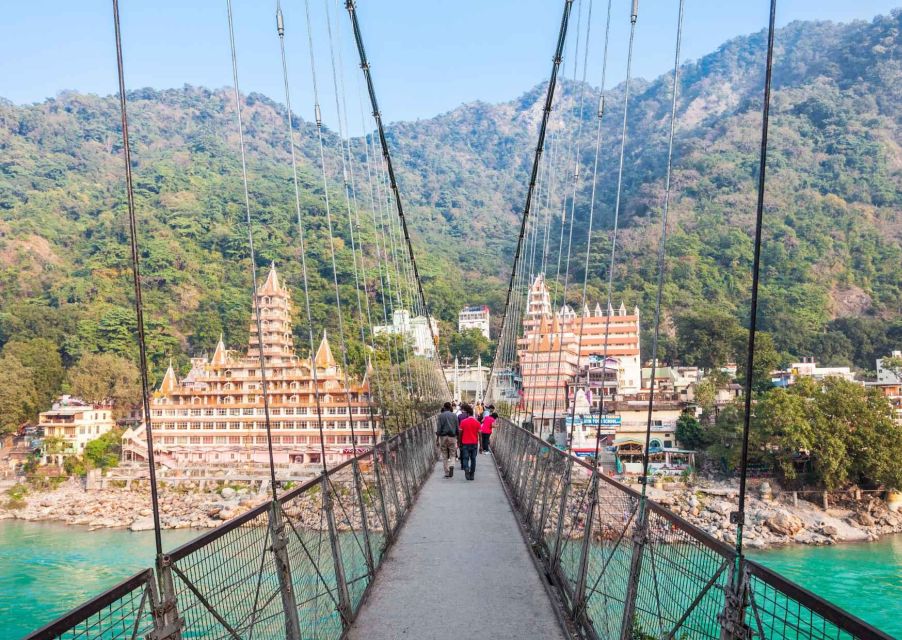
This tour doesn’t only run on sacred landmarks. You’ll also spend time on Rishikesh’s local streets—where you can see markets, street food stalls, and artisans’ work.
Why that’s important:
- It stops the city from feeling like a theme park.
- You get the full picture of why people stay. You can be spiritual here and still do normal human things: buy supplies, chat, eat, and browse.
Practical tip: wear comfortable shoes. Rishikesh lanes can be uneven and crowded, and you’re moving through multiple sites in a short time. Good footwear is what turns walking into enjoyment instead of irritation.
Also, this is one of those moments where you decide your vibe. If you want street snacks, keep it simple. If you prefer a cleaner meal, you’ll know fast where to step aside. Either way, having this time makes the tour feel like a real slice of town.
Price and logistics: is $18 a fair deal?
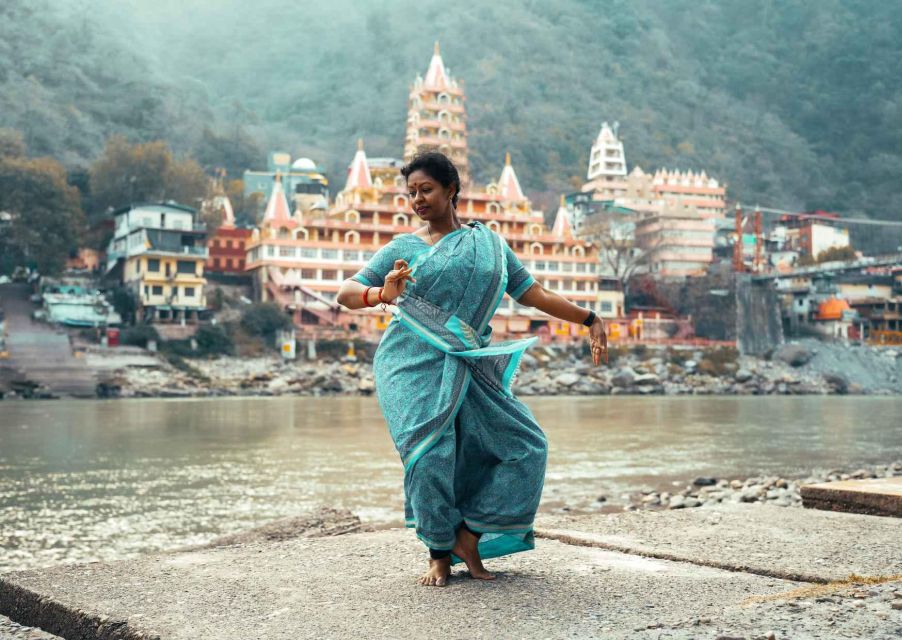
At $18 per person for about two hours, this tour sits in the “good value intro” category—especially if you’re new to Rishikesh and want a curated sense of the main spiritual highlights without doing everything solo.
What you’re getting for your money:
- A local guide who can explain what you’re seeing in English and Hindi
- Multiple major stops in a compressed timeline
- Private car transportation for a more comfortable jump between areas
Where value can wobble:
- Entrance fees are not included, and some sites (like the Beatles Ashram) may require extra payment.
- Food and drinks are not included beyond what’s explicitly mentioned, so don’t count on being fed.
- Group/private tours can run into coordination issues if your meeting point details aren’t confirmed—especially around festival days.
My practical recommendation: treat this as an efficient start to Rishikesh. If you’re the type who wants deep study or long quiet time inside one ashram, you’ll probably want a longer retreat-style visit later. But if you want a clear first taste with a guide telling you what it all means, this price can make sense.
Who should book this ashram walk (and who should pause)
Book this if:
- You want a first-timer orientation to ashrams and yoga culture in Rishikesh
- You like explanations with a human voice, not just signs and audio
- You want to end with Ganga Aarti and not spend your whole trip figuring out logistics
Consider pausing if:
- You’re very strict about perfect punctuality and exact meeting-point accuracy. Some travelers have had issues with last-minute cancellations or confusion about where the guide shows up.
- You require highly detailed English commentary throughout. One practical hiccup that can happen is that the guide’s English may not be strong enough for deeper explanation.
- You hate the idea of paying extra at any stop. Entrance fees can pop up depending on where you go.
A smart move: if you book, plan your day with buffer time around the start and the ceremony. Don’t stack another must-do right at the finish.
FAQ
FAQ
How long is the guided ashram walk tour in Rishikesh?
It lasts 2 hours.
How much does the tour cost?
The price listed is $18 per person.
Is this a private group tour?
Yes, it’s a private group experience.
What languages will the guide speak?
The guide can speak English and Hindi.
Does the tour include entrance fees to historical sites?
No. Entrance fees are not included.
Are drinks and food included?
Drinks and food other than what’s mentioned are not included, so you should plan to buy your own if needed.
What should I bring?
Bring comfortable shoes for walking.
Is free cancellation available?
Yes. You can cancel up to 24 hours in advance for a full refund.
Can I reserve and pay later?
Yes. You can reserve now and pay later, with no payment today.
Should you book this ashram walk in Rishikesh?
Yes, if you want a simple, efficient way to see the main ashrams—especially Parmarth Niketan—and you really care about witnessing Ganga Aarti with guidance. For $18, the mix of storytelling, key spiritual stops, and private car transport is a solid value for most first-time visitors.
But book with open eyes. Bring some extra cash for possible entrance fees, wear good shoes, and keep your schedule flexible enough to handle small changes. If you do that, you’ll walk away with a clearer sense of why Rishikesh draws people year after year.