REVIEW · RISHIKESH
Kedarkantha Trek (Dehradun to Dehradun)
Book on Viator →Operated by Kaushik's Cafe & Trek · Bookable on Viator
Cold air, big smiles, and real mountain life. This 5-day Kedarkantha trek is built around a guided route, with round-trip transfer from Dehradun and a tight plan that gets you to the base camps and up for sunrise. I especially like the human touch: Munraj bhaiya and Surendra bhaiya are patient, motivating, and the kind of guides who keep morale up on tough stretches.
You also get a very practical food set-up—all meals included, plus snacks—so you’re not constantly figuring out what to eat in the middle of the trail. One thing to consider: trekking gear like headlamp, trek poles, micro spikes, and more is only included when your group is big enough; if it’s small, you may need to pay extra (INR 700) to get it.
In This Review
- Key things to know before you go
- Kedarkantha Trek in 5 Days: the rhythm of snow-season mountain travel
- Day 1: Dehradun to Sankri with pine forests and real halt-time food
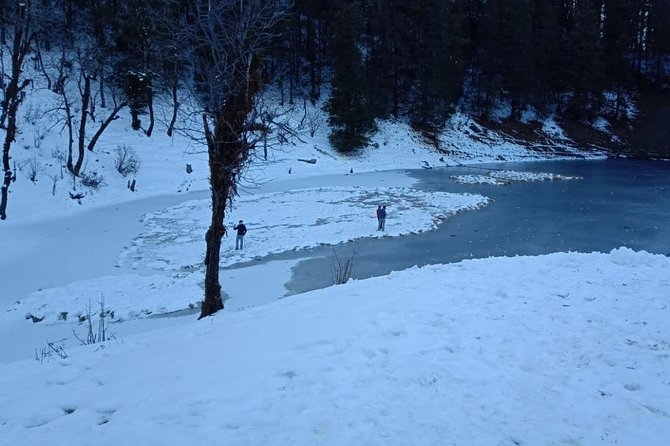
- Day 2: Into the national park zone and Juda ka Talab base camp
- Day 3: Talkahata base camp—shorter walk, bigger payoff
- Day 4: Sunrise summit on Kedarkantha, then hot lunch and the return to Sankri
- Day 5: Sankri to Dehradun, when the trail turns into the drive home
- Guides and group vibe: where this trek feels authentic
- Price and value: why $108.80 can make sense (or not)
- What to pack (and what to double-check) for Kedarkantha
- Who this trek fits best
- Should you book this Kedarkantha Trek?
- FAQ
- Where do I meet for the Kedarkantha trek from Dehradun?
- How long is the trek?
- What kind of stays are included?
- Are meals included in the trek price?
- Are round-trip transfers from Dehradun included?
- Do I need to bring trekking gear?
- What happens if weather is bad or I need to cancel?
Key things to know before you go
- Sunrise summit timing: Day 4 starts early so you can be on Kedarkantha for the best light.
- Two nights in tents + two in a homestay: You get both wilderness sleeping and a more settled night on return.
- Meals are handled: Lunches, dinners, breakfasts, and snacks are part of the trek price.
- Govind Pashu Vihar National Park area: One of the stops sits within the protected landscape.
- Small-group feel (max 25): Enough structure for safety, without feeling like a giant bus tour.
- Traction gear may cost extra: If fewer than 6 people travel, gear can be arranged for INR 700.
Kedarkantha Trek in 5 Days: the rhythm of snow-season mountain travel
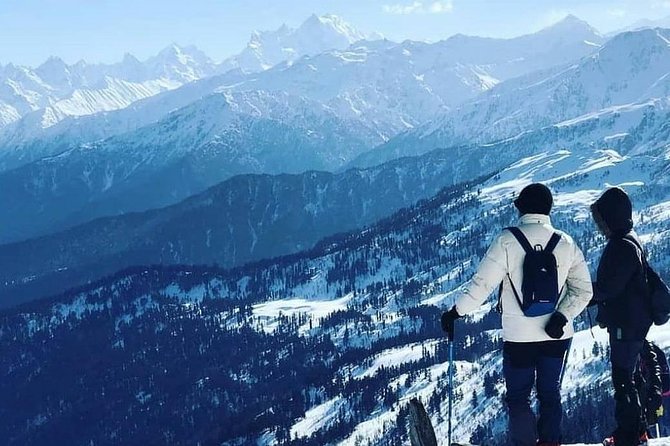
Kedarkantha is the kind of trek that rewards consistency. You don’t just “walk and hope.” You move in stages—travel day, base-camp days, a summit morning, then a slow wind-down back to Sankri and Dehradun. That structure matters because it helps you pace your energy and keeps the day-to-day effort manageable.
Also, the group size stays reasonable (maximum 25). That’s big enough for a lively atmosphere and practical support, but small enough that guides can actually notice who needs a breather.
You can also read our reviews of more hiking tours in Rishikesh
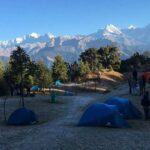
Day 1: Dehradun to Sankri with pine forests and real halt-time food
On the first day you cover about 200 kilometers from Dehradun to Sankri. It’s a long-ish travel segment through hills where you’ll pass views of mountains, rivers, and plenty of pine forest.
What I like here is that this isn’t a “drive straight through, see nothing” kind of day. You get that moving-window feel—then halt points where you can eat local-style meals like chicken bhaat or machhli bhaat.
Even if you’re fresh, treat day 1 like a warm-up. Your sleeping setup is coming soon, and your body will appreciate a slower pace and early rest.
Day 2: Into the national park zone and Juda ka Talab base camp
Day 2 turns travel into trekking. You head to the first base camp area—Juda ka Talab (JKT)—with an estimated 4 kilometers of walking (about 3–4 hours). This is the day where you start feeling the altitude and the rhythm of steps.
At arrival, you move into your tents and lodge off your bags, then take a breather with the surrounding area as your backdrop. A small but important note from the route style: don’t plan to sleep immediately on arrival. Use that time to get your bearings, drink water, and get comfortable before you settle in.
This is also the day you’ll likely see how your group dynamics work. With a guide team and helpers, you’ll find out fast who’s comfortable moving on their own pace—and you’ll learn quickly that the best trekkers don’t rush, they steady.
Day 3: Talkahata base camp—shorter walk, bigger payoff
Day 3 is a shorter trek segment on paper: about 3 kilometers to Kedarkantha Base Camp (Talkahata), estimated 2–3 hours. That shorter distance can feel like a relief, but it still counts. Snow-season routes often feel longer because traction, wind, and cold slow your legs down.
Once you reach camp, you lodge off your bags in the tents and get time to settle. This is a great day to do the “little things” that make the summit morning easier: check your layers, organize headlamp batteries if you’re carrying one, and keep snacks accessible. You don’t want summit day to turn into a gear hunt.
If you’re doing Kedarkantha as your first snow trek, this is where you adjust. The cold won’t just be in the air—it’ll show up in how your body moves. Warm-up breaks, steady breathing, and listening to your guide matter more than speed.
Day 4: Sunrise summit on Kedarkantha, then hot lunch and the return to Sankri
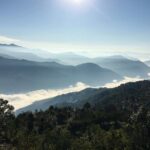
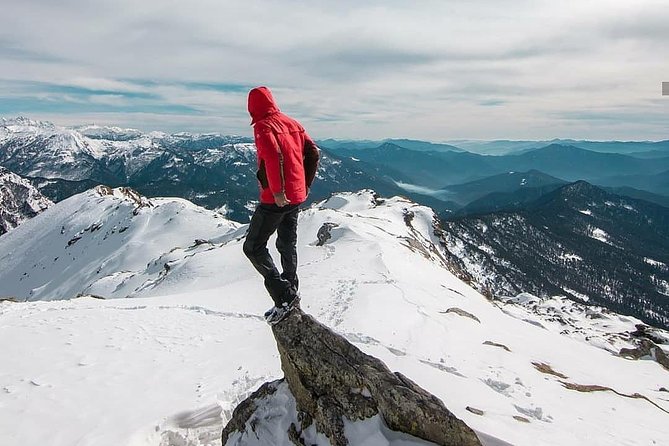
Day 4 is the reason people sign up. The trek starts early so you can witness sunrise, and the plan includes time at the top—about 30 minutes to an hour depending on weather.
Think of this as the trek’s “camera moment,” but don’t treat it like a photo-only stop. Cold air, wind, and altitude can make you feel slower, so staying too long can be uncomfortable. The route gives you enough time for photos and views, then you head back to warm up.
After the summit, you return to Kedarkantha Base Camp for hot lunch and a chance to relax. That matters. Many trekkers underestimate how much a warm meal helps recovery. It’s not just food—it’s your body getting back on track.
Then it’s back toward Sankri for the overnight homestay. That night is one of the quiet payoffs of the whole trek: fewer tent logistics, and a more settled feeling after the cold work of day 4.

Day 5: Sankri to Dehradun, when the trail turns into the drive home
Day 5 is mostly about finishing well. You head back to Dehradun and typically arrive between 2 and 6 pm depending on your departure from Sankri.
I like this timing because you still get a full morning and then a relaxed end-of-trip. It’s also the kind of finish that helps you transition back into normal life without feeling like your vacation ended before lunch.
Guides and group vibe: where this trek feels authentic
This trek’s best advantage isn’t just the mountain. It’s the way the trip runs as a team.
In the feedback I saw, guides came up again and again for patience and encouragement. People specifically praised Munraj bhaiya and Surendra bhaiya for helping trekkers step by step and staying calm when others needed motivation. Another guide name—Amit bhai—also showed up in connection with excellent food service and supportive energy.
That matters because Kedarkantha can be physically demanding, especially if it’s your first time in snow conditions. When the guide team handles pacing and morale well, your trek feels less like a personal battle and more like a shared effort.
Also, the vibe is described as authentic. That tends to mean the group eats simply, sleeps simply, and spends time outdoors doing the actual work—without turning the trek into a staged performance.
Price and value: why $108.80 can make sense (or not)
The price is listed at $108.80 per person, with group discounts and a mobile ticket.
On value, you’re getting a lot that would usually cost extra on its own:
- round-trip transfer from Dehradun
- two nights in tents and two nights in a homestay
- all meals included, plus snacks
- a guided plan with set days for base camps and summit timing
Where value can drop is the gear situation. If your group is under 6 people, items like headlamp, trek poles, micro spikes, gaiters, and a poncho/rainsuit can be excluded—and you may need to pay INR 700 for gear availability. If you already own the right traction and cold-weather basics, you’ll feel the value strongly. If you don’t, factor that possible extra cost into your budget.
Also remember: this experience requires good weather. If conditions turn bad, the trek may shift dates or be refunded according to the policy. So your plan should be flexible if possible.
What to pack (and what to double-check) for Kedarkantha
You’ll move through cold and snow conditions, and the trek expects you to handle that with traction and layering. The gear list that may be excluded if the group is small gives you a clear clue what the trek demands: headlamp, trek pole, micro spikes, gaiters, and a poncho/rainsuit, plus proper shoes.
Even if gear is available through the operator (depending on group size), I’d still sanity-check what you personally bring:
- A headlamp you trust for early starts
- Traction you’re comfortable using
- Warm layers that you can adjust quickly while climbing
- Something wind-proof enough for summit morning
If you’re not sure, your guide team is the right place to ask. Guides run these routes often and can help you avoid common mistakes like relying on the wrong footwear for snow grip.
Who this trek fits best
This is a strong match if you want:
- a guided itinerary with built-in pacing
- meals handled end-to-end
- a mix of tent camping and homestay comfort
- a first-time-friendly snow trek structure (especially since many people come for their first snow experience)
It’s also a reasonable fit if you have at least moderate physical fitness. The daily distances aren’t extreme, but the cold, wind, and uphill effort can make them feel bigger than numbers suggest.
If you hate group schedules and prefer total freedom, this style might feel restrictive. But if you like clear guidance and a predictable plan, that’s where the trek shines.
Should you book this Kedarkantha Trek?
Book it if you want a well-run, guided Kedarkantha experience with meals included, sensible day-by-day structure, and guides who actively help trekkers keep going—especially on summit day.
Skip it or re-check your plan if you don’t want to think about gear and snow traction logistics. That’s the one area where costs can shift depending on group size, and where being prepared matters most.
If you’re aiming for authentic mountain travel over “tour-bus convenience,” this trek has the right balance of comfort, support, and the kind of sunrise payoff that makes the whole trip feel worth the effort.
FAQ
Where do I meet for the Kedarkantha trek from Dehradun?
The meeting point is Prince Chowk, Dehradun, Uttarakhand 248001, India. The listed opening hours for this activity are Monday–Sunday, 6:00 AM–8:30 AM.
How long is the trek?
The duration is about 5 days.
What kind of stays are included?
You’ll have two nights in a tent and two nights in a homestay.
Are meals included in the trek price?
Yes. All meals are included, including breakfast, lunch, dinner, and snacks (with the exact count reflected in the included items).
Are round-trip transfers from Dehradun included?
Yes. Round-trip transfers from Dehradun are included.
Do I need to bring trekking gear?
Trekking gear like headlamp, trek pole, shoes, micro spikes, gaiters, and a poncho/rainsuit is excluded if the group has fewer than 6 people. In that case, gear may be made available for an additional INR 700.
What happens if weather is bad or I need to cancel?
The trek requires good weather. If it’s canceled due to poor weather, you’ll be offered a different date or a full refund. For cancellations, you can cancel up to 6 days in advance for a full refund, with partial refund options available closer to the start date.