REVIEW · RISHIKESH
Rishikesh: White-Water Rafting Trip for All Levels
Book on GetYourGuide →Operated by INBOUND ADVENTURE TOURS · Bookable on GetYourGuide
Rishikesh rafting hits fast and hard. What makes this trip especially fun is you can pick a route that matches your comfort level, then still get real river action, not a watered-down demo. I love the way the options ladder up in challenge, and I love the safety-first setup (including a safety team and kayak on the more demanding runs). One thing to consider: you must be able to swim, and the longer options require more fitness than most people expect.
Meeting at Brahmpuri near Neelkanth bridge keeps things simple, and the routes thread through the spiritual side of Rishikesh—temples, ashrams, and iconic bridges—while you’re getting your adrenaline fix. The only potential drawback for some people is practical: towel and food/drinks aren’t included, so you’ll want a plan before you jump in your raft.
In This Review
- Key highlights worth aiming for
- Rishikesh white-water rafting: how the route choices really work
- Where you meet, what’s included, and what you’ll need
- Beginner-friendly rafting: Phool Chatti to NIM Beach (6 km, 45 minutes to 1 hour)
- Temples, bridges, and optional body surfing: Brahmpuri to Ramjhula (9 km, Class I–II)
- Shivpuri to NIM Beach (16 km): Class III+ energy, body surfing, and cliff jumping
- Marine Drive to NIM Beach (24 km, 3–4 hours): multiple Class III rapids plus a long body surfing section
- Kaudiyala to NIM Beach (34 km, 5–6 hours): advanced rapids and The Wall Grade IV
- Safety on the water: why the boat captain and safety kayak matter
- The Rishikesh sights you’ll pass while focusing on rapids
- Who should pick which route (and who should skip rafting)
- Price and value: how $7 changes the decision
- Should you book this Rishikesh rafting trip?
- FAQ
- How long is the rafting trip?
- What rapids and difficulty levels are available?
- Is transportation included?
- Do I need to swim?
- What should I bring, and is food included?
- Is the instruction available in English?
Key highlights worth aiming for
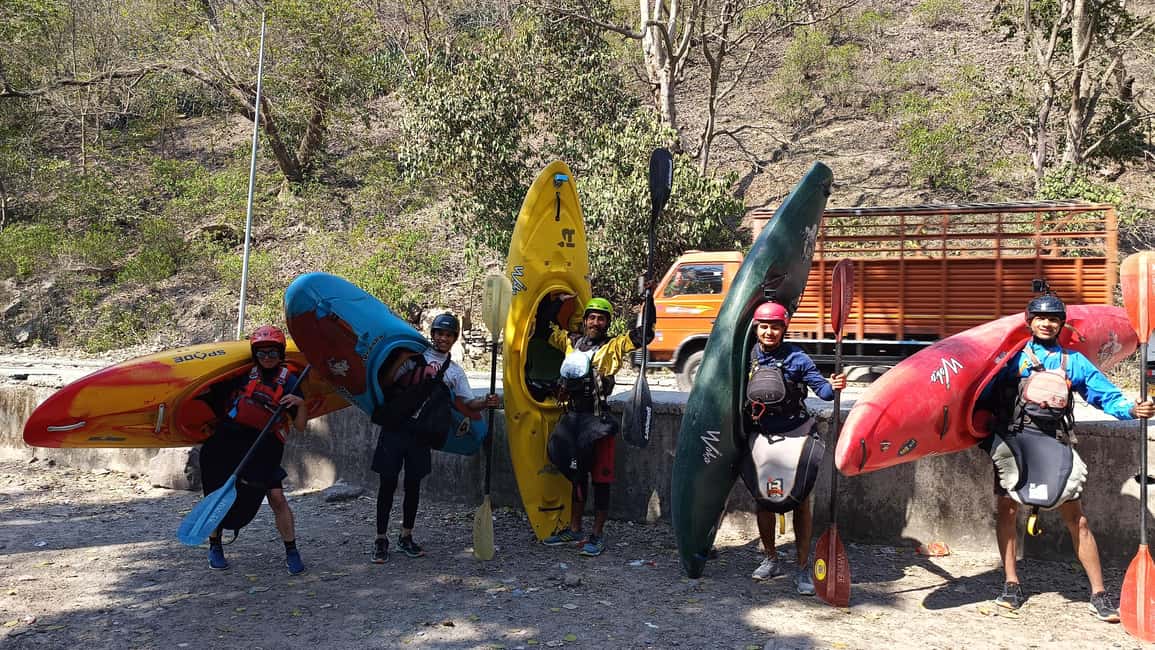
- Pick your level with five distinct rafting stretches, from a short beginner run to advanced Grade IV
- Real time on the water (45 minutes to 6 hours), not just a token ride
- Body surfing and cliff jumping are part of the more energetic options
- Safety kayak support on the tougher routes, so rescues are faster when seconds matter
- Named rapids on the easy runs and the long Class III route, so you know what you’re tackling
- English-speaking instruction in a small group for easier communication
Rishikesh white-water rafting: how the route choices really work
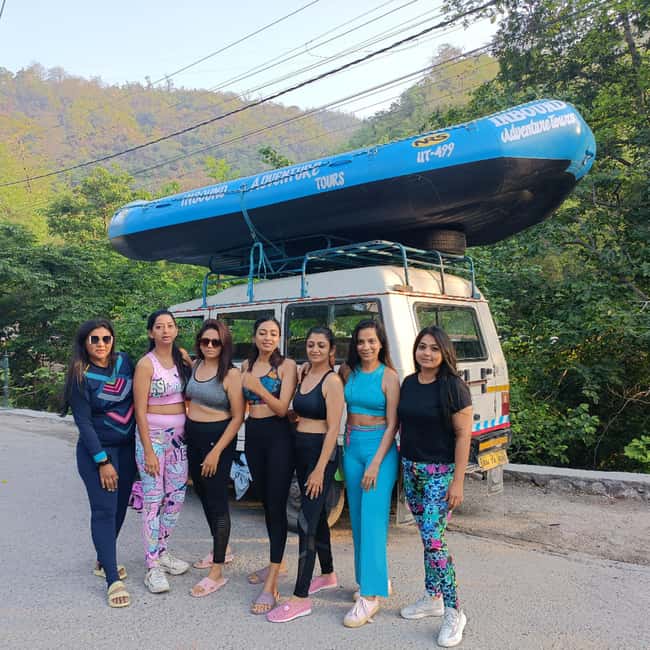
Rishikesh is one of those places where you’ll hear people say they did rafting, and you can instantly tell if they matched the right route to their ability. This experience is built to solve that problem. You don’t just get one fixed trip. You choose among five options based on age, fitness, and how comfortable you are with bigger rapids.
The helpful part is that each route doesn’t just change distance—it changes the kind of rafting. The beginner options focus on easy-to-moderate Class I and II rapids, with playful moments like body surfing. The mid-range routes add longer time on the river and more Class III+ energy, plus extra water play like cliff jumps on at least one option. The advanced route is where things turn serious with the Grade IV rapid called The Wall.
If you like clarity, you’ll appreciate how the stretches are described by kilometers and typical rapid classes. It makes it easier to self-select rather than guessing.
You can also read our reviews of more tours and experiences in Rishikesh.
Where you meet, what’s included, and what you’ll need
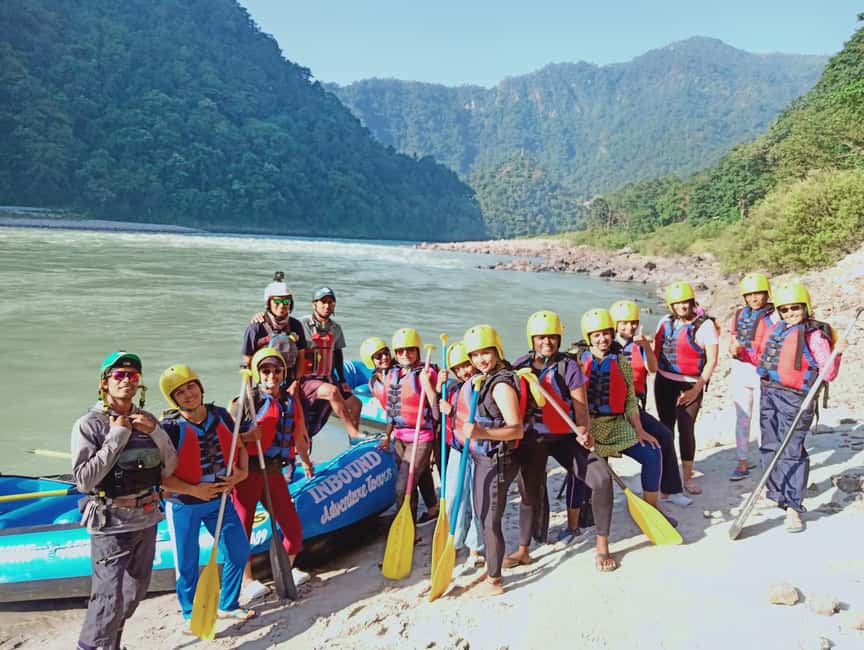
You meet at the operator’s office in Brahmpuri near Neelkanth bridge. The listed address is on NH 58 near Tapovan Aamkhala (Hotel Aloha Road Tapovan Aamkhala, opposite the Tapovan power sub station area). From there, transportation is included along with the safety team, equipment, and the rafting trip itself.
Two practical notes you’ll want to plan around:
- Bring a change of clothes. You will get wet.
- Towel, food, and drinks are not included. Pack accordingly so you’re not hunting for basics right after rafting.
You’re also asked to bring biodegradable sunscreen and cash. And you’ll want to avoid bringing anything restricted: professional cameras, alcohol/drugs, and baby strollers/carriages.
One more key point: the instructor is English, and the format is a small group, which tends to make safety briefings and on-boat communication easier.
Beginner-friendly rafting: Phool Chatti to NIM Beach (6 km, 45 minutes to 1 hour)
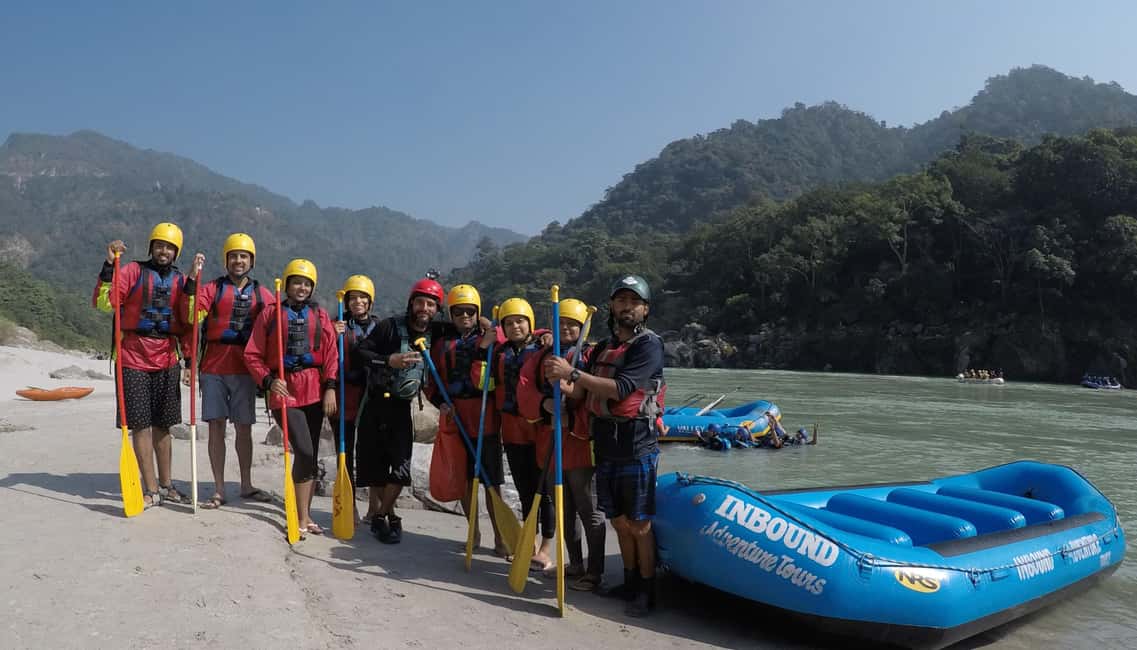
If you’re new to rafting—or you’re bringing children who can handle the water day—this is the easiest entry point. The Phool Chatti to NIM Beach run is listed as about 45 minutes to 1 hour over a 6 km stretch.
You’ll ride through easy Class I and II rapids, including named sections like Club House, Cash Flow, Jail No Bail, and Double Trouble. Even if you’re just learning the rhythm of paddling and the feel of the raft moving over waves, the listed rapid names help you mentally track what’s happening without feeling totally lost.
Two details to keep in mind:
- Kids must be at least 8 years old for this route, but the activity’s overall limits also say children under 12 aren’t suitable. So if you’re traveling with a child, confirm which rule your specific booking will follow.
- This route is short, so you’ll get the fun fast—but you won’t have the long “still thinking about it later” feeling that comes from spending more time downriver.
Still, for families, first-timers, or anyone who wants a safe thrill without a long commitment, this one is a strong fit.
Temples, bridges, and optional body surfing: Brahmpuri to Ramjhula (9 km, Class I–II)
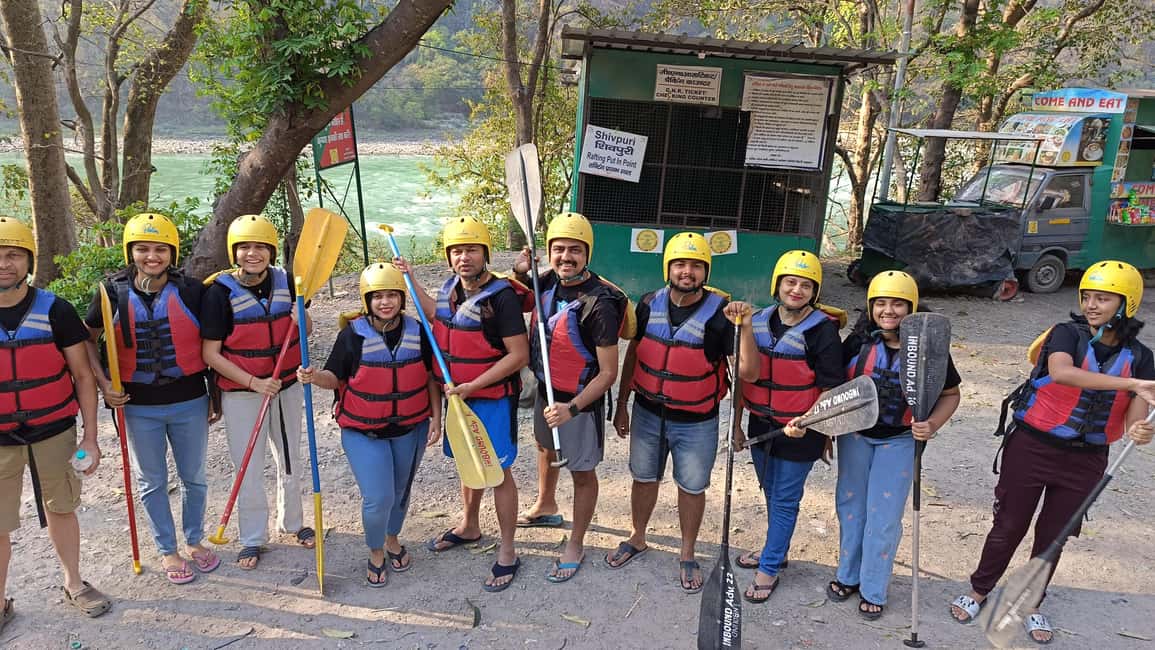
This route is a sweet spot if you want a bit more time on the water while staying in the gentle-to-moderate zone. The Brahmpuri to Ramjhula option is a 9 km stretch, still built around Class I and II rapids.
You’ll meet at the office, then head to the start of the rafting. Once you’re on the river, you’ll pass rapids such as Jail No Bail, Double Trouble, and Hill Turn. What I like about this route description is that it includes optional fun: you can jump off the raft for a swim or try body surfing if you feel up to it.
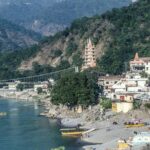
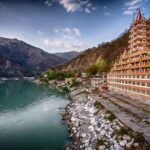
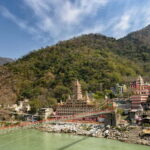
As you go, you’ll also pass sights tied to Rishikesh’s identity—temples, ashrams, and the famous Ram and Laxman Jhula bridges. That matters more than it sounds. When you’re rafting, you’re usually focused on water and commands; having recognizable landmarks makes the whole day feel grounded, not just chaotic splashing.
Best use case: you want beginner-level rapids, but you also want a more “Rishikesh in motion” experience.
Shivpuri to NIM Beach (16 km): Class III+ energy, body surfing, and cliff jumping
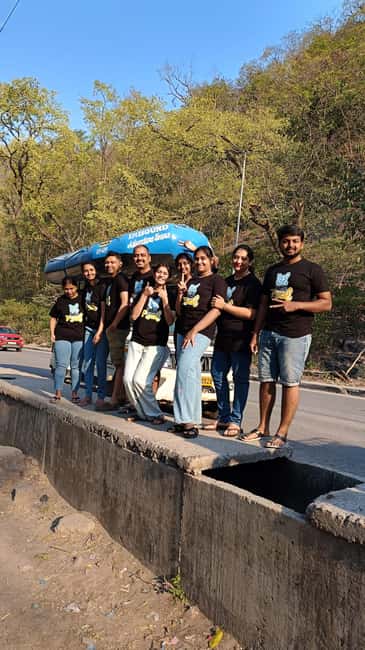
Once you step up to Shivpuri to NIM Beach, you’re trading short sessions for real time on the river. It’s listed as 16 km, typically a 2–3 hour rafting trip through Class III+ rapids.
The description calls out:
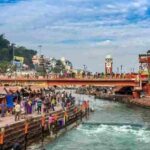
- passing ashrams and ghats
- body surfing
- cliff jumping (where available/allowed during the run)
- and running with a safety kayak for river rescue
This is also the route with a clearly stated age-and-fitness window: age 14–55. It’s not just about age. Class III+ means you need to handle stronger currents and more intense water movements. Even if you’re excited, you’ll want to be honest about fitness and comfort.
One more thing you’ll appreciate: the route includes a safety kayak, which is exactly what you want when the river starts demanding quicker decisions. It’s also a good sign that the operator expects more than “sit back and hope.”
If you’re reasonably fit, can swim, and want the trip to feel like an actual rafting adventure instead of a quick taste, this is the one to choose.



Marine Drive to NIM Beach (24 km, 3–4 hours): multiple Class III rapids plus a long body surfing section
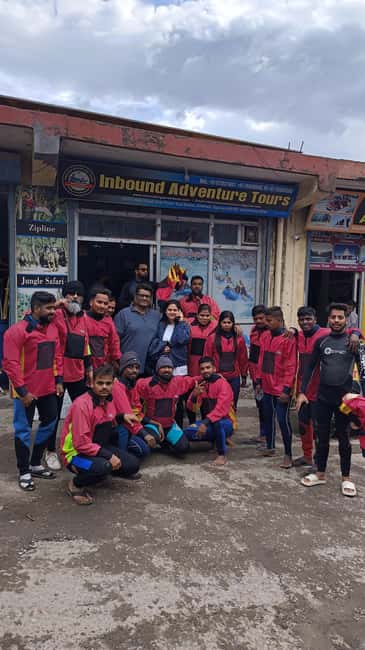
This is where the trip becomes more of a workout and less of a sampler. The Marine Drive to NIM Beach option runs about 24 km and takes 3–4 hours.
You’ll encounter multiple Class III rapids, with named sections including Black Money, Three Blind Mice, Cross Fire, Body Surfing Rapid, Camel’s Back, and Return to Sender. The list reads like a highlights reel because it’s meant to signal sustained action—not one or two big moments.
The description also emphasizes a long body surfing section. That’s the kind of activity you either get excited about or decide to skip halfway through. If you know you enjoy being in the water and you’re comfortable with the feeling of being pushed by the current, this will feel like a win. If not, focus on staying calm, listening to instructions, and letting the raft team do their job.
This route is for people with the stamina to handle longer time in transit and on-water intensity. If your goal is maximum time rafting in a single day (without going straight to advanced Grade IV), this is one of the best choices.
Kaudiyala to NIM Beach (34 km, 5–6 hours): advanced rapids and The Wall Grade IV
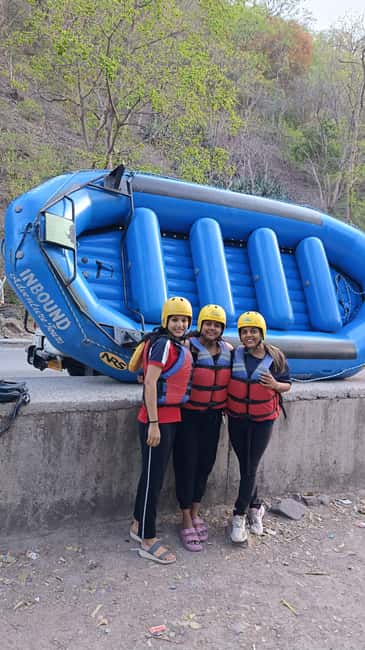
The advanced option is Kaudiyala to NIM Beach, listed as a 34 km stretch and a 5–6 hour high-energy run. It’s recommended for advanced rafters ages 20–45.
Here’s the headline: it includes a Grade IV rapid, The Wall. The description also notes this is the longest stretch of rafting people do near Rishikesh, and it includes many additional Class II and III rapids.
This is the route that demands strength and high physical fitness. The main reason to choose it is also the main reason it’s not for everyone: you’ll be working harder for longer, and you’re tackling at least one of the toughest sections listed.
If you’re considering this, choose it only if you’re already comfortable with intensity and you can handle long hours on moving water. Don’t treat it like a dare. The river doesn’t negotiate.
Safety on the water: why the boat captain and safety kayak matter
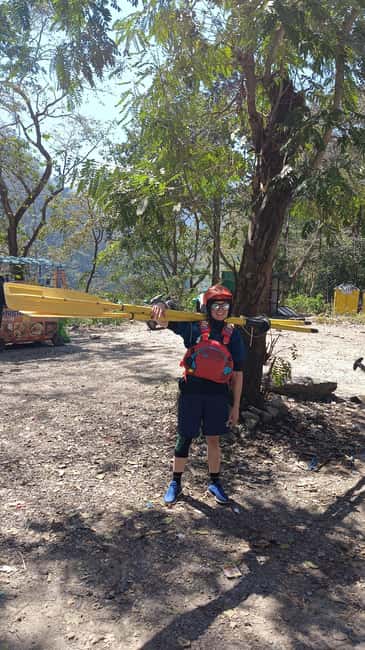
Rafting safety is one of those things you can’t fully appreciate until you see it in action. The strongest sign here is that the operator doesn’t treat safety as a checkbox. For the more demanding routes, the plan includes a safety kayak in case of river rescue.
From what I’ve learned about how this team runs trips, there’s a practical approach: the captain leads the boat action, and the safety kayak expert focuses on rescue readiness. Names you’ll hear include Abli, the boat captain, and Kuli, the safety kayak expert. Both roles point to a setup where one person’s job is steering the group through rapids while another prepares for quick response if someone goes overboard.
You should also expect standard safety behavior based on the rules:
- you must be able to swim
- you should follow instructions about when to move, when to brace, and when you’re allowed to jump or body surf
- alcohol and drugs are not allowed
One more key detail: because parts of the rafting include optional water play (swims, body surfing, cliff jumping on certain routes), your comfort with being in the water becomes part of the safety equation. If you’re unsure, start with an easier route and build up.
The Rishikesh sights you’ll pass while focusing on rapids
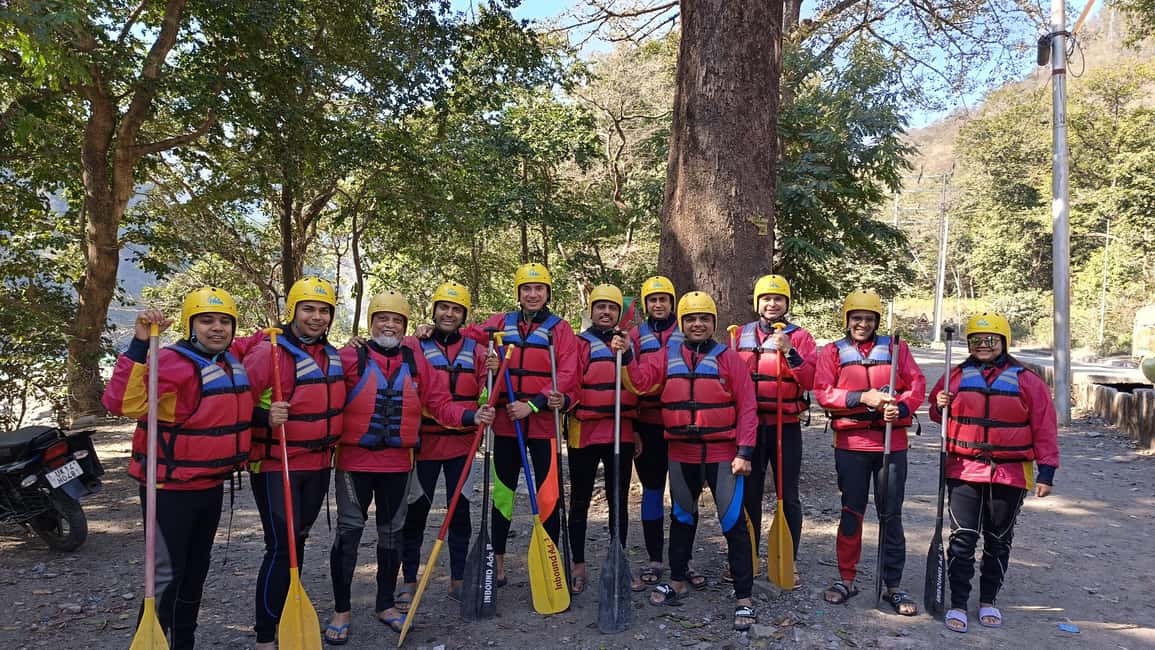
What I like about these routes is they don’t feel like you’re rafting in a blank channel. You’ll pass real, recognizable places as the river carries you along.
Depending on the route, the description includes:
- temples and ashrams
- ghats
- the iconic Ram and Laxman Jhula bridges
This matters because it adds variety to your attention. Rapids demand focus, but when you catch a landmark between bursts of action, it helps you feel oriented. That turns the day from just physical adrenaline into a more complete sense of place.
Even on beginner-friendly runs where the rapids are easier, the passing landmarks make it more interesting than a simple boat ride.
Who should pick which route (and who should skip rafting)
This rafting experience lists clear limits, and I’m glad they’re explicit. The activity is not suitable for:
- children under 12 (even though one beginner route mentions 8+ for kids on that specific stretch—so confirm requirements for your booking)
- pregnant women
- people with heart problems
- wheelchair users
- people with respiratory issues
- people with epilepsy
- people over 60
- people with recent surgeries
You also must be able to swim.
If any of those apply to you, don’t try to “tough it out.” Rapids add physical stress quickly, and safety considerations are different than a casual day on a river.
As for choosing routes:
- Choose Phool Chatti to NIM Beach if you want the easiest entry point and a short duration.
- Choose Brahmpuri to Ramjhula if you want beginner-friendly rapids plus optional swim/body surfing and more time.
- Choose Shivpuri to NIM Beach if you’re fit, age-eligible, and want Class III+ with cliff jumping and body surfing.
- Choose Marine Drive to NIM Beach for a longer Class III day with a named-rapid focus and a long body surfing section.
- Choose Kaudiyala to NIM Beach only if you’re truly advanced and ready for Grade IV The Wall over 5–6 hours.
Price and value: how $7 changes the decision
The listed price is $7 per person, with a range of duration from 1 to 6 hours depending on the route you pick. For what’s included—transportation, safety team, equipment, and the rafting trip—this is extremely good value compared to many adventure activities where you often pay more for shorter time and less support.
The real question isn’t just cost. It’s whether you’re matching the route to your level so you actually enjoy it. A bargain on the wrong route is still a bad day. So think of the price as giving you options: you can start easy, or you can spend more time on the water if you’re ready.
Also, since food/drinks and a towel aren’t included, budget a little extra for essentials. That still won’t erase the value, but it keeps the day smooth.
Should you book this Rishikesh rafting trip?
Book it if you want a real rafting day in Rishikesh, and you like the idea of choosing between beginner, intermediate, and advanced stretches. The combination of level-appropriate routes and safety support is exactly how you maximize fun while reducing guesswork.
Skip it if you can’t swim, fall into the listed health restrictions, or you’re not ready for the physical reality of longer Class III+ options. And if you’re bringing kids, double-check the age requirement for the specific route you choose.
If you do book, I’d choose based on your comfort first: start with the route that makes you feel in control, not the route that sounds toughest.
FAQ
How long is the rafting trip?
The rafting options range from about 45 minutes to 6 hours, depending on the route you choose.
What rapids and difficulty levels are available?
There are five options, including Class I–II rapids for beginners and families, Class III+ for intermediate options, and an advanced stretch with a Grade IV rapid (The Wall).
Is transportation included?
Yes. Transportation for white-water rafting is included.
Do I need to swim?
Yes. The activity states that you must be able to swim to take part.
What should I bring, and is food included?
Bring a change of clothes, biodegradable sunscreen, and cash. Towel, food, and drinks are not included.
Is the instruction available in English?
Yes. The instructor is listed as English, and the experience is described as a small group.