Naag Tibba can feel close enough to touch. In two days you hike with an expert trek leader, sleep at a base-camp, and you’re not left to figure out the route on your own. You’ll also pass small Himalayan villages like Pantwari while meals and camping gear handle most of the heavy lifting for you.
What I like most is the practical setup: tents, sleeping/camping equipment, and technical gear are included, plus a team of guides, cooks, helpers, and porters/mules to keep things moving. I also appreciate that you get real support on the climb and descent—people hike more comfortably when they aren’t constantly checking the map.
One drawback to plan for: after the mountain portion, you’re transferring onward toward Mussoorie, but stay and food in Mussoorie (and during transit) aren’t included. Pack your budget accordingly, because the trek package mainly covers the trek and camp days.
In This Review
- Key things to know before you go
- Naag Tibba in Two Days: what you’re really signing up for
- Getting to the start: Yeti Outdoors and the Pantwari connection
- Day 1 from Pantwari to base camp: the “find your rhythm” hike
- Nag Tibba summit morning: early start, big payoff, timed return
- Camping setup and meals: why you’ll feel better than you expect
- Safety and logistics: how the staff makes the trek easier
- Price and value: is $53.93 actually a bargain?
- What this trek feels like in real life: the pacing, the views, the village feel
- Who should book this Naag Tibba trek (and who should reconsider)
- Should you book this Naag Tibba trek with Yeti Outdoors?
- FAQ
- What does the trek price include?
- How long is the Naag Tibba trek?
- Where does the trek start and end?
- Is pickup provided?
- Is this a private tour?
- What happens if the weather isn’t good?
- Are service animals allowed?
Key things to know before you go
- Pantwari start, gradual day-one hike: about 3 hours to reach the base-camp area, not a sudden “go now” climb.
- Summit morning starts early: you’ll leave before day gets fully underway to reach Nag Tibba and return by lunch.
- Camping is handled for you: tents, camping gear, and technical equipment rental are included.
- Meals keep the day simple: breakfast, lunch (2), dinner are part of the package, so you’re not hunting for food on the trail.
- Private by default: it’s described as a private tour/activity, so your group stays together rather than blending into strangers.
- Support staff beyond just the guide: guides, cooks, helpers, and porters/mules are included to reduce your load.
Naag Tibba in Two Days: what you’re really signing up for
This is a short trek with a clear goal: get to Nag Tibba, enjoy the summit views, and come back safely without spending your time micromanaging gear and route decisions. The big value here is the balance between effort and support. You hike, you see the mountain country up close, and you still get meals and camp setup handled.
The trek is based around Pantwari, then you move through forested trails up to the summit, with a base-camp camping night. You’re traveling with an expert trek leader plus a full team that covers the practical stuff—cooking, carrying load, and keeping group logistics smooth. When you’re in the Himalaya, that matters. The terrain can be beautiful and forgiving on the first day, and then turn more demanding once you’re climbing for the summit.
You’re also not just paying for “the hike.” You’re paying for permits, camping equipment, technical equipment rental, and the staffed camp experience. That’s why this feels like good value compared to trying to stitch together your own trek plan.
You can also read our reviews of more hiking tours in Rishikesh
Getting to the start: Yeti Outdoors and the Pantwari connection
The trek starts at Yeti Outdoors. The activity runs within set operating hours (8:00 AM to 4:00 PM, Monday through Sunday). Pickup is offered, which is a relief if you don’t want to coordinate your own point-to-point transport to the starting area.
One practical point: the listing says private transportation is not included. In real life, that can mean pickup exists but it may not cover every possible leg how you’d expect. So when you book, it’s worth clarifying what “pickup offered” means for you: pick-up from your hotel versus a set meeting point transfer, and whether any private cab costs are separate.
Once you’re on the way, you’ll reach the area near Pantwari, where the walking starts. Pantwari is more than a convenient staging village. It’s a human start to the trek. That matters because you get an immediate sense of place—Himalayan village life instead of starting only in a parking lot.
Day 1 from Pantwari to base camp: the “find your rhythm” hike
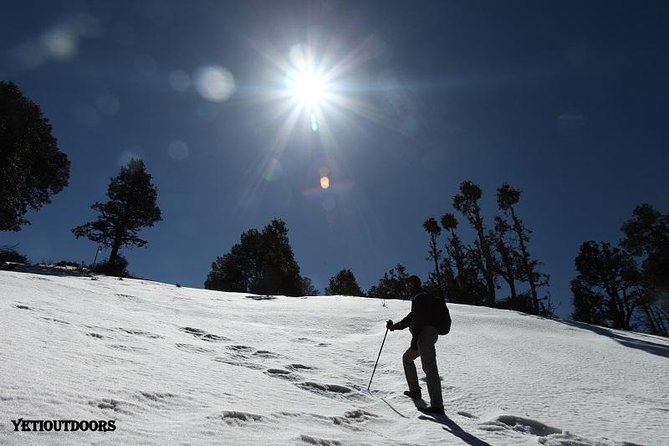
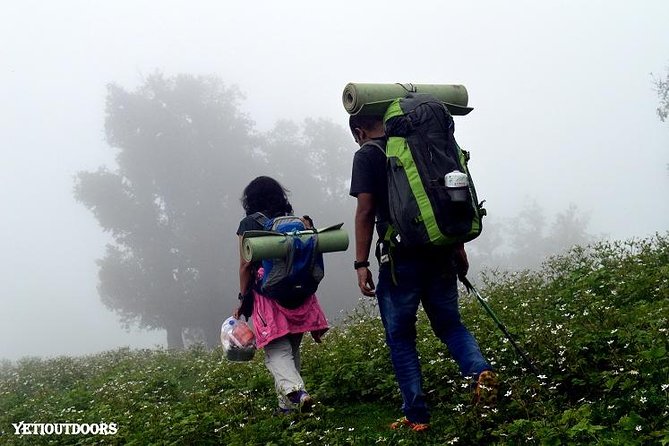
Day 1 is built for pacing. The walk starts from Pantwari to the base of the mountain with a gradual trek of about 3 hours. That’s a sweet spot for many people: long enough to feel like you’re actually trekking, not so long that you arrive exhausted before the overnight part.
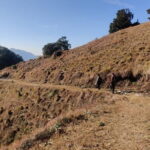
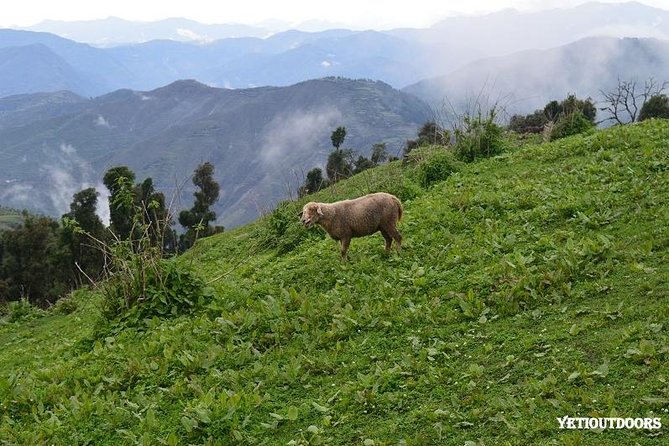
Along this early stage, the trail typically moves through forested sections. In past experiences with this region, people have highlighted stretches through oak and rhododendron woods and then openings into meadows as the hike continues. I like this kind of first-day variety because your legs adapt while your eyes stay interested.
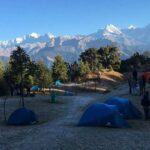
By the end of the day, you camp at the base. That’s a calm moment. The listing says the evening is free to explore the forest. You’re not required to cram in extra activities, which is good because camping nights need downtime: you’ll settle in, eat dinner, and let the next day feel manageable.
Practical tip: treat day one like a warm-up, not a sprint. If you keep your effort steady, summit day becomes much less stressful. You’ll also be dealing with an early start the next morning, so your body will thank you.
Nag Tibba summit morning: early start, big payoff, timed return
Day 2 starts early. You head out in the morning to reach Nag Tibba, then you return to the camp area by lunch. The timing is important: you’re not doing an all-day grind with no structure. You’ll have a summit goal, an estimated rhythm, and a turnaround point.
What I’d focus on here is the “go early” part. On Himalayan treks, early mornings often mean better visibility and more consistent trail conditions. It also means you’ll feel the climb differently: cooler air, calmer footing, and less harsh sun.
Once you reach the top and admire the summit, you hike back down to camp by lunch. Then you break again. After lunch, the plan is to move back toward Pantwari and then start your journey onward toward Mussoorie.
From a comfort perspective, the “summit then back by lunch” format helps reduce the mental load. You’re not constantly wondering whether today will stretch into the late afternoon. And it’s friendly for groups, because the whole itinerary stays predictable.
A note on what guides add: in past outings with this trek operator, I’ve seen guide names like Manish come up for the trek leader role, with support from people such as Ashish or Rishabh. If your group gets that kind of team, you’re likely in for more than route directions—you’ll get help staying confident on the trail and managing the summit push.
Camping setup and meals: why you’ll feel better than you expect
The camp experience is a core part of the value. This trek includes tents and use of all camping equipment, plus technical and common equipment rental (the listing mentions tents and technical gear). It’s not just “you can camp if you want.” Someone provides the setup, and you aren’t expected to arrive with specialized gear.
Also included: breakfast and dinner, plus lunch (2). That means you can keep your energy stable on both days without counting on finding food sources along the way.
This kind of meal planning does two things:
- It saves time and stress.
- It helps you hike smarter.
On summit day, the biggest mistake many people make is going into the climb under-fueled. When you’re provided breakfast and then lunch on schedule after the summit, your body gets what it needs in the right rhythm.
One extra detail from real experiences in this region: people have mentioned chai during the trip, along with good food while traveling. It’s not something you should assume every day, but it matches the overall “comfort-first” feel that the package is built around.
Practical camp-life note: you’ll be outdoors overnight. Even with good equipment, you’ll still want layers. Early morning means cooler temperatures, and base camps can feel chilly after sunset.
Safety and logistics: how the staff makes the trek easier
The trek is positioned as a safe hiking experience with an expert trek leader. The listing also states that the trek leader is qualified in basic/advanced mountaineering courses. That gives you a real anchor for safety and pacing, especially if you’re not an experienced trekker.
But the real safety win is the support structure. Along with the trek leader, you get guides, cooks, and helpers, plus porters/mules. That usually means less hauling on your back and fewer points where things can get messy.
In practical terms, porters/mules and a cooking team allow you to focus on hiking rather than juggling supplies. It also means camp setup can happen efficiently once you reach the base.
Another small but meaningful detail: the listing includes permits. Permits sound boring, but they’re part of responsible access in the mountains. It also reduces the “guess-and-go” factor for your group.
Finally, it’s described as a private tour/activity. That’s worth thinking about. A private setup can be calming because your group isn’t pulled into a different pace or route conversation with strangers.
Price and value: is $53.93 actually a bargain?
At $53.93 per person, this trek is priced in the “budget-friendly but not bare-bones” category. The reason it can work financially is that so much is included: meals, permits, tent/camping equipment rental, technical gear, and a staffed team with guides and helpers.
Let’s compare the essentials you’d otherwise need:
- A guide and leadership support
- Camping gear rental and setup
- Meals across the trekking days
- Permits and technical equipment
- Additional staff for camp and carrying load
If you try to DIY all of that near the mountains, the costs add up quickly. Here, you’re paying for a system. That’s why the price feels reasonable rather than suspiciously cheap.
What isn’t included is also clear. Private transportation isn’t included, and stay/food in Mussoorie and food during transit aren’t included. So think of this as covering the trek and camp experience, not your whole two-day travel life.
One more planning detail: the average booking window is about 54 days in advance. That suggests this trek can fill up or planning slots matter. Booking earlier usually gives you more choice in dates.
What this trek feels like in real life: the pacing, the views, the village feel
The overall vibe is: short hike, real mountain day, then camp night. You won’t spend weeks acclimatizing or trekking long distances, but you’ll get enough time outdoors to feel the difference between village trails and summit country.
Day 1 begins in Pantwari and walks toward the mountain base at a gradual pace. Day 1 is about settling into the trail, noticing the forest, and arriving at camp without turning it into a survival mission.
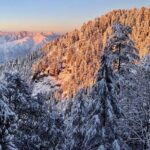
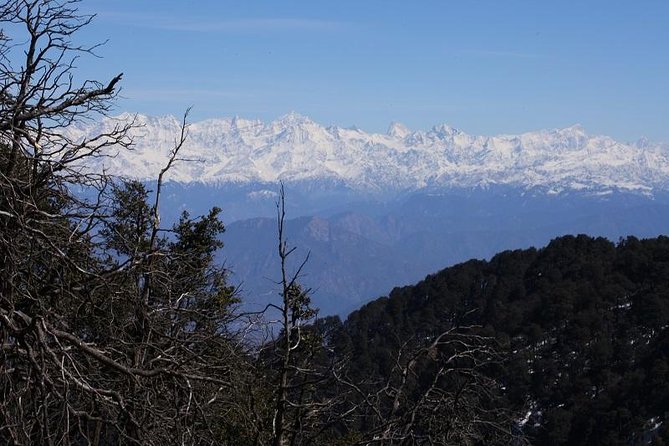
Day 2 is the contrast: early start, summit goal, return by lunch. Past experiences in the region have called out snow-capped peak views and scenic variation like forests and open meadows. While the exact view depends on weather and visibility, this route type is usually built for that “wow” moment at the top.
And don’t underestimate the village component. Passing through places like Pantwari means you see how people live in this terrain, not just the hiking scenery.
Who should book this Naag Tibba trek (and who should reconsider)
This is a strong choice if you:
- Want a safe, guided trek without navigating alone
- Prefer camping with equipment provided
- Like the idea of a short, focused summit experience over a long multi-day expedition
- Are okay with outdoors sleeping and an early morning push
The listing says most travelers can participate, which points to an approachable experience for a wide range of people. It’s also private, which suits couples, friends, or small groups who want to keep a shared pace.
You might reconsider if:
- You’re expecting the package to cover everything beyond the trek days (especially Mussoorie stay and food during transit)
- You don’t want camping at all, even with provided tents and gear
- You need a very flexible schedule, because summit days rely on timing and weather
Should you book this Naag Tibba trek with Yeti Outdoors?
If your goal is a guided two-day trek to Nag Tibba with camping and meals already handled, I’d say this is worth serious consideration. The strongest reasons are simple: camping gear and meals are included, and you’re supported by an expert trek leader plus a full team. That combination tends to turn a potentially stressful mountain weekend into something you can actually enjoy.
My only caution is budgeting for what comes after the mountains. If you’re going to Mussoorie, plan meals and lodging separately, and confirm what pickup covers for your specific route.
If you want a compact Himalayan experience—village start, forest hike, summit morning, camp night—this fits the brief.
FAQ
What does the trek price include?
The price includes breakfast and dinner, lunch (2), use of all camping equipment and technical/common equipment (including tents), permits, and the services of an expert trek leader plus guides, cooks, helpers, and porters/mules.
How long is the Naag Tibba trek?
It’s listed as 2 days (approx.), with hiking on day 1 from Pantwari to the base camp and a summit morning on day 2 with a return by lunch.
Where does the trek start and end?
The activity starts at Yeti Outdoors and ends back at the meeting point.
Is pickup provided?
Pickup is offered, though private transportation is listed as not included, so it’s smart to confirm how pickup will work for your location.
Is this a private tour?
Yes. It’s described as a private tour/activity, so only your group participates.
What happens if the weather isn’t good?
The experience requires good weather. If it’s canceled due to poor weather, you’ll be offered a different date or a full refund.
Are service animals allowed?
Yes. Service animals are allowed.