REVIEW · POKHARA
Pokhara: 3-Day Ghorepani and Poon Hill Trek
Book on GetYourGuide →Operated by Himalayan Nomad Treks Pvt. Ltd. · Bookable on GetYourGuide
Poon Hill sunrise hits hard. This 3-day trek from Pokhara to Ghorepani is built around two things I really like: the Poon Hill sunrise and the rhododendron forest trekking that keeps the walk interesting even when the trail turns steep. The main drawback to plan for is the stair-heavy climbing, especially on the Ulleri push.
I also like how smoothly the trip is put together for a short trek. You get hotel pickup and drop-off, trekking permits handled, and an English-speaking guide such as Deepist, Keshab, or Kaji, with extra care you can feel in the details. One reviewer even credited their porter Rom for making the whole thing manageable, though note that porters are not included by default.
Finally, the altitude is a real factor. The trip targets views from around 3,210m, and that means you’ll want a steady pace, good hydration, and the right clothing for chilly mornings.
In This Review
- Key highlights you’ll actually feel on the trail
- Why Poon Hill and Ghorepani works in 3 days
- Day 1: Pokhara to Tikhedhunga via Nayapul and the Modi Khola
- Day 2: Ulleri’s steep steps to Ghorepani at 2,840m
- Day 3: Poon Hill sunrise, Dhawalagiri views, and the descent to Pokhara
- Tea houses, rooms, and food: where comfort shows up
- Guides and support: why the experience feels organized
- Price and logistics: is $127 good value?
- Altitude reality check at about 3,210m
- What to pack so Day 3 is not miserable
- Should you book this trek?
- FAQ
- What altitude do you reach on this trek?
- What is the daily route like?
- Is this a private tour?
- Are trekking permits included?
- Where do you sleep during the trek?
- Are meals included?
- Are porters included?
- What languages will the guide speak?
- Is free cancellation available?
Key highlights you’ll actually feel on the trail
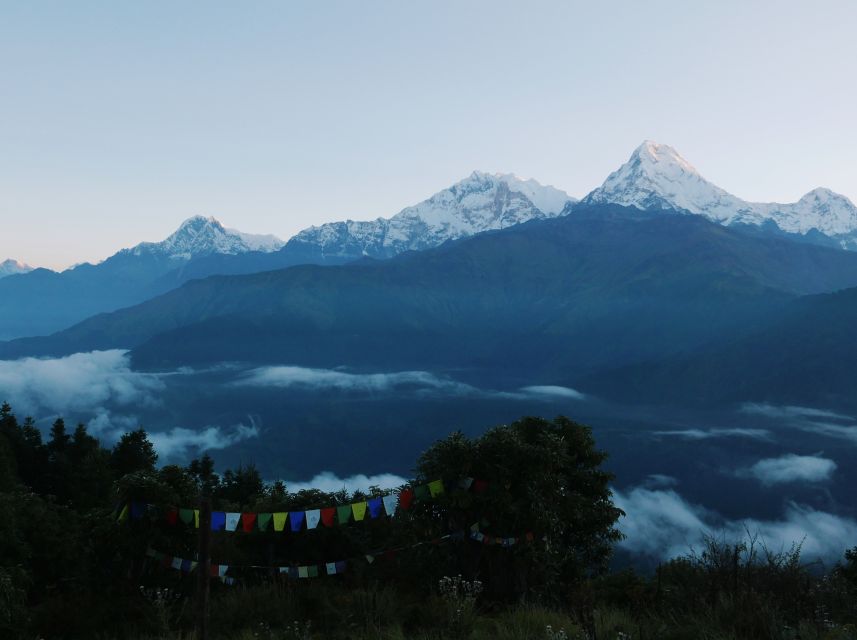
- Sunrise at Poon Hill with Annapurna-range views and early-morning mountain drama
- Ulleri steps: expect a steep climb section with over 3,000 steps in the official route
- Tea house nights in Ghorepani and Tikhedhunga, with reports of comfortable rooms and WiFi
- Rhododendron forest walking plus village trails along the Modi Khola
- Point-to-point logistics: jeep segments and a drive back to Lakeside Pokhara to finish strong
Why Poon Hill and Ghorepani works in 3 days
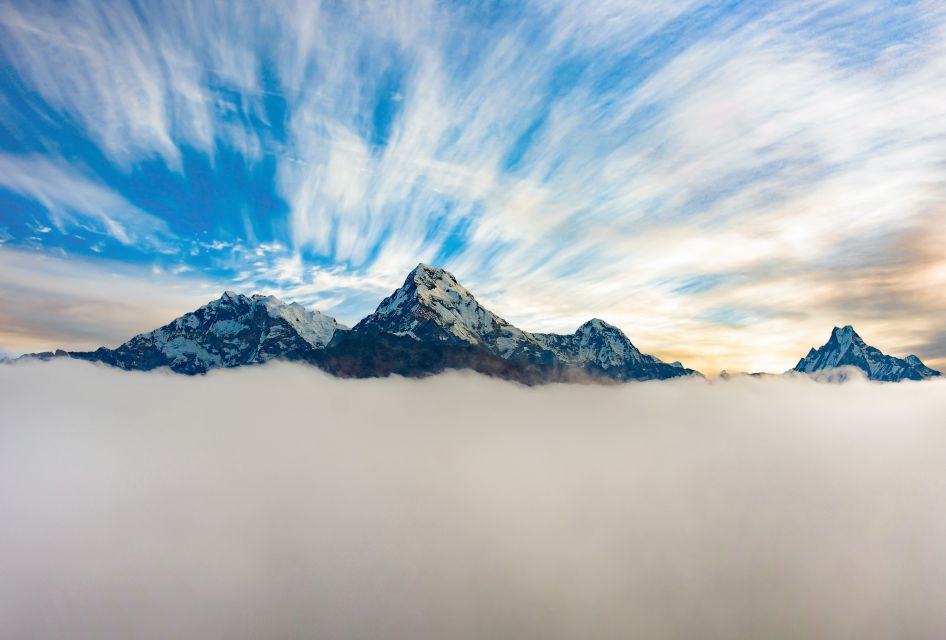
If you only have a few days in Nepal, this trek gives you a big payoff without turning into an endurance contest. You start near Pokhara, then walk from village to village along the Modi Khola, and you finish with a sunrise viewpoint.
The smartest part is the pacing. Day 1 eases you into trekking with a river-and-village route to Tikhedhunga (1,570m). Day 2 is the real workday, when you climb up to Ulleri and continue to Ghorepani (2,840m). Day 3 is intense but short: early rise for Poon Hill, then a downhill day back toward Pokhara.
This trek is also very view-focused. Instead of spending days gradually getting higher, you’re aiming for that famous early view from about 3,210m. It’s not only for photography. That early cold-air walk and the moment the peaks come into focus is why people remember this trek more than the paperwork or the distance.
One more practical point: tea houses make this doable. You’re sleeping in simple lodges along the route, so you’re not managing a tent and cooking setup on your own. That matters on a short trip where you want to keep energy for the climbs.
You can also read our reviews of more hiking tours in Pokhara
Day 1: Pokhara to Tikhedhunga via Nayapul and the Modi Khola
You’ll begin with a scenic drive from Pokhara to Nayapul. From there, the trail runs alongside the Modi Khola, and you’ll pass small villages and pockets of rhododendron forest. It’s the kind of day where you warm up while still getting that Nepal trekking feeling right away.
Tikhedhunga (1,570m) is your first overnight. This is a good altitude for settling in. You’re not high enough to feel like every breath is a fight, but you are high enough that evenings can turn chilly fast.
What makes Day 1 worth it is that it teaches you the rhythm you’ll need later. You’ll learn how often you stop, how quickly you warm up after walking, and how your legs respond to uneven steps. Even though the official plan calls the steepest climb for Day 2, at least one reviewer mentioned a very high step count on Day 1 too, so go in ready for stairs in general.
Practical tip: treat Day 1 as training, not sightseeing. You can look around without rushing. Keep your pace steady, and if you’re carrying a camera, plan for breaks that don’t turn into long pauses.
Day 2: Ulleri’s steep steps to Ghorepani at 2,840m
Day 2 is the one you plan around. The route climbs to Ulleri village with over 3,000 steps, and it’s a steep, leg-burning ascent. This is also the day when rhododendron forests make the trail feel alive, not just hard.
After the Ulleri climb, you continue through forested sections and reach Ghorepani (2,840m), where you stay in a tea house. This is a good altitude to feel the mountain air. It’s high enough to notice the cold at night, and it’s high enough that your body will start paying attention to hydration.
The big “value” of Day 2 is that the hard work sets up the sunrise experience. By getting up to Ghorepani, you position yourself for the early morning trek to Poon Hill without adding an extra day of fatigue.
From past trips, tea houses here can be comfortable, and some have WiFi and hot showers. I’d still treat that as a nice bonus rather than a guaranteed baseline. Pack like it might be basic and cold.
Practical tip: don’t try to win Day 2. If you hike faster than your breathing allows, you’ll arrive tired instead of arriving ready. Use short rests. Sip water regularly. If you’re using trekking poles, this is where they earn their keep.
Day 3: Poon Hill sunrise, Dhawalagiri views, and the descent to Pokhara
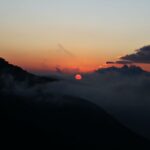
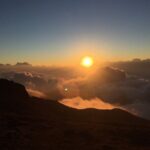
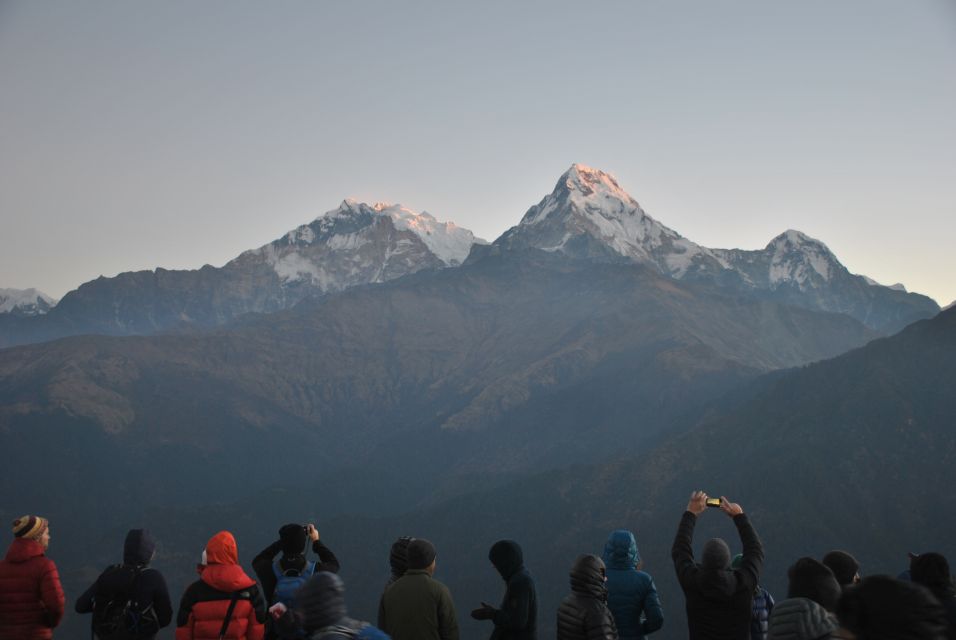
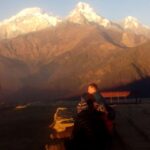
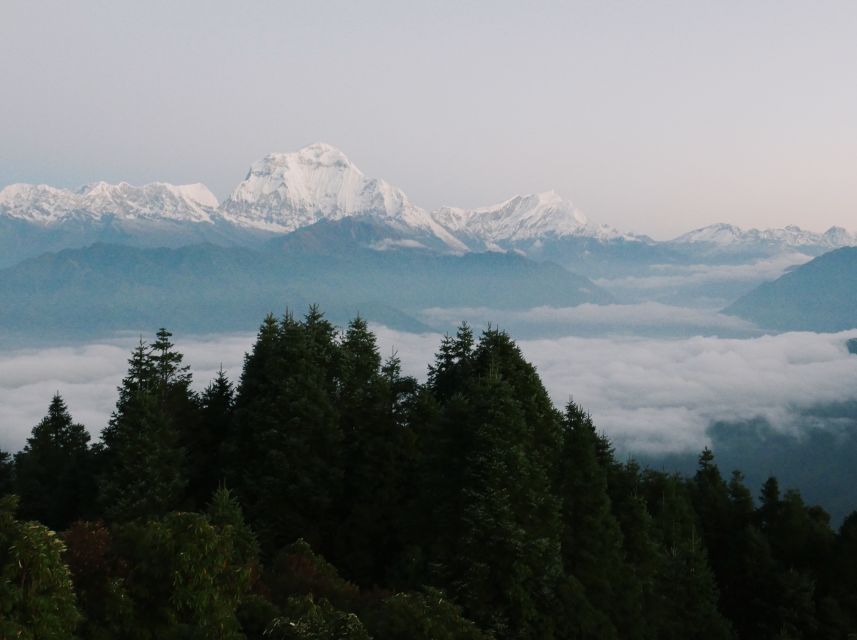
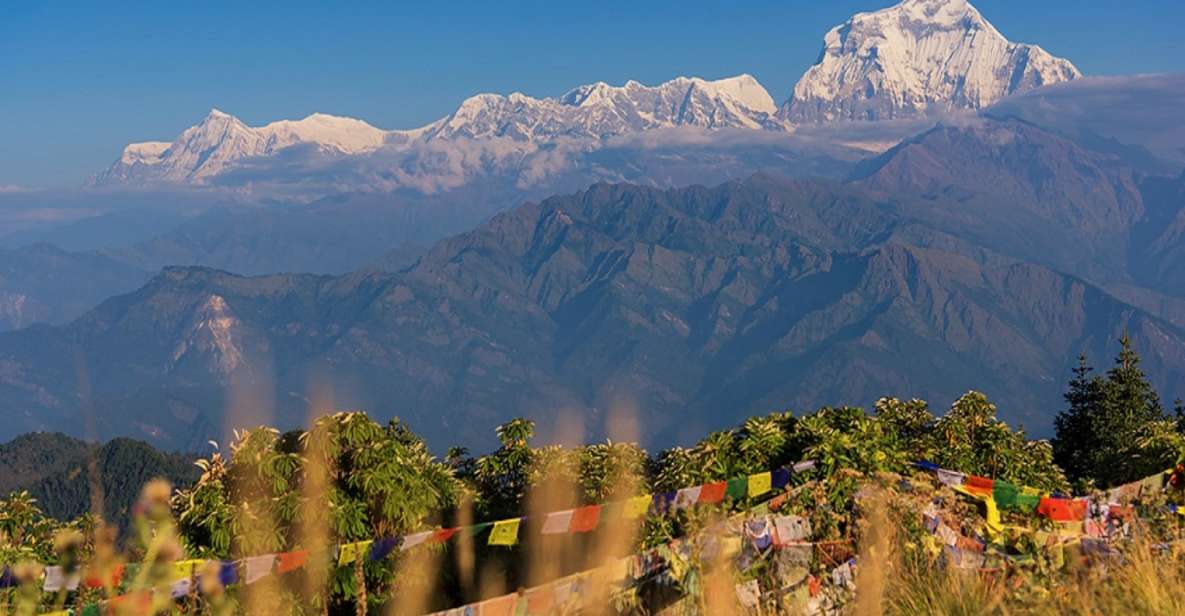
This day starts before sunrise. You’ll climb up to Poon Hill and watch the mountains change as daylight rolls in. That’s the moment this trek is built around, and it’s also when timing matters: start early enough to reach your viewpoint with time to settle.
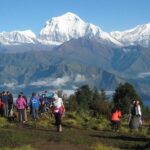
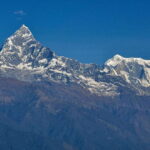
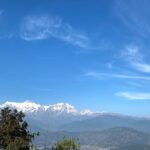
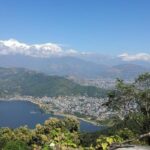
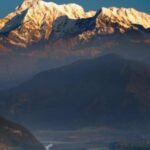
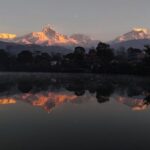
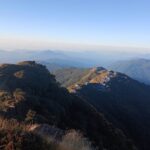
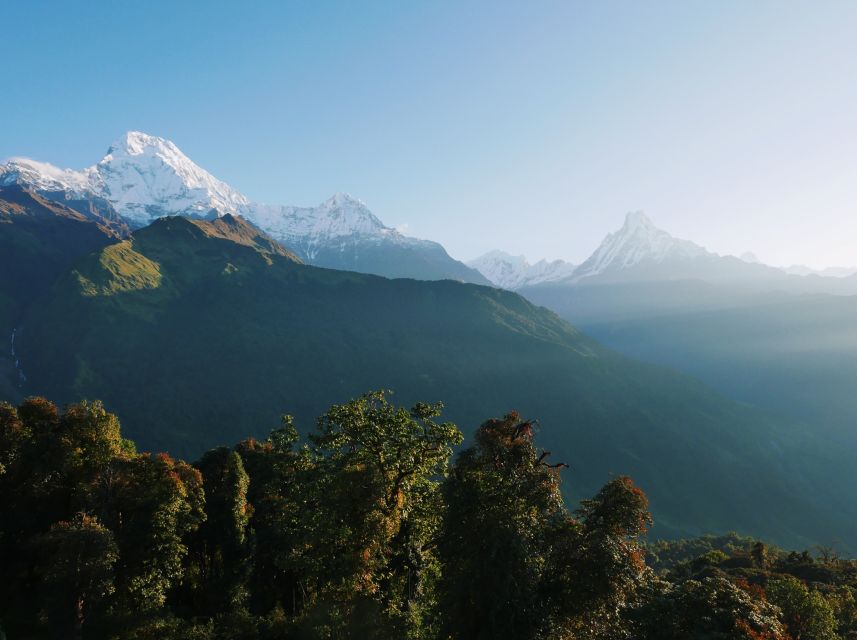
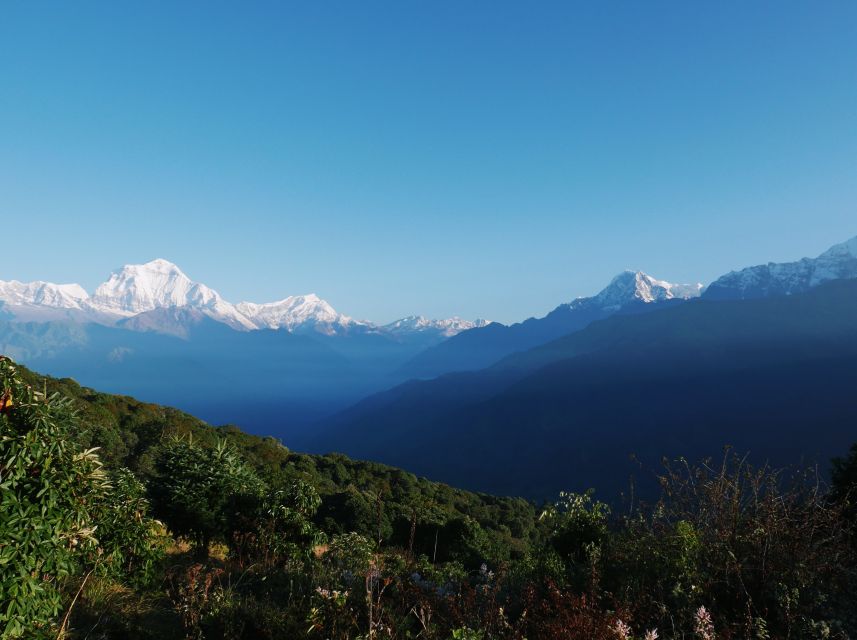
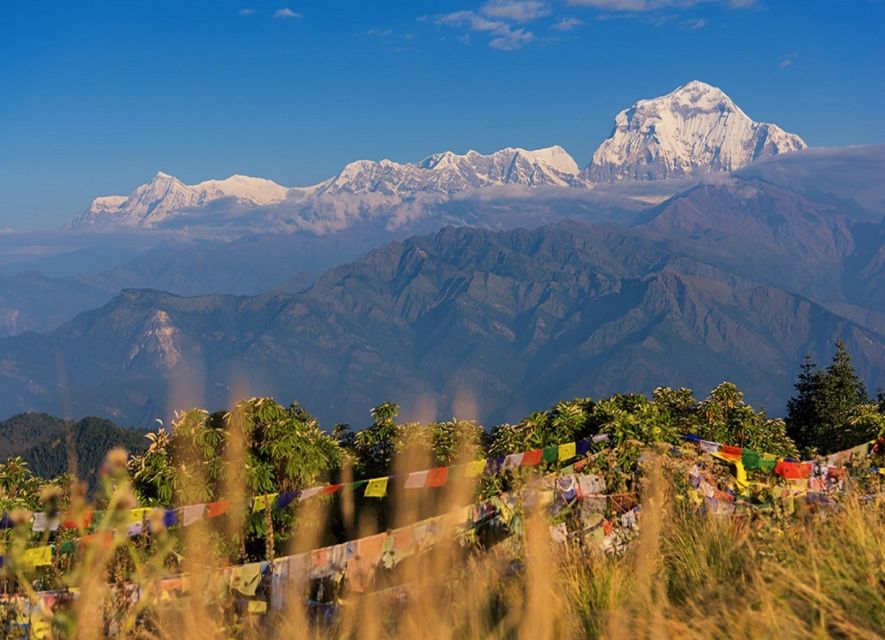
The reward is wide. You’ll see Dhawalagiri Mountain and a full sweep across the Annapurna range. Even if you’ve seen mountain photos before, the scale hits differently when you’re standing in the cold, looking across the ridgelines.
After sunrise, you descend the same route to Ulleri (around 2,000m). The descent is steep and can feel harder on the knees than the climb did on the thighs, so keep your steps controlled and don’t let speed sneak in.
From Ulleri, you continue down toward Hile and then to NayaPul by jeep. Finally, you’re driven back to your Lakeside Pokhara hotel via the highway, which is a welcome finish when your legs have had enough.
Practical tip: bring something warm for the early start. Even if the afternoon is pleasant in Pokhara, the viewpoint can be sharply cold at the start of the day.
Tea houses, rooms, and food: where comfort shows up
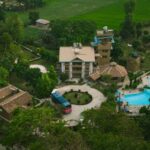
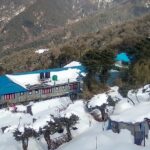
This trek runs on tea houses, which means you trade camp logistics for simple lodging. Based on what people have reported, the tea houses on this route can be clean and comfortable, with some offering WiFi and hot showers. That makes a huge difference on a short trek because you get a real chance to reset between walking days.
Food is another big deal on a 3-day itinerary. The trip includes meals only for the Full Package option. If you book a package without that, you’ll likely need to budget for meals at the tea houses. Either way, you’ll be eating what’s available locally in the lodge dining rooms, which is usually comforting after a long stair day.
Because the trek is short, I recommend thinking of it like a structured hike, not a flexible backpack trip. You don’t want to spend the best hours of your day negotiating meals and timing. Let the guide handle the flow and focus on hydration and pacing.
What to bring matters here too. A sleeping bag is listed for a reason. Even when the room is fine, nights at higher elevation can feel cold. Add a jacket, hat, and a flashlight, especially for the early start day.
You can also read our reviews of more tours and experiences in Pokhara
Guides and support: why the experience feels organized
This kind of trek can go one of two ways: you can struggle alone and waste energy figuring things out, or you can hike with guidance and confidence. The trip is set up for the second option.
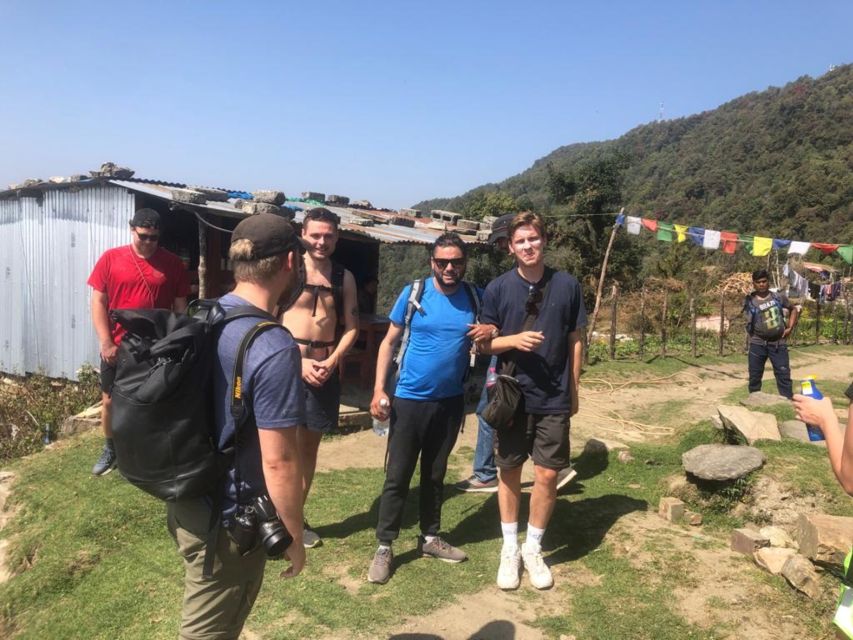
The guides used on this trek include people like Deepist, Keshab, and Kaji, and the support feels hands-on. One traveler noted their guide explained plants and trees along the way and was flexible with scheduling and needs. Another mentioned their guide went above and beyond with help during the trek. That kind of attention matters because it turns the walk into a guided experience instead of just a route on a map.
Transport and permits also take mental load off your shoulders. You get trekking permits, the Trekkers’ Information Management System fee, and government taxes handled, plus trekking paperwork taken care of. On a short trek, that’s not a small thing.
Also note what’s not automatically included. Porters are listed as not included. Some people like to travel with their own porter for extra comfort and speed, like the porter Rom who was praised for helping one trek. If you want that level of support, plan to arrange it separately.
Price and logistics: is $127 good value?
For a 3-day trek, $127 per person is a budget-friendly price point if your expectations match what’s included. You’re paying for more than walking. You’re getting:
- hotel pickup and drop-off
- permits and required fees
- tea house accommodation during the trek
- a last night hotel in Pokhara (Hotel Orchid for x1 night)
- a farewell Nepalese typical dinner in Lakeside Pokhara
- an authorized English-speaking guide and coverage for staff expenses
- transportation components listed in the package details
Here’s where value depends on your package type. Meals during the trek are included only for the Full Package option. So if you book a different package, check what you’ll pay for at tea houses. That small difference can change your real cost.
Also, there’s no porter included. If you need help with your pack, that can add cost. But if you’re fit and pack light, you can keep this trip close to the advertised price.
Deluxe AC transportation is listed as included for the full package parts of the itinerary, and there’s also a Luxury sofa seater tourist AC bus from Pokhara to Kathmandu noted in the inclusions. Since your trek is in the Pokhara area, you should confirm whether you’re also getting any Kathmandu transfer as part of your exact booking.
Bottom line: for the trek length, the guided structure, and the viewpoint payoff, this pricing can feel fair. Just match your booking details to your comfort needs, especially meals and porter support.
Altitude reality check at about 3,210m
The trek aims for views from around 3,210m, and you should treat that number seriously even on a short itinerary. Symptoms of altitude stress can creep up when you push too hard, even if you’re young and fit.
The good news is that the route includes time to acclimatize in a simple way: you build altitude across days rather than sprinting to the top. Still, you need to hike smart.
I recommend:
- start slower than you think you should
- drink water regularly, even when you don’t feel thirsty
- dress in layers, because mornings can feel freezing and midday can feel milder
- don’t skip warm clothing for the Poon Hill early start day
One important safety note from the trip information: this trek is not suitable for pregnant women.
If you have any medical concerns beyond that, ask a clinician before going. Altitude affects people differently, and you can’t outwork biology.
What to pack so Day 3 is not miserable
The listed gear points are solid for this route. Keep it practical:
- Passport or ID card (needed for trekking paperwork)
- Daypack for day use
- Trekking gear, plus long pants and shorts if you want options
- Jacket, hat, sunglasses, and sunscreen
- Flashlight for early mornings
- Sleeping bag for cold tea house nights
- Socks and change of clothes
- Camera and cash
Water matters. The list says to bring water. You’ll also want to be ready for the fact that facilities can be basic. Pack snacks if you like to control your energy, but don’t assume the same variety every day.
If you’re sensitive to cold, prioritize warmth for the sunrise hours. That’s when comfort can make the difference between enjoying the view and rushing through the moment.
Should you book this trek?
Book this 3-day Ghorepani and Poon Hill trek if you want a short itinerary that delivers a serious mountain viewpoint. It’s a strong choice when you like guided structure, want tea house comfort, and you’re okay with steep climbing and a lot of steps.
I’d think twice if:
- you’re not comfortable with heavy stair sections and steep ascents
- you want a truly gentle hike
- you need a porter included by default
- you’re pregnant (not suitable per the trip info)
If you fit the active range and you’re excited for an early sunrise with Dhawalagiri and the Annapurna range in view, this is one of those trips that feels worth the effort almost immediately.
If you want, tell me your fitness level and travel month, and I’ll suggest a packing and pacing plan for the stair days and the Poon Hill early start.
FAQ
What altitude do you reach on this trek?
The trip is described as exploring views from about 3,210 meters from sea level.
What is the daily route like?
You start in Pokhara and drive to Nayapul, then trek to Tikhedhunga on Day 1. Day 2 climbs from Tikhedhunga up to Ulleri and onward to Ghorepani. Day 3 includes a sunrise climb to Poon Hill, then a descent back toward Ulleri, Hile, and NayaPul by jeep, ending with a drive back to Pokhara.
Is this a private tour?
Yes, it’s listed as a private group.
Are trekking permits included?
Yes. Trekking permits and required paperwork are included, along with the TIMS fee.
Where do you sleep during the trek?
You stay in available accommodation during the trek in tea houses. The trip also includes one last night accommodation in Pokhara at Hotel Orchid.
Are meals included?
All meals during the trek (breakfast, lunch, dinner) are included for the Full Package option only.
Are porters included?
No. Porters are listed as not included.
What languages will the guide speak?
The live tour guide is listed as English, Hindi, and Nepali.
Is free cancellation available?
Yes. Free cancellation is available up to 24 hours in advance for a full refund.