REVIEW · POKHARA
From Pokhara: Budget 2 Night 3 days Poon hill trek
Book on GetYourGuide →Operated by couch adventure nepal (CAN) · Bookable on GetYourGuide
Poon Hill packs big Himalaya views fast. This short trek takes you from Pokhara’s lake area up through rhododendron forests and village paths to Poon Hill (3,210m) for sunrise over the Annapurna and Dhaulagiri ranges.
What I like most is the mix of teahouse comfort and real village atmosphere, plus that moment when the mountains turn gold. The one consideration: you’ll start in the dark for the climb to Poon Hill, so warm layers and steady footing really matter.
In This Review
- Key Things to Know Before You Go
- Why Poon Hill Works for a Short Nepal Trek
- Pokhara to Kilu: Easy Start, Real Trek Energy
- Tadapani: Your First Teahouse Night Under the Mountains
- Trek to Ghorepani: Rhododendron Forest to Deurali Pass
- The Poon Hill Sunrise Game Plan (and Why It’s Worth It)
- Down to Ulleri and Back to Pokhara: Finish Strong
- Price and Value: Does $179 Make Sense Here?
- Pace, Comfort, and What Teahouse Living Feels Like
- Weather, Seasons, and the Packing Reality
- Who Should Book This Poon Hill Trek
- Should You Book This 2-Night Poon Hill Trek?
- FAQ
- How long is the Poon Hill trek?
- What’s the highest point on this trek?
- What does the price include?
- Is food included?
- What kind of guide will I have?
- What should I bring?
- Is this trek suitable for everyone?
Key Things to Know Before You Go
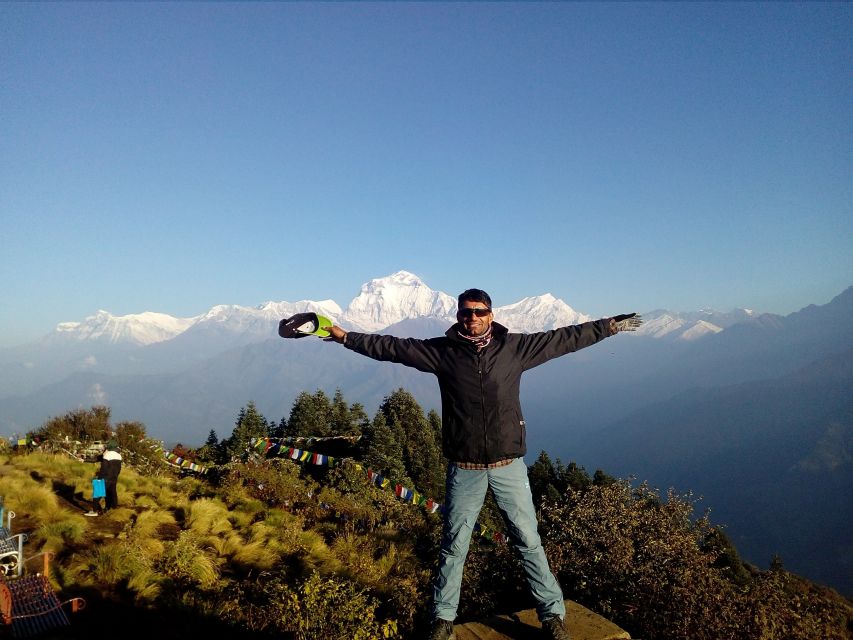
- Pre-dawn hike to Poon Hill: about 45–60 minutes uphill from Ghorepani for sunrise timing.
- Teahouse nights, not camping: guesthouse stays make this feel beginner-friendly.
- Ghandruk, Ghorepani, Ulleri on the route: charming Gurung and Magar village stops along the way.
- Rhododendron season effects: spring can bring blooming trails through forested sections.
- Views that cover multiple peaks: Machhapuchhre (Fishtail), Hiunchuli, Annapurna South, plus Dhaulagiri.
- Guide-led transfers and permits: hotel pickup/drop-off, permits, and an emergency first aid kit are handled.
Why Poon Hill Works for a Short Nepal Trek
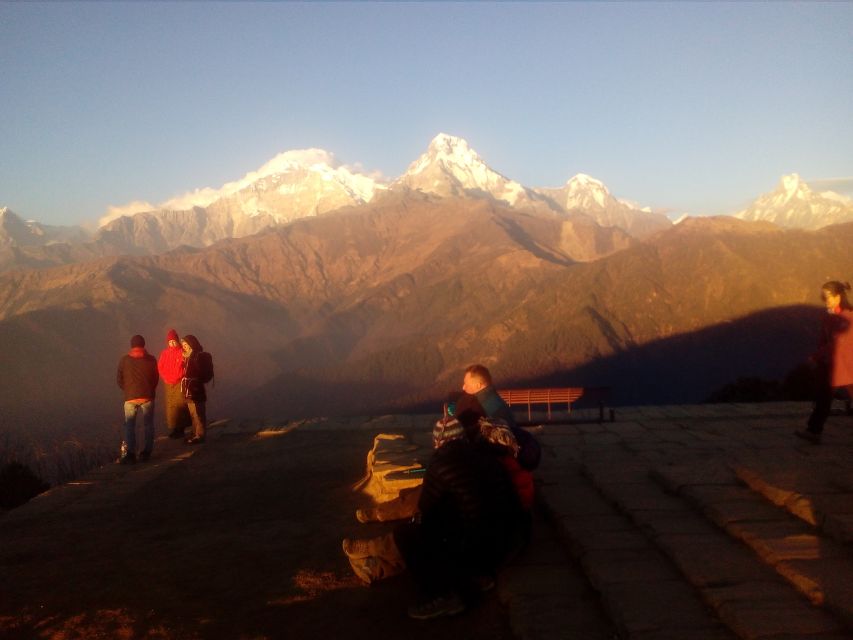
If you only have a few days in Nepal, the Poon Hill trek is one of the most practical ways to get high-mountain payoffs. You’re not committing to weeks of trekking, but you still get the classic Annapurna panorama and the sunrise moment people come for.
The route is also designed around comfort. You’ll walk in moderate day chunks (around 5–6 hours) and sleep in teahouses/guesthouses with warm meals. That matters if you want the experience without turning it into a logistics puzzle.
The other thing I appreciate is how the scenery changes each day. Day 1 leans into forest walking and village views. Day 2 adds a higher, more exposed feel as you work toward Deurali pass and then drop into Ghorepani. Day 3 is all about the climb in the dark and then the downhill reset afterward.
You can also read our reviews of more evening experiences in Pokhara
Pokhara to Kilu: Easy Start, Real Trek Energy
Most people begin in Pokhara’s lakeside area, where pickup is included. From there, you drive to Kilu in a private vehicle. Expect roughly 2–3 hours in the car, and you’ll get those early glimpses of Nepal outside the city—terraced fields, rivers, and traditional village scenes.
Kilu is where the trek actually starts. The first hiking stretch is a gradual transition from the road to footpath. You’ll move through lush rhododendron and oak forests, which is a nice way to warm up your legs without jumping straight into steep stone switchbacks.
Then comes Ghandruk, one of the standout village moments. It’s known as a Gurung village with strong local culture and excellent mountain sightlines. Even if your sunrise is tomorrow, Ghandruk is where you’ll start feeling that pull toward the Annapurna massif.
The practical downside to consider: Day 1 stacks both travel and hiking. If you’re sensitive to long vehicle time, plan a slower morning in Pokhara and don’t overbook anything right before pickup.
Tadapani: Your First Teahouse Night Under the Mountains
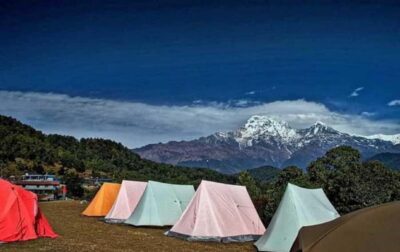
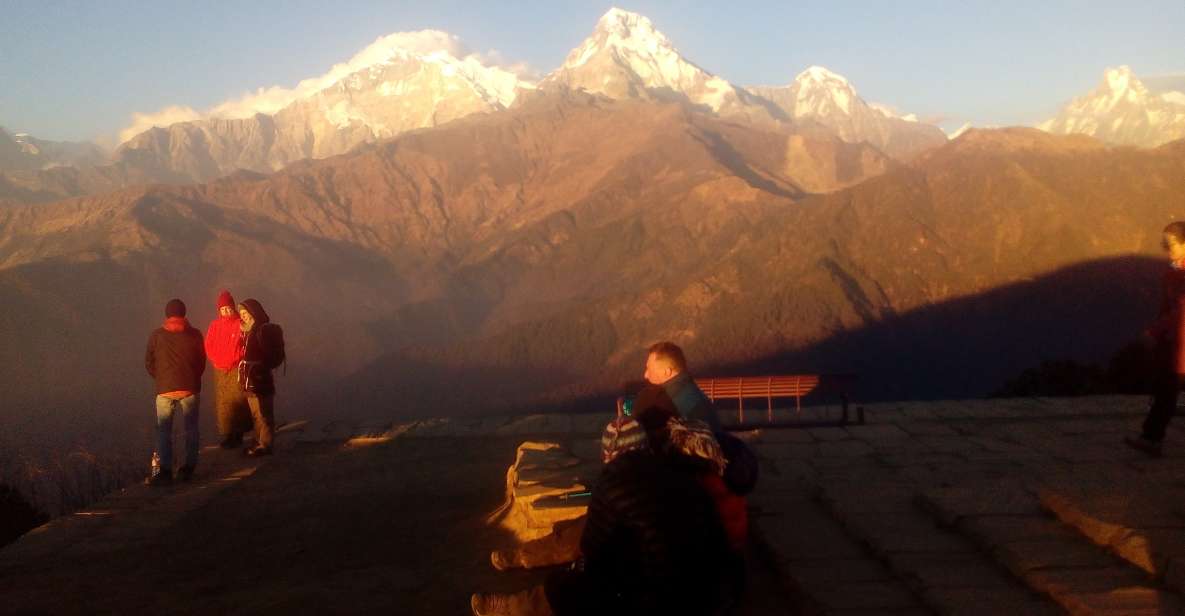
Tadapani sits at about 2,630m, and it’s a great first stop because it balances walking time with a payoff at the end of the day. After a 5–6 hour trek, you arrive in a peaceful hilltop village where panoramic views start right from the lodge area.
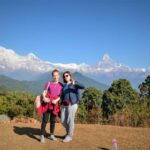
You’re specifically in position to see key peaks around the Annapurna region, including Annapurna South, Machhapuchhre (Fishtail), and Hiunchuli. In practical terms, that means you can spend time looking before dinner without having to hike again.
Teahouses here are the kind of setup that makes a short trek feel human. Warm meals, a place to reset, and a guide who knows the routines so you’re not constantly figuring out what’s next. In multiple guide stories tied to this trek, guides like Prakash and Kabindra are praised for keeping people comfortable and feeling safe while they handle the practical parts with teahouse staff.
One small “bring it with you” truth: Tadapani is remote. The trek company includes what you need to walk and stay, but food and drinks are on purchase, so you’ll want cash ready for dinner and any extra snacks.
Trek to Ghorepani: Rhododendron Forest to Deurali Pass
Day 2 is where the trek starts to feel more classic. You’ll walk from Tadapani to Ghorepani (around 2,850m), usually in about 5–6 hours. The route moves through rhododendron forest and ridges, and you’ll pass small settlements along the way.
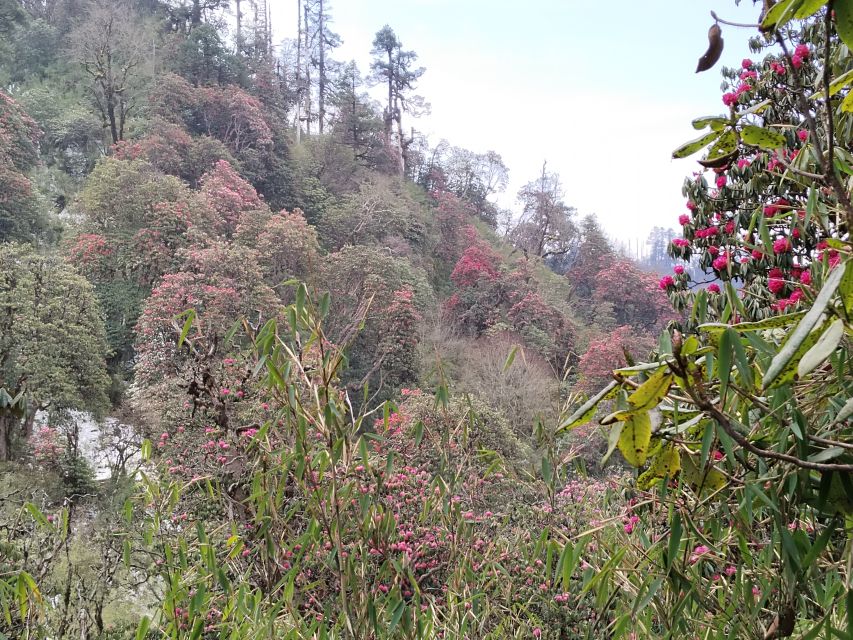
If you’re trekking in spring (March to May), there’s a real chance the trail is lined with blooming rhododendron. That’s not just pretty. It changes the whole experience—more color, a softer mood, and a slower-feeling walk even when you’re still covering distance.
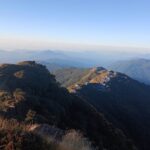
As you approach Deurali pass, the trail tends to feel more exposed. Then you descend slightly into Ghorepani. This mix—up, then down to a busier base—sets you up well for the sunrise plan on Day 3.
Ghorepani is also where the “team energy” kicks in. You’ll check into your teahouse, have early dinner, and rest in preparation for the pre-dawn hike. Guides such as Birendra Thapa and Amrit are noted for being attentive and for managing the overall flow so you’re eating and resting at the right times rather than improvising.
Consideration: if the weather is cloudy, you can’t force sunrise visibility. You can still hike and enjoy the experience, but the dramatic view depends on the day’s conditions.
The Poon Hill Sunrise Game Plan (and Why It’s Worth It)
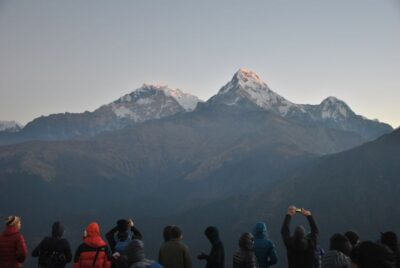
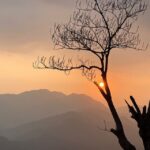
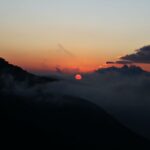
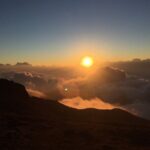
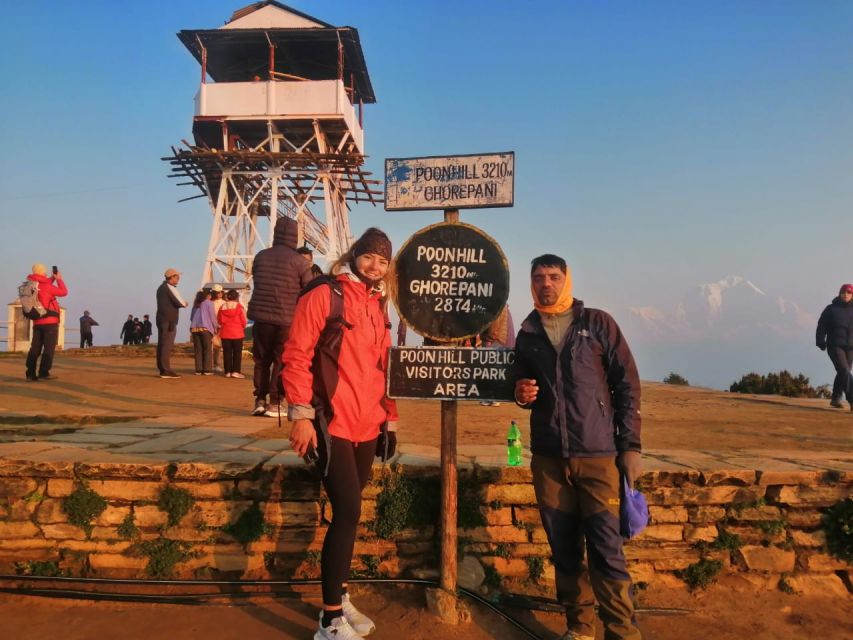
This is the big moment. The Poon Hill hike starts pre-dawn from Ghorepani, taking about 45–60 minutes. The idea is simple: reach the viewpoint while the sky is still turning over.
Bring warm layers. Not “a light jacket.” This is high up, early in the morning. Gloves and a hat are often what makes the difference between enjoying the wait and feeling miserable while you shuffle your feet.
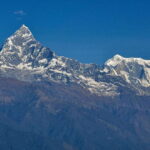
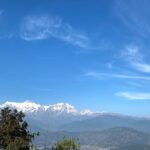
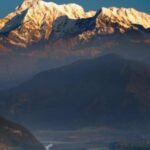
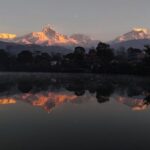
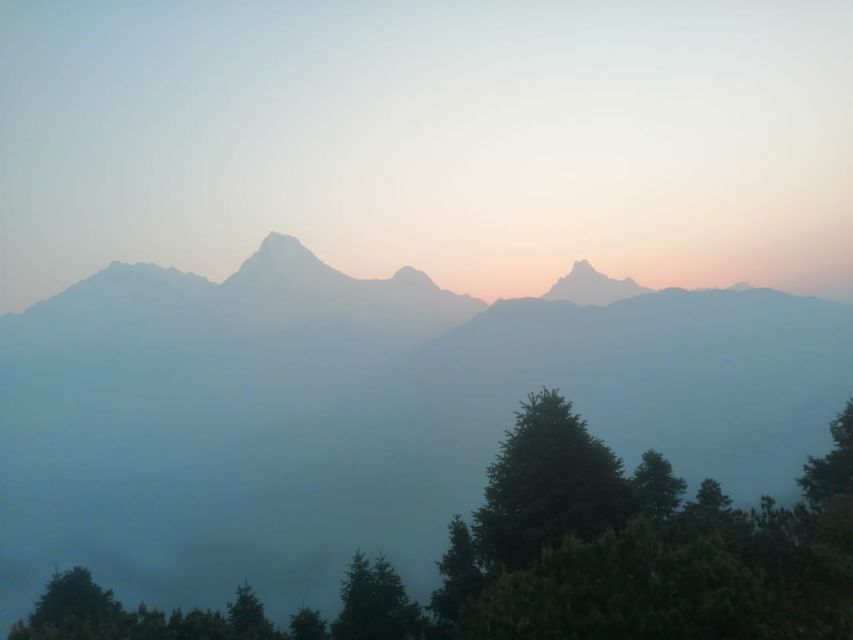
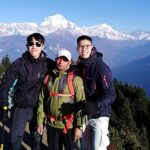
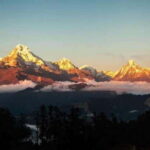
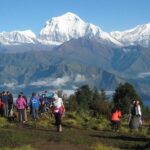
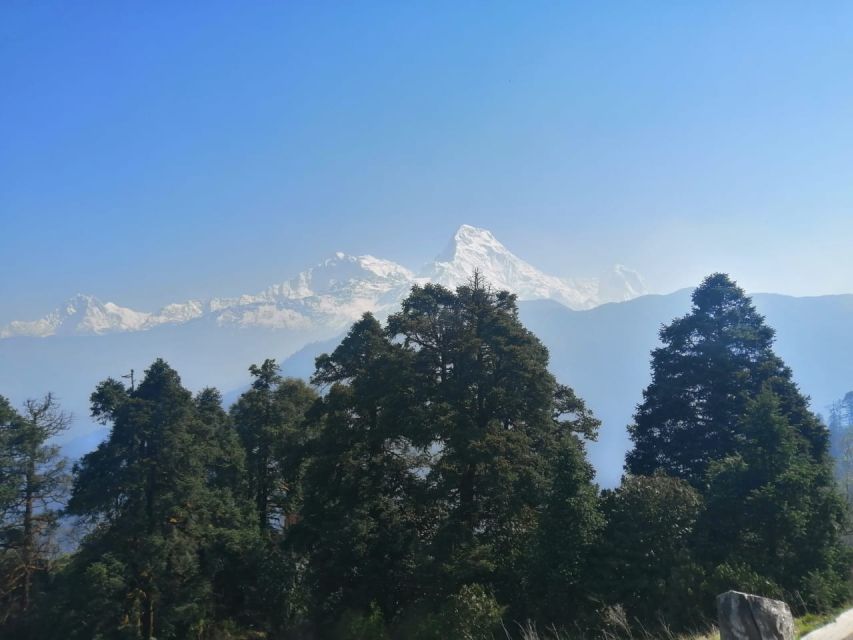
Once you get to the top, the reward is the mountain panorama. You’re looking at the Annapurna and Dhaulagiri ranges, and you’ll often be able to pick out peaks like Annapurna South, Hiunchuli, and Machhapuchhre (Fishtail). The color shift at sunrise is why Poon Hill is so famous—snow-capped ridgelines catch the light and the view becomes more three-dimensional than you’d expect.
Then you’ll head back down to Ghorepani for breakfast before continuing the rest of the day.
One more reality check: the sunrise climb is short, but it’s in the dark and uphill. If you’re new to trekking, it’s not technical, but you still want comfortable shoes with good grip.
You can also read our reviews of more hiking tours in Pokhara
Down to Ulleri and Back to Pokhara: Finish Strong
After sunrise, the route changes from viewpoint focus to village hopping and descent. You’ll trek downhill through villages and smaller stops, including Nangethanti and Banthanti, before reaching Ulleri.
Ulleri is a traditional Magar village and a memorable end-of-trek feeling place. It has stone-paved steps, so even though this is “downhill,” your legs will still notice the surface. Think of it as a slow descent that keeps you engaged rather than a lazy walk.
From Ulleri, you’ll board a shared jeep or local bus for the drive back to Pokhara, arriving late afternoon. This is one of the nicest parts of doing a short trek: you get the mountains, then you’re back in town with enough time to decompress—shower, eat well, and sleep in a proper bed.
Price and Value: Does $179 Make Sense Here?
At $179 per person, this trek is positioned as a value-focused, short-duration trek that bundles the stuff that usually costs time (and stress): guide support, permits, transfers, and your guesthouse nights.
Here’s what that means for your money:
- You’re paying for an experience that includes hotel pickup/drop-off in Pokhara’s lakeside areas, a trek guide (English, Hindi, Nepali), and trekking permits/documents.
- You also get Pokhara to Kilu transfer by private vehicle and Ulleri to Pokhara transfer by shared jeep/bus.
- Your sleeping cost during the trek is included as guesthouse/teahouse accommodation.
- You get the safety layer of an emergency first aid kit (with the guide).
- Entrance fees at Poon Hill are included.
What’s not included is food and drinks (you purchase it on the way). That’s common for Nepal treks, but it matters for budgeting. If you like coffee, hot drinks, and snacks at each stop, your final total will be higher than $179.
Where the value really shows is in the guided parts. In guide feedback connected to this trek, people highlight that the pace is comfortable and that the guide helps coordinate with accommodations. That kind of quiet competence can be the difference between a smooth trek and a day full of small hassles.
Pace, Comfort, and What Teahouse Living Feels Like
This is a moderate trekking option. You’re looking at around 5–6 hours of walking per day, and the overall altitude stays manageable for most first-timers because the highest point you’re chasing is Poon Hill at 3,210m.
The teahouses are what make this work as a “beginner and family” style trek. You’ll have a warm meal available in the evening, a place to rest, and the ability to talk with other hikers who are also gearing up for sunrise.
In multiple guide experiences tied to this route, the theme is consistent: guides like Milan and Bikram are described as professional and encouraging, keeping people at a pace that matches their ability. That’s a big deal when your goal is to enjoy the scenery, not just survive the climbs.
Weather, Seasons, and the Packing Reality
You can trek Poon Hill nearly any time of year, but the best window for stable conditions is spring (March to May) and autumn (September to November). Those months also tend to give clearer mountain views.
Still, weather changes in the hills. Some guide feedback here includes “even with bad weather” the experience stayed worth it. Translation for you: bring layers and expect that visibility can shift.
What to bring (from the provided guidance):
- Passport or ID card
- Warm clothing
- Comfortable shoes
- Cash
And a practical tip: even though Poon Hill entrance is included, meals and drinks are not, so cash is your friend. One of the most repeated packing reminders is also simple—extra layers can save your morning.
Who Should Book This Poon Hill Trek
This trek fits you if:
- You want Annapurna and Dhaulagiri sunrise views without a long trek.
- You’re new to hiking and want a moderate walking schedule with teahouse stays.
- You prefer a guided experience with permits and transfers handled.
- You want village culture stops like Ghandruk and Ulleri, not just viewpoint chasing.
It may not fit you if:
- You’re pregnant (not suitable per the provided info).
- You use a wheelchair (not suitable per the provided info).
- You don’t want early starts or pre-dawn hiking.
Also, it’s a private group experience, so the plan is built around your group rather than a chaotic crowd sprint.
Should You Book This 2-Night Poon Hill Trek?
I think you should book it if your main goal is the Poon Hill sunrise plus a satisfying short trek through forests and real villages. The route gives you a strong payoff—especially for the time you invest—and the included transfers/guide support protect you from common first-timer friction.
I’d book with extra care if you’re worried about cold mornings or you’re not confident on uneven stone steps and forest paths. The trek isn’t technical, but it is uphill at the start of sunrise and the surfaces can vary. If you show up with warm layers, good shoes, and cash for meals, you’ll be set.
If your priority is maximum mountain time at higher altitudes, you might later want a longer Annapurna trek. But for a clean, efficient taste of the region—this is hard to beat.
FAQ
How long is the Poon Hill trek?
It’s a 3-day trek with 2 nights, starting from a drive out of Pokhara and ending with a return transfer back to Pokhara.
What’s the highest point on this trek?
The sunrise viewpoint at Poon Hill is at 3,210m.
What does the price include?
The package includes hotel pickup/drop-off in Pokhara’s lakeside areas, an English-speaking guide, trekking permit and official documents, guesthouse accommodation during the trek, private transfer from Pokhara to Kilu, and shared jeep or bus back from Ulleri to Pokhara. It also includes an emergency first aid kit with the guide and entrance fees at Poon Hill.
Is food included?
Food and drinks are not included. You purchase them along the trek.
What kind of guide will I have?
You’ll have a professional, friendly guide who speaks English, Hindi, and Nepali.
What should I bring?
Bring a passport or ID card, warm clothing, comfortable shoes, and cash.
Is this trek suitable for everyone?
It is not suitable for pregnant women or wheelchair users. Pets are also not allowed.