REVIEW · POKHARA
Annapurna: 2 Days 1 Night Poon Hill Trekking
Book on Viator →Operated by Peak to Peak Tours and Treks Pvt Ltd · Bookable on Viator
Sunrise over Poon Hill feels unreal. This short trek is built for people who want big Himalayan views without a long, slow itinerary, and it runs through evergreen forest near the foothills. You also get a comfy tea-house overnight in Ghorepani, so the experience stays active but not punishing.
The trade-off is pretty simple: you’ll pay for food and drinks on your own, and catching that sunrise means an early start. If your fitness is only moderate, you’ll want to pace yourself and take breaks, especially if rain makes the steps slick.
In This Review
- Key takeaways before you go
- A short Himalaya hit from Pokhara
- Day 1: Ghorepani, forest walking and an easy base night
- Day 2: Poon Hill sunrise and that panoramic viewpoint
- Price and what you’re really paying for
- Guides you’ll feel good about: Milan, Ravi, and Dadi dai
- Getting your pace right on a moderate-fitness plan
- Rainy-season reality: when air clears and trails get tricky
- What to pack (so sunrise doesn’t feel miserable)
- Booking fit: who this trek suits best
- Should you book this Poon Hill trekking?
- FAQ
- How long is the Annapurna 2 Days 1 Night Poon Hill Trekking?
- Where does the tour start?
- What’s included in the price?
- Is food included?
- Do I need permits for this trek?
- What about rescue costs in an emergency?
- Can I bring service animals?
- What fitness level do I need?
- Is there free cancellation?
Key takeaways before you go
- Two days, one night: A tight schedule that still gets you to the famous viewpoint in time for sunrise.
- Permits are handled: TIMS and conservation area permits are included, plus all fees and taxes.
- Tea-house accommodation: You sleep in a local setting at Ghorepani rather than going back and forth all day.
- Guide support matters: The guides here are hands-on; Milan Babu Rai even helped carry a tired child on the trail for one family.
- Private transport and a small-group feel: Pickup is offered, and your group stays together (not mixed with random strangers).
- Meals are extra: Tea-house food is available for purchase, so budget a bit for lunch, dinner, and snacks.
A short Himalaya hit from Pokhara
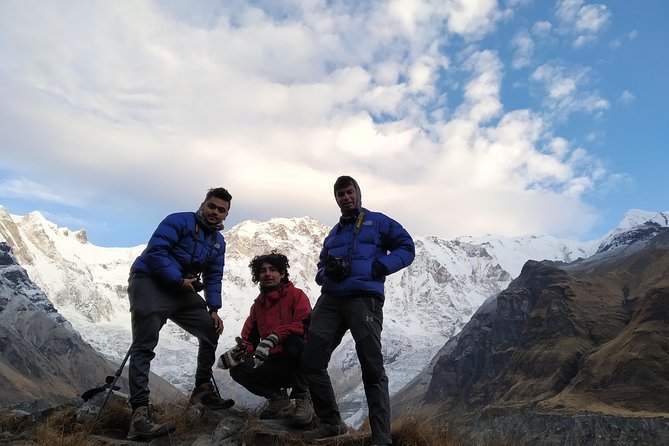
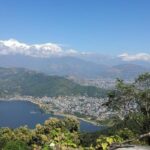
This is the kind of trek that makes sense when you only have a couple of days and you still want to feel the mountains up close. It’s not about suffering for bragging rights. It’s about getting from village-life trails into the open viewpoint world at the right time.
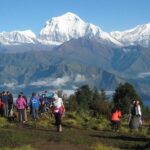
You start in the Pokhara area with private transportation and pickup offered. That helps a lot if you’re short on time or you’d rather not figure out local logistics before a hike. Then you move into the trekking rhythm: walking through forest near the Himalaya foothills, reaching Ghorepani for the night, and finishing with the Poon Hill sunrise moment.
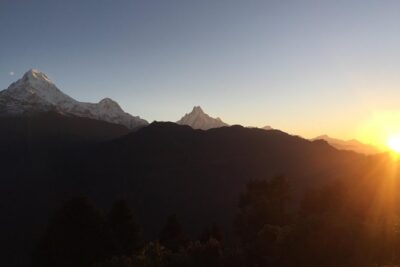
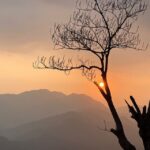
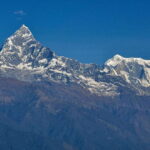
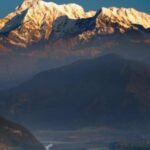
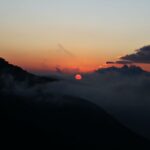
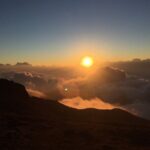
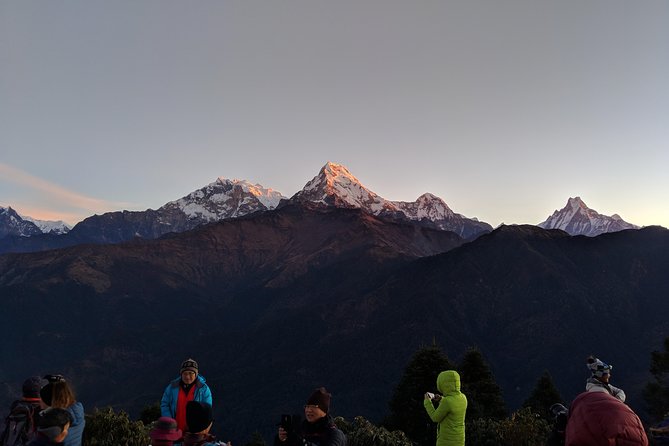
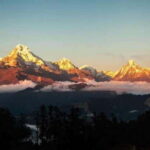
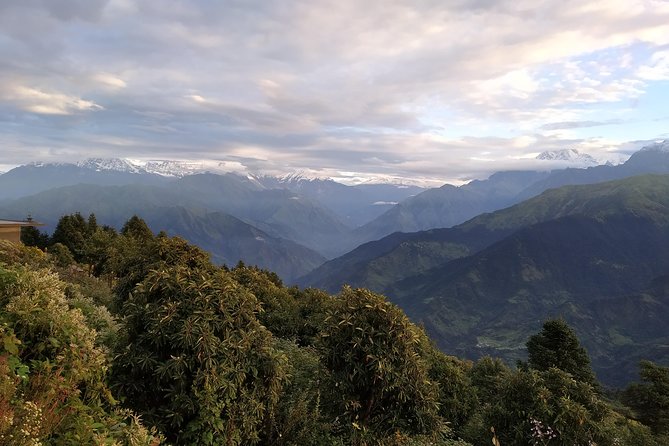
The big payoff is the timing. Poon Hill is known for sunrise views, when the mountains catch light and the whole range looks different than it did at dusk. Even if you’ve seen photos before, sunrise has a way of making everything feel more real—like you’re watching the landscape wake up.
You can also read our reviews of more evening experiences in Pokhara
Day 1: Ghorepani, forest walking and an easy base night
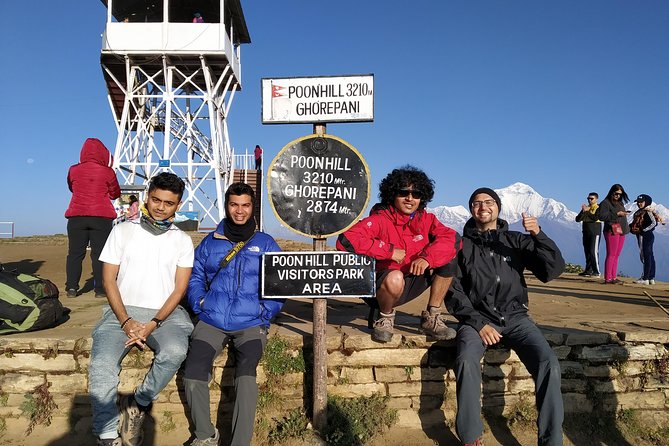
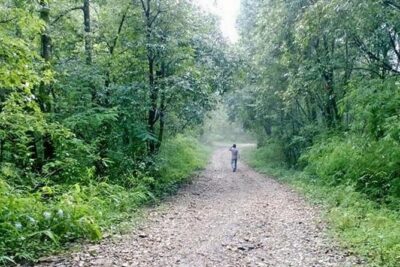
Day 1 centers on getting you to Ghorepani, a village perched near the foothills of the Himalayan range. Expect an evergreen forest trekking feel—that’s the main mood-setter here. Trees, shade, bird life, and that cool “mountain air” sensation that changes the moment you start rising.
What you’ll like about this first day is how it sets up tomorrow. You’re not rushing from viewpoint to viewpoint all day. You’re building altitude steadily, meeting local rhythm along the way, and arriving with enough energy to enjoy your evening in Ghorepani.
You’ll also sleep in a tea house, which is the practical heart of this style of trekking. Tea houses are simple places: basic rooms, warm drinks, and food that’s meant to keep you going. It’s not luxury. It is convenient and local, and it helps you avoid the stress of carrying everything with you.
A small consideration for Day 1: meals aren’t included. That means you’ll want to plan a budget for dinner and breakfast. The good news is that you don’t need to carry heavy supplies for food; tea-house options are available for purchase.
Day 2: Poon Hill sunrise and that panoramic viewpoint
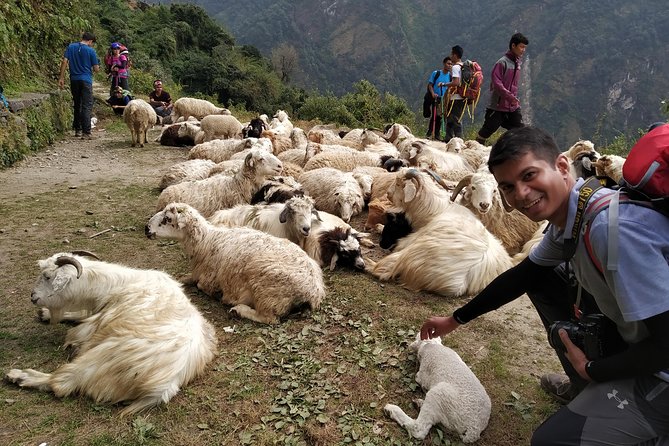
Day 2 is all about one thing: reaching Poon Hill for sunrise. That’s why this trek is popular—because it compresses the classic Himalayan experience into a short timeframe.
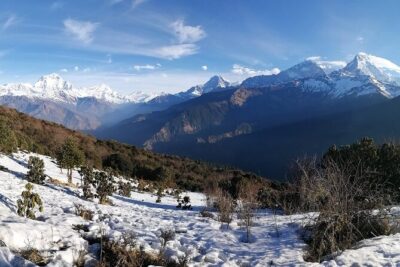
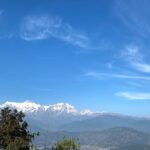
The plan is straightforward. You trek up to the viewpoint, then you stay long enough to catch the light shift. The goal is a panoramic view of the mountain ranges as sunrise glows across the peaks.
This is also where guide skill shows up. Sunrise hikes can feel chaotic if you’re not used to early starts and changing temperatures. Having a guide helps you get moving at the right time and keeps the pace manageable. In the experiences shared by families, guides like Milan Babu Rai and Dadi dai have shown real care—checking in when someone is tired and adjusting effort so the group doesn’t fall apart.
If you’re traveling with kids or you’re not a strong hiker, you’ll appreciate that this is not a multi-day grind. It’s short, focused, and the payoff is concentrated into that sunrise window.
One more practical note: the itinerary lists sunrise time viewing, but it doesn’t spell out a long menu of activities afterward. So if you’re the type who needs a packed schedule, this trek is best viewed as a sunrise-focused experience rather than an all-day sightseeing tour.
Price and what you’re really paying for
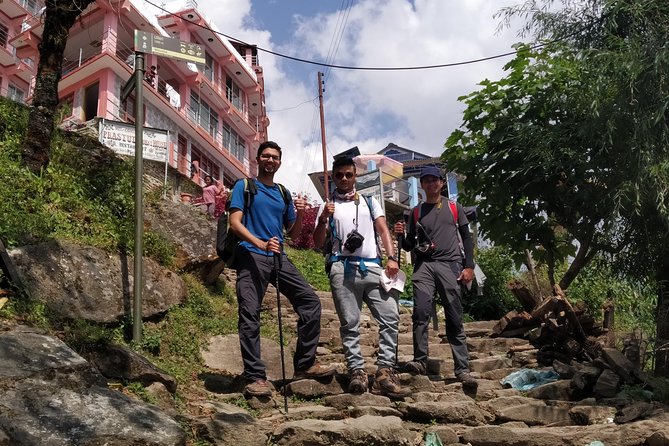
The price is $374.81 per person for a 2-day, 1-night trek based out of Pokhara. On paper, that can sound either fair or pricey, depending on what’s included. Here’s the clearer picture: you’re paying for a lot of the “administration and logistics” that slow down independent travel.
Included:
- Private transportation
- All fees and taxes
- TIMS and conservation area permits
- Guide expenses
- Tea-house accommodation at Ghorepani
Not included:
- Food and beverages (available on purchase)
- Optional gratitude
- Rescue cost in an emergency
So where does the value come from? Mainly from permits and planning. TIMS and conservation area permits can be confusing to organize on your own, and hiring guides for a route like this is part of what keeps the experience smooth. Add private transport and a guided sunrise hike, and the cost starts to make sense—especially if you’re not trying to spend your limited time on Nepal logistics.
Also, you might see group discounts and you get a mobile ticket, which usually means less paperwork hassle. Confirmation is received at booking time, which helps if you’re coordinating days tightly.
What you should watch: meals and drinks are on purchase. If you don’t budget for them, the trek can feel more expensive once you arrive. And rescue costs are not included, which is standard for many trekking experiences. If you’re risk-averse, you’ll likely want to make sure your own travel insurance covers mountain trekking.
Guides you’ll feel good about: Milan, Ravi, and Dadi dai
A trek is only as good as the people guiding it. The standout theme in the experiences shared here is that the guides act like helpers, not just walkers with a clipboard.
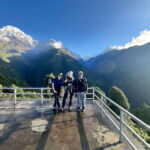
Milan Babu Rai is a name you’ll see connected to real care on the trail. One family described how he carried their child when needed. That’s not a small detail. It tells you the guide is paying attention to the group’s actual energy, not just moving on schedule.
Ravi is another guide name that comes up with people thanking him for arrangements. When someone emphasizes arrangements, they’re usually talking about timing and making the plan work—especially important for sunrise days.
Dadi dai also shows up in the stories with praise for how the trek felt special. Even without details about exact actions, that kind of consistent feedback usually means the guide did the simple things well: kept the group together, explained what to expect, and made the hike feel manageable.
One more point that matters: this experience is described as a private tour/activity where only your group participates. That tends to mean less waiting and fewer surprises.
You can also read our reviews of more hiking tours in Pokhara
Getting your pace right on a moderate-fitness plan
This trek is described as suitable for moderate physical fitness. That doesn’t mean it’s effortless. It means the distance and climbing are realistic for many people if they use a smart pace.
Here’s how I’d treat it:
- Keep steps steady on the uphill stretches.
- Stop when you need to, before you’re completely out of breath.
- Save energy for the sunrise push on Day 2.
You’ll likely feel the altitude shift more than you expect, even on shorter treks. Sunrise hikes often start cold. That means your muscles can feel stiff at the beginning even if the trail is not brutally steep.
If you’re traveling with a small kid, you should feel more comfortable with the knowledge that guides here have helped when someone got tired. Still, kids can’t “train” for sunrise. Build in patience and expect slower moments.
If you’re traveling solo, private transport and a guide still reduce the mental load. You won’t be stuck figuring out timing with multiple strangers.
Rainy-season reality: when air clears and trails get tricky
One of the more useful details from the experiences shared here is that someone did the trek in the rainy season. That’s a key consideration because weather changes trekking feel fast.
Rainy-season trekking can mean:
- Slipperier steps on the trail
- More mist or clouds during parts of the day
- A different atmosphere in the forest
At the same time, the same experience mentions clear Himalayan air during the rainy period, which can happen when rain passes and the air sharpens. You might end up with surprisingly good visibility once conditions improve.
The practical takeaway: even if the plan is simple, conditions aren’t fully controllable. So come with flexible expectations for the viewpoint. If you’re going at a time when rain is common, pack for wet weather and be ready for slower footing.
What to pack (so sunrise doesn’t feel miserable)
The itinerary is short, so packing can be light. Still, sunrise trekking needs a few basics. Since meals are not included, you’ll also want a simple snack strategy for the portions of the day when food access is uncertain.
At minimum, think about:
- Warm layers for early morning
- Rain gear if you’re trekking during wetter months
- Comfortable shoes with decent grip
- A small day bag for essentials
If you’re sensitive to cold, plan for it on Day 2. Sunrise means low temperatures at the start. Even if afternoons feel mild, the early hours can catch you off guard.
If you’re traveling with a service animal, note that service animals are allowed, which is helpful for accessibility planning.
Booking fit: who this trek suits best
This is a strong choice if:
- You only have 2 days and you want classic Himalayan views
- You prefer a guided plan over route-finding
- You’re okay with tea-house style accommodation
- You want a sunrise viewpoint without a long multi-day trek
It might not be ideal if:
- You want meals, drinks, and snacks fully included in the price
- You hate early mornings
- You’re looking for a long list of different sights beyond the sunrise moment and the Ghorepani night
The experience description also highlights it as good for people on a hurry. That matches how Poon Hill trekking works best: efficient, focused, and view-heavy for the time you spend walking.
Should you book this Poon Hill trekking?
Yes, if you want maximum view time for minimum days. The combination of permits included, tea-house accommodation, and a guided sunrise makes it a practical value, especially when you factor in that food isn’t included and you’re still paying for logistics.
My decision rule for you:
- If sunrise is the main reason you’re coming, this plan hits the target.
- If you want comfort plus a short walking commitment, it fits well.
- If you’re already a confident hiker and want total independence, you might find other options. But for a short, low-stress trek, Peak to Peak Tours and Treks Pvt Ltd is set up for exactly that.
If you’re deciding between “two days” and “something longer,” ask yourself what you really want: more trekking days, or the sunrise experience. This trek chooses sunrise, and it does it in a way that’s easier on time and schedule than most Himalayan itineraries.
FAQ
How long is the Annapurna 2 Days 1 Night Poon Hill Trekking?
It runs for about 2 days.
Where does the tour start?
The tour is based in Pokhara, and pickup is offered.
What’s included in the price?
The package includes private transportation, all fees and taxes, TIMS and conservation area permits, guide expenses, and tea-house accommodation at Ghorepani.
Is food included?
No. Food and beverages are available for purchase during the trek.
Do I need permits for this trek?
The tour includes TIMS and conservation area permits, so you do not need to arrange them separately.
What about rescue costs in an emergency?
Rescue cost is not included.
Can I bring service animals?
Yes, service animals are allowed.
What fitness level do I need?
The trek is listed as suitable for travelers with moderate physical fitness.
Is there free cancellation?
Yes. You can cancel up to 24 hours in advance for a full refund. Within 24 hours, the amount paid is not refunded.