REVIEW · KATHMANDU
Kathmandu: Cultural Dinner Show with Traditional Dance
Book on GetYourGuide →Operated by Epic Adventures Private Limited (EAPL) · Bookable on GetYourGuide
A night of food plus live dance in Kathmandu. You get Nepali dinner with classics like momo and dal bhat, then you watch folk dances explained by an English-speaking guide and performers. What I like most is that you are not just watching from the back row; you hear the meaning behind the music and movements, and you get a chance to interact. The second big plus is the live soundtrack, with tabla, sitar, and madal played during the show.
The one thing to consider is that this is a fixed dinner-and-show format. If you have food allergies, it may not be a good fit, and drinks are not included, so plan on spending extra for water or alcohol if you want it.
In This Review
- Key Points You’ll Care About
- Kathmandu’s Thamel Dinner Show: Why It’s a Smart Use of One Evening
- Getting There in Thamel: Walking Pickup and Simple Timing
- The Meal Plan: What You’ll Actually Eat During the Dinner Show
- The Dance Program: Tamang Selo, Newari, and the Terai Tharu Moment
- Live Music You Can Follow: Tabla, Sitar, and Madal in Action
- Interaction Time: How to Ask Questions and Join In
- Price and Value: Is $18 for Two Hours Worth It?
- Who This Works Best For (And Who Should Skip It)
- My Booking Advice: Book If You Want Food, Music, and Meaning
- FAQ
- FAQ
- How long is the Kathmandu cultural dinner show?
- Where does the dinner show take place?
- How much does it cost?
- Is pickup included?
- What food is included with the show?
- Are drinks included?
- Will I understand what I’m watching if I speak English?
- Are there any limits for people with allergies?
- What should I bring?
- Is there cancellation and flexible booking?
Key Points You’ll Care About
- Dinner included, not just entertainment: You’ll eat a full Nepali menu before or during the show.
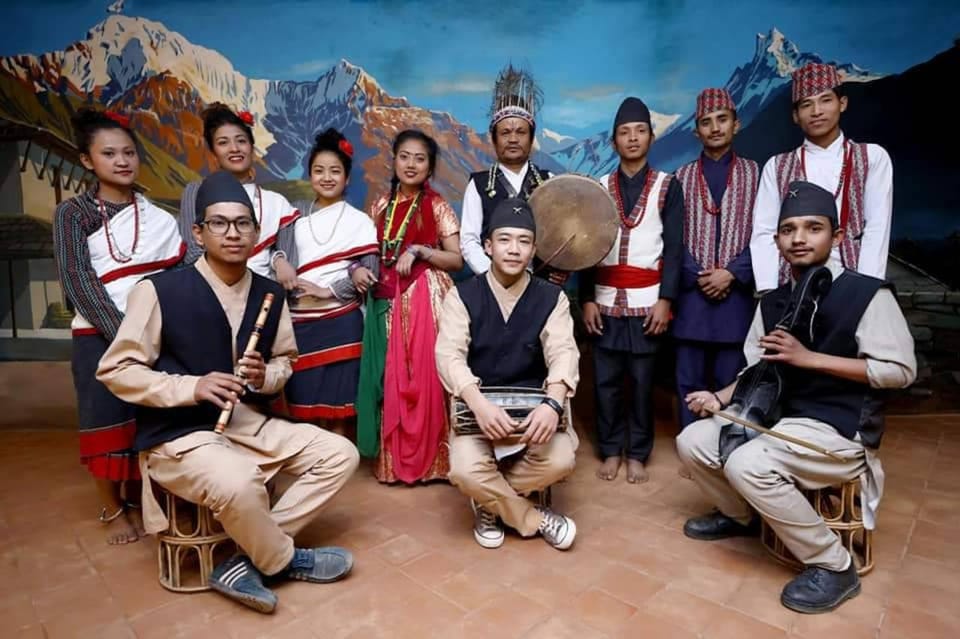
- Folk dance lineup with context: Tamang Selo, Newari dances, and a Terai Tharu dance come with explanations.
- Live traditional instruments: Expect tabla, sitar, and madal, not recorded music.
- Limited pickup area: You get walking pickup within Thamel; going outside Thamel costs extra.
- Interactive moments: You can ask questions and even join in.
- Bring cash for drinks and extras: Drinks are not included, and the tour asks you to bring cash.
Kathmandu’s Thamel Dinner Show: Why It’s a Smart Use of One Evening
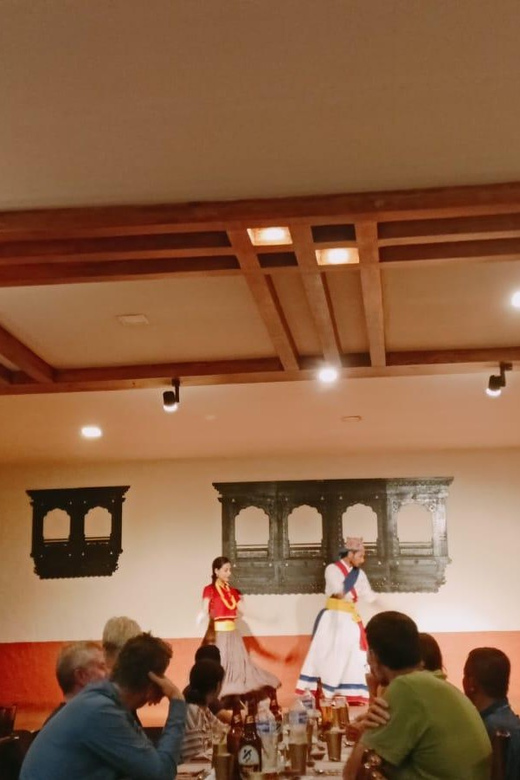
If your Kathmandu plans are busy, this is an easy win. You trade planning headaches for a structured, two-hour evening that stacks three things you want in Nepal: food, music, and dance. It also works well for first-timers because you’re in Thamel, where you can usually find your way without much stress, and the evening is guided in English.
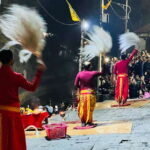
The heart of the experience is simple: you eat, then the stage comes alive. Dancers appear in colorful costumes, live musicians sit right in the action, and the guide helps you understand what you are seeing. That context matters. Without it, dance can feel like one more performance. With it, you start spotting patterns—rhythm changes, group formations, and how certain movements connect to the music and region it represents.
I also like that it leans into Nepal’s variety. You are not stuck with only one cultural style. The program includes dances associated with groups like the Terai Tharu community, plus Tamang Selo and Newari dances. You finish the night feeling like you saw more than one “generic Nepal dance.”
You can also read our reviews of more tours and experiences in Kathmandu
Getting There in Thamel: Walking Pickup and Simple Timing
You start with either a pickup at Pakanajol in Thamel or a pickup point in Thamel itself. From there, it’s about a 10-minute walk to the dinner show location. This is low-friction, especially if you are staying in the Thamel area and you don’t want to deal with taxis.
Two practical tips:
- If you are outside Thamel, expect an extra surcharge for pickup. The tour is designed around foot access inside Thamel.
- Build in a little buffer for Kathmandu evenings. Streets can be busy, and you’ll want time to find your meeting point and settle in before the food starts.
The show runs for about two hours, so it’s ideal when you want culture but still need energy for tomorrow—no late-night chaos required.
The Meal Plan: What You’ll Actually Eat During the Dinner Show
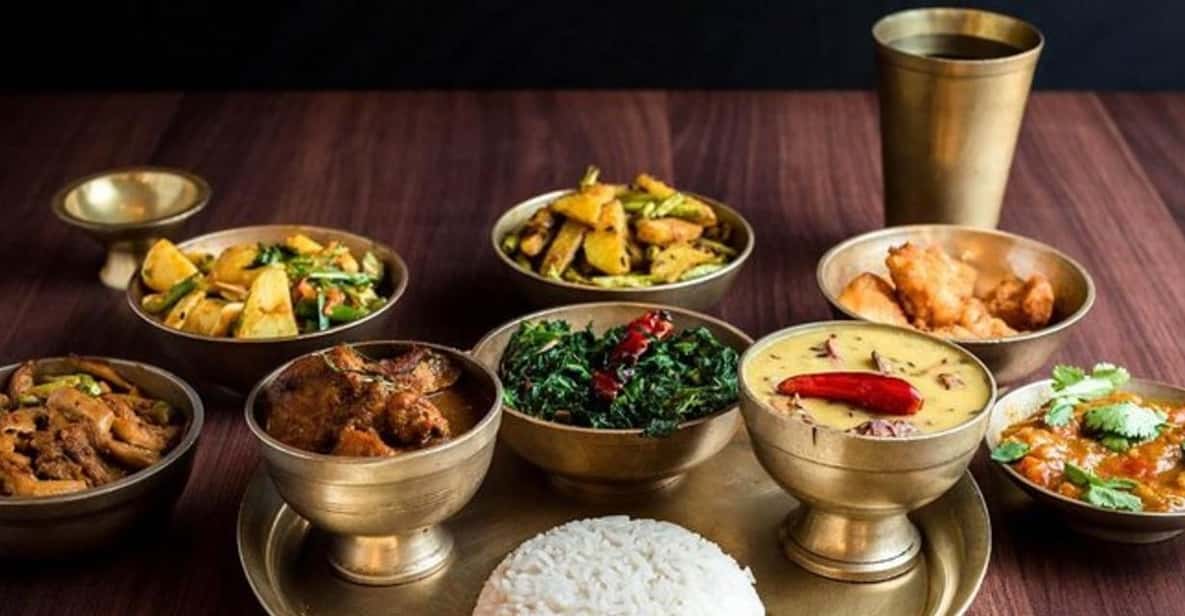
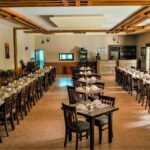
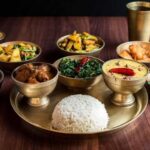
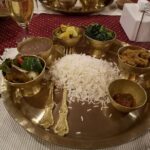
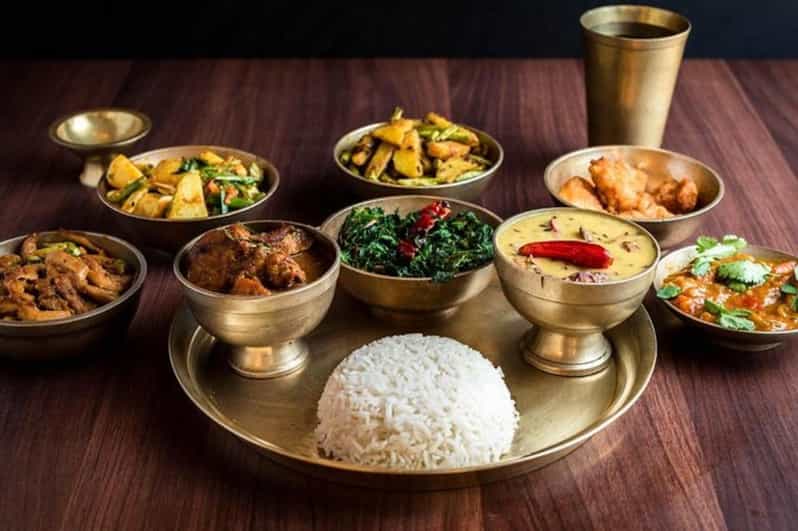
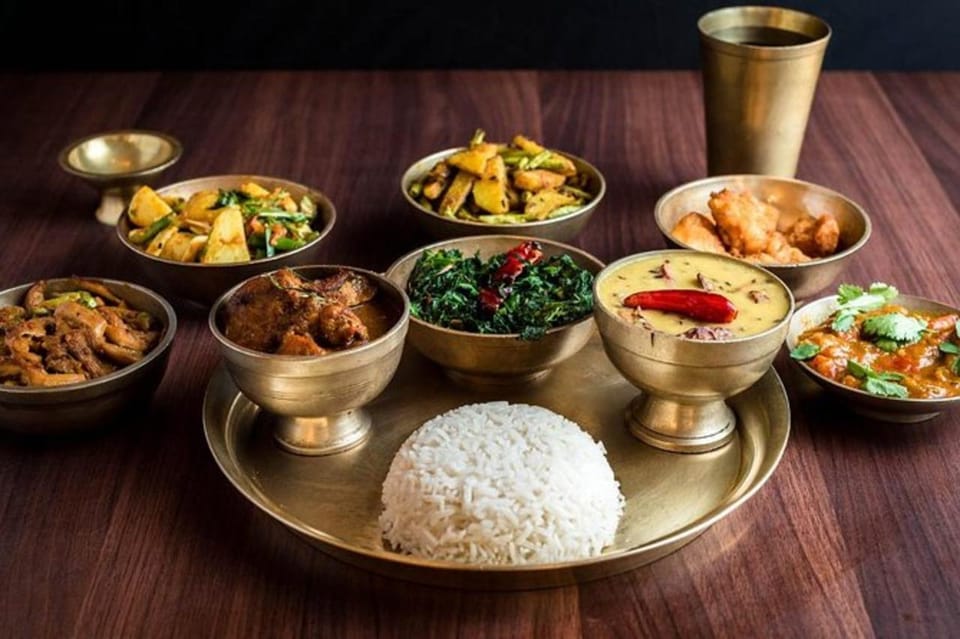
The dinner is part of the ticket price, and it’s the kind of Nepali spread that helps you taste Nepal in a single sitting. Based on the menu, here’s what you can expect:
- Fry Alu: Crispy spiced potatoes. It’s the kind of starter that keeps things friendly if you’re adjusting to new flavors.
- Veg/Chicken Momo: Steamed dumplings with a dipping sauce. You’ll usually get options depending on what’s offered, but the program includes either vegetarian or chicken versions.
- Beans Soup: Hearty, spiced soup built around beans. This is a good way to slow the heat down and keep your stomach happy.
- Dal Bhat with Chicken/Veg/Pork Curry: Lentil soup (dal) plus rice (bhat), served with a curry option. This is a classic Nepali comfort-food base, and it gives you a benchmark flavor for how the rest of the meal works.
- Dessert curd: Thick, creamy yogurt-style dessert, lightly sweetened, with a mildly tangy finish.
Why this meal plan works for you: it balances carbs, spice, and comfort. You get both familiar textures (rice, dumplings) and Nepali flavor profiles (lentils, spice-forward curries). It also makes the show more enjoyable. When the stage starts, you’re not hungry or searching for dinner somewhere else.
One caution: the activity is not suitable for people with food allergies. That’s not a small note—if allergies are part of your needs, you should treat this as a hard stop unless the organizers can clearly confirm safe ingredient handling for your specific triggers.
The Dance Program: Tamang Selo, Newari, and the Terai Tharu Moment
This is where the evening becomes more than entertainment. The performers don’t just move; they explain what’s going on. That matters because different Nepali dances carry regional identity and specific meaning tied to their community traditions.
You’ll see:
- Tamang Selo: A dance with strong rhythm and a feel rooted in Tamang culture. The style is often energetic and repetitive in a good way, like it wants to pull the group into a shared pulse.
- Newari dances: Newar performance traditions are known for distinct movement patterns and musical phrasing. Here, you’ll learn what each dance and musical piece represents.
- The iconic Tharu dance from the Terai region: This one is a standout because it shifts the emotional tone. The Terai is different geographically and culturally from the hills, and the dance style reflects that energy.
A detail I’d emphasize if you care about understanding what you watch: the show includes explanations about the significance of each dance and musical piece. Even if your Nepalese cultural knowledge is zero, the guide’s commentary gives you something concrete to track while the dancers perform.
Also, keep an eye on costume changes. Many dance styles use color, accessories, and fabric movement to communicate region and character. When you understand that goal, the stage picture becomes more legible.
Live Music You Can Follow: Tabla, Sitar, and Madal in Action
The music is not background noise here. It’s the engine of the show, and you can hear the traditional instruments shaping the pace of the dances.
The instruments named for the program include:
- Tabla: Percussion that drives timing and intensity.
- Sitar: Melodic lines that add a distinct Nepali sound world.
- Madal: A drum that helps build volume and momentum.
If you’ve ever watched a folk performance where the instruments feel locked to the dancers, you’ll recognize that coordination here. The rhythm cues can make the dance movements feel purposeful rather than random. It also helps you enjoy the show if you don’t speak the language. You can still read the music.
And because the music is live, the energy stays unpredictable in a good way. Watch for moments where the beat tightens or loosens—those are often cues dancers use to shift style.
You can also read our reviews of more tours and experiences in Kathmandu
Interaction Time: How to Ask Questions and Join In
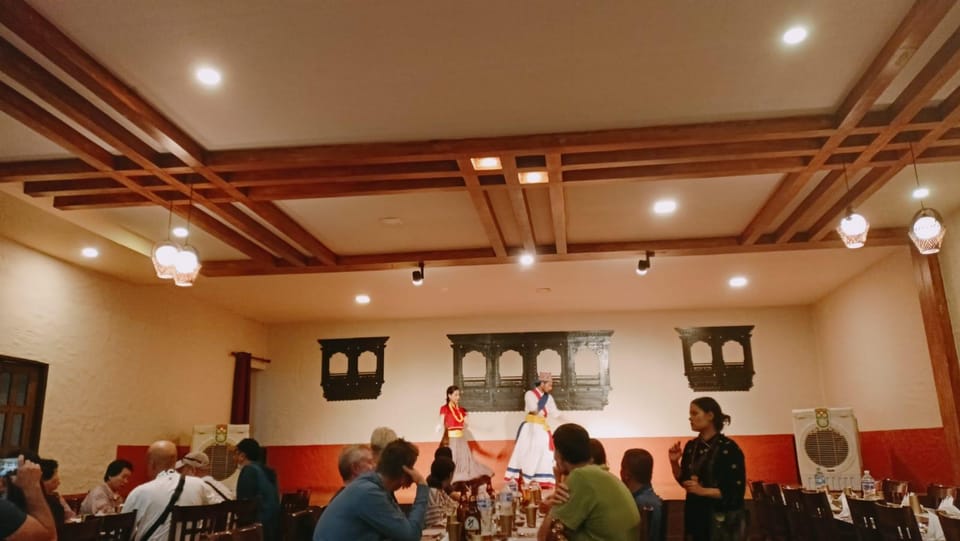
One reason this kind of dinner show earns repeat bookings is the human part. You get opportunities to interact with performers, ask about the dances, and join in festivities yourself.
Here’s how to make that time work for you:
- Ask about the dance you’re currently watching. The performers can connect movement choices to the music and to the tradition.
- If you want to join in, listen for the moment the group invites participation. Don’t force it too early—wait for the cue.
- Use your camera, but don’t let it block the explanations. Short photos are fine; prolonged filming can interrupt the flow.
This is also where the English live guide helps most. You can ask for context without needing to translate everything in your head.
Price and Value: Is $18 for Two Hours Worth It?
At $18 per person for about two hours, this is priced like a budget-friendly cultural evening. The key question for value is what’s included.
Here’s the value math in plain terms:
- You’re paying for traditional Nepali dinner (multiple dishes listed).
- You’re paying for live cultural show with music and dance.
- You also get English guidance and chances to interact.
So if you were to price these separately—dinner plus a ticketed performance—it typically costs more than a single bundled experience. That’s why $18 feels reasonable.
Two costs to plan for:
- Drinks are not included.
- Pickup outside Thamel costs extra.
If you stay in Thamel and you keep drink spending minimal, this ticket looks like a solid deal.
Who This Works Best For (And Who Should Skip It)
This experience is a good fit if you:
- Want a culture-focused evening without a complicated itinerary
- Are staying in Thamel and want something walkable
- Like folk dance and want the meaning behind it
- Prefer English guidance for context
- Want a full meal included, not a snack
It may not work well if you:
- Need allergy-safe food (it is not suitable for people with food allergies)
- Want flexibility to order your own menu (this is a set dinner format)
- Expect drinks to be included (they are not)
If you’re traveling with kids, it can still be enjoyable because the show includes interactive moments—but you’ll want to be realistic about spice levels and the set dinner.
My Booking Advice: Book If You Want Food, Music, and Meaning
I’d book this if you have one free evening in Kathmandu and you’d like your cultural stop to be both structured and fun. The combination of a Nepali meal plus live dance, with explanations in English, gives you more than a standard dinner show.
Before you reserve, do two quick checks:
- Confirm whether the menu works for you. Since it’s not suitable for food allergies, don’t treat this lightly.
- Bring cash if you want drinks or small extras. The tour setup specifically asks you to bring cash and a camera.
One more practical note from what people describe about similar cultural programs: some bookings mention hands-on food prep like making momos from scratch. Your specific program here is listed as a dinner show, so don’t assume that cooking segment is included. If you want anything hands-on, ask directly when you book.
If you want a straightforward, culturally grounded evening in Thamel, this is an easy yes.
FAQ
FAQ
How long is the Kathmandu cultural dinner show?
It runs for about 2 hours.
Where does the dinner show take place?
It’s in Kathmandu’s Thamel area (Bagmati Zone). Pickup and drop-off are arranged for the Thamel area.
How much does it cost?
The price is listed as $18 per person.
Is pickup included?
Yes, hotel pickup and drop-off within the Thamel area is included on foot. There is an extra surcharge if you need pickup outside Thamel.
What food is included with the show?
The meal includes Fry Alu, Veg/Chicken Momo, Beans Soup, Dal Bhat with Chicken/Veg/Pork Curry, and Dessert curd.
Are drinks included?
No, drinks are not included.
Will I understand what I’m watching if I speak English?
The tour includes an English live tour guide, and you should get insight about the significance of the dance and music pieces.
Are there any limits for people with allergies?
The experience is not suitable for people with food allergies.
What should I bring?
Bring a camera and cash.
Is there cancellation and flexible booking?
Cancellation is free up to 24 hours in advance for a full refund, and the booking option includes reserve now & pay later.