REVIEW · KATHMANDU
Kathmandu: Everest Base Camp Helicopter Tour
Book on GetYourGuide →Operated by Everest Experience and Assistance · Bookable on GetYourGuide
One flight. Everest views on tap.
This Kathmandu to Everest Base Camp helicopter tour is interesting because you swap days of trekking for a fast, high-altitude aerial look at the Khumbu region, with a breakfast break right near famous viewpoints. I love the out-of-this-world sightlines over Everest country from the air, and I love that they build in a proper photo stop around Kalapatthar instead of just flying past. The big consideration is weather: when conditions are off, plans can shift and you may spend more time waiting or flying a different route.
You’ll be picked up early from your Kathmandu hotel, then driven to Tribhuvan International Airport’s domestic area. After a short prep period, you fly via Lukla and then across the Everest region, with close aerial passes of Namche Bazar, Pheriche, Tengboche Monastery, and Gorakshep. Then you land at or near the Everest View area for a breakfast break (on an open terrace when weather allows), before returning to Kathmandu.
The value here is speed plus views. You’re also paying for logistics that are hard to self-arrange—chartered helicopter, small group size (limited to 5), and onboard emergency oxygen tanks. Still, at $1,863 per person, it only feels like a slam dunk if you’re flexible and comfortable with the altitude and the reality that the mountains control the schedule.
In This Review
- Quick hits before you go
- The helicopter route: how you actually get to Everest
- What Kalapatthar does for your photos (and your brain)
- Everest Base Camp area: close views without the 14-day grind
- Breakfast at Hotel Everest View: worth it or just a perk?
- The return flight and the small-group advantage
- Price and value: what you’re really paying for at $1,863
- Comfort, safety, and what to bring at altitude
- Weather plans: the part you should respect
- Service details that matter in the real world
- Should you book this Everest Base Camp helicopter tour?
- FAQ
- How long is the Kathmandu to Everest Base Camp helicopter tour?
- What is included in the price?
- Is breakfast included?
- Where is breakfast served if the weather is bad?
- Does the helicopter land at Lukla?
- How many people are in the group?
- Is there a guide, and what language is used?
- Are there refunds if the flight is canceled for weather?
Quick hits before you go
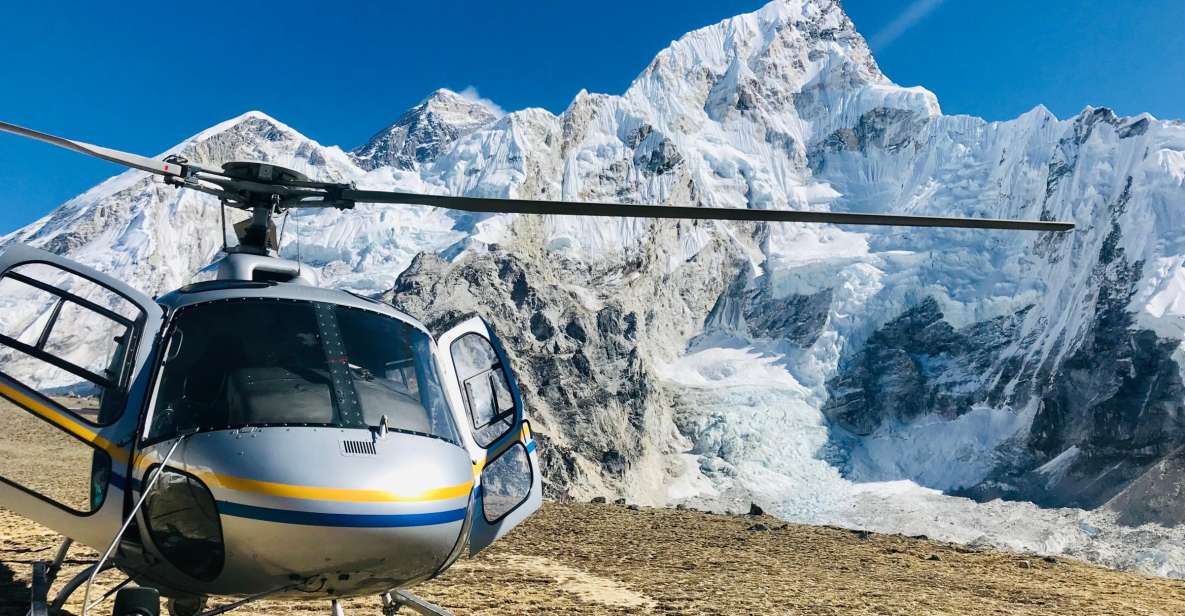
- A real Kalapatthar photo moment from the air: the tour is timed for famous viewpoints around Everest Base Camp.
- Breakfast at ~3,880 meters when conditions allow, with an open terrace and big-sky mountain drama.
- Small group, English live guide (limited to 5) so the experience stays organized without feeling like cattle class.
- Chartered helicopter logistics: hotel pickup/drop-off, airport transfers, and oxygen tanks included.
- Weather-driven route changes: if the Hotel Everest View area isn’t workable, breakfast may happen elsewhere (like Lukla).
- Up-close flying: you’ll glide over the Everest Base Camp area and major Khumbu landmarks rather than treating them as distant scenery.
The helicopter route: how you actually get to Everest
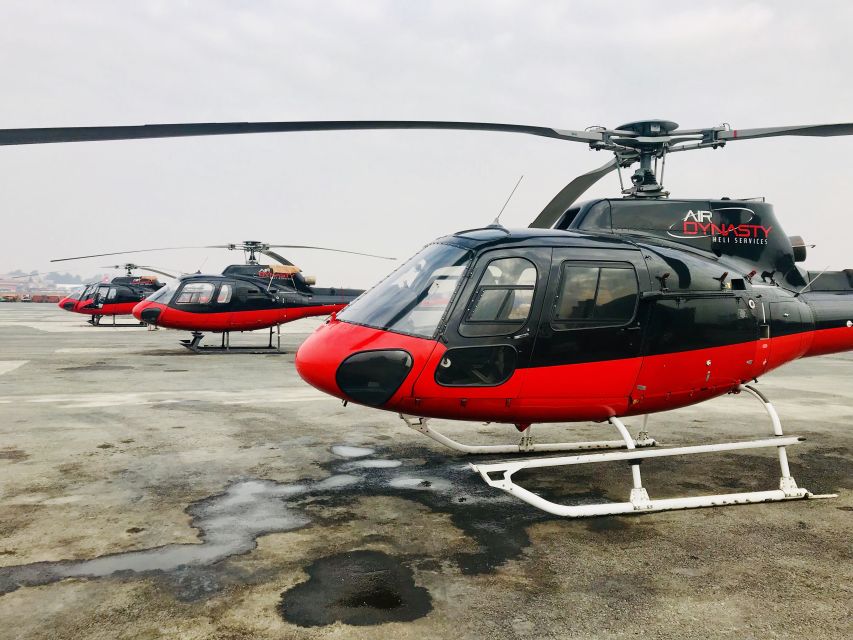
This isn’t a vague “Everest sightseeing” flight. The flow is built like a sequence of altitude and location beats, and that’s what makes the views feel so close.
You’re collected from your Kathmandu accommodation early in the morning and transferred to Tribhuvan International Airport’s domestic area. There’s about 30–40 minutes of preparation time before takeoff. That prep window matters more than people expect. In practice, it’s the time that turns your day from normal travel into a tightly run flight operation—documents, safety checks, and getting everyone sorted before the pilot starts pushing toward higher terrain.
Your first flight segment is roughly 45 minutes over hills and valleys to Lukla Airport (Tenzing Hillary Airport) at about 2,860 meters. Then you land for 10–15 minutes for refueling. That short Lukla stop isn’t just for fuel—it also acts like a rhythm reset. You’ll see more ground detail on the way in, and refueling means you’re not sprinting straight from Kathmandu to the Everest area.
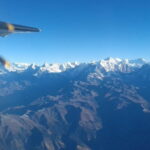
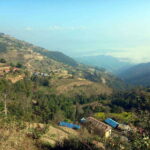
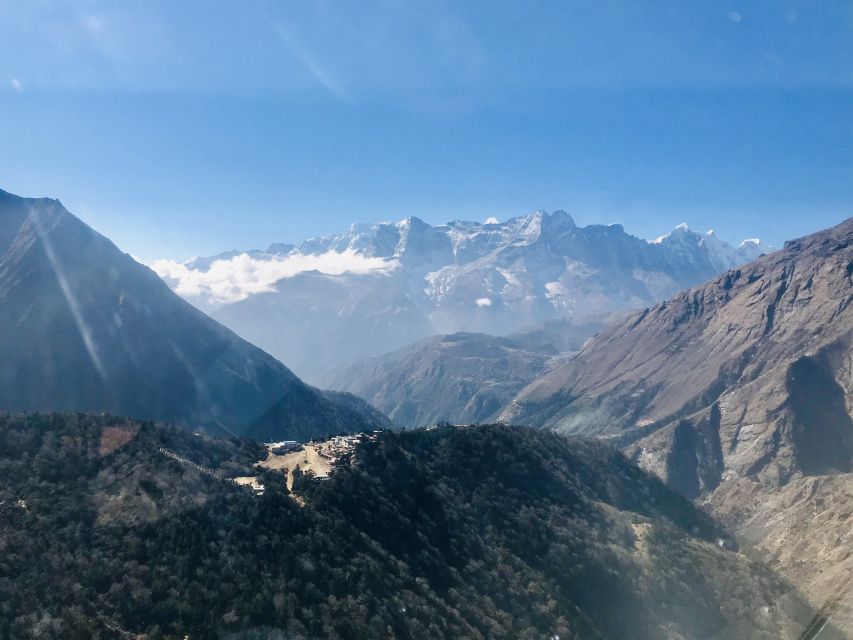
After refueling, you take off again for about 25 minutes over the Everest region. This is the part where the Khumbu town-and-valley geometry really shows up: scattered settlements, bends in the river valleys, and the way ridgelines stack toward the sky. The planned aerial passes include Namche Bazar, Pheriche, Tengboche Monastery, and Gorakshep—major waypoints that most trekking routes revolve around. Seeing them from above makes you understand why hikers get so obsessed with this region.
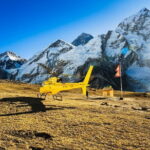
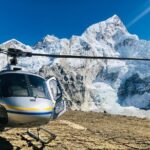
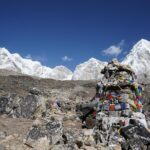
Then the flight lines up for the famous viewpoint area. You’ll make your way up to Kalapatthar, described as about 200 meters above Everest Base Camp, where you can look around and take photographs. After that, it’s another short hop (about 12 minutes) to Hotel Everest View at 3,880 meters for the breakfast break.
You can also read our reviews of more tours and experiences in Kathmandu
What Kalapatthar does for your photos (and your brain)
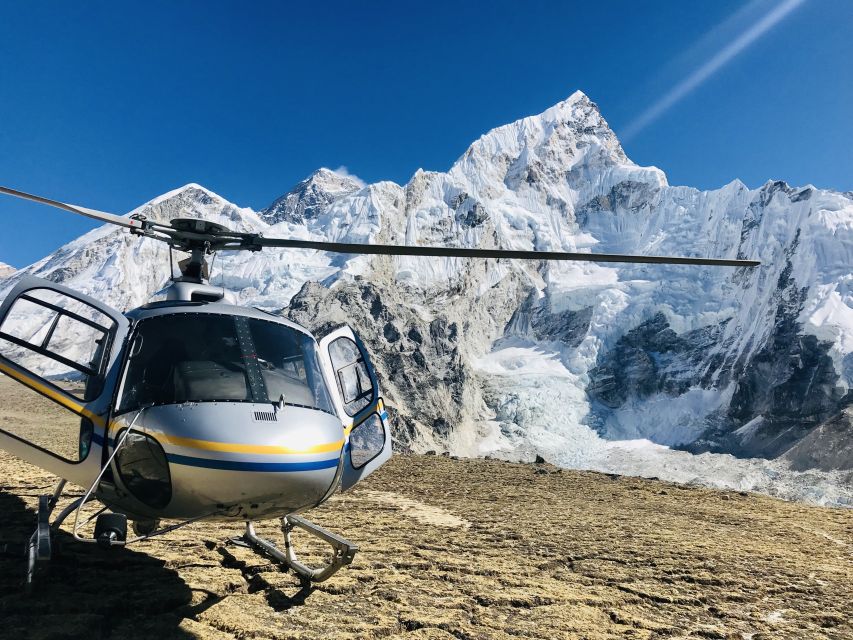
Kalapatthar is one of those places where the name alone doesn’t explain the effect. The tour’s approach helps because you’re not just told it’s a good viewpoint—you’re timed for a moment where the mountain scale hits you in real time.
The itinerary includes a photo stop and look-around time at the viewpoint area after flying over from the Everest Base Camp side. That short window is meaningful. Helicopters are fast, but they can still feel rushed if the plan is all transit. Here, you get time to pivot your camera, check the angles, and actually absorb the mass of the mountains instead of only collecting images.
From a practical standpoint, this is also the segment where your window seats matter. The plan calls out window seating, including a landing at Phiriche for shuttle transfers to Everest Base Camp and the Kalapatthar viewpoint area. That means you’re not stuck craning over seats for glimpses—you can keep your gaze trained on the peaks while the route lines up.
Tip: bring sunglasses and sunscreen. Even when it looks cold, high-altitude sun is bright enough to make unprotected eyes and skin feel annoyed fast. Also, have your phone camera ready before you reach Kalapatthar—there’s no point waiting for the “perfect second” if your fingers are still hunting for settings.
Everest Base Camp area: close views without the 14-day grind
If you’re even considering this, you’re probably already thinking about the classic trekking version. The helicopter tour is basically the fast-track answer: you get the Everest country experience without committing to weeks on foot.
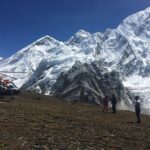
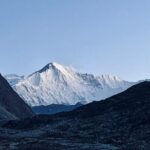
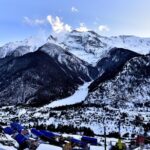
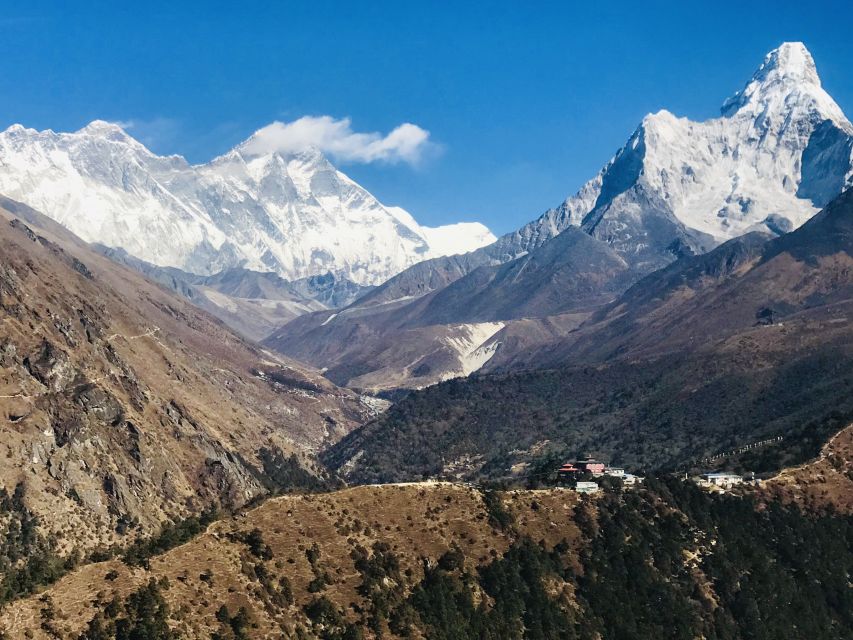
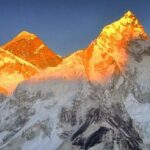
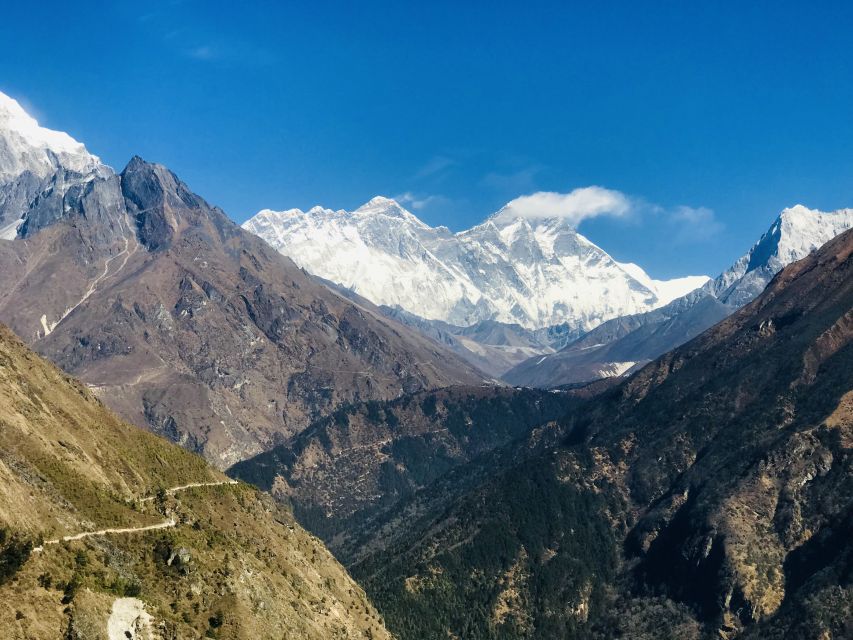
The flight is designed to bring you close to the Everest Base Camp and Kalapatthar viewpoints, plus you’ll fly over Khumbu Glacier. That combination matters because it shows Everest from multiple angles: the jagged mountain faces, the glacier structure, and the big geographic logic that trekking routes follow. Even if you’ve seen Everest photos before, aerial proximity can change how you interpret them. Instead of flat pictures, you get depth—layered ridges and valleys that explain why certain camps exist where they do.
One thing I really like here is that the flight includes recognizable nodes: Namche Bazar, Pheriche, Tengboche Monastery, and Gorakshep. Even if you don’t know every trekking detail, those names cue the idea that this is a real route through real places, not a generic loop.
Breakfast at Hotel Everest View: worth it or just a perk?
The breakfast component is not framed as a cute add-on. It’s timed as a moment where you get to be at altitude and actually pause.
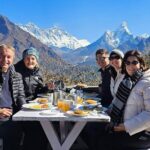
When weather cooperates, you fly to Hotel Everest View (3,880 meters) and get about 45 minutes for breakfast. The plan specifies an open terrace for the meal, which is important. You’re not dining in a windowless room where the mountain experience vanishes. You’re sitting with snowy peaks around you, then you get to watch conditions and light change while you eat.
Food-wise, breakfast is not included in the headline price. Budget roughly $30 USD for the breakfast at Hotel Everest View. That’s not cheap, but it’s also not crazy for being served at an altitude where transporting supplies is a logistical headache. If you’re paying nearly $2,000 for the flight, this extra cost is part of the overall package feel rather than a surprise.
If the weather at Hotel Everest View isn’t good, the plan allows for a landing at Lukla or another location in the region for the breakfast instead. That’s the operational reality of flying in the Himalayas: you plan for a highlight, but you also need Plan B so everyone still gets a meaningful stop rather than just circling for hours.
The return flight and the small-group advantage
After your breakfast break, the helicopter takes another flight of roughly 80 minutes from the Everest View area (noted as HEV, Syangboche) back toward Lukla and then onward to Kathmandu Airport. Then you’re transferred back to your hotel.
That timing is one reason the “duration 4.5 hours” description can feel both accurate and slightly optimistic. In perfect weather, you’ll likely stay close to that estimate. But the mountains can stretch the day. One booking report noted waiting of about an hour due to weather, and another described a much longer disruption when conditions prevented a return from Lukla the same day. The key point: treat this as a half-day plan only if you’re truly flexible.
The small group size (limited to 5 participants) helps a lot. Fewer people means fewer moving parts, faster coordination, and a better chance the guide can keep everyone organized during brief steps like safety briefings, boarding, and viewpoint transitions. The tour includes a live tour guide in English, which is helpful because you’ll want quick explanations when the plan shifts—especially around weather and where the breakfast stop happens.

Price and value: what you’re really paying for at $1,863
At $1,863 per person, this is a premium way to see Everest country. So the real question isn’t whether it’s expensive. It’s whether it’s cost-effective for what you get.
Here’s the value logic I see:
- Time saved: you avoid a multi-day trekking commitment. If you have limited vacation time, the helicopter can be a smart use of money.
- Closeness of viewing: aerial passes and a Kalapatthar-oriented photo stop give you proximity without hiking.
- Operational support: hotel pickup and drop-off, airport transfers, chartered helicopter handling, and onboard oxygen tanks in the aircraft.
- Group control: limited to 5 people, plus English guidance.
Now the cost caveats:
- Additional fees: the tour notes national park fees and airport tax as not included, plus breakfast at the hotel area is also extra.
- Weather risk: if the weather forces rerouting or long waits, the trip’s “4.5 hours” feeling can evaporate. You should plan extra breathing room in your schedule.
If you’re comparing alternatives, think of this not as “transport to Everest,” but as “paid access to a short, high-impact Everest experience”—like buying a front-row seat to the region’s geography.
Comfort, safety, and what to bring at altitude
This is not a casual stroll. Even though you’re in a helicopter, you’ll be operating around high altitudes and cold conditions.
Bring warm clothing. The itinerary involves being at or near viewpoints and breakfast at elevations near 3,880 meters. Sunglasses and sunscreen are practical musts, and you should also bring cash.
You’ll need passport or ID card. Also note what isn’t allowed: luggage or large bags are not permitted. That affects packing. Keep it tight and easy to manage so you’re not fighting straps and zippers while staff are moving everyone through the prep process.
Safety-wise, oxygen tanks inside the aircraft are included in emergencies. That’s a reassuring line item, and it’s part of what you’re paying for: not just the thrill, but the readiness.
One more reality check: the tour is not suitable for pregnant women and for people with mobility impairments or wheelchair users. Even with the best planning, helicopter operations and high-altitude stops can be physically demanding.
Weather plans: the part you should respect
The mountains run on weather. This tour explicitly allows for rescheduling when conditions aren’t workable, and if weather is bad, it will be rescheduled to the next day or so. If the flight is canceled due to poor weather, a full refund is issued except for transportation charges to the airport if you already used them.
That leads to my strongest advice: build in one or two flexible days. This isn’t just a polite suggestion. It’s the difference between a smooth second attempt and a stressful scramble for lodging if plans stretch.
Also, be mentally ready for possible waiting. One booking reported about an hour of standby due to weather. Another described a far bigger disruption, including the need to handle accommodation in Lukla when the return timing didn’t work out. Those are extremes, but they underline the point: treat this as an experience that depends on conditions.
And when plans shift, pay attention to the guide and crew instructions. They’re managing air corridors, landing feasibility, and the safest route to keep the core experience intact.
Service details that matter in the real world
Most of the positive feedback centers on execution: smooth hotel pickup and drop-off, clear communication about what happens before and after the flight, and professional piloting.
At the same time, there’s one recurring human factor to note. One booking feedback mentioned that the person handling documents could be more friendly. That doesn’t change the helicopter ride, but it does affect first impressions and how smoothly you feel about the process right before boarding.
Net effect: if you show up with your ID ready, expect a busy operation, and trust the pilot and guide, the experience tends to go very well.
Should you book this Everest Base Camp helicopter tour?
Book it if:
- You want close-up Everest views without trekking for weeks.
- You’re okay paying a premium for time, organization, and access.
- You can travel with flexibility for weather delays and reroutes.
- You’re comfortable with cold, altitude, and the no-big-bags requirement.
Skip it (or at least think twice) if:
- Your schedule is tight with no buffer.
- You hate uncertainty and would struggle if the day changes length.
- You need accessibility accommodations the tour isn’t designed for.
- You’re hoping for a long, detailed on-the-ground Everest experience like a multi-day trek.
If you can match those conditions, this helicopter tour is one of the most direct ways to turn Everest from an idea into a physical reality—glacier shapes, monastery silhouettes, and peaks that look close enough to touch.
FAQ
How long is the Kathmandu to Everest Base Camp helicopter tour?
The tour duration is listed as about 4.5 hours, but weather can affect timing and may require waiting or rescheduling.
What is included in the price?
Included are hotel pickup and drop-off, one chartered helicopter flight, company charges, and oxygen tanks inside the aircraft for emergencies.
Is breakfast included?
Breakfast at the Hotel Everest View is not included and is listed as approximately $30 USD. Breakfast is served around 45 minutes during the stop.
Where is breakfast served if the weather is bad?
If the weather isn’t good at Hotel Everest View, the plan is to land at Lukla or another location in the region for the breakfast.
Does the helicopter land at Lukla?
Yes. The itinerary includes a brief refueling landing at Lukla Airport for about 10–15 minutes.
How many people are in the group?
It’s described as a small group limited to 5 participants.
Is there a guide, and what language is used?
There is a live tour guide and the language is English.
Are there refunds if the flight is canceled for weather?
There’s free cancellation up to 24 hours in advance for a full refund. If the flight is canceled due to poor weather conditions, a full refund is issued except for transportation charges to the airport if you already used them.