REVIEW · KATHMANDU
Knife Khukuri Making Workshop
Book on GetYourGuide →Operated by I. Experience Nepal Trek And Tour · Bookable on GetYourGuide
You hammer your own Gurkha-style khukuri. This 4-hour, small-group workshop in Nepal shows how a blacksmith with decades of experience turns raw iron into a sharp 6-inch blade with real cultural meaning. I especially liked the hands-on rhythm of hammering the metal and the chance to learn why the khukuri matters to Gurkha identity. One heads-up: you do the safer parts yourself, while the host handles the riskier grinding and sharpening to keep the sparks under control.
I also liked the way the guide explains each step in English and Hindi, so you are not just making something, you are understanding what you are making. Hotel pickup and drop-off, plus tea and snacks, make it easy to fit into a Kathmandu day without a lot of logistics stress.
In This Review
- Khukuri Meaning: Loyalty, Hill-Tribe Tools, and the Blade’s Tiny Symbol
- Your 4-Hour Workshop Schedule in Plain Terms (Hotel Pickup to Take-Home Knife)
- Hammering the Iron: The Moment Your Hands Become Part of the Craft
- First Grinding vs. Host-Only Sparks: How Safety Changes the Experience
- What the Blacksmith With 42 Years of Experience Actually Does
- Handle, Cover, and the Details You’ll Want to Inspect Before You Leave
- Guides, Hospitality, and Conversations That Make It Feel Local
- Price and Value: Why $73 Can Be a Fair Deal Here
- Practical Tips: What to Wear and How to Make the Most of Your Hands-On Time
- Who This Workshop Suits Best (And Who Might Want Another Option)
- Should You Book This Knife Khukuri Making Workshop?
- FAQ
- How long is the Knife Khukuri Making Workshop?
- How much does it cost?
- Where does the workshop take place?
- Will I be picked up and dropped off?
- What part of the knife-making will I do myself?
- What size knife will I make?
- Is the experience suitable for children?
- What should I bring or wear?
- FAQ
- Is a horn/bone cover included?
- What languages will the guide use?
Khukuri Meaning: Loyalty, Hill-Tribe Tools, and the Blade’s Tiny Symbol
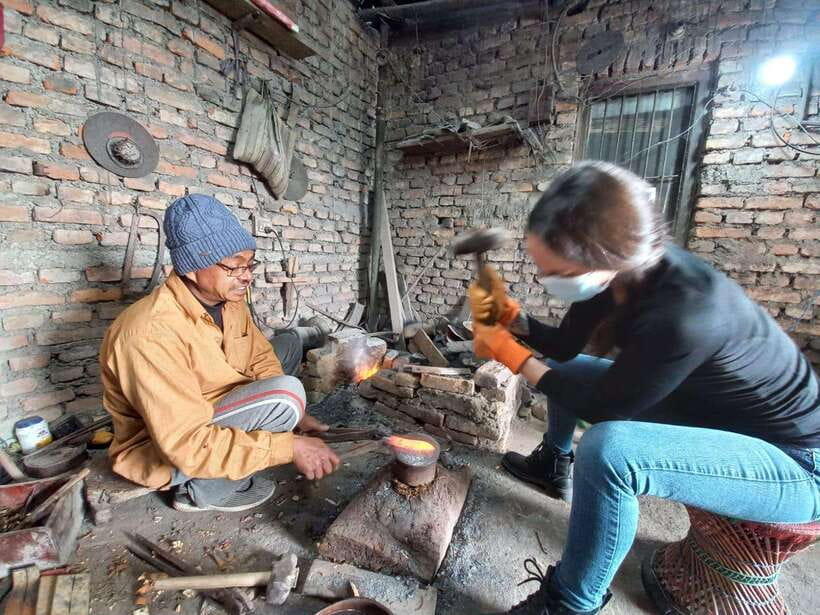
The khukuri is more than a knife you hang on a wall. In Nepal, it is tied to loyalty and the image of the Gurkha warrior. It is also considered traditional across Nepal’s hill tribes, where practical tools often carry deep symbolism.
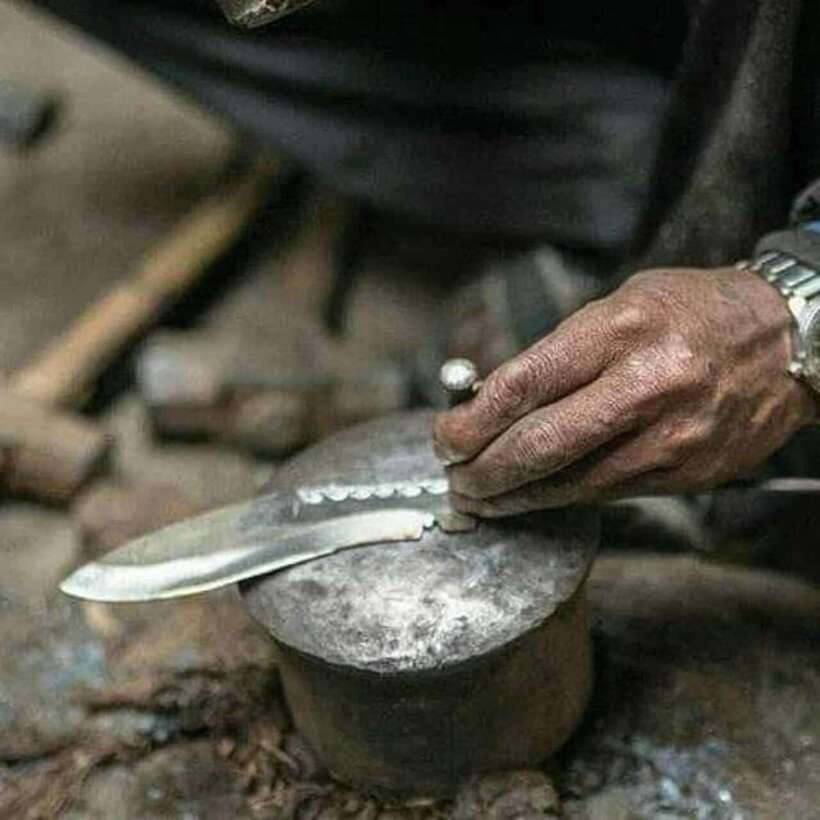
The blade itself is tempered steel: slightly curved and extremely sharp. It is designed to do work. You’ll hear it described as multipurpose, used for shaping timber and also for chopping meat and vegetables. That matters when you think about value. You are not buying a decorative souvenir. You are learning a craft built for real use.
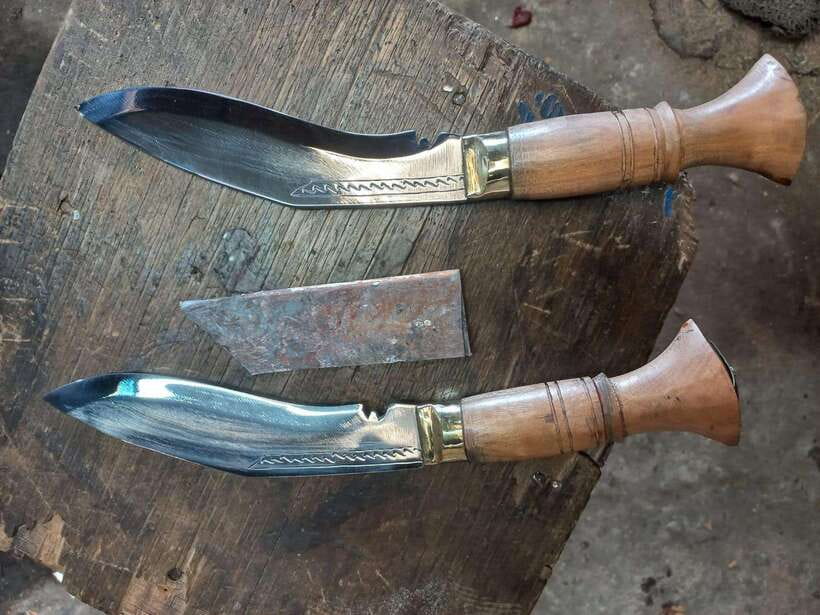
Even the small details have meaning. There is a nick in the blade close to the handle. Functionally, it helps prevent blood from reaching the handle. Symbolically, that nick connects to the Hindu Trinity of Brahma, Vishnu, and Shiva. And when you picture the full tool, the design continues: a wooden handle (often) or buffalo horn, plus a scabbard made of wood and leather.
Your 4-Hour Workshop Schedule in Plain Terms (Hotel Pickup to Take-Home Knife)
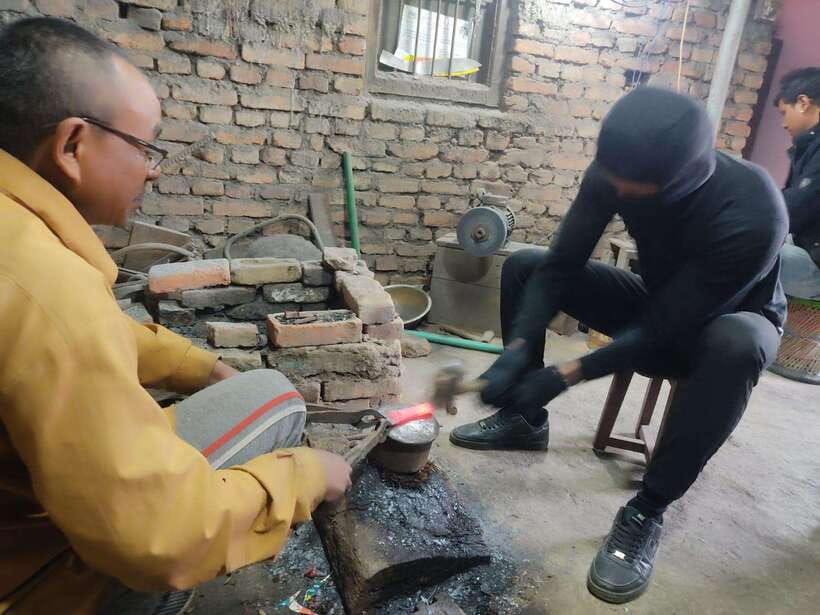
This is a tight, friendly 4-hour session, capped at 5 participants, so you are not lost in a crowd. You get pickup and drop-off from your hotel lobby, which is a huge quality-of-life win in Kathmandu.
Here is how the time usually feels:
First, you go from your hotel to the blacksmith’s home or workshop space. Expect a warm welcome and a quick orientation. The guide’s job is to help you connect the dots: what the khukuri is, why it looks the way it does, and what you will safely do with your own hands.
Next comes the creation part. You will participate in key stages, including hammering the iron into a blade shape and doing the first grinding step. The host will take over the most hazardous parts, especially the blade grinding, so you do not stand in the spark zone.
Finally, you finish with the parts that make the knife feel complete: your blade’s progress, the handle work, and your knife cover. You leave with your own khukuri (a small 6-inch blade) you can actually keep and use.
You can also read our reviews of more tours and experiences in Kathmandu

Hammering the Iron: The Moment Your Hands Become Part of the Craft
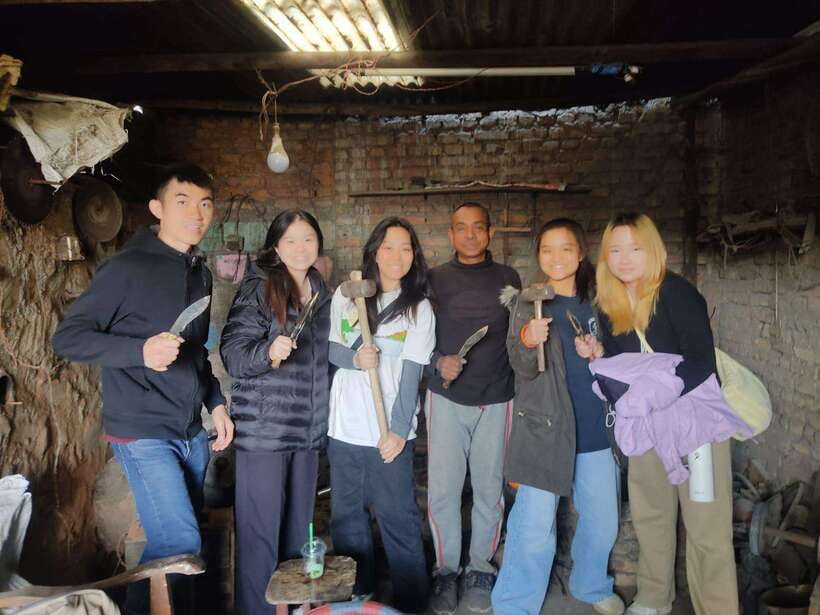
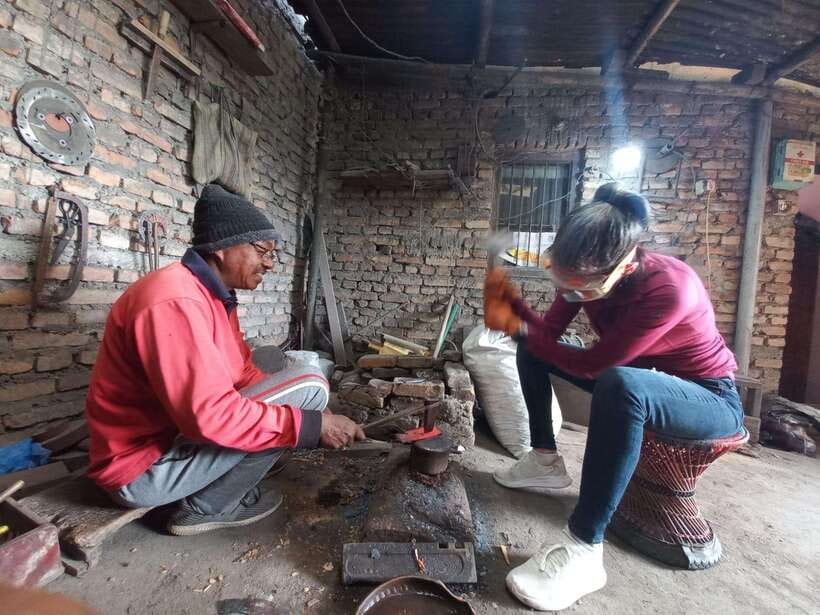
The best part for most people is the feeling of doing something physical with purpose. You start with a raw piece of iron and work toward a blade shape. The workshop is designed around the idea that you learn by helping, not just watching.
When it is your turn at the hammer, you’re not just swinging for fun. You are shaping the metal into a form that can later become a khukuri blade. It is satisfying in a very grounded way. You can see progress while the blacksmith guides you on where you are making the impact.
This is also where the small-group size pays off. With limited participants, you get enough time to actually contribute, not just tap the metal once and move on.
First Grinding vs. Host-Only Sparks: How Safety Changes the Experience
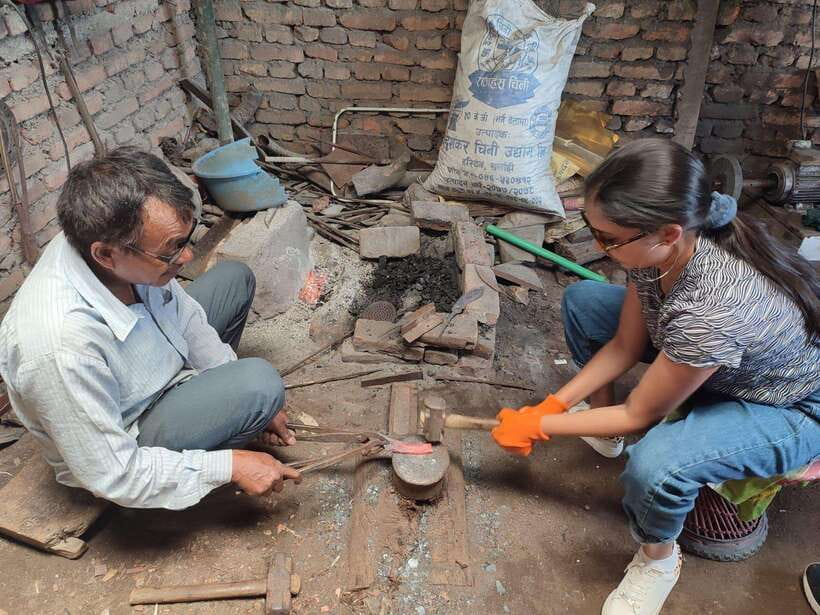
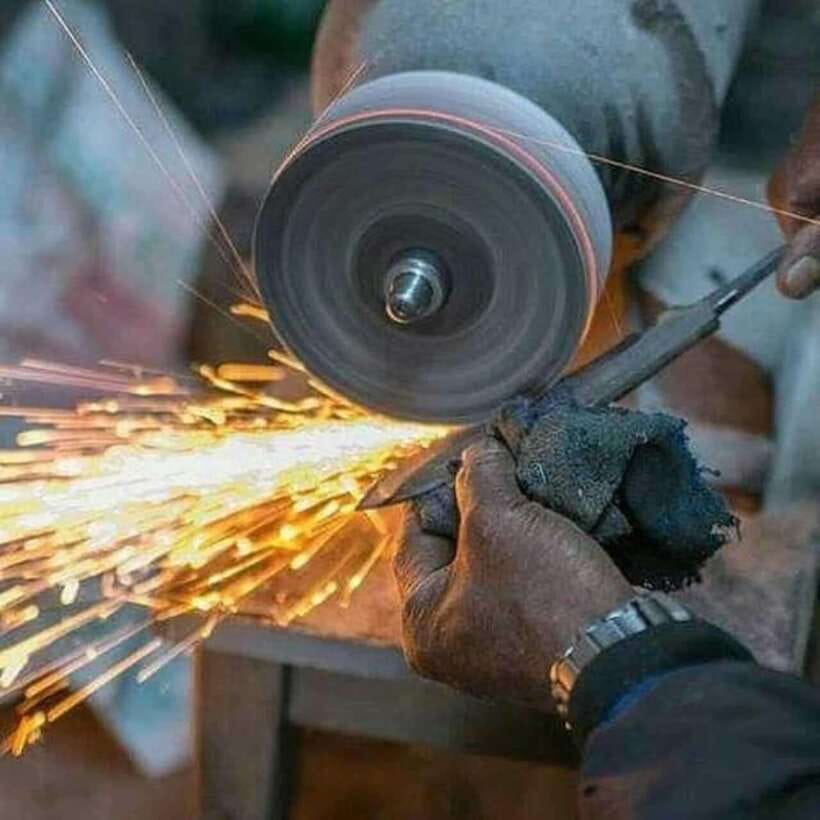
You do get grinding time, but it is the first stage. The workshop is clear on safety: blade grinding is handled by the host. If you are thinking you will stand there doing everything like a movie scene, this isn’t that.
Instead, the process is structured so you can participate while keeping control of heat, sparks, and sharp work. You’ll be advised to stay clear during the spark-heavy steps. That separation is not a letdown—it is part of why this feels confident and well run.
The practical trade-off is simple:
- You do the handwork that builds your understanding.
- The blacksmith does the high-skill work that needs years of muscle memory and exact judgment.
What the Blacksmith With 42 Years of Experience Actually Does
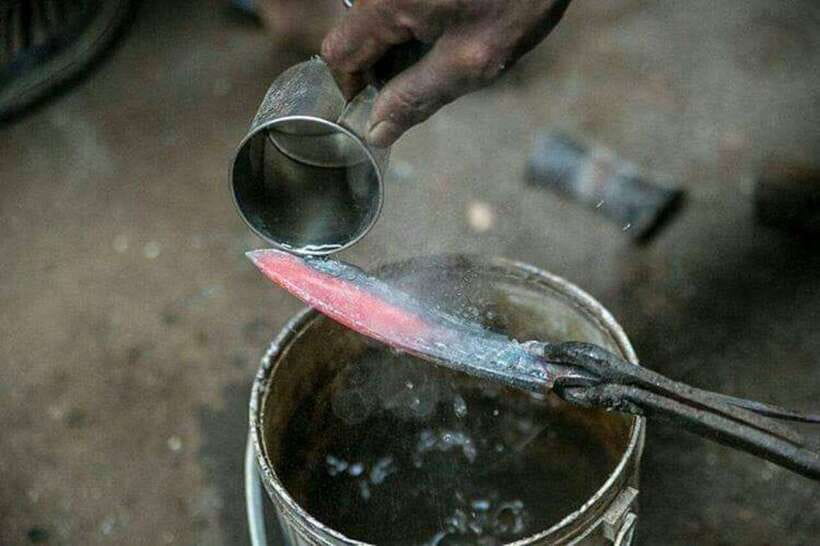
This workshop centers on one major fact: khukuri making takes real skill and time. The host has been crafting knives for about 42 years (some accounts describe around 40 to 45), and you can see that experience in how the work flows.
The host is responsible for the difficult parts—forming the unique blade shape, completing the grinding work beyond the first stage, and taking care of sharpening. Even if you only do the safer steps, you still benefit because you are watching how the expert refines the metal after your hammering.
That is also where the cultural depth shows up. The khukuri blade isn’t just curved steel. The design and the finishing matter because this knife is expected to perform, whether it is used for chopping or for shaping wood.
Handle, Cover, and the Details You’ll Want to Inspect Before You Leave
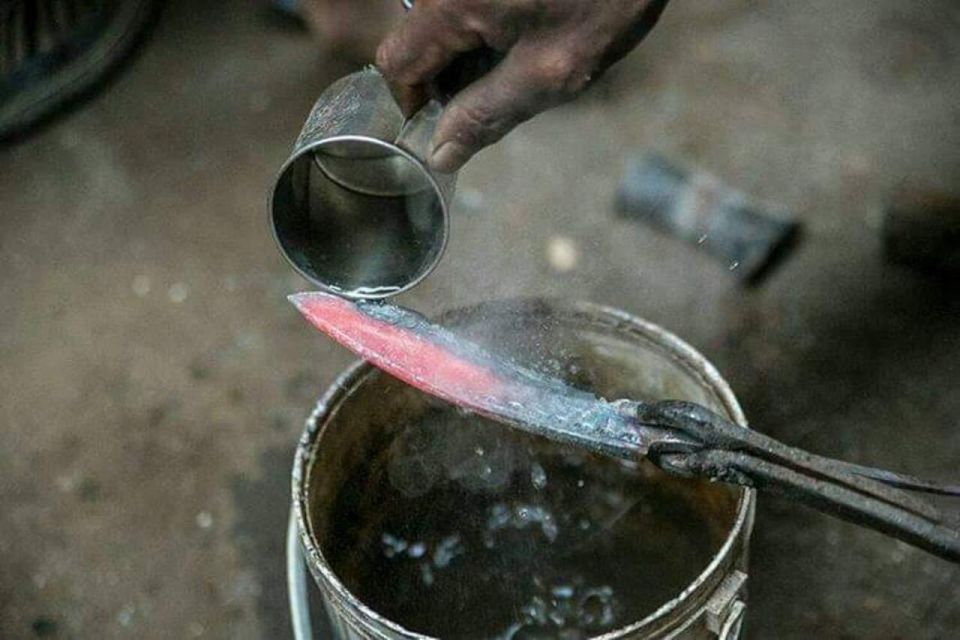
In the workshop, your knife is built with an eye toward what it looks like as a complete tool. The handle is usually wood or buffalo horn, and the blade is matched to a scabbard made of wood and leather.
For you, the key practical detail is what is included. You get:
- your knife cover
- all the tools needed for the steps you do
- tea/water and snacks
There is an extra option that comes up if you want a fancier cover. A horn/bone cover can be made for extra cost, so ask if that is something you are interested in before you finalize your purchase.
Before you walk away, take a moment to check:
- the blade’s finish and curve
- how the handle fits
- how snug the cover feels in its scabbard
Because you made it, you’ll notice these things more than you would with a store-bought knife.




Guides, Hospitality, and Conversations That Make It Feel Local
The craft is the headline, but the guide experience can make or break the day. This workshop includes an English- and Hindi-speaking host/greeter, and the guiding shows up as more than translation. You get context that helps the knife make sense.
In different trips, guides like Namrata, Sajeena, and Swayam have led groups. People also directly highlight Indra as the knife master/blacksmith who shares his craftsmanship.
What I like about this setup is how often conversation turns practical and cultural at the same time. One day might include discussion of the origin and meaning of the khukuri alongside explanations of what each step achieves. Another day may include small moments of home hospitality, like tea and fruit offered during the visit. There are accounts of guava fruit from a garden, plus warm family welcomes.
And yes, one guest noted that Namrata arranged an eagle-feeding experience as an added extra on request. That’s not something I would count as guaranteed, but it does show that the guide attention can go beyond the workshop boundaries if you ask.
Price and Value: Why $73 Can Be a Fair Deal Here
At $73 per person for a 4-hour experience, you’re paying for more than time. You’re paying for access to a skilled craft that takes years, plus a small-group format, pickup/drop-off, safety-controlled instruction, and a take-home knife.
Here is the value equation as I see it:
- You leave with a finished knife (small 6-inch blade), not a small handmade trinket.
- You get tools, cover, tea/water, and snacks included, so you are not hunting around for extras mid-day.
- The small group size keeps the workshop from feeling rushed.
- The host handles the high-skill, high-safety stages, which is exactly what you want if you are paying for expertise.
If you are the type who likes souvenirs, this is a souvenir with weight and function. If you want a factory-style demo with no chance to touch the process, you might find this is more structured than you expect. But if you want to participate and learn, the price starts to look fair fast.
Practical Tips: What to Wear and How to Make the Most of Your Hands-On Time
Do the easy prep before you go:
- Wear long pants.
- Come ready for a hands-on metal workshop atmosphere.
Since you’ll be around grinding and hot work, listen closely to safety instructions. The workshop specifically advises you to stay clear during host-only grinding where sparks fly. That rule is there for a reason, and it also helps keep the pace smooth for everyone.
Also, bring the right mindset. You will not become a blacksmith in four hours. But you will learn what matters: hammering shape, how grinding refines the blade, and how the khukuri’s design ties into identity and practical use.
If you want the experience to feel extra personal, ask the guide about the symbolism you hear—especially the nick near the handle and the Brahma-Vishnu-Shiva connection. Those details are easy to miss unless you ask.
Who This Workshop Suits Best (And Who Might Want Another Option)
This fits best if you:
- want a real hands-on craft in Kathmandu, not just sightseeing
- like learning the story behind objects
- want a small-group experience where your questions get answered
It is also a good match for people who appreciate safety structure. You can participate a lot, but the host keeps the most dangerous steps fully professional.
It is not suitable for children under 10 years, so plan accordingly if you are traveling with kids.
Should You Book This Knife Khukuri Making Workshop?
I’d book it if you want to go beyond a typical Kathmandu tour and bring something meaningful home. The combination of hands-on hammering, guided cultural context, and a take-home 6-inch khukuri feels like a strong value for your day.
If you dislike safety rules or you were hoping for full hands-on grinding and sharpening yourself, this may not match your expectations. But for most people who want real participation with the expert doing the dangerous work, this is the kind of activity that turns into a lasting memory.
FAQ
How long is the Knife Khukuri Making Workshop?
The workshop lasts 4 hours.
How much does it cost?
The price is $73 per person.
Where does the workshop take place?
It takes place in Bagmati Zone, Nepal.
Will I be picked up and dropped off?
Yes. Pickup from your hotel lobby and drop-off are included.
What part of the knife-making will I do myself?
You will participate in hammering the iron and the first grinding. The host handles the other riskier steps, including the blade grinding/sharpening.
What size knife will I make?
You will make a small 6-inch blade.
Is the experience suitable for children?
It is not suitable for children under 10 years.
What should I bring or wear?
Bring long pants.
FAQ
Is a horn/bone cover included?
A horn/bone cover is not included by default. It can be made for an extra cost.
What languages will the guide use?
The host/greeter and guide communication is in English and Hindi.