REVIEW · KATHMANDU
Kathmandu: Private UNESCO World Heritage Site Tour
Book on GetYourGuide →Operated by Outshine Adventure Pvt Ltd · Bookable on GetYourGuide
One day in Kathmandu, and you’ll feel why people come back. This private UNESCO circuit ties together temples, squares, and the big stupa—guided all the way. I love how smoothly the day is organized and I love the human touch of guides like Ramesh and Rajendra Manandhar. The main drawback is that entrance fees and meals aren’t included, so your day will cost a bit more once you’re on the ground.
Kathmandu Valley compresses a lot of sacred geography into one plan, so you’re not stuck mapping routes or guessing what matters. I also like the mix of viewpoints: monkey energy at Swayambhunath, carved temple work around Durbar Square, and the scale of Boudhanath. A fair consideration: the schedule is active, so you’ll want comfy shoes and a calm pace mindset.
In short, this is a strong first-day introduction to Nepal’s most famous holy sites—especially if you want explanations, not just photos.
In This Review
- Key Things That Make This Kathmandu UNESCO Day Worth It
- Kathmandu Valley in One Day: What You’re Really Buying
- Price and Logistics: The Math That Helps You Decide
- Hotel Pickup to Temple Roads: How the Day Feels in Motion
- Swayambhunath Temple and the Monkey Temple Start
- Kathmandu Durbar Square: Temples, Old Stone, and What to Look For
- Boudhanath Stupa: South Asia’s Largest Stupa Up Close
- Pashupatinath Temple: Hindu Pilgrimage, Sweat, and Meaning
- What Your Guide Actually Adds (And Why Names Matter Here)
- Comfort, Safety, and Pace: The Small Details That Make a Big Difference
- Who This Tour Fits Best
- Should You Book Kathmandu’s Private UNESCO Day?
- FAQ
- What sites does this Kathmandu UNESCO tour cover?
- How long is the tour and when does it run?
- Are entrance fees and meals included?
- What languages are the guides available in?
- Do I need an ID for the tour?
- Is there a cancellation and refund policy?
Key Things That Make This Kathmandu UNESCO Day Worth It
- Private transportation from your hotel means less waiting around in traffic and more time on-site.
- Swayambhu plus Monkey Temple gives you a fun, memorable start without rushing.
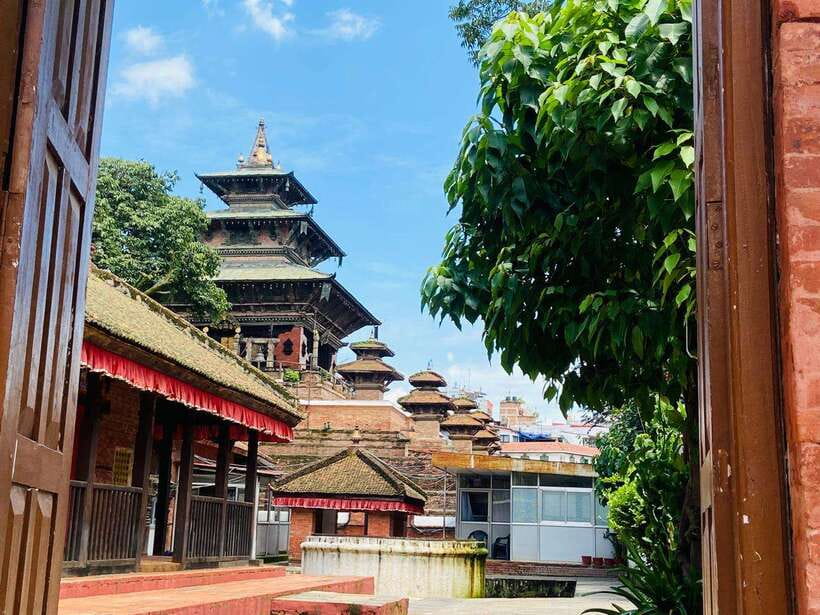
- Durbar Square temple viewing works well if you like stone detail and older-than-you-think dates.
- Boudhanath Stupa’s sheer size hits differently when you’re actually standing in the ring of pilgrims.
- Pashupatinath Temple guidance helps you understand what you’re seeing at a working Hindu pilgrimage site.
- Guides with real follow-through, including Ramesh, Rajendra Manandhar, Niraj, Binh, and Badri Nepal, tend to make the day personal.
Kathmandu Valley in One Day: What You’re Really Buying
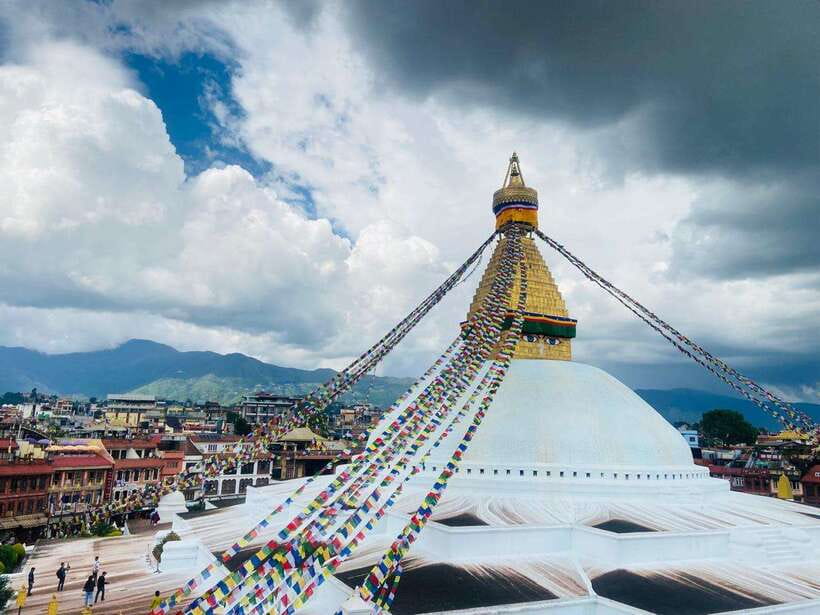
This is a private, 1-day UNESCO World Heritage sites loop around Kathmandu Valley’s big spiritual landmarks. You’re not just checking boxes. You’re moving through spaces that still function for worship, processions, and daily life, then getting your guide’s explanations along the way.
I like that this format gives you context fast. In a single day you see Hindu temple architecture, Buddhist stupa culture, and the way Kathmandu’s sacred geography overlaps with ordinary street life. That matters if it’s your first trip, or if you want a clean orientation before you go exploring on your own.
You’re also paying for time with a real guide and a plan that runs from hotel pickup to hotel drop-off. At $50 per person, that’s not an impulse purchase, but it can be good value compared with cobbling together separate taxis, unclear routes, and fragmented explanations.
You can also read our reviews of more private tours in Kathmandu
Price and Logistics: The Math That Helps You Decide
The headline price is $50 per person for 1 day in a private setup. What you get is clear: an expert tour guide, hotel pickup and drop-off, private transportation, and all taxes.
What you don’t get: meals & drinks and monuments entrance fees. That’s the one place your final cost can creep up. If you’re budgeting tight, assume you’ll pay something extra once you arrive.
On the logistics side, there are two pickup options noted: Kathmandu (including Paknajol Marg) and your hotel area (including pickup from Outshine Adventure, Thamel). Drop-off returns to your hotel in Kathmandu or Paknajol Marg, depending on which pickup you choose. Practically speaking, that saves you the hassle of hunting a ride at the end of a long day.
Also, language is English and Spanish, which is a big deal if you want real understanding rather than just a driver who points.
Hotel Pickup to Temple Roads: How the Day Feels in Motion
This tour is built around a day that starts after breakfast and runs until you’re back in the evening. The rhythm is simple: guide and driver meet you, you transfer between sites, then you walk and look with stops designed for sightseeing and explanations.
One reason people rate the transport so well is that Kathmandu traffic can be a test of patience. Several guides and drivers are praised for being careful, punctual, and good at navigating tight routes. If you’re lucky, you’ll ride in an air-conditioned car, which is not a luxury when you’re walking in the heat.
The other thing to know: the schedule is paced with specific walking windows. For example, Swayambhunath is planned around about 2 hours, and Pashupatinath around about 2 hours. If you want to slow down for photos or linger for a craft shop, the guide may be able to help—flexibility is something that shows up in the feedback.
If you’re the type who hates being rushed, pack patience. But you’re not trapped. The day is long enough that a good guide can adjust your tempo.
Swayambhunath Temple and the Monkey Temple Start
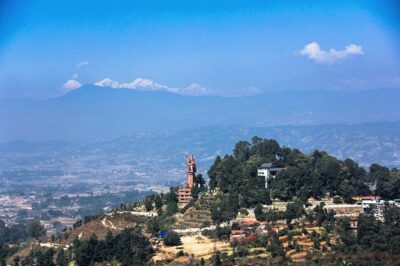
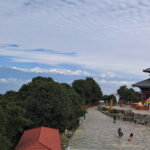
You begin at Swayambhunath Stupa, one of Kathmandu’s signature hilltop sites. It’s a guided walk and sightseeing session planned around 2 hours. This stop matters because it’s one of the fastest ways to get a feel for Kathmandu’s layered spiritual world.
Yes, you’ll hear the nickname Monkey Temple for a reason. The monkeys are part of the theater here, and your guide can also tell you how the stupa fits into local devotion. Expect walking, viewpoints, and that small-sound energy of people praying and chatting in tight lanes.
Practical note: because this is a walking stop, wear shoes you trust. If you’re carrying a bag, keep it controlled. Where there are monkeys, there is always an interest in whatever looks like food or something shiny.
Why I like this opening stop: you get the fun and spectacle early, then the day shifts into deeper temple and stupa context.
Kathmandu Durbar Square: Temples, Old Stone, and What to Look For
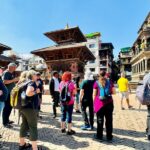
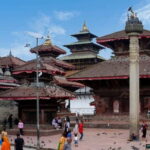
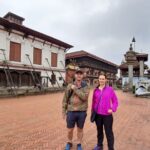
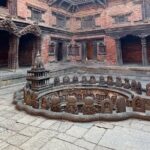
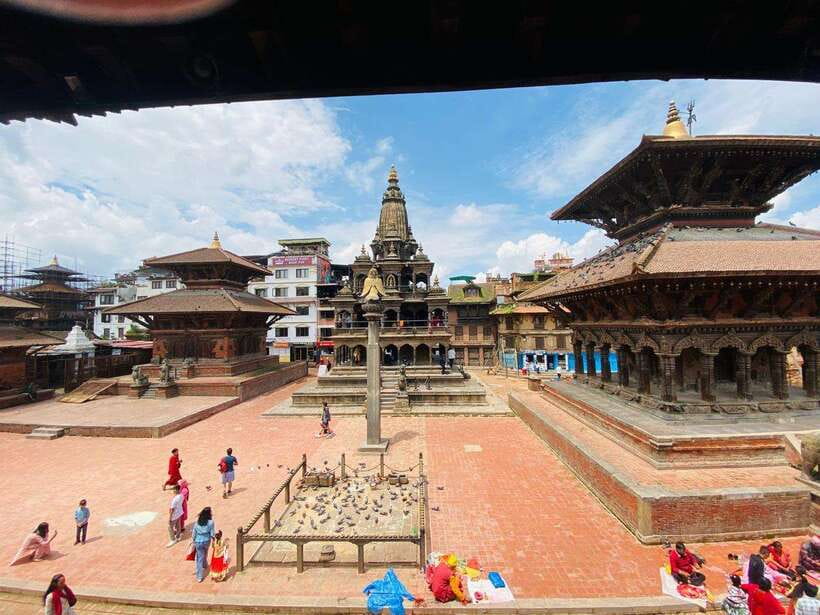
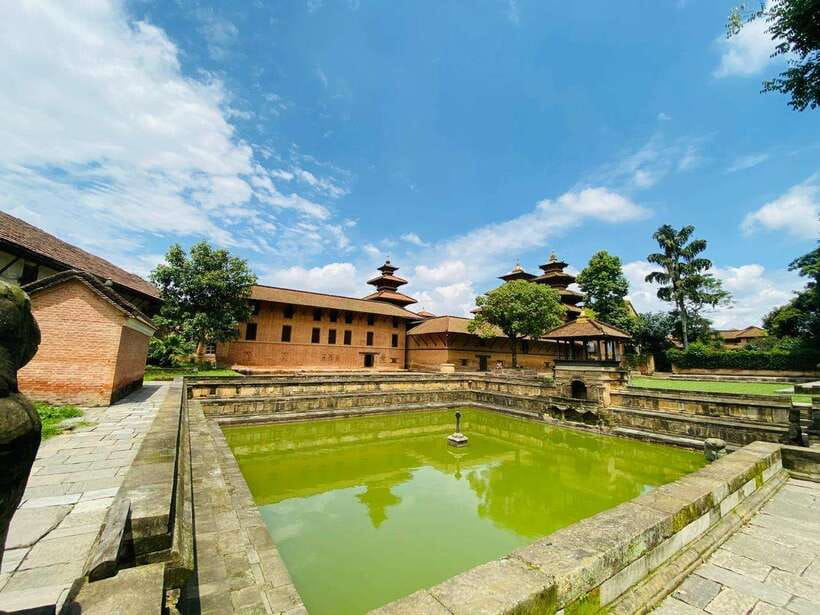
Next up is Kathmandu Durbar Square, with about 2 hours planned for guided viewing and walking. This is where you’ll notice that Kathmandu’s heritage isn’t just in museums. It’s in the shape of plazas, in carved surfaces, and in the way temple complexes sit inside city life.
A highlight here is the age of the temples. This area includes temples dating back as far as the third century, which is a wild thought when you’re standing in a place that also feels everyday and crowded.
What you should focus on: details. Look at the workmanship on temple facades and the way structures relate to the square. Your guide’s role is huge here, because they can connect symbols to local meaning and point out what’s historically important versus what’s just decorative.
Potential drawback: Durbar Square can feel dense. If you get overwhelmed by crowds, plan to take breaks and let your guide “time-box” your attention so you don’t spend the whole visit trying to process too much.
You can also read our reviews of more historical tours in Kathmandu
Boudhanath Stupa: South Asia’s Largest Stupa Up Close
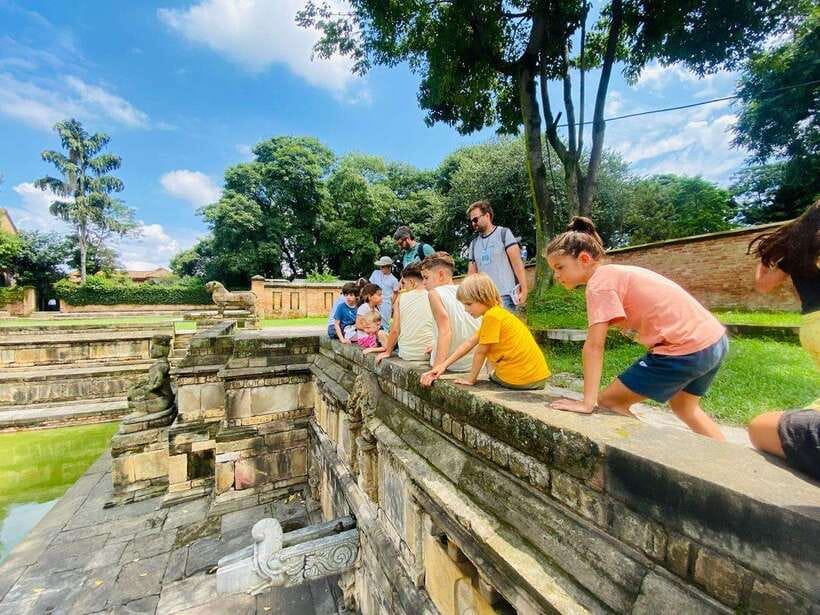
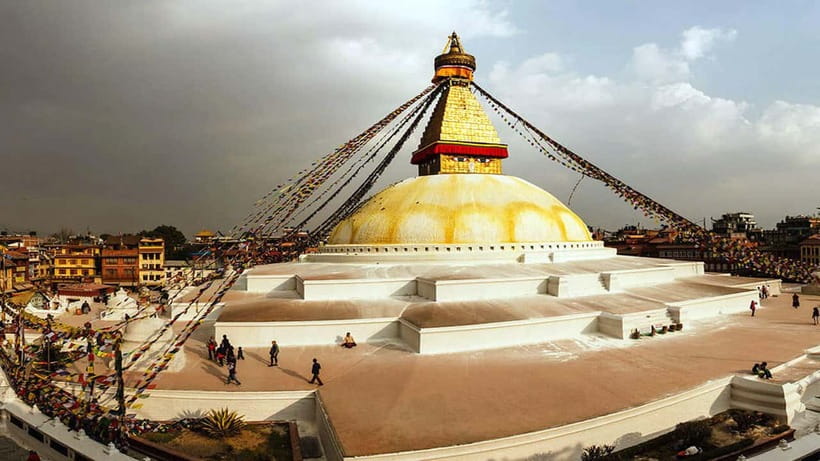
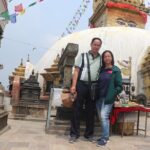
Then you head to Boudhanath Stupa, billed as the largest stupa in South Asia. Your time here is around 1 hour, with guided explanation plus free time for sightseeing and walking.
This stop hits with scale. From the outer ring, you see people circling, praying, and reading the stupa through ritual motion. It’s not a quick look-at-and-leave site. Even with a short time window, you get the main effect: standing beside something that feels designed to slow the world down.
If you’re wondering why a stupa deserves a spot on your list after temples, here’s the simple answer: stupa culture is different. You’ll see Buddhism expressed through the shape of the monument and through how people move around it, not just through building interiors.
Tip for your hour: use your free time on purpose. Don’t just wander. Pause where you can see activity and where the stupa lines up well for photos, then take in the small rituals up close.
Pashupatinath Temple: Hindu Pilgrimage, Sweat, and Meaning
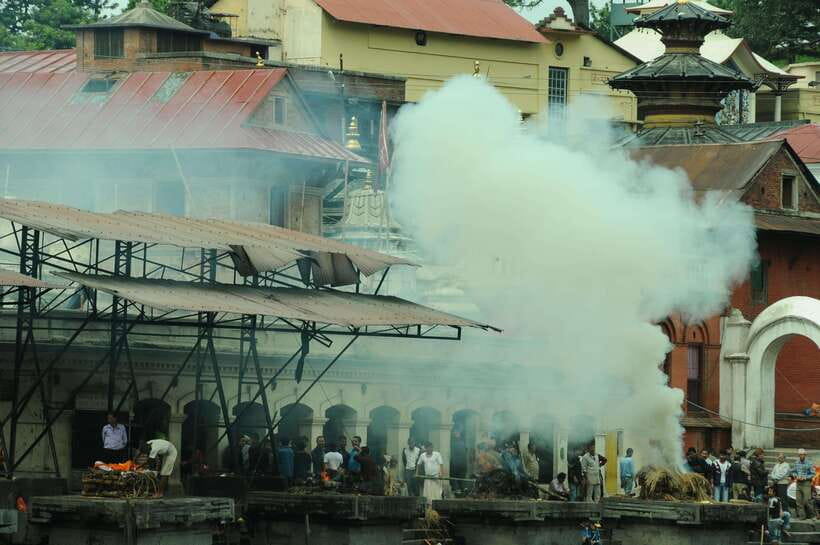
The final major sacred site is Pashupatinath Temple, guided for about 2 hours plus time to explore. This is one of Nepal’s most sacred Hindu pilgrimage centers, and it’s famous for its atmosphere.
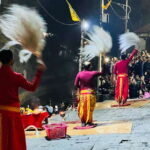
Here’s what makes it more than scenery: the site feels active. It’s not a staged theme park. There are people going about devotion, family moments, and daily routines, and your guide’s job is to translate what you’re seeing into context.
Some mornings in Kathmandu are described as starting with bells from Pashupatinath, and that gives you a sense of how central the temple is to city rhythm. You might not hear bells at the exact moment of your visit, but you’ll still feel the spiritual pull.
Practical consideration: plan for crowds and heat. This is an outdoor temple environment. In one piece of feedback, a guest wished for water provided by the tour. That’s a hint to take hydration seriously, since meals and drinks aren’t included.
If you need quiet reflection, you may find pockets of it when the flow of people shifts. Your guide can often help you find a spot to pause without being in the thickest foot traffic.
What Your Guide Actually Adds (And Why Names Matter Here)
The strongest praise in the feedback isn’t just about route efficiency. It’s about the guides. You’ll see multiple names come up again and again—Ramesh, Rajendra Manandhar, Niraj, Binh, and Badri Nepal—and the common thread is care plus explanation.
In other words, you’re not just hearing facts. You’re getting a guided story about Nepal’s religious traditions, cultural meaning, and how Kathmandu’s UNESCO sites fit into the bigger picture.
I like that the guides are described as:
- Caring and attentive, including taking extra care of individual needs
- Flexible, including handling requests like adjusting time on-site and not redoing places
- Practical, like navigating traffic well and staying on schedule
- Engaged, with answers to questions that go beyond the postcard level
One person even mentioned seeing Kumarina through the window, which hints that part of the experience can include glimpses during transfers, not only at major gates.
If you’re someone who wants to understand what you’re looking at, the guide is the value driver on this tour.
Comfort, Safety, and Pace: The Small Details That Make a Big Difference
A private tour can still be exhausting if it’s badly timed. Here, the comfort details seem to matter: a few people explicitly mention the air-conditioned car, and multiple comments emphasize smooth, careful navigation through busy Kathmandu streets.
Safety is mostly about the practical stuff: staying together, managing traffic crossings, and getting to each stop with enough time to see what matters. The tour design helps because you’re not steering yourself through a dense city while trying to find the right entrance or standing in the wrong spot for a viewpoint.
Pace is the other variable. This is a full day with multiple major sites. If you tend to get tired quickly, you might enjoy the fact that the guide can help you move efficiently between stops while still letting you linger.
My advice: think of this as a guided sampler, not a slow pilgrimage day. If you want slow, pick one site for a longer dedicated visit later in your trip.
Who This Tour Fits Best
This is a smart fit if you:
- Want a first-day introduction to Kathmandu’s most important UNESCO sites
- Prefer a private guide with explanations in English or Spanish
- Like mixing Buddhist stupa culture (Boudhanath, Swayambhunath) with Hindu temple devotion (Pashupatinath, Durbar Square)
- Are short on time but still want the big names seen in one connected circuit
It may be less ideal if you:
- Want lots of free roaming without guidance
- Hate crowds or outdoor heat
- Have a strict budget and don’t want to pay any extra entrance fees on top of the tour price
Should You Book Kathmandu’s Private UNESCO Day?
If you’re weighing this against doing sites on your own, I’d lean toward booking it—especially for your first time in Kathmandu. The combination of private transportation, hotel pickup and drop-off, and a guide who’s willing to explain what you’re seeing makes the day feel purposeful.
Book it if you want your time to count. You’ll see the UNESCO highlights—Swayambhunath, Kathmandu Durbar Square, Boudhanath Stupa, and Pashupatinath—and you’ll understand them more than you would with a map and wishful thinking.
Skip it or rethink it if you’d rather travel slower, or if you’re comfortable figuring out everything solo and paying for guidance separately. Since entrance fees and meals aren’t included, make sure your budget can handle that last step.
FAQ
What sites does this Kathmandu UNESCO tour cover?
You’ll visit Swayambhunath Stupa, Kathmandu Durbar Square, Boudhanath Stupa, and Pashupatinath Temple.
How long is the tour and when does it run?
It’s a 1-day experience after breakfast, ending with drop-off in the evening.
Are entrance fees and meals included?
No. Monuments entrance fees and meals & drinks are not included.
What languages are the guides available in?
The live guide is available in English and Spanish.
Do I need an ID for the tour?
Yes. You should bring a passport or ID card.
Is there a cancellation and refund policy?
There is free cancellation up to 24 hours in advance for a full refund.