REVIEW · KATHMANDU
Everest Base Camp Helicopter Tour with Landing
Book on Viator →Operated by Nepal Hiking Adventure Company - Private Day Tours · Bookable on Viator
Everest in a few hours sounds too good to be true. This Everest Base Camp helicopter tour with landing is one of the fastest ways to get eye-to-eye with the Everest region without committing to days on the trail.
I like that the itinerary is built around real altitude country: you’re flown via stops that help manage operations, then you get major viewpoints from the air. I also like the clean pacing for a short day: an early start, a brief flight segment, a special hotel stop with views, and then back to Kathmandu.
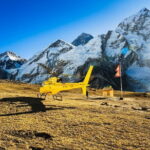
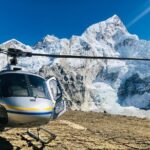
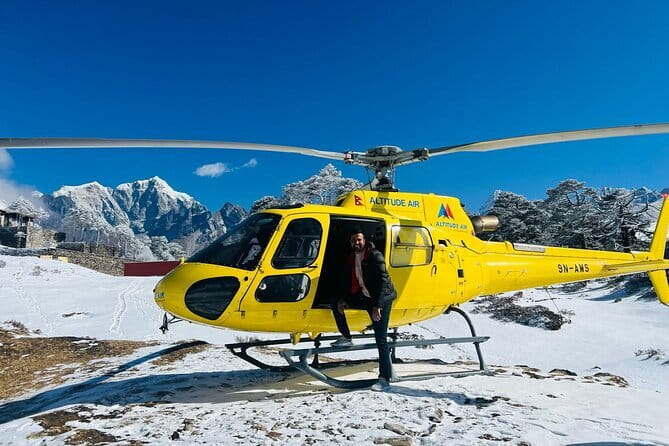
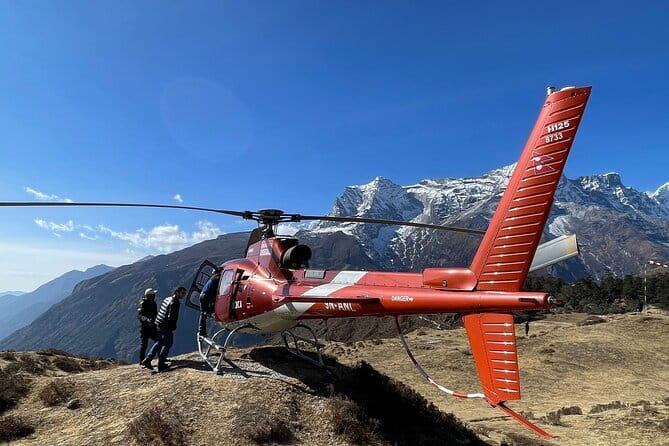
One thing to consider: the name can make people expect a dramatic landing right at Everest Base Camp. In this tour, the flight plan emphasizes flyovers of Everest Base Camp and the Khumbu area, with the clear landing stop at Hotel Everest View.
In This Review
- Key things I found most useful
- Why a 4–5 Hour Everest Helicopter Beat Trekking Time
- Getting to Tribhuvan: the morning grind that makes the flying work
- Lukla and Pheriche: altitude logistics, not a sightseeing break
- Kalapatther flyover views: Everest Base Camp, Khumbu Glacier, and the Icefall
- Everest View Hotel landing: breakfast-style time with the peak in your frame
- Return to Kathmandu: what to expect after the big views
- Price and value: what you’re paying for, and what could cost extra
- Weather, weight limits, and the shared-flight reality check
- Who should book this Everest helicopter tour (and who shouldn’t)
- Should you book this Everest Base Camp helicopter tour?
- FAQ
- What time does the tour start?
- How long is the overall experience?
- Will the helicopter land at Everest Base Camp?
- Is breakfast included?
- Are permits and park entrance fees included?
- What are the weight and group limits?
Key things I found most useful
- 4:45 am start keeps the plan aligned with the best morning flying conditions
- Short flight time (4–5 minutes), but the total experience is longer due to airport and altitude logistics
- Flyover of Everest Base Camp and Kalapatther focuses your time on views rather than ground walking
- Landing at Hotel Everest View for breakfast-style viewing time (breakfast is not listed as included)
- Sharing-basis helicopter means you’re coordinating with others, not running a private charter
- Good weather is required, and the operator may reschedule or refund if flying isn’t possible
Why a 4–5 Hour Everest Helicopter Beat Trekking Time
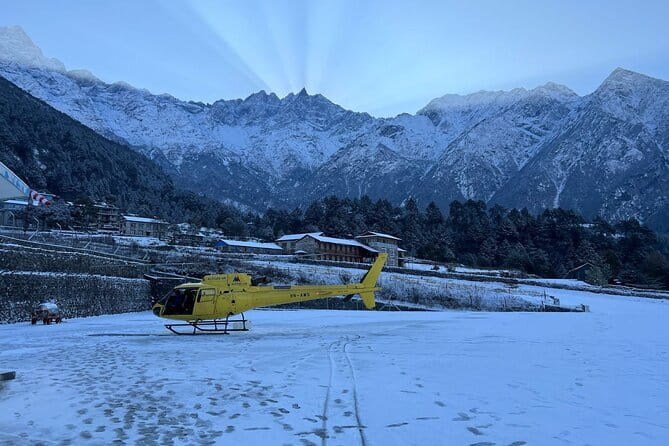
If you’re short on vacation days, this kind of tour can feel like a cheat code. The Everest region is gorgeous, but getting there the slow way takes real time and energy. This experience compresses the “wow” factor into a short window.
The best part is how the flight changes what you see. On the ground, you’re limited by valleys, ridgelines, and long-distance perspective. From the air, you get the shape of the Khumbu glaciers and the scale of the peaks in one glance. That’s what makes this route feel like more than a quick transfer.
And yes, you should know what you’re signing up for. The tour is built for views and positioning, not for a long hike. Expect a short airborne segment, then time spent on the ground in Kathmandu-area airport logistics and at the viewpoint hotel.
You can also read our reviews of more tours and experiences in Kathmandu

Getting to Tribhuvan: the morning grind that makes the flying work
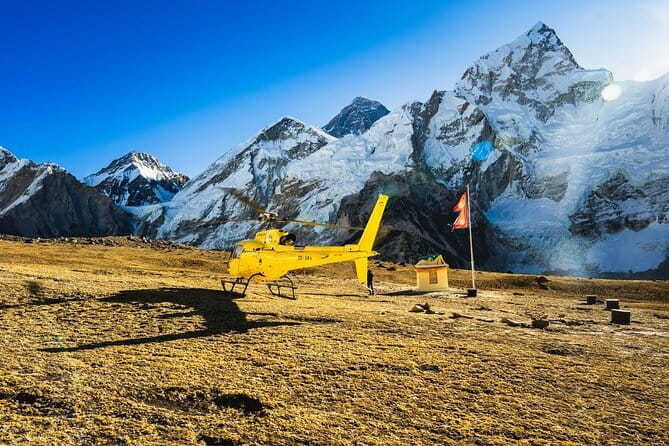
The day starts at 4:45 am, which is early even by Nepal standards. You’re driven to Tribhuvan International Airport and you wait for the flights. This isn’t glamorous, but it’s how morning flying plans typically work when conditions matter.
Here’s what I’d do if I were packing for this: dress in layers. Even if Kathmandu feels mild, the early air can feel cooler once you’re waiting. Also keep your eyes on the basics—water, a light snack if allowed, and a phone charged. You’ll be sitting longer than your flight time suggests.
One practical point: the tour includes an air-conditioned vehicle, so the pre-flight ride won’t be a miserable start. Once you’re at the airport, the experience becomes more about schedules than comfort. That’s normal for helicopter operations.
Lukla and Pheriche: altitude logistics, not a sightseeing break
After the airport stage, you fly from Kathmandu toward Lukla, with a short stop for refueling. Then the plan continues to Pheriche, where there’s a stop connected to altitude weight management and shuttle coordination.
What this means for your expectations: don’t count on these stops as breaks where you’ll stretch, wander, or do a quick photo walk. The stops are functional—refueling and altitude-related operational handling.
A key consideration comes from the reality of a shared, weather-dependent flight. One review described a longer-than-expected return wait in Lukla. I can’t predict that outcome for you, but it’s a reminder to build in patience. If you’re the type who hates downtime in airports or transit nodes, this style of tour can feel frustrating.
The upside is that the tour isn’t random. It’s staged in high-altitude country, and that staging is what helps make the route feasible in a small time window.
Kalapatther flyover views: Everest Base Camp, Khumbu Glacier, and the Icefall
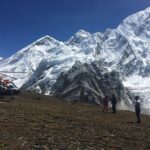
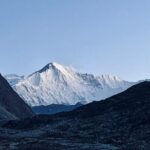
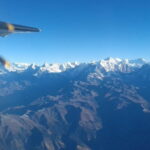
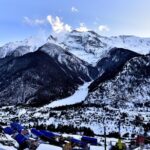
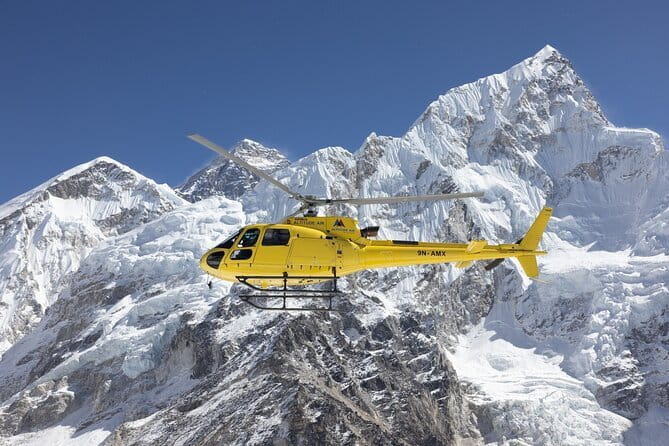
This is the big visual payoff part of the day. From the air, you fly over Kalapatther and the Everest Base Camp area. The route also highlights the Khumbu Glacier and the Khumbu Icefall.
You’ll want to treat this like your “main event” and be ready to look up the moment the aircraft lines up. Icefall scenery is one of those sights that photographs can’t fully explain. Up close on a trek, you get scale through walking distance. From the air, you get scale through geometry—how the ice breaks and flows down toward the valleys.
If your goal is maximum Everest recognition in minimal time, this is where the tour delivers. Kalapatther is known in the Everest region for a reason: it’s a viewpoint zone that helps you see multiple peaks and the glacier systems at once.
What you won’t get here is time on foot in the Everest Base Camp area. The tour plan focuses on flyover viewing, which can still be spectacular, but it’s a different experience than stepping onto the base camp trail.
Everest View Hotel landing: breakfast-style time with the peak in your frame
After the Kalapatther flyover moment, your next highlight is the stop at Everest View Hotel. This is the “landing at Hotel Everest View” promise in practice. The plan calls for you to enjoy breakfast there with the view of Mount Everest.
A quick heads-up: breakfast is listed as not included in the tour price. So you may pay for it separately once you arrive. Still, the idea is solid: you’re not just sitting in the aircraft. You’re getting a set piece of time where the scenery is the show.
Here’s why this stop matters for your decision-making. Many short Everest tours can feel like they rush past the best angles. This one gives you at least a small window where you can orient yourself, take a few steady photos, and look out from a hotel viewpoint area.
Also, hotel surroundings can be more comfortable for the altitude pause. You may find it easier to manage your breathing and just slow down for a bit compared with being in transit the whole time.



Return to Kathmandu: what to expect after the big views
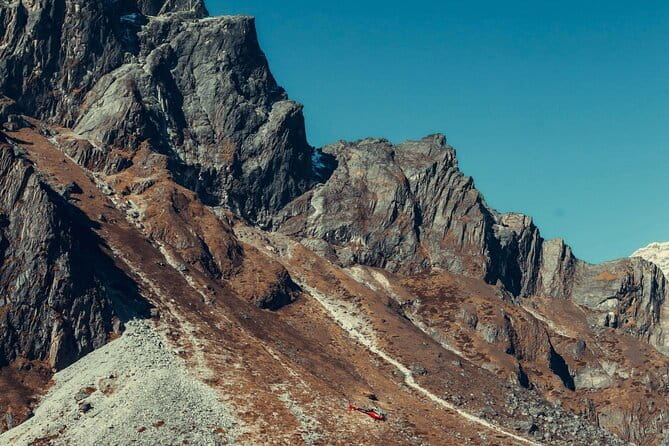
After breakfast time at Everest View Hotel, you fly back to Kathmandu. The plan includes staff picking you up from the airport and dropping you back at your hotel.
That drop-off is a real value add. After a helicopter day, you don’t want to piece together transport while you’re tired and your brain is still on mountain-time. Having a direct transfer keeps the day from turning into a second logistical project.
In terms of mood, you might leave with a strange mix of feelings. You’ll be happy because the views are immediate. But you may also feel like you saw enough that now you want more. That’s the emotional effect of altitude panoramas: they’re so big they raise your expectations for the next step.
If your return timing stretches due to weather or operational reasons, you’ll still have that “end-of-day relief” once you land back in Kathmandu and get the hotel transfer.
Price and value: what you’re paying for, and what could cost extra
The price is listed at $1,473 for a 4–5 hour overall experience. That sounds high until you compare it to the real cost of moving people by helicopter in a high-altitude region.
What’s included:
- Air-conditioned vehicle
- Helicopter chatter flights on a sharing basis
- All fees and taxes
What’s not included:
- Breakfast at Everest View Hotel
- National park entrance and a local special permit, listed around RS. 5500
Here’s how I’d judge the value. You’re paying for speed, for a guided operational plan in altitude terrain, and for specific viewpoint moments—especially the flyover highlights and the hotel landing time. If you’re the kind of traveler who wants the Everest region’s main visuals without losing days, you’re likely to feel the price matches the payoff.
Where value can get messy is if you expected base camp to be a landing site. The tour emphasizes flyovers of Everest Base Camp, and the landing stop is at the Hotel Everest View. If your mental picture is “step out at base camp,” you should adjust before you book.
One more reality check from a negative experience: the pricing can vary depending on how the sharing flight is handled. That doesn’t mean the tour is automatically unfair, but it does mean you should confirm exactly what you’re being charged and what that price includes.
Weather, weight limits, and the shared-flight reality check
This tour is explicitly weather-dependent. If the operator cancels due to poor conditions, they’ll offer a different date or a full refund.
Also, there’s a total weight limit of 198 lbs per passenger. That matters for safety and feasibility, so don’t assume “close enough” will fly. If you’re near the limit, ask before you lock in your plans.
Group size is capped at maximum 10 travelers. The helicopter is described as a sharing basis flight, which means your experience depends on how the operator coordinates seats among multiple people. This is usually efficient, but it also means your day won’t feel like a private charter.
Finally, good weather doesn’t just mean clear skies. It’s also about stability for flight paths and scheduling. That’s why the early start matters: morning conditions often give the best shot at getting this kind of plan done.
Who should book this Everest helicopter tour (and who shouldn’t)
This tour fits best if:
- you want Everest region views fast
- you don’t want days of trekking time
- you’re comfortable with a schedule that involves airport waits and altitude operational stops
- you value a quick air + viewpoint hotel landing combo
You might reconsider if:
- you strongly want to walk around Everest Base Camp rather than view it from above
- you hate the idea of potential delays during transit nodes like Lukla
- you’re relying on a very tight overall itinerary (because weather can shift the day)
Also, if you’re traveling with someone who has limited patience for waiting, plan for that. This isn’t a long grounded hike, but it does involve waiting blocks while helicopters and refueling logistics line up.
Should you book this Everest Base Camp helicopter tour?
I’d book it if your priority is short-time Everest impact: quick access to major viewing angles, a hotel landing stop, and an end-to-end day that’s built for people who can’t (or won’t) trek.
I’d pause before booking if your expectation is specifically landing at Everest Base Camp. The plan you’re buying is flyover viewing of the base camp area plus the Hotel Everest View landing. Know that difference, and you’ll avoid the most common disappointment.
My practical advice: ask what time you should be ready on the morning of departure, confirm that breakfast at Everest View Hotel is an extra cost for you, and confirm the details of your paid seat for the shared flight. If you do those three things, you’re setting yourself up for the best shot at a clean, high-value Everest day.
FAQ
What time does the tour start?
The tour start time is 4:45 am.
How long is the overall experience?
It runs about 4 to 5 hours total (approx.), even though the flight time is listed as only 4 to 5 minutes.
Will the helicopter land at Everest Base Camp?
The flight plan includes a flyover of Everest Base Camp. The clearly described landing stop is at Everest View Hotel.
Is breakfast included?
No. Breakfast at Everest View Hotel is not included in the tour price.
Are permits and park entrance fees included?
No. National park entrance fees and a local special permit are not included, and they are listed around RS. 5500.
What are the weight and group limits?
The tour lists a total weight limit of 198 lbs per passenger and a maximum group size of 10 travelers.
If you want, tell me your travel dates and whether you care most about flyover photos or being on the ground at the viewpoint hotel, and I’ll help you decide if this is the right fit versus a longer Everest-region option.