REVIEW · POKHARA
Pokhara: Visit Best Seven Tourist Destination by Sharing Bus
Book on GetYourGuide →Operated by Crystal Holidays Adventure Pvt Ltd · Bookable on GetYourGuide
Seven stops, one laid-back bus day in Pokhara. The route links temples and caves around the city, with big payoff viewpoints like the World Peace Pagoda and David Falls.
I also love how the day stays varied without feeling rushed. The cave focus is real here: you’ll see limestone formations and underground chambers, not just temples from the outside.
One caution: this is a walking-heavy day with about 200 steps, and a sharing-bus setup can stretch the schedule if pickups run behind.
In This Review
- Key points to know before you go
- Seven Stops Around Pokhara: how this shared-bus day actually feels
- Getting picked up in Pokhara’s Lakeside area (and why it matters)
- Pumdikot Mahadev Temple and the Shiva Idol steps: spiritual views that cost your breath
- World Peace Pagoda: a hilltop pause with big panorama energy
- Bindabasini Temple in Pokhara: prayers, Durga worship, and city views
- Mahendra Cave: underground chambers and limestone formations
- Gupteshwor Mahadev Cave and the Shiva connection near Davis Falls
- The bat cave stop: a short encounter with living nature
- David Falls (Patale Chhango): the roar, the legend, and the walk to it
- Seti River Gorge: a quick look that keeps the day moving
- Transportation and timing: why the day can run long on a sharing bus
- Price and value: what $9 buys you, and what costs extra
- What to bring (so the steps and caves don’t ruin your day)
- Who should book this tour (and who should skip it)
- Should you book the Pokhara best seven-stop bus tour?
- FAQ
- How long is the Pokhara best seven tourist destination sharing bus tour?
- How much does the tour cost?
- Is hotel pickup and drop-off included?
- Are entrance fees included in the price?
- Will I need to climb stairs?
- Is the tour wheelchair accessible?
- Are large bags, drones, or pets allowed?
- What should I bring and wear?
Key points to know before you go
- World Peace Pagoda views: a peaceful hilltop Buddhist landmark with Pokhara-and-Annapurna panoramas
- Three cave stops: Mahendra Cave, Gupteshwor Mahadev Cave, and a bat cave visit for a different kind of Pokhara
- David Falls walk: short, scenic route to Patale Chhango and its related legend
- Pumdikot Mahadev Temple climb: expect stair-stepping and temple-to-cave walking for spiritual views
- Budget-friendly group value: hotel pickup in Lakeside plus round-trip transport and a live guide for about $9
Seven Stops Around Pokhara: how this shared-bus day actually feels
This tour is built for people who want “a lot of Pokhara” in one go. You start in the Lakeside area, then hop around town by local sharing bus, with short on-foot sections at each stop.
What makes it interesting is the mix of spiritual sites and physical sights. A quiet pagoda viewpoint sits next to the roar of a waterfall, and then you shift into caves where the temperature and lighting change your mood.
The day runs around a simple rhythm: bus rides between clusters, then brief walks, prayers, and photo stops. If you’re the kind of traveler who likes variety (and doesn’t mind stepping and stair climbing), you’ll likely enjoy this format.
You can also read our reviews of more tours and experiences in Pokhara.
Getting picked up in Pokhara’s Lakeside area (and why it matters)
Your day starts with hotel pickup and drop-off within the Lakeside area of Pokhara. There are multiple pickup options, and you’ll want to be ready in the lobby about 10 minutes before the scheduled time.
In real life, the sharing-bus style affects your comfort and timing. Expect a local-transport vibe: fewer seats, more jostling, and waiting while the group gathers.
This also means punctuality depends on everyone lining up when they should. If some passengers board late, the whole loop can run longer than the “6 hours” headline—one of the most common practical issues with group bus days.
Pumdikot Mahadev Temple and the Shiva Idol steps: spiritual views that cost your breath
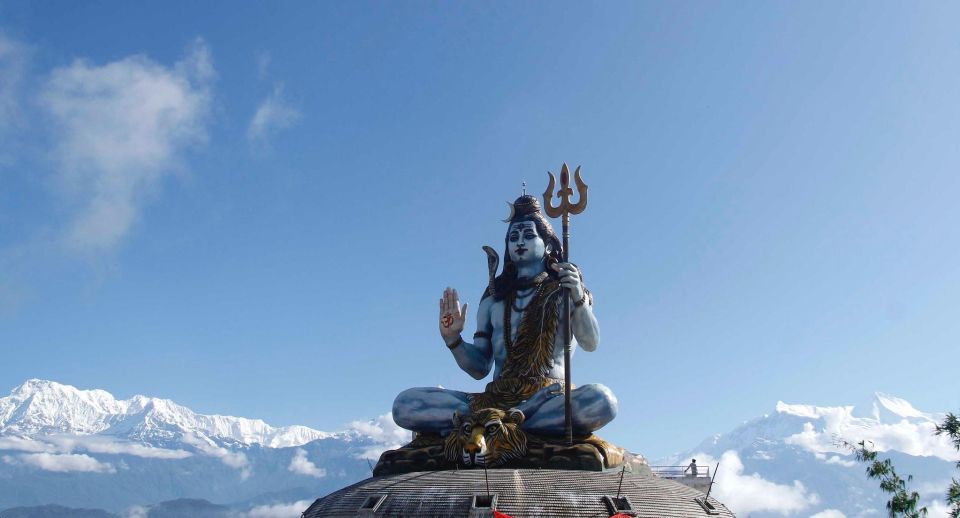
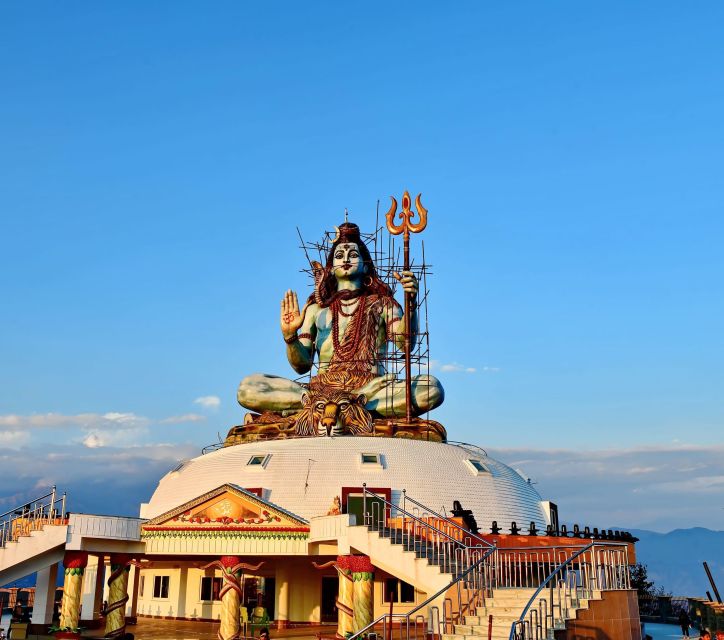
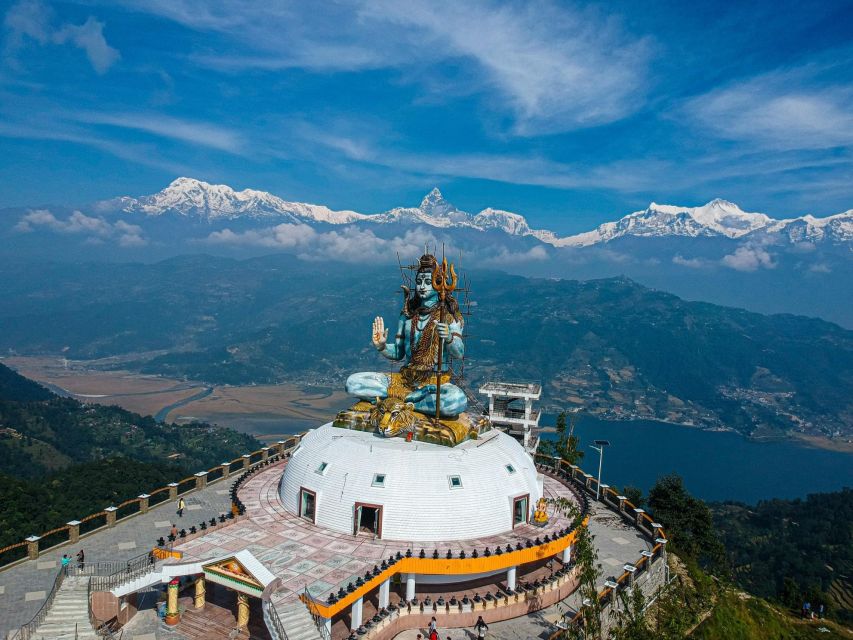
Pumdikot Mahadev Temple is one of those stops where the setting does half the work. You’ll visit the Pumdikot Shiva Statue area and then work your way through the temple complex on foot.
The key detail here is effort. You should assume stair climbing as part of the deal, since the tour notes about 200 steps across the day (temple and to the cave).
The payoff is the calm, spiritual feel and wide views over the surrounding area. Even if you’re not into temples as a “religion experience,” you might still enjoy this as a quiet reset before the bus pulls you back into busier sights.
Practical tip: wear shoes with grip. Caves and stair sections usually mean uneven surfaces, and you don’t want to think about footing while you’re trying to enjoy the views.
World Peace Pagoda: a hilltop pause with big panorama energy
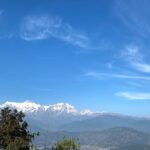
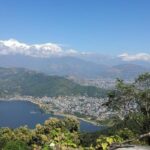
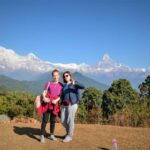
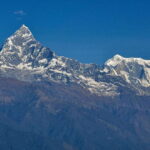
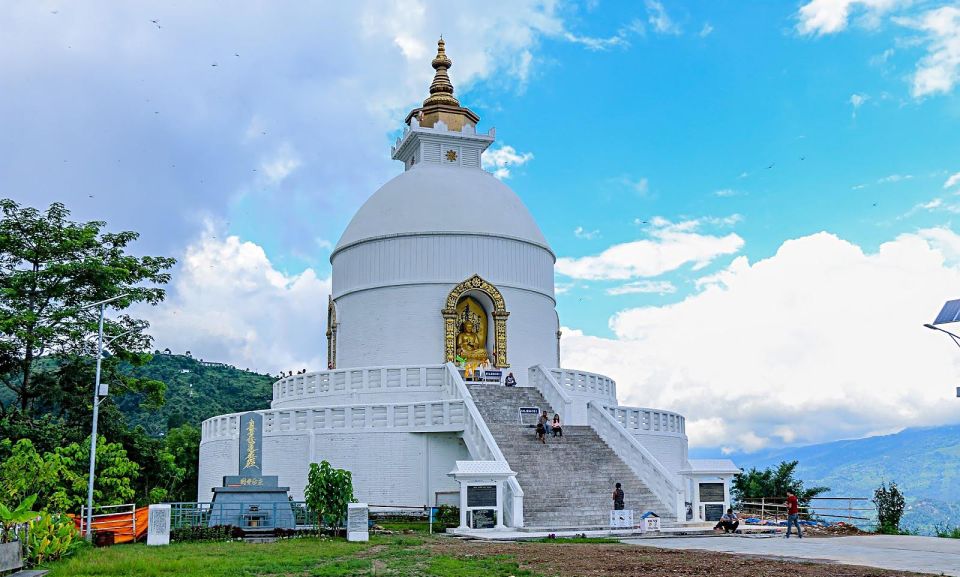
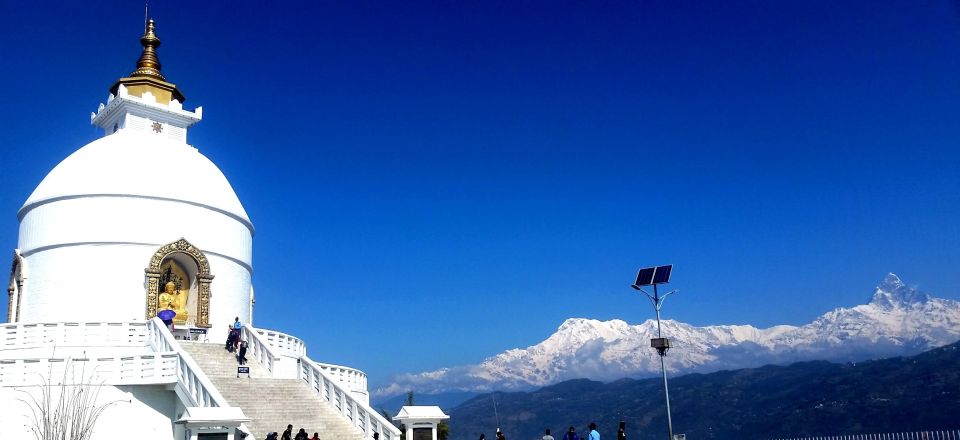
The World Peace Pagoda is a Buddhist monument on a hill overlooking Pokhara and the Annapurna mountain range. It’s meant to symbolize peace and harmony, but you’ll feel it most as a change in atmosphere: quieter, open, and view-focused.
You’ll get your time here for photos and wandering at a relaxed pace. This is a good stop to slow down and just take in the proportions of the valley—without needing any extra planning.
A small reality-check: because this is on a hill, expect walking on uneven ground and pay attention to where your steps take you. It’s not a problem for able-bodied visitors, just something to plan for.
Bindabasini Temple in Pokhara: prayers, Durga worship, and city views
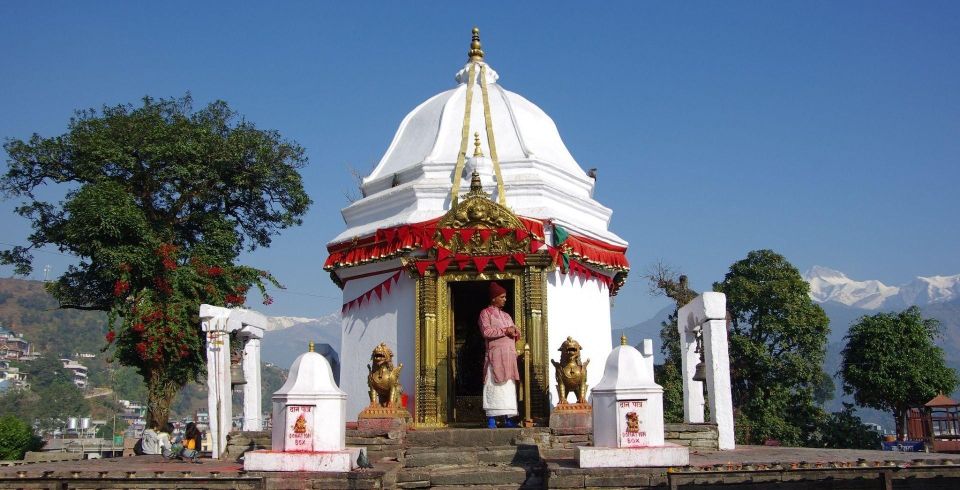
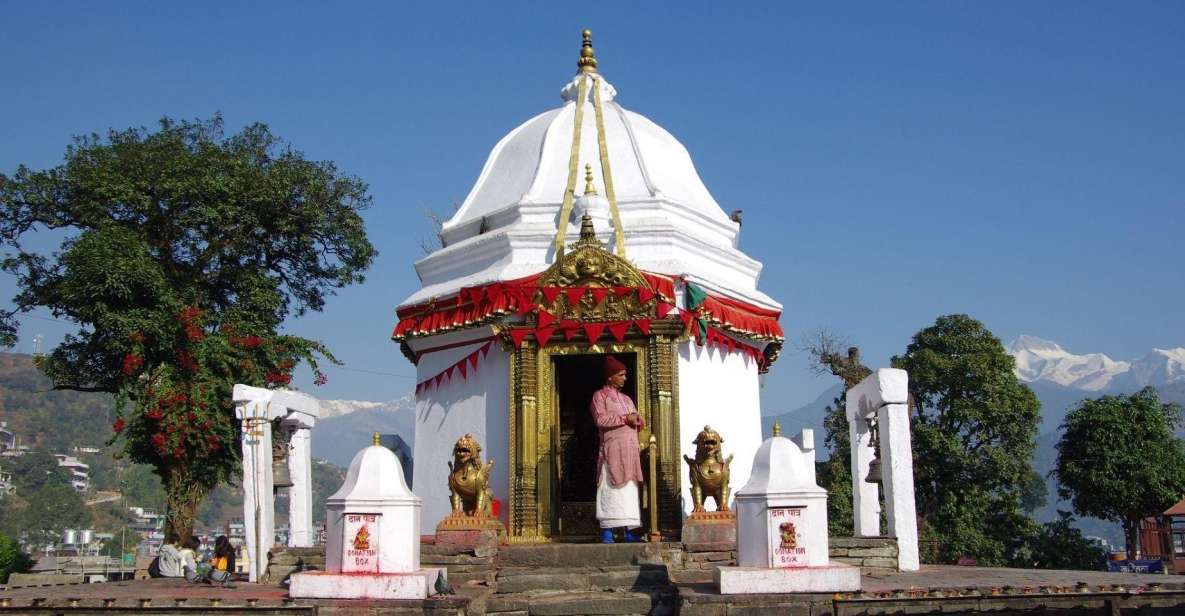
Next comes Bindabasini Temple, a famous Hindu shrine dedicated to Goddess Durga. You’ll take a bus to Bagar and then do a short walk to reach the temple.
Once you arrive, what tends to make this stop memorable is the atmosphere. You’ll see devotees offering prayers, and you can feel the temple as an active place rather than a background sight.
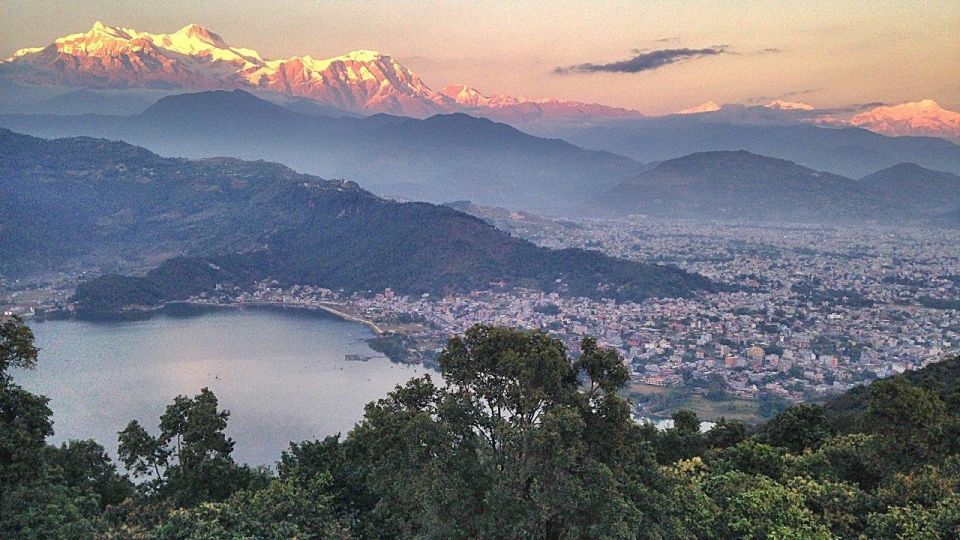
There’s also a practical viewpoint benefit: the temple premises offer panoramic views of the city. So you’re doing two things at once—temple time and “Pokhara from above” time.
If you like cultural stops that aren’t just photo ops, this is one of the stronger moments of the day. Keep your expectations simple: watch, listen, and move respectfully.


Mahendra Cave: underground chambers and limestone formations
Mahendra Cave is one of Pokhara’s best-known cave experiences, named after the late King Mahendra. It’s located in the Batulechaur area, and you’ll reach it by bus to Mahendrapul plus a short walk.
Inside, you’re looking at limestone formations and underground chambers. That means the experience is less about big built structures and more about natural shapes and the feel of going under the ground.
Caves also shift your senses. Light changes fast, air can feel cooler, and the pace becomes slower because you’re navigating and looking up.
Practical note: caves usually aren’t “fast walk-through” stops. Give yourself mental space to move carefully, take photos only where it’s safe, and enjoy the formations.
Gupteshwor Mahadev Cave and the Shiva connection near Davis Falls
Not far from Davis Falls, you’ll also visit Gupteshwor Mahadev Cave, described as an interconnected series of caves. This one is dedicated to Lord Shiva, so it has a religious tone in addition to the natural cave setting.
You’ll catch a bus to Shiva Mandir and then walk to reach the cave area. Inside, the highlights are natural rock formations plus stalactites and stalagmites.
This stop is a nice bridge between the spiritual visits above ground and the physical wonder of the cave setting. You’re still in a worship context, but you get that classic cave “wow” factor through the mineral shapes.
If you’re someone who gets claustrophobic, go slowly and keep your expectations realistic. The tour is short—just 30 minutes at the cave—but your comfort still depends on your personal space needs.
The bat cave stop: a short encounter with living nature
The bat cave is approached as a habitat for bats, including shelter and roosting conditions for nocturnal creatures. This is one of those stops that can feel a little different from the rest because you’re not just viewing geology—you’re acknowledging living wildlife.
The important caution is that access might be regulated to protect bats and their habitat. That means what you actually see can depend on conditions at the time.
So treat this as a “respect the rules and look quietly” moment. If you’re loud, pushy, or trying to force a closer look, you’ll ruin it for yourself. Slow observation tends to work best.
David Falls (Patale Chhango): the roar, the legend, and the walk to it
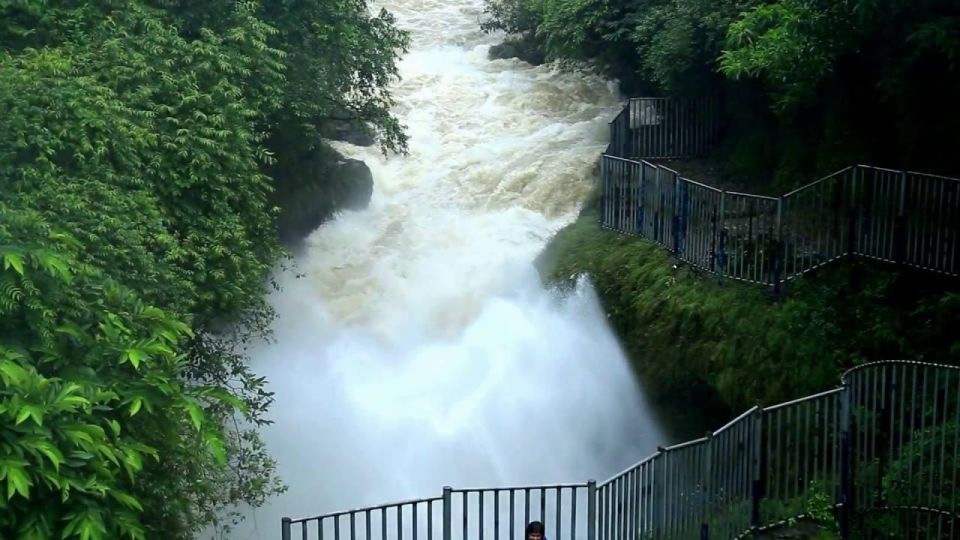
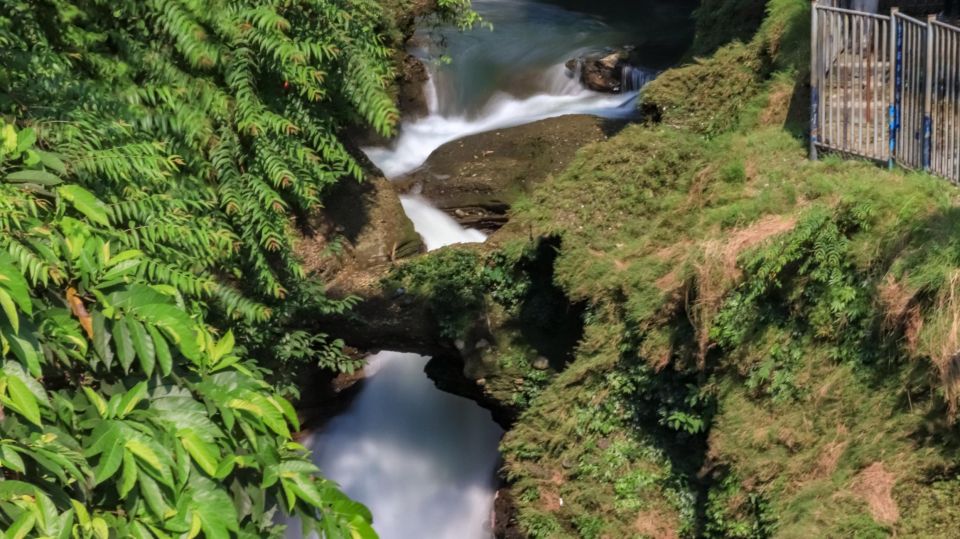
David Falls is known in Nepali as Patale Chhango, and it sits in the southern part of Pokhara. You’ll take a bus to Shiva Mandir, then enjoy a scenic walk to reach the falls.
The main experience is the power of the cascades. It’s not a delicate waterfall moment; it’s a forceful one, and it shapes the whole soundscape around you.
There’s also a legend associated with this natural wonder, which adds a story layer to what you’re seeing. You don’t need to be a folklore expert; it’s enough that there’s meaning tied to the water.
This is a strong stop for travelers who want at least one “big visual payoff” in the middle of a busy day. It’s also where you may feel the strongest weather impact—if it rains, the falls can look and sound even more dramatic.
Seti River Gorge: a quick look that keeps the day moving
At one point you’ll also visit Seti River Gorge. In a day packed with caves and temples, this short stop helps break up the schedule and adds a natural, watery element before you head into the city’s spiritual center again.
Expect it to be brief, since the day is built as a multi-stop loop. But even a quick gorge view can be a good reset if you’re starting to feel “same-stuff, different stop” fatigue.
Transportation and timing: why the day can run long on a sharing bus
The tour uses local shared bus/coach between stops. That’s part of the value, but it also drives the most common downside.
Here’s what to plan for: the bus can get crowded, and if other passengers join late, you might spend more time on the road than you expected. When that happens, the “6 hours” can turn into a longer day.
There’s also a practical fairness factor: if you’re expecting every single planned destination, keep your expectations flexible. If timing gets tight, sometimes the route can change.
Your best strategy is simple: before the day starts, check the order of stops with your guide so you know what you’re prioritizing. If you care deeply about a specific place, ask how the timing usually works.
Price and value: what $9 buys you, and what costs extra
At about $9 per person, the price is low for a day that includes hotel pickup and drop-off plus round-trip transportation and a live tour guide. You’re paying for organization, not comfort.
The trade-off is that you’re not getting everything included. Entrance fees are not included (around NPR 800 per person as an estimate), and food and drinks are on your own.
So for value, do the math this way: add a realistic allowance for entrance costs plus snacks. If you skip food planning, the cheap ticket can start to feel expensive.
Still, compared with paying for separate taxis or tours stop-by-stop, this shared-bus format usually feels like the budget-friendly way to see a lot of Pokhara quickly. It’s especially appealing if you’re traveling light and comfortable with walking.
What to bring (so the steps and caves don’t ruin your day)
The tour suggests comfortable shoes and comfortable clothes, and I agree with that advice strongly. You’ll be mixing temple grounds, stair sections, and cave paths—your feet will notice if your shoes aren’t up to the job.
Bring a small day bag and keep it light. Large luggage isn’t allowed, and the route includes walking where you don’t want bulky items.
Also consider bringing a bit of cash. Entrance fees are extra, and you’ll likely want water or a snack during gaps between stops.
And because you’re in caves, avoid slick footwear and plan for uneven steps. This isn’t a technical hike, but it is active.
Who should book this tour (and who should skip it)
This tour suits you if you want a multi-stop Pokhara day at a low price and you’re okay with a group setting. It’s also a good fit if you like spiritual sites and natural sights, because you’ll experience both.
It’s also decent for people who don’t mind stairs—just remember the tour notes about climbing around 200 steps. If you can handle moderate walking, you’ll likely be fine.
I’d skip it or look for a different format if you need wheelchair access. The tour specifically says it’s not suitable for wheelchair users, which makes sense given the steps and cave access involved.
And if you’re picky about language support, ask ahead about the guide’s language. The tour does operate with a live guide, but language fit isn’t something you should assume.
Should you book the Pokhara best seven-stop bus tour?
Book it if you want a budget-friendly way to hit major Pokhara highlights in one day, especially if caves and temple visits are your kind of travel. The combination of World Peace Pagoda, David Falls, and multiple cave stops is a strong value mix, and hotel pickup in Lakeside removes a lot of hassle.
Don’t book it if you hate stairs, dislike crowded transport, or need a perfectly timed schedule with zero route changes. The biggest practical drawback is that shared buses can stretch the day, and access or pacing can vary in a route-heavy experience like this.
If you do book, go in ready for walking, keep your expectations realistic about a shared bus day, and treat the caves and temples as the main experience—not the clock. You’ll get a full Pokhara sampler in exchange for a bit of effort.
FAQ
How long is the Pokhara best seven tourist destination sharing bus tour?
The duration is 6 hours.
How much does the tour cost?
The price is listed as $9 per person.
Is hotel pickup and drop-off included?
Yes. Pickup and drop-off are included within the Lakeside area of Pokhara.
Are entrance fees included in the price?
No. Entrance fees are not included and are listed as approximately NPR 800 per person.
Will I need to climb stairs?
Yes. You will climb about 200 steps on the temple and to the cave, plus you’ll also walk at each place you visit.
Is the tour wheelchair accessible?
No. It is not suitable for wheelchair users.
Are large bags, drones, or pets allowed?
Large luggage/bags are not allowed. Drones are not allowed, and pets are not allowed (assistance dogs allowed).
What should I bring and wear?
Bring comfortable shoes and comfortable clothes.