REVIEW · POKHARA
Pokhara 3 Days Ghorepani and Poon Hill Private Trek via Ghandruk
Book on Viator →Operated by Himalayan Nomad Treks & Tours · Bookable on Viator
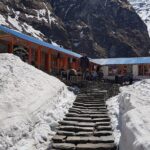
Stairs, sunrise, and Gurung smiles. This private 3-day trek from Pokhara takes you through Ghorepani and up to Poon Hill for big Annapurna-range views, then down into Ghandruk for a real slice of village life. I like the way the route mixes mountain drama with daily trail rhythm. I also like the steady support built into the trip, with an English-speaking licensed guide and private transportation that keeps you from wasting time.
One thing to think about: the walking includes lots of uphill stairs and early starts. If your fitness is only just “okay,” plan to move slowly and let the guide set a pace. The good news is that this trek runs with private guidance, so even slow walkers can stay comfortable, and the whole experience stays focused on views and culture, not suffering.
In This Review
- Key Things That Make This Trek Work Well
- Why This 3-Day Pokhara Trek Hits the Sweet Spot
- Day 1: Jeep to Nayapul, Stairs Up to Ghorepani (5 Hours Trek)
- Day 2: Poon Hill at 3,210m, Then Down to Ghandruk (6 Hours Trek)
- Sunrise impact at Poon Hill
- Then: the descent into culture
- Day 3: Ghandruk Morning Views, Nayapul, and Back to Pokhara
- What this last day adds
- Guides and Logistics: Private Comfort Without the Guesswork
- What kind of guide support you can expect
- Group size and privacy
- Fitness, Weather, and What to Expect From the Stairs
- Weather is the real wild card
- Body strategy that works
- Food, Lodging, and What’s Included (So You Can Pack Smart)
- Price and Value: Is $218 a Good Deal?
- Who This Trek Fits Best (And Who Might Want a Different Option)
- My Booking Verdict: Should You Book This Private Poon Hill Trek?
- FAQ
- FAQ
- What is included in the price for this Pokhara to Poon Hill trek?
- How long is the trek on each day?
- How high will we get on this route?
- Is this trek private or shared with other groups?
- Do you offer pickup from Pokhara?
- What kind of accommodation is provided during the trek?
- Is the trek suitable for beginners?
- Can I cancel and get a full refund?
Key Things That Make This Trek Work Well
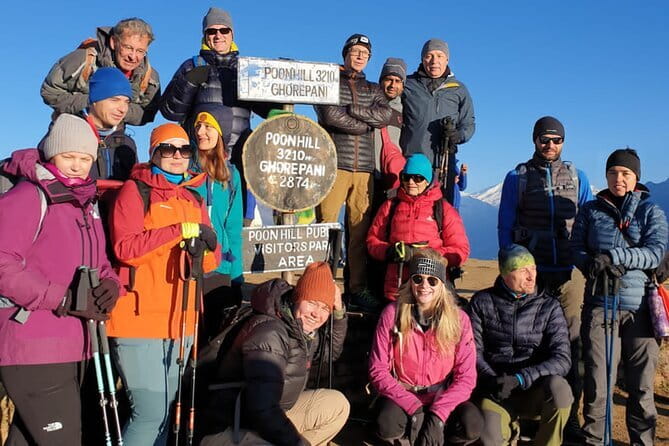
- Poon Hill sunrise on a tight 3-day schedule, with a high point at 3,210m
- Ghorepani-to-Ghandruk route that balances trekking time with time to rest and explore
- Licensed English-speaking local guide plus private transportation from Pokhara
- Tea/guest house stays (2 nights) included, so you’re not hunting rooms mid-trek
- Permits and conservation area entry included, which saves hassle on the ground
- Village culture in Ghandruk with the Gurung community and local hospitality
Why This 3-Day Pokhara Trek Hits the Sweet Spot
If you want Annapurna views without taking a week off, this trek is a smart choice. You’re not just chasing photos at one viewpoint. You get a full mini-journey: forest hiking on the way up, a sunrise mission at Poon Hill, and then a descent into a culturally rich village where daily life is part of the scenery.
The route also gives you variety in elevation. You start low in the 1,500m range, climb up into Ghorepani around 2,840m, then reach Poon Hill at 3,210m before ending at Ghandruk near 2,000m. That variation matters because it changes your breathing, your body temperature, and the feel of the trail. It’s challenging, but it’s not a blanketing endurance test.
And for practical travelers: private transportation plus private accommodation means less chaos. You’re trekking with your group only, not getting shuffled with strangers, and you’re not stuck figuring out meals or permits after you’re tired.
You can also read our reviews of more private tours in Pokhara
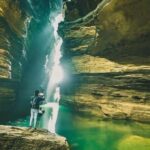
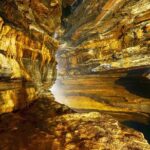
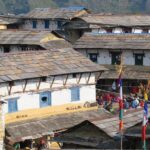
Day 1: Jeep to Nayapul, Stairs Up to Ghorepani (5 Hours Trek)
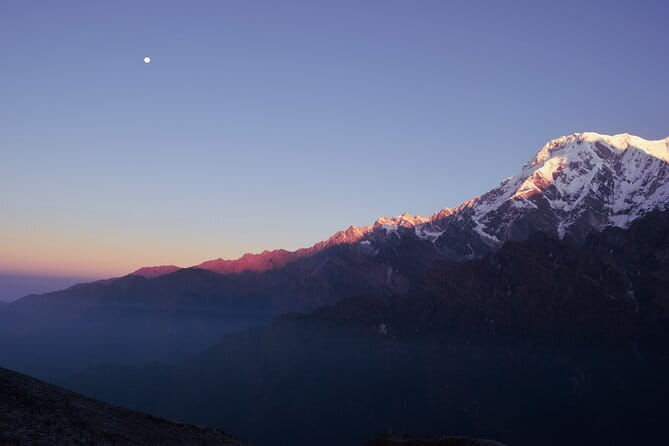
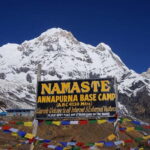
Day 1 starts with a scenic drive from Pokhara to the trail start near Nayapul. The uphill days begin right away, but the jeep portion saves your legs for what counts. After the drive, you switch to the walking segment: first a gradual rise to Tikhedhunga (about 1,570m), then up again to Ulleri (about 2,000m), and finally onward to Ghorepani (about 2,840m).
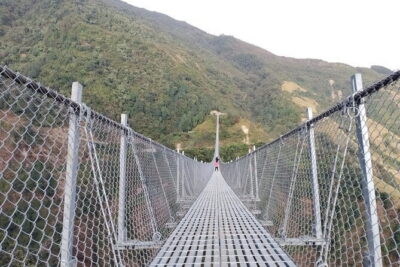
Expect the classic Poon Hill “stair and rhythm” pattern. This is the kind of hiking where you feel every climb, especially in the late morning and afternoon. But it’s also straightforward: you’re moving steadily through the rhododendron forest zone described for this route, with mountain views showing up in breaks between trees and ridgelines.
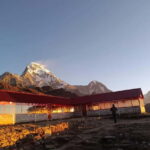
At the end of Day 1, you reach Ghorepani and get your first included night in a tea/guest house. This is one of those trips where sleep matters. If you can rest well, Day 2 feels a lot less brutal.
What I’d watch for: pace. If you try to keep up with faster trekkers (even in a private group, there’s always someone who walks faster), you’ll turn a 5-hour trek into a grind. Ask the guide to match your speed early, and you’ll enjoy the trail more.
Day 2: Poon Hill at 3,210m, Then Down to Ghandruk (6 Hours Trek)
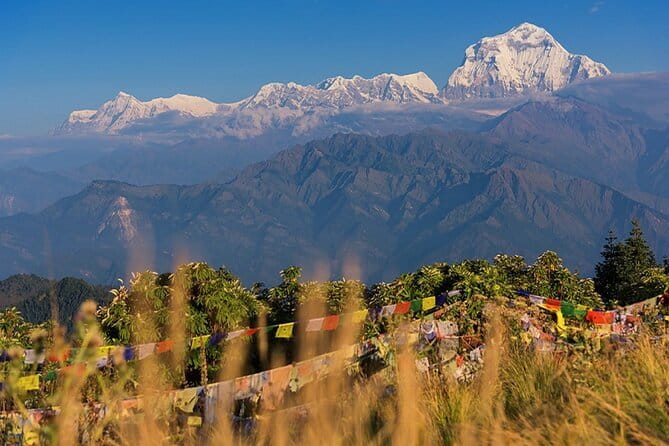
Day 2 is the centerpiece day. You leave Ghorepani and climb up toward Poon Hill, reaching the highlight viewpoint at 3,210m. Then you head down to Ghandruk at about 2,000m.
You’re hiking long enough to feel it, but not so long that you’re collapsing when you arrive. The trek time here is listed at about 6 hours, which is a good balance for a short holiday.
Sunrise impact at Poon Hill
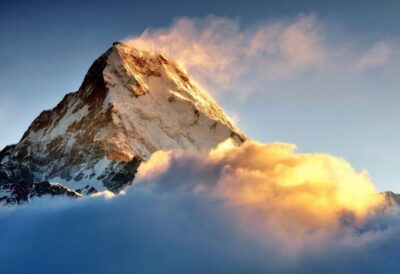
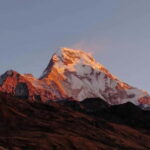
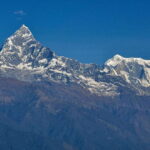
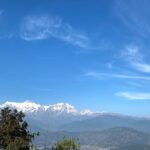
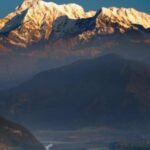
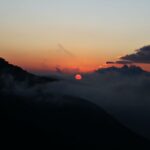
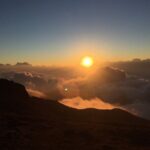
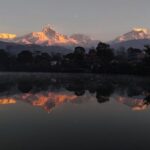
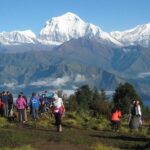
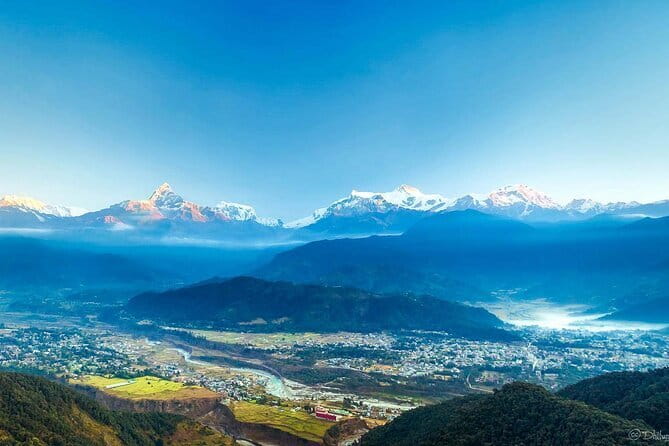
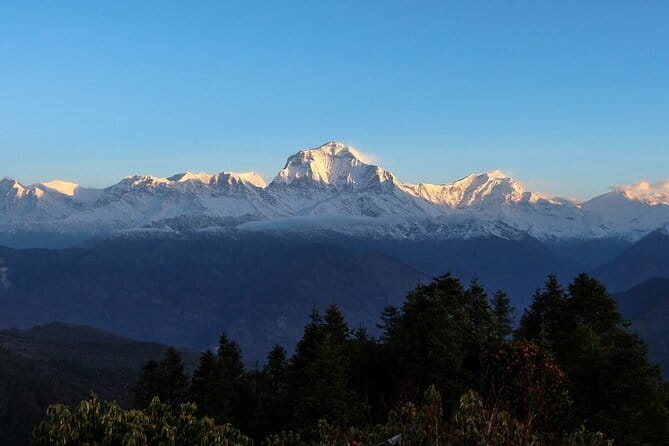
Poon Hill is famous for early light and wide views of the Annapurna range. The route is set up so you can experience the sunrise and not just a vague morning sky. That’s not a small detail. Sunrise trekking changes the entire mood of the mountains: the ridges look layered, and the sky tends to be clearer before clouds move in.
The timing also rewards patience. You don’t need to sprint. You need to arrive with enough energy to stand, watch, and take it in.
Then: the descent into culture
After Poon Hill, the day shifts from mountain chasing to village life. You walk down to Ghandruk and settle into another included tea/guest house night.
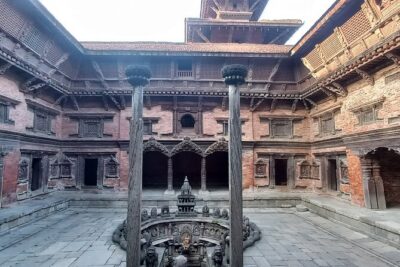
Ghandruk is known for the Gurung community and warm hospitality, and this is where the trek becomes more than scenery. You’ll have time to explore the village atmosphere and learn how daily life fits around the mountain economy. In practical terms, that means it feels less like a tourist corridor and more like a living community.
Good sign from the field: several guides mentioned in past trips are known for patience—especially when people aren’t fast hikers. Names that showed up include Ramesh Aryal, Dipesh Aryal, Pokrash, Santos, Changra, Jit Badhur, Kauj/Kaji, and Aryalparkash. The common theme is support and problem-solving, not pushing people beyond their comfort.
You can also read our reviews of more hiking tours in Pokhara
Day 3: Ghandruk Morning Views, Nayapul, and Back to Pokhara
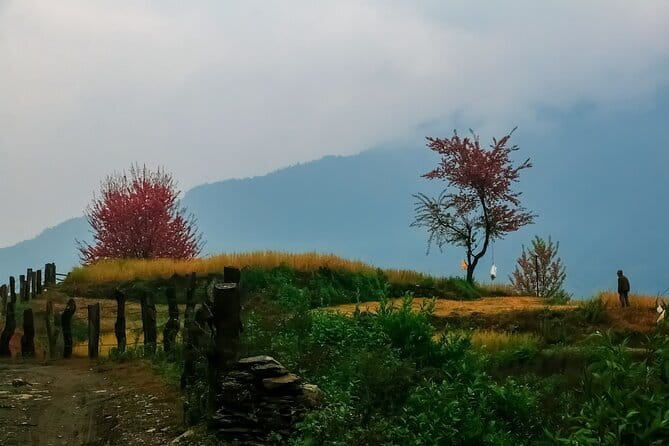
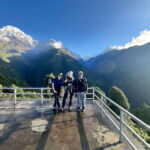
Day 3 brings the final walk and the payoff. You’ll start early again—either going up to a viewpoint or using your hotel terrace area—to catch the morning views over the Himalayas. Then you spend time around Ghandruk village before heading down toward Nayapul.
The schedule calls for about 4 hours of trekking to Nayapul, followed by around 2 hours by drive back to Pokhara. That’s a solid finish: enough walking to feel complete, but not so much that you feel robbed of your last hours.
What this last day adds
Many short treks stop after the big sunrise. This one keeps going into Ghandruk life and ends with a gentle return. The result is a trek that feels like three connected days rather than a two-day sprint with a bonus walk.
Also, you get your meals built in again. Lunch is included on Day 3, plus breakfast is included for the second morning. Dinner is included for the first two nights. That matters more than people think when you’re hiking—food planning becomes part of your energy management.
Guides and Logistics: Private Comfort Without the Guesswork
For a short trek, logistics can make or break the experience. This one is built around private transportation, an English-speaking licensed local guide, and the necessary permits.
That’s a big deal in Nepal, where rules and paperwork change by area. Having the permit (including the conservation area entry fee and trekking permit fee) handled reduces stress right when you’d rather be focused on your next viewpoint.
What kind of guide support you can expect
The strongest praise tied to this trek is the attitude. Guides are described as helpful, patient, and can-do. On a trek like this, that usually means two things:
- They adapt pace for slower walkers so you don’t feel forced.
- They help with the details that eat energy, like timing, small navigation points, and general reassurance.
There’s also at least one standout story: a guide named Ramesh Aryal helped with shipping a lost wallet. That’s not something you should plan on, but it does tell you the trips are run with real responsibility, not just a checklist.
Group size and privacy
This is private. Only your group participates. In practice, that often means fewer waiting games at viewpoints and less “stop-go” confusion on the trail. It also makes it easier to take breaks without feeling like you’re slowing down the schedule.
Fitness, Weather, and What to Expect From the Stairs
This trek is for moderate physical fitness. That sounds polite, but it’s code for: you’ll work. You don’t need to be an athlete, but you should be ready for uphill walking and lots of steps, especially on the route sections leading into Ghorepani.
Weather is the real wild card
Clear skies matter for sunrise views. One past trip in October highlighted good weather and clear skies, which made the views spectacular. That’s a reminder to treat sunrise as a weather-dependent show. You’ll still enjoy the trek in less-than-perfect conditions, but the biggest payoff happens when the sky cooperates.
Body strategy that works
Here’s how I’d approach it to keep it fun:
- Walk slower than your ego wants. This is the staircase trek where pride gets tired fast.
- Take short breaks instead of one long rest.
- Plan hydration around your meals. Drinks like bottled water are not listed as included, so you’ll likely buy as needed.
Food, Lodging, and What’s Included (So You Can Pack Smart)
This trek includes a lot that you’d otherwise have to budget for or hunt down on the fly:
- Private accommodation for 2 nights in tea/guest houses
- Breakfast (2), lunch (3), and dinner (2)
- A guide and in-person support
- All fees and taxes tied to the trek and permits
What’s not included is equally important for packing:
- Hard and soft drinks
- Personal expenses like phone calls, laundry, bar bills, battery recharges, and boiled water
- Tips for the guide
- Travel and rescue insurance (they can assist if needed, but insurance is still on you)
This structure is good value for many travelers because you can spend less time calculating costs day-by-day. It also makes your packing list simpler: you can focus on trekking layers and day essentials, not meal planning.
Price and Value: Is $218 a Good Deal?
At $218 for a private 3-day trek, the value comes from what’s included. This isn’t just a guiding fee. You’re also paying for:
- private transportation
- an English-speaking licensed guide
- permits and conservation area entry
- two nights of tea/guest house lodging
- a full set of meals (two breakfasts, three lunches, two dinners)
For a short trek, that bundling saves time and reduces the number of separate payments you’d normally juggle.
The main thing to watch is what can creep into the final total: drinks, personal expenses, and tips. If you keep those controlled, this price looks reasonable for the level of support you get. If you plan on buying lots of extras or upgrading lodging, the number can rise.
Who This Trek Fits Best (And Who Might Want a Different Option)
This is a great match if you want:
- a short, high-impact Himalayan experience
- sunrise views without multi-week trekking
- a mix of mountains and cultural village time
- private guidance and minimal logistics stress
It’s also a good option for beginners who are willing to be patient with stairs. Several past trips specifically praised it as strong for first-time trekkers, especially when the guide is willing to match a slower pace.
You might choose differently if you:
- have very limited time and want zero early mornings
- hate stair climbing
- prefer long wilderness stretches over village-based trekking
My Booking Verdict: Should You Book This Private Poon Hill Trek?
I’d book this trek if your priority is a classic Annapurna-viewing experience in just three days, with the comfort of private support and meals handled for you. The combination of Ghorepani, a proper Poon Hill sunrise push, and finishing in Ghandruk makes the days feel connected instead of random.
If you’re sensitive to steep steps or very early starts, treat this as a “go slow, dress warm, pace smart” plan rather than a casual stroll. Get the guide to set your tempo, and you’ll likely come away with the best part of Nepal hiking: big views plus real people along the way.
FAQ
FAQ
What is included in the price for this Pokhara to Poon Hill trek?
The package includes private transportation, an English-speaking licensed local guide, permits (including conservation area entry and trekking permit fees), in-person guide support, 2 nights of private accommodation in tea/guest houses, and meals (2 dinners, 3 lunches, and 2 breakfasts).
How long is the trek on each day?
Day 1 includes about 5 hours of trekking after the drive. Day 2 includes about 6 hours of trekking. Day 3 includes about 4 hours of trekking before the drive back to Pokhara.
How high will we get on this route?
You’ll reach Ghorepani at about 2,840m and Poon Hill at 3,210m. You’ll finish at Ghandruk around 2,000m.
Is this trek private or shared with other groups?
It’s private. Only your group participates.
Do you offer pickup from Pokhara?
Yes, pickup is offered, and private transportation is included.
What kind of accommodation is provided during the trek?
You’ll stay for 2 nights in tea/guest house accommodations, and those nights are included in the package.
Is the trek suitable for beginners?
The trek is described as requiring moderate physical fitness, and past experiences highlight it as a good option for first-time trekkers—especially with guides who adapt to slower walkers.
Can I cancel and get a full refund?
Yes. Free cancellation is available up to 24 hours in advance for a full refund.
If you want, tell me your travel month and your hiking comfort level (easy / moderate / tough), and I’ll suggest the best pace strategy for this exact route.