REVIEW · KATHMANDU
Everest Base Camp Trek
Book on Viator →Operated by Himalayan Leisure, Inc. · Bookable on Viator
Lukla’s runway sets the tone. This Everest Base Camp trek mixes Sherpa culture with a properly guided uphill grind, starting with the famous flight into Lukla and ending at Everest Base Camp with big “wow” views along the way. You get a private small-group feel with a guide working the schedule and porters handling the heavy stuff.
What I like most is how much is handled for you. The package includes key gear like a down jacket, four-season sleeping bag, and a duffel bag (returned after the trip), plus accommodations and most meals so you can focus on walking and altitude.
One thing to keep in mind: this is still an altitude trek. Even with acclimatization days, you’ll be asked to manage effort on harder sections and low-oxygen stretches, and Lukla flight weather can disrupt timing even with a built-in Kathmandu buffer.
In This Review
- Key things to know before you go
- Why this Everest Base Camp trek feels organized from day one
- Kathmandu warm-up: airport pickup and Day 1 reality check
- Lukla flight to Phakding: the start of the Khumbu grind
- Days 3 and 5: forests, bridges, and the practical pace you’ll want
- Acclimatization Day 4: choose your hike, not your ego
- Sherpa villages and higher living: from Pangboche to a 5,000-meter day hike
- Dughla, passes, and glacier country: where the air starts to bite
- Kalapatthar early morning: the viewpoint day you should mentally prepare for
- Heading back with style: Debuche, Tengboche, and last big village scenes
- Lukla back to Kathmandu, plus a weather cushion you’ll appreciate
- Price and logistics: what $1,408 buys you (and what it doesn’t)
- Gear, porters, and how to pack so the trek stays enjoyable
- What the route teaches: acclimatization, pace, and safe effort
- Who this trek suits best
- Should you book? My straight call
- FAQ
- How long is the Everest Base Camp trek?
- Where do you start and end?
- Does the package include flights to and from Lukla?
- Are porters included?
- What trekking gear is included?
- Are permits included?
- How many meals are included?
- What fitness level do you need?
- What if Lukla flights are delayed due to weather?
- What is the cancellation cutoff for a full refund?
Key things to know before you go
- Lukla flight is the big event: expect an adventurous 30-minute jump into the Khumbu region.
- Porters carry your gear: your guide organizes the rest of the trekking logistics.
- Gear is included: down jacket and sleeping bag cut down on what you have to pack.
- Acclimatization is built in twice: rest/hike days help your body adjust before higher passes and viewpoints.
- You’ll go for Kalapatthar: an early start to a famous sunrise perspective over the Khumbu Valley.
- Kathmandu has a weather buffer: a free day is specifically there for possible Lukla delays.
Why this Everest Base Camp trek feels organized from day one
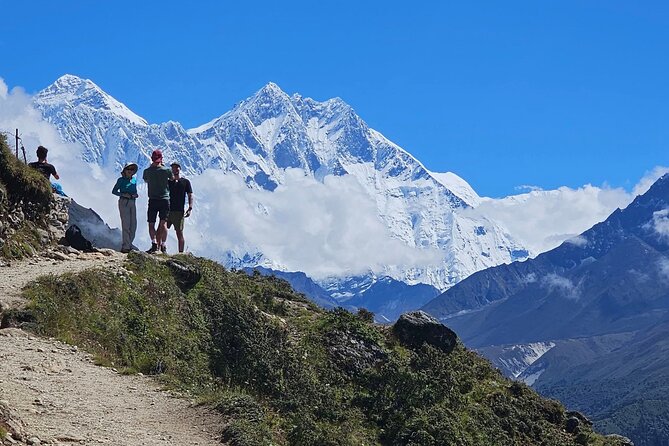
Everest Base Camp sounds simple on paper: walk, breathe, repeat. But in practice, the difference between chaos and calm is logistics. This trek is designed to remove the daily decision-making. Your guide runs the route pace, tells you where to go next, and keeps the day-to-day plan moving. Porters carry your gear, so your pack stays light enough for long, thin-air days.
Another thing I appreciate is the way the trip uses a rhythm. You don’t just sprint uphill for 15 days. You get built-in acclimatization, plus rest days with optional hikes. That matters because altitude doesn’t care about your motivation level.
You can also read our reviews of more hiking tours in Kathmandu
Kathmandu warm-up: airport pickup and Day 1 reality check
Day 1 starts in Kathmandu with an airport representative holding a name card and transferring you to your hotel. It’s a small detail, but it removes that first-stress moment when you’re tired, jet-lagged, and trying to find your bearings.
From there, you’re set up for the next day’s Lukla flight. Your first day doesn’t try to cram in a whole sightseeing list. Instead, it gives you time to rest, hydrate, and get your trip gear organized. For an Everest trek, that calm first night is worth more than an extra museum stop.
Lukla flight to Phakding: the start of the Khumbu grind
On Day 2, you fly from Kathmandu to Lukla (about 30 minutes). This is the part many people remember forever because Lukla’s airport experience is famous for being intense. Once you land, you start trekking with classic early-stage legs: gentle walking that eases you into rhythm.
You then head toward Phakding, with your day roughly paced like a warm-up. The big goal here is not to win a race. It’s to get your body used to moving while your breathing changes at altitude. You’ll also start seeing the mix of trail and village life that defines the Khumbu—pine forests, bridges, and a route that feels alive rather than empty.
Days 3 and 5: forests, bridges, and the practical pace you’ll want
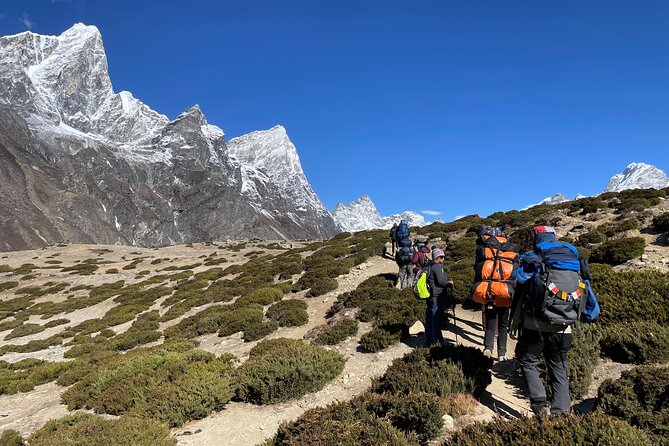
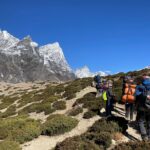
Day 3 continues from the early climbing before you reach Monjo, and then you’re on a trail that runs through pine forest sections and includes the Hillary Bridge crossing. There’s a steady feel to the day: you climb, you pause, you eat lunch, and you keep moving toward your next overnight.
Then comes Day 5, which is more of a “work day” in the good sense. You ascend toward the national park area and follow a gentle trail to Kyanjuma. After a short tea break, you descend to Phungi Thanga for lunch and cross the Dudh Koshi river. That river crossing is a classic Everest region beat—you can feel how the route keeps threading through valleys rather than treating mountains like obstacles you plow through.
Practical tip: with this kind of itinerary, your legs often feel fine until they don’t. The best strategy is to keep your pace steady and slightly boring. When you walk at a consistent effort, you save energy for the steeper later days.
Acclimatization Day 4: choose your hike, not your ego
Day 4 is a rest and acclimatization day, and it’s one of the smartest parts of the whole plan. You get options such as Khumjung and Khunde hikes, Everest View Hotel hike, Thame hike, or a National Park-related hike. Your leader gives options, which is ideal because everyone’s body adjusts differently.
This is where you’ll see the value of having a licensed, experienced guide. You’re not just guessing which hill is too steep. You’re selecting a hike that helps your body learn the altitude lesson without turning the day into a suffering contest.
Why it matters: acclimatization isn’t about proving toughness. It’s about helping your body handle the lower oxygen so later days like glacier crossings and high viewpoints feel possible instead of brutal.
Sherpa villages and higher living: from Pangboche to a 5,000-meter day hike
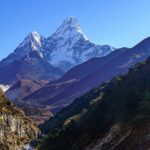
Day 6 takes you toward Pangboche at around 3,930 meters, following the Imja Khola and moving into a village known for connections to climbers and the Sherpa community. The trek here becomes more clearly “Everest-region” in feel: big views, higher altitude effects, and the sense that you’re walking inside a long-running mountain culture.
Day 7 is your second rest/acclimatization day. You’ll do a day hike to Nagarkhang Peak (about 5,000 meters), and the reward is spectacular Himalayan beauty from the summit area. This kind of hike is a targeted acclimatization move—enough altitude gain to challenge you, but within a single-day structure rather than trying to keep climbing every day.
Balance check: you might not feel amazing at 5,000 meters, even if you’re fit. That’s normal. What matters is that you finish the hike and keep your energy for the next push.
Dughla, passes, and glacier country: where the air starts to bite
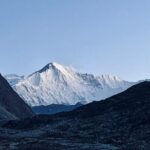
As you get closer to Everest Base Camp, the trek transitions into more demanding terrain. Day 8 follows a ridge above Pheriche village until Dughla, with lunch in Dughla before a steep climb toward Dughla pass. This is a “no shortcuts” day—your breathing and your footing both get more important.
Day 9 is where the route starts shifting into glacier and low-oxygen reality. The first part until you walk over the glaciers can feel relatively easier. But once you start ascending over the glaciers, the trail becomes harder, and oxygen levels drop. You’ll spend time crossing glacier areas that demand focus, not just stamina.
One of the most practical things your guide can do here is keep you from rushing. People often want to speed up when they’re uncomfortable. A good guide does the opposite: slows you down just enough to stay steady.
Kalapatthar early morning: the viewpoint day you should mentally prepare for
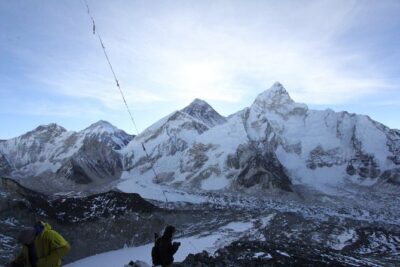
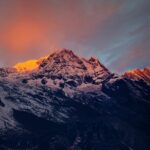
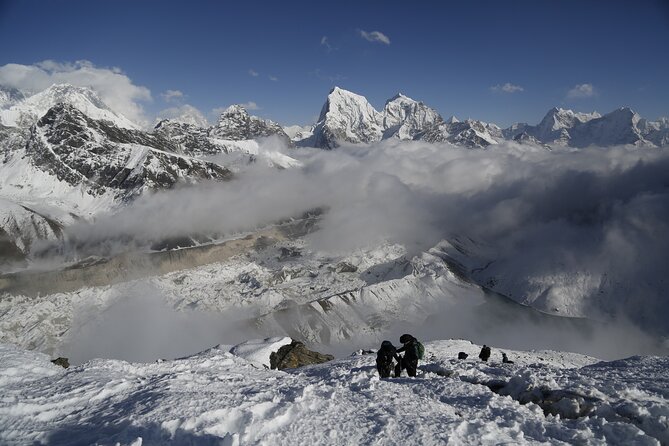
Day 10 is an early wake-up to hike to Kalatthar before sunrise. The climb is described as difficult for it’s worth it, and that’s exactly the mindset you need. Kalapatthar is one of the most famous viewpoint spots in the Khumbu Valley, and it’s known for towering Himalayan peaks in view.
This day tends to be the emotional peak for many trekkers—not because it’s easy, but because it’s structured. You start in the dark, move uphill with purpose, and reach a payoff when the light comes up.
How to handle it: eat early when you can, keep your steps consistent, and don’t interpret hard breathing as a failure. In thin air, effort always feels louder.
Heading back with style: Debuche, Tengboche, and last big village scenes
After the Kalapatthar day, your route becomes a mix of walking and gently lowering intensity—without going soft. Day 11 passes through Debuche and Tengboche village, then descends steeply to Phungi Tenga for lunch by the Dudhkoshi River. After lunch, you ascend again toward Kyanjuma.
That stop-start profile is common in this region. It can feel like a pattern: descend, hike, rest, repeat. The upside is you’re moving through places that feel distinctly lived-in—villages, prayer-life rhythms, and trail scenes that don’t feel like a film set.
Day 12 brings the end of the long walking portion: steep descent toward Jorsalle and then continuing to Phakding for your lunch/breakfast. Then you’re back moving toward Lukla, with the walking portion concluding once you reach Lukla.
Lukla back to Kathmandu, plus a weather cushion you’ll appreciate
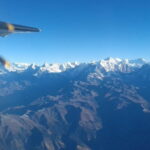
Day 13 is the flight from Lukla back to Kathmandu. This is another adventurous flight, and if you can, seating choice matters—your itinerary specifically suggests sitting on the right side of the plane for beautiful views.
Day 14 is a free day in Kathmandu, and it exists for a reason: Lukla flights often face weather issues that can cause cancellations or delays. This buffer gives you breathing room so the trek doesn’t end with you scrambling to recover lost time.
Then Day 15 is straightforward: a drive to the airport about three hours before your flight, plus breakfast. Kathmandu says goodbye, and you fly on.
Price and logistics: what $1,408 buys you (and what it doesn’t)
At $1,408 per person for roughly 15 days, this trek is priced like a “less thinking, more walking” package. You’re paying for the moving parts to be handled: guide leadership, Sherpa porter support, permits, a first aid kit carried by the guide, and most meals plus accommodations.
Here’s what’s included that adds real value:
- Transfers in Kathmandu with airport pickup/drop by private vehicle
- Domestic flights Kathmandu ↔ Lukla (and the guide’s ticket is included as part of the package)
- Everest National Park entry permit and TIMS registration
- A government-licensed English-speaking guide
- Porters with meals, accommodation, salary, and insurance
- Guide support: an assistant guide for groups over 6
- Down jacket, sleeping bag, and duffel bag
- Breakfast (14), lunch (11), dinner (12)
What’s not included (you should budget for):
- International airfare and Nepal visa fees
- Travel and medical insurance, including emergency evacuation
- Personal spending like hot shower, laundry, phone, and drinks
- Costs from weather or disruptions beyond the package’s control
Value math you can actually use: because gear and permits are included and porters carry your load, your biggest “hidden costs” often shrink. What tends to stay on you is insurance, international flights, and personal extras.
Gear, porters, and how to pack so the trek stays enjoyable
Because the package supplies a down jacket and a sleeping bag, you can pack lighter than many other EBC trips. Still, you’ll want to bring layers and everyday items for comfort—think about how often you’ll layer up and down as the weather changes through the day.
The duffel bag helps because it’s a dedicated system for what porters manage. That’s a big deal for comfort. When your heavy items are handled for you, your day pack can stay reasonable.
Also, don’t underestimate how much a good porter setup affects your mind. If your footing is focused and your shoulders aren’t screaming, you move better on steep and high sections. In multiple guide-and-porter accounts, the consistent theme is that the team keeps details sorted so you’re not constantly managing logistics yourself.
What the route teaches: acclimatization, pace, and safe effort
The itinerary design points to one core strategy: control your effort early so the harder sections feel like a challenge instead of a collapse. You’ll see this in:
- the rest/acclimatization day on Day 4 with multiple hike options
- the second acclimatization day on Day 7 to Nagarkhang Peak
- the route progression toward Dughla pass and then the glacier areas
- the early push to Kalapatthar before sunrise
If you’ve ever done altitude travel elsewhere, you know the body can be moody. This trek helps you by giving you time to adjust instead of forcing a nonstop grind. That doesn’t remove altitude risk, but it improves your odds of having a steadier experience.
Who this trek suits best
This itinerary is best for people with moderate physical fitness who want an established, guided structure. If you like knowing what the next day looks like—meals, sleeping, guide plans, and porter support—this package fits.
It’s also a great fit if you’re not trying to do Everest Base Camp as a solo logistics project. You’ll get a licensed guide, assistant support when needed, and a team approach to carrying gear.
Should you book? My straight call
Book it if you want:
- a guided, supported trek with porters carrying your load
- the core Everest highlights: Lukla entry, Sherpa villages, glacier sections, and Kalapatthar
- gear and permits handled, so your planning time goes into training instead of systems
Think twice if you:
- are worried about altitude and uncertain about your ability to handle harder climbing days
- hate the idea that weather can change flight timing (the trip does include a Kathmandu buffer, but no one can fully control Lukla conditions)
- need lots of flexibility with daily pace beyond what the guide sets
Overall, the strongest proof isn’t the brochure. It’s the repeated guide praise you’ll see tied to keeping a steady pace and taking care of details—names like Lok, Khila, Lal, and Hari come up as people who focused on safety and smooth running. If that kind of calm, organized leadership sounds like your style, this Everest Base Camp trek is a very practical choice.
FAQ
How long is the Everest Base Camp trek?
It’s listed as 15 days (approx.).
Where do you start and end?
The trek starts in Kathmandu and ends in Kathmandu after the return flight from Lukla.
Does the package include flights to and from Lukla?
Yes. Domestic flights Kathmandu to Lukla and back to Kathmandu are included as part of the package.
Are porters included?
Yes. Porters carry your gear the entire way, and your guide organizes the rest.
What trekking gear is included?
The package includes a down jacket, a four-season sleeping bag, and a duffel bag (returned after the trip).
Are permits included?
Yes. The Everest National Park entry permit and TIMS registration card are included.
How many meals are included?
Breakfast is included for 14 days, lunch for 11 days, and dinner for 12 days.
What fitness level do you need?
You should have moderate physical fitness.
What if Lukla flights are delayed due to weather?
A free day in Kathmandu is included for potential flight problems, since Lukla flights can face weather issues.
What is the cancellation cutoff for a full refund?
You can cancel up to 6 days in advance for a full refund (cut-off is based on local time).