REVIEW · POKHARA
Pokhara Sightseeing By Bus – Day Trip
Book on GetYourGuide →Operated by Dream Treks & Holiday · Bookable on GetYourGuide
Pokhara rolls by fast on a budget bus. This day trip stacks major stops—Peace Stupa and Devis Fall—into one long sightseeing push, and the ride can put you alongside locals and other travelers. I really like the mix of viewpoints, temples, and caves, and I also like that solo travelers can feel safe and comfortable with the group setup. The catch: it can run more like a series of drop-offs than a fully explained tour, and pickup or timing issues sometimes pop up.
You meet in the Lakeside area around 9:30 AM, then spend about 7 hours bouncing between the best-known Pokhara sights by bus. There’s an English live tour guide, plus a local assistant on the bus if you need help. Plan on paying for meals and most entrance fees yourself, and keep in mind it’s not set up for wheelchair users.
In This Review
- Quick hits before you go
- Price and value: what $17 really buys
- The 7-hour rhythm: how the day moves (and why it matters)
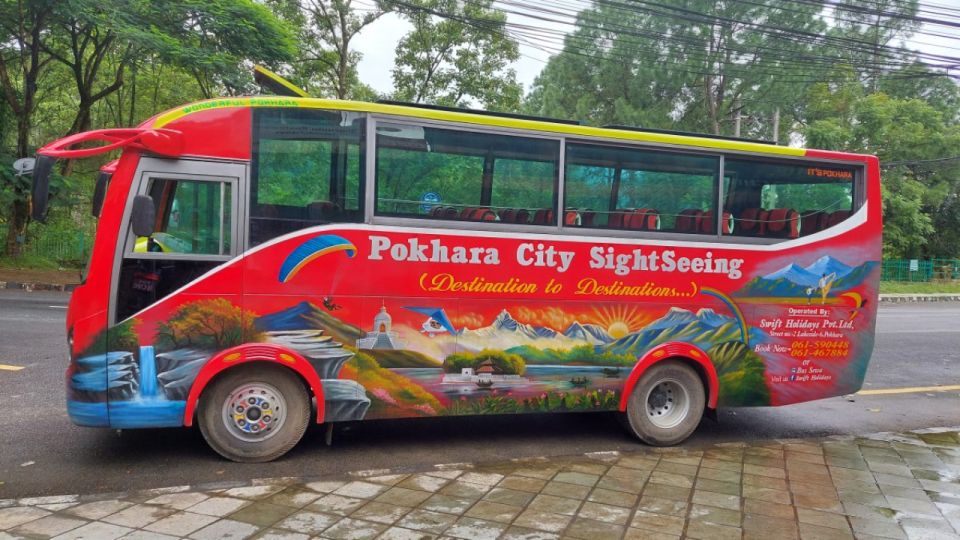
- Lakeside pickup and the bus experience with a local assistant
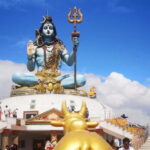
- Stop 1: Pumdikot Mahadev View Point for Pokhara overview
- Bindyabashini Temple: a quick cultural stop with real place energy
- Mahendra Cave: hands-on exploration underground
- Seti River Gorge: seeing Pokhara’s power up close
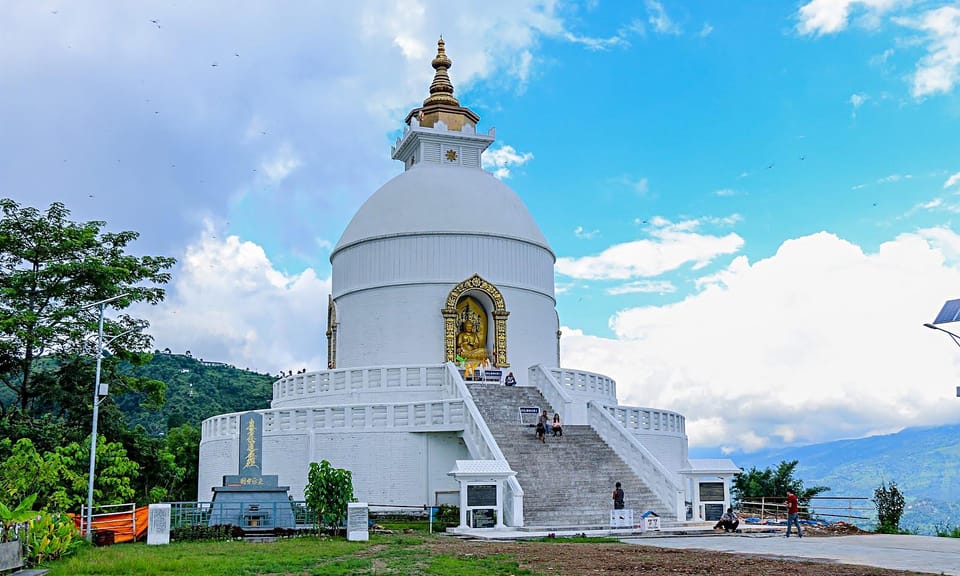
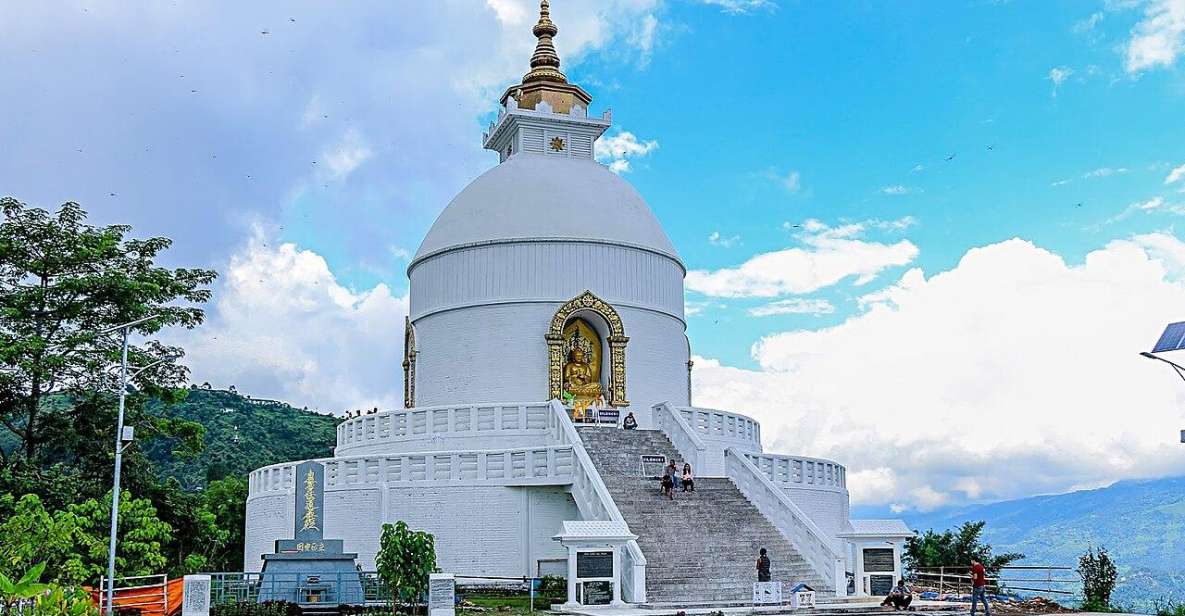
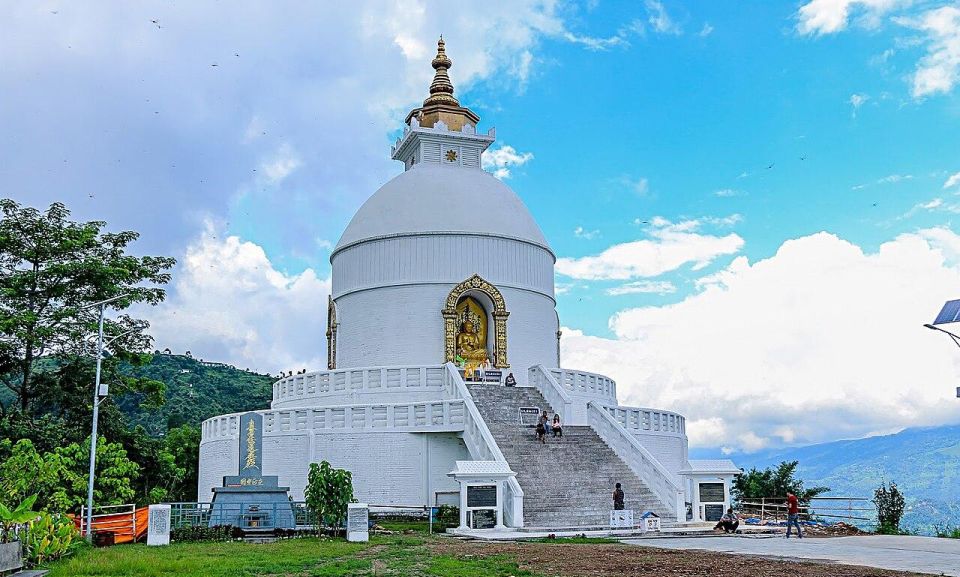
- Peace Stupa: a classic viewpoint break
- Devis Fall: the water spectacle that surprises people
- Gupteshwor Mahadev Cave: spiritual inside a natural setting
- Fewa Lake: wrap the day with the water-and-city feeling
- Guide commentary expectations: what you should and shouldn’t count on
- Who this tour suits best (and who should skip it)
- Day-trip logistics: what to bring and how to stay comfortable
- Should you book this Pokhara bus sightseeing day?
- FAQ
- How long is the Pokhara sightseeing by bus day trip?
- What is the meeting time and where do we start?
- What sites are included on the itinerary?
- Is the tour in English?
- Are meals included in the price?
- Are entrance and monument fees included?
- Is hotel pickup guaranteed from any location?
- Is this tour wheelchair accessible?
Quick hits before you go
- A value-heavy itinerary: You get a lot of named Pokhara sights in one day for about $17.
- Caves and water features: Mahendra Cave, Gupteshwor Cave, Seti Gorge, and Devis Fall are a big part of the payoff.
- You’ll likely share the bus: The group can include local and regional passengers, so expect real-life Pokhara bus energy.
- Not every stop is long: Some viewpoints and monuments may feel quick, so go with the flow.
- Timing matters: Double-check pickup details and be ready a little early in Lakeside.
- Comfort for solo travelers: The group format tends to feel steady and low-stress for people traveling alone.
Price and value: what $17 really buys
At around $17 per person, this is clearly a budget way to see Pokhara Valley. The value isn’t just the cost. It’s the structure: one day, multiple major landmarks, hotel pickup from the Lakeside area, and bus transport between stops. If you were to try to piece together the same mix by yourself, you’d usually spend more on transport and lose time jumping between far-apart places.
Here’s the part to budget mentally: meals are not included, and entrance and monument fees are roughly $10 USD per person. That means your “all-in” total won’t be just the ticket price, but it still tends to come out reasonable for a full day of sights.
One more practical note: the tour is described as a sharing bus setup. That usually means you trade comfort and flexibility for affordability. You’ll get the route, but the day won’t feel like private touring.
You can also read our reviews of more tours and experiences in Pokhara
The 7-hour rhythm: how the day moves (and why it matters)
You start early—around 9:30 AM—by meeting your tour guide at your hotel in the Lakeside area. From there, you’re on a bus for the bulk of the day, with stops where you’ll go explore on your own for a set stretch of time.
This rhythm affects how you experience Pokhara:
- You’ll see many highlights without having to negotiate rides between them.
- You won’t linger the way you might if you were hiring a private driver.
- You’ll want to be ready fast: water, good shoes, and a daypack help because cave entrances and viewing points can eat up time quickly.
Also, because this is a group format, the “pace” depends on how quickly everyone moves and whether you hit traffic. If you’re the type who hates uncertainty, this may frustrate you. If you like a sightseeing marathon with built-in transport, you’ll probably be fine.
Lakeside pickup and the bus experience with a local assistant
The pickup is included for hotels in the Lakeside area or near the tourist bus park. In theory, that makes the day simple: show up, get on the bus, and start moving. In practice, a couple of issues have come up—mainly people waiting a bit past the pick-up time or needing a moment to confirm where the reservation is.
So I’d handle pickup like a pro:
- Be ready a little early in Lakeside.
- Keep small cash accessible in case you need it for quick payments or snacks.
- If you’re not seeing your group, don’t assume it’s lost—ask the operator or the local assistant to help locate your reservation.
On the bus, there’s a local assistant you can ask questions of. That’s handy if you need help with timing, directions at the next stop, or clarifications about what you should do when you arrive.
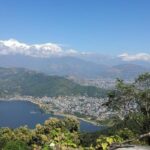
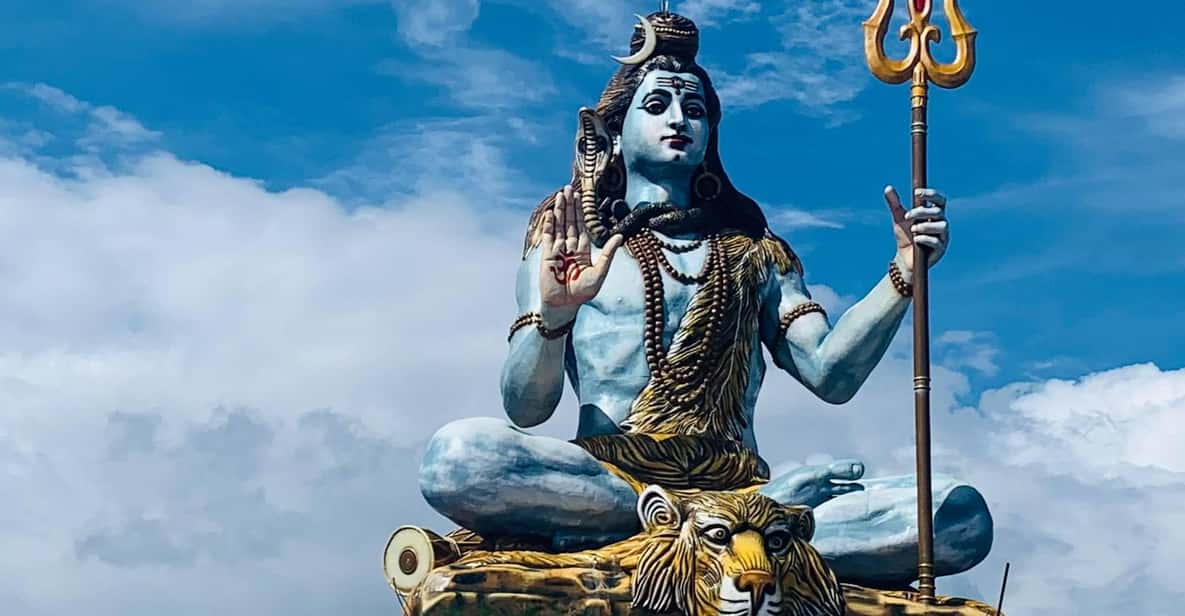
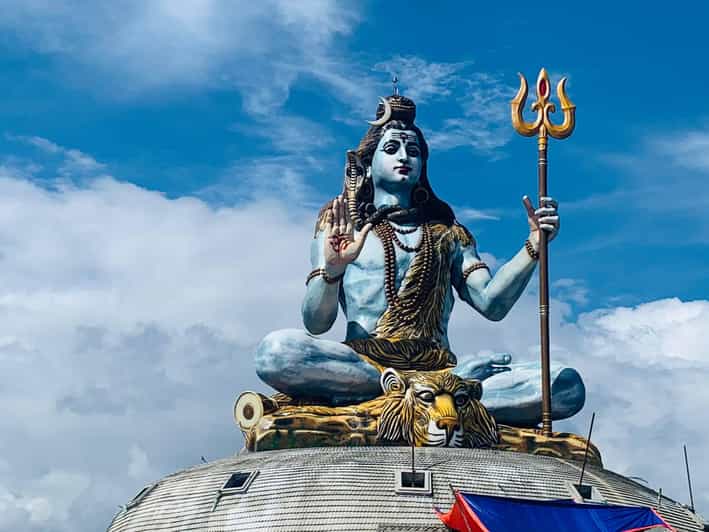
Stop 1: Pumdikot Mahadev View Point for Pokhara overview
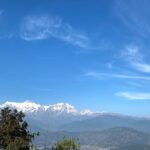
The day typically begins with a viewpoint stop at Pumdikot Mahadev View Point. This is one of those places where you get orientation fast. You’ll be looking out across the area so the rest of the sightseeing makes more sense.
What you’ll like here:
- It’s a chance to reset your eyes after the bus ride.
- Viewpoint energy is low-effort: you walk a bit, then you look, then you move on.
The main consideration is timing. Viewpoints can be weather-dependent. If visibility is hazy, you may feel like you’re getting a “soft” view instead of a crisp one. Still, the payoff is that it helps you connect the route to the geography.
Bindyabashini Temple: a quick cultural stop with real place energy
Next comes Bindyabashini Temple. This is a chance to see Pokhara through a religious and local-life lens rather than only through scenery.
Even if you’re not the most religious person, temple stops are useful on a tour like this because:
- They add variety to the day.
- They give you a sense of what locals actually do and value.
- They break up the more “touristy photo” stops with something more grounded.
Because the tour is a bus day with time limits, you won’t want to expect a long, slow visit. Treat it as a meaningful stop-through: observe, take a few photos if appropriate, and move when your group signal comes.


Mahendra Cave: hands-on exploration underground
Mahendra Cave is one of the more active stops on the route. Caves change the whole feel of your day because you’re physically moving through a different environment.
What to expect:
- You’ll go underground or into a cave space that requires attention and basic physical readiness.
- There’s usually a sense of awe because caves are cooler and darker than the outdoor world.
Practical tip: wear shoes with grip. Cave surfaces can be uneven, and you’ll want stable footing without worrying about slipping. Also keep your daypack secured so you’re not juggling items while you explore.
Seti River Gorge: seeing Pokhara’s power up close
The Seti River Gorge is one of those landmarks that makes Pokhara feel like a real place, not just a set of postcards. Rivers cut, carve, and shape the valley over time, and this stop is where you start seeing that “why” behind the scenery.
Why it’s worth it:
- It’s a natural feature rather than a manmade monument.
- It gives you a different kind of drama than waterfalls and temples.
- It’s a strong contrast point between outdoors viewpoints and cave stops.
One consideration: with gorge viewpoints, lighting and access can vary. You might get angles that look incredible from one spot and less impressive from another. If you can, take a few minutes to walk to a better vantage point rather than snapping one photo and heading back.
Peace Stupa: a classic viewpoint break
Then you’ll head to Peace Stupa. This is one of Pokhara’s most recognizable spiritual viewpoints, and it’s popular for a reason: you get a calm, open moment plus some big-sky scenery.
This stop works on a bus day because:
- It’s a “reset” from caves and river views.
- It gives you a memorable structure to anchor your photos and impressions.
- The name says what it intends—peaceful energy—so it’s a good mental break before you hit the water features.
In a perfect day, you’d linger here. In a bus day, you’ll likely have enough time for a good look and a short wander, but not an all-afternoon hangout. Still, it’s typically one of the highlights that makes the itinerary feel worth the effort.
Devis Fall: the water spectacle that surprises people
Devis Fall is the waterfall stop on your route, and it tends to be the moment that people remember after the bus ride ends. It’s dramatic, visual, and different from the calm viewpoint feel.
What makes it stand out in a practical sense:
- It’s motion-based, so it’s easier to enjoy even if you don’t spend ages there.
- You can feel the energy of water without needing to plan a long hiking day.
- It’s a good mid-to-late afternoon break if the earlier stops have your legs a bit tired.
Wear-wise, think about wetness and uneven surfaces around water features. You’ll likely be fine with normal shoes, but I wouldn’t wear anything that you mind getting splashed.
Gupteshwor Mahadev Cave: spiritual inside a natural setting
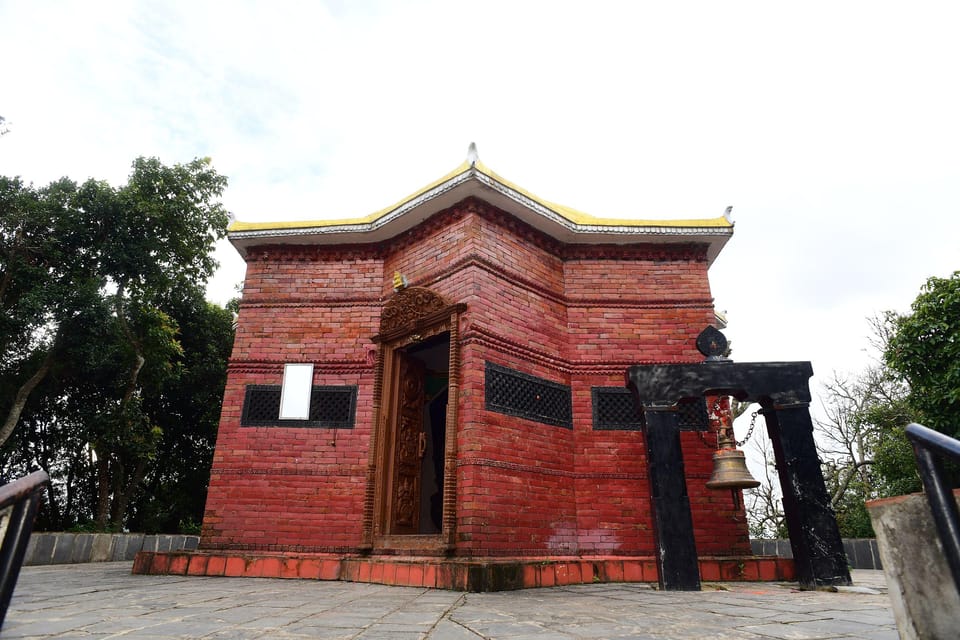
Next is Gupteshwor Mahadev Cave. This adds another cave element, but with a stronger spiritual theme tied to Mahadev. It’s not just about the underground space; it’s about what people come to feel and experience there.
Why you’ll probably like it:
- It blends nature and culture in a way that matches Pokhara’s mix of faith and landscape.
- It’s visually interesting even if you move through quickly.
- It gives you a clear “Pokhara finale vibe” before the day transitions back to the lake.
If you’ve done one cave already that day, you’ll notice the rhythm changes: you’re on your second underground experience, so pace yourself. Don’t rush to see everything at once. Take your time where it matters—entry area, key view points inside, and then exit before you feel crowded.
Fewa Lake: wrap the day with the water-and-city feeling
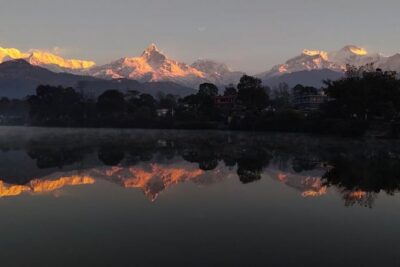
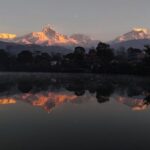
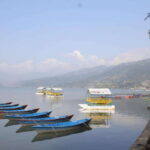
The last major stop is Fewa Lake. This is where your day shifts from monuments and caves into the lakeside atmosphere people associate with Pokhara.
Why this ending works:
- You’re finishing with a place that feels open and scenic rather than tight and enclosed.
- It’s a natural “come down” after caves and gorges.
- You’re in the right zone to enjoy the local vibe back near Lakeside.
If you still have energy, you can often use this time to reset—grab a snack, look around, and get your bearings for the rest of your Pokhara stay. The day ends up feeling more complete because you end on water.
Guide commentary expectations: what you should and shouldn’t count on
The tour advertises a live English tour guide, and there’s also a local assistant on the bus. That can mean you get helpful context and practical directions. But based on reported experiences, don’t assume you’ll get nonstop commentary at every single stop.
A realistic way to think about it:
- Expect guidance on where to go and how the day flows.
- Expect some explanations, but not necessarily a deep talk at each site.
- In some cases, you may mostly be dropped at the attraction and told what time to come back.
This isn’t automatically bad. It just means you should engage yourself: ask questions when you can, read signage at each stop, and treat the short time window as your cue to focus on what you most care about.
Who this tour suits best (and who should skip it)
This tour is a solid fit if you want:
- A budget-friendly way to hit multiple Pokhara Valley highlights in one day
- A group day plan that reduces decision fatigue
- Enough structure to see the major named sights without hiring private transport
It’s less ideal if you:
- Want a very slow, deeply guided tour where you can linger for hours
- Need wheelchair accessibility (the tour is not suitable for wheelchair users)
- Hate any chance of timing slips or pickup confusion
If you’re traveling solo, the group format can feel reassuring. Just stay ready for the basics: confirm pickup points, keep your phone available for coordination, and build a little buffer into your morning.
Day-trip logistics: what to bring and how to stay comfortable
You’ll be moving between caves, temples, viewpoints, and water features, so pack like it’s an active sightseeing day.
Bring:
- Passport or ID card
- Cash
- A daypack
Comfort items I’d consider (not required by the tour data, but sensible):
- Good traction shoes
- A light rain layer if the forecast is uncertain
- Water for between stops
- A small towel or wipes if you expect Devis Fall splash zones
And remember the entrance fees and monument fees are not included, around $10 USD per person. Having cash ready helps the day stay smooth.
Should you book this Pokhara bus sightseeing day?
If your goal is to see a lot of Pokhara in one day without spending big, this is a fair choice. The itinerary covers the main hits: Peace Stupa, Devis Fall, Gupteshwor Cave, Seti Gorge, plus temples, caves, and a lake finale. For about $17, you’re buying transport + access to a structured route, which is usually the expensive part.
I’d book it if you:
- Like a full-day checklist approach
- Are comfortable exploring on your own briefly at each stop
- Want an affordable group day and can handle a simple pace
I’d think twice if you:
- Need consistent pickup reliability and uninterrupted guide narration
- Plan to spend long hours at only a couple of sites
- Require wheelchair-friendly access
If you do book, your best move is simple: arrive early in Lakeside, keep entrance fees in mind, and treat the guide as help for logistics and direction rather than as a nonstop storyteller.
FAQ
How long is the Pokhara sightseeing by bus day trip?
The duration is 7 hours.
What is the meeting time and where do we start?
You meet your tour guide at 9:30 AM at your hotel, and pickup is included from the Lakeside area.
What sites are included on the itinerary?
The tour includes Pumdikot Mahadev View Point, Bindyabashini Temple, Mahendra Cave, Seti River Gorge, Peace Stupa, Devis Fall, Gupteshwor Mahadev Cave, and Fewa Lake.
Is the tour in English?
Yes, the live tour guide is in English.
Are meals included in the price?
No. All meals are available for purchase.
Are entrance and monument fees included?
No. Monument fees and entrance fees are approximately $10 USD per person.
Is hotel pickup guaranteed from any location?
Pickup is included from the Lakeside area (and possibly the tourist bus park area).
Is this tour wheelchair accessible?
No, it is not suitable for wheelchair users.