REVIEW · POKHARA
1-Day Private Dhampus Trekking Tour
Book on Viator →Operated by Breathe Nepal Trekking · Bookable on Viator
Annapurna scenery in a half-day hike. This 1-day private Dhampus trek is a practical way to get Himalayan thrills from Pokhara, walking past farmland and small villages before reaching the Annapurna viewpoint area. I like that it’s customizable and guided, so the day feels built around you, not a rigid schedule.
I also love the built-in lunch at Dhampus, with a menu that offers both vegetarian and non-vegetarian options, so you’re not stuck hunting food mid-trek. The guides have a strong track record for pacing and helpful support on tricky footing (names like Roman, Kumar, Dipu, and Siba show up in past experiences), which matters on the descent; one possible drawback is that weather can steal some peak visibility, so plan for the idea of changing cloud cover.
In This Review
- Key Things I’d Watch for on This Dhampus Day Hike
- Why This Dhampus Trek Works So Well From Pokhara
- Route Basics: Phedi to Dhampus, Then Kande Back
- What You’ll See at Dhampus and the Australian Camp Area
- The Big Advantage: A Guide Who Helps You Move Safely
- Lunch at Dhampus: Simple, Filling, and Timed Right
- Price and Value: What $67 Buys You (and What It Doesn’t)
- Trail Reality Check: Moderate Doesn’t Mean Easy
- Who This Trek Suits Best (and Who Might Want a Different Plan)
- Quick Practical Tips Before You Go
- Should You Book This 1-Day Private Dhampus Trek?
- FAQ
- What time does the Dhampus trek start?
- How long is the trek from Pokhara to Dhampus and back?
- How far will I walk and how much elevation is involved?
- Is lunch included, and is it vegetarian friendly?
- What’s included in the price?
- What isn’t included?
- Is this tour private or shared?
- Can I cancel for a full refund?
Key Things I’d Watch for on This Dhampus Day Hike
- Private transport from Pokhara means you spend your energy on the trail, not figuring out rides.
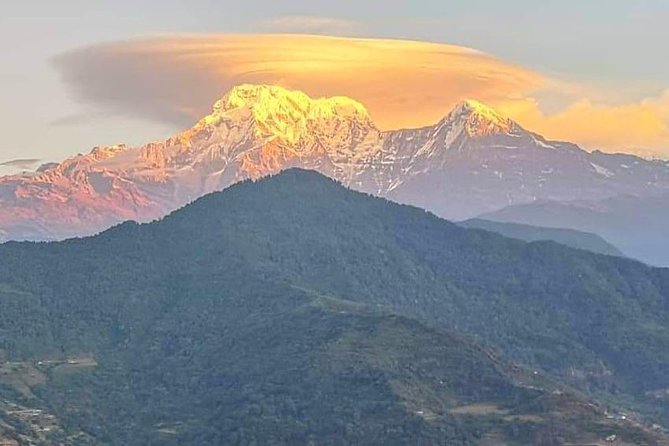
- Dhampus village + Annapurna viewpoint area gives you major-range views without committing to a multi-day trek.
- Vegetarian or non-vegetarian lunch keeps the day comfortable and actually memorable.
- English-speaking guide support helps with pacing, navigation, and safer downhill steps.
- Shorter trek with real elevation (about 945m ascent) is “moderate,” not flat and stroll-like.
Why This Dhampus Trek Works So Well From Pokhara
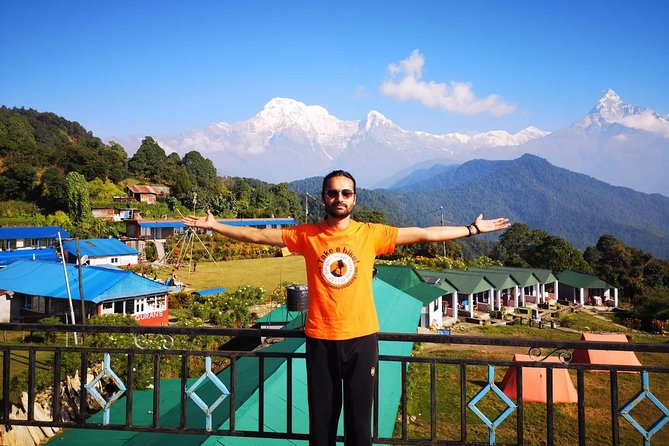
If your time in Nepal is tight but you still want that trekking feeling, Dhampus is a smart fix. It’s close enough to Pokhara that you can do it in one day, yet it still delivers the key ingredients: a proper climb, village walking, and those famous Annapurna views.
What makes this experience interesting is the balance. You’re not going to be out for days. Still, you won’t feel like you’re on an easy photo walk either. The trek hits a highest point of about 2,062m, with a climb that adds up (roughly 945m ascent) and a downhill return that asks you to keep your footing.
And because it’s private, you’re not stuck with a mismatched group pace. A guided day also means you get context as you walk—what you’re seeing, why it matters, and how to move safely when the ground gets slick. In the past, guides such as Roman and Kumar have been praised for being both helpful and calm, including on slippery descents where wet mossy rocks can be an issue.
You can also read our reviews of more private tours in Pokhara
Route Basics: Phedi to Dhampus, Then Kande Back
This day is built around one central walking corridor: Pokhara → Phedi (by taxi) → Dhampus on foot → Kande on foot → taxi back to Pokhara.
Here’s how it typically breaks down:
- Morning start is around 8:30am, with you beginning after breakfast in Pokhara.
- You drive by taxi to Phedi for about 45 minutes.
- From Phedi, you walk for about 3 hours toward Dhampus village.
- After lunch in Dhampus, you descend toward Kande.
- From Kande, you take a taxi back to Pokhara.
In total, you’re looking at about 8 hours overall (including driving and breaks). The walking math is solid and clear: the route is around 9.6 km, with a 5-hour trek time stated for the route profile. It’s a “one day” trek that feels substantial because it’s not just distance—it’s the vertical work.
If you’re deciding whether this fits your fitness level, use the elevation numbers, not the length. You climb to above 2,000m and then drop back to roughly 1,160m. The descent is shorter than the climb, but it can feel intense if you’re not used to stepping down on uneven ground.
What You’ll See at Dhampus and the Australian Camp Area
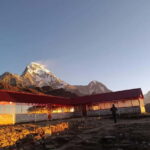
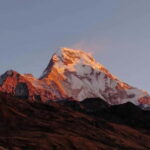
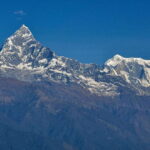
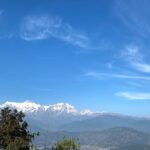
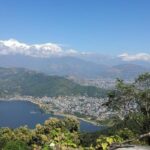
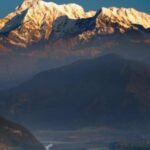
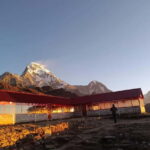
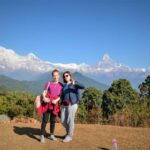
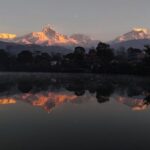
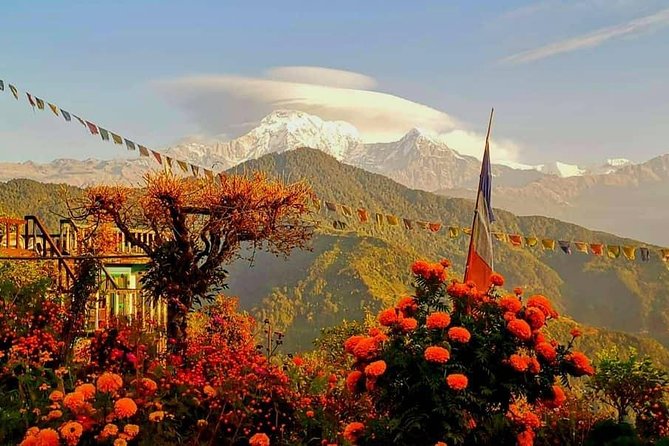
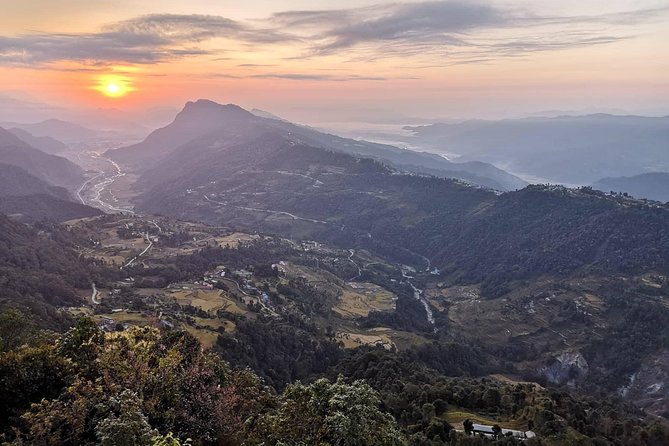
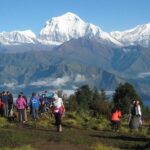
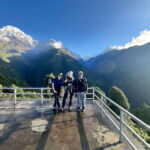
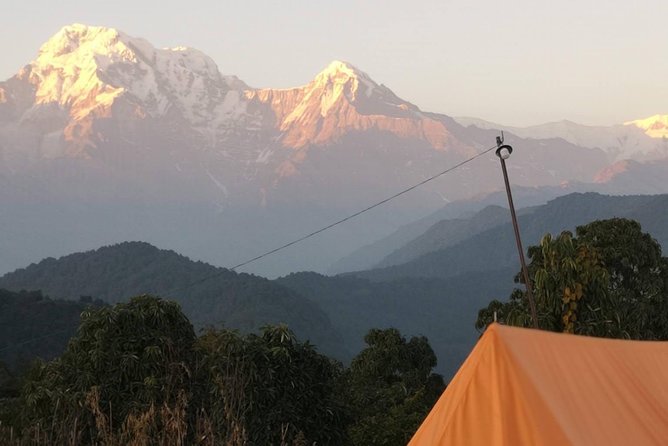
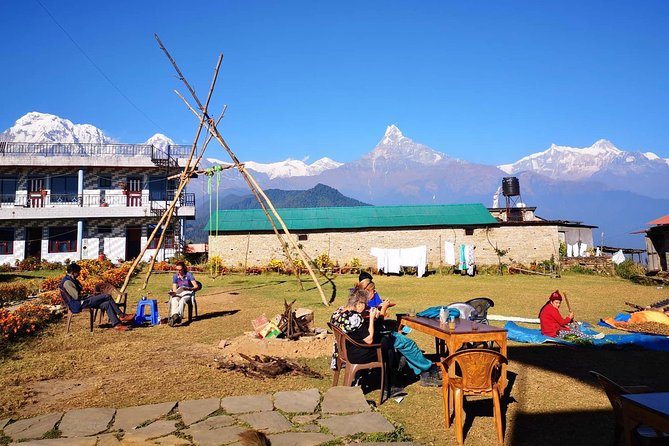
Dhampus is popular for a reason: it’s a viewpoint town in the Annapurna zone, and you get framed views of multiple peaks. From the Dhampus area, you can look out toward Annapurna South, Himchule, and Machhapuchhre (Fishtail Himal).
Your day is designed around that moment when the valley opens up and the mountains show themselves. Even when the sky isn’t perfect, you still get plenty of “Himalaya-adjacent” rewards: village scenes, terraced fields, and that quiet sense of leaving the city behind.
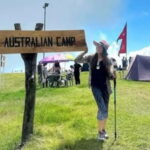
One detail worth noting: the plan is centered around the Australian Camp viewpoint area in Dhampus. In some versions of this trek, starting from closer to the camp entrance can mean fewer stairs than other entry points people use. Translation: you still get the views, but you’re less likely to burn energy on extra steps before the main outlook.
And yes—weather can change the show. If you hit a cloudy day, you might only get glimpses of the peaks rather than full, clear panorama. That’s not a reason to skip the trek. It just changes what “winning” looks like. On a less-clear day, the trek becomes about the walk and the village experience, with the peaks as a bonus when they appear.
The Big Advantage: A Guide Who Helps You Move Safely
On paper, this is a moderate trek. On the ground, the real comfort factor is your guide and how they manage the trail’s rough edges.
In the experiences tied to this trek, guides like Roman, Kumar, Dipu, and Siba have been highlighted for:
- pacing you so you don’t overcook yourself early
- helping on steeper or more challenging sections
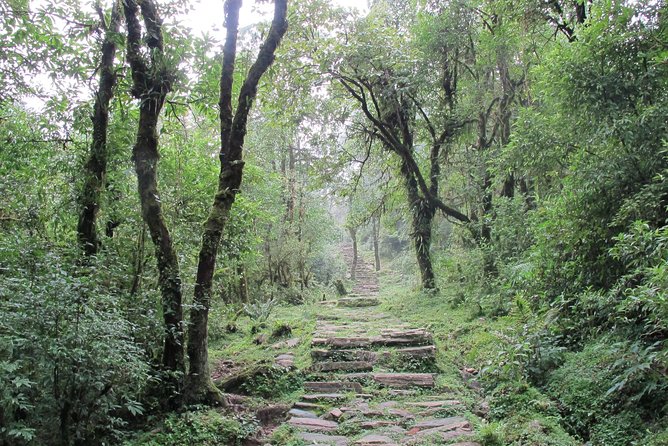
- paying attention to descent safety, especially when mossy or wet rocks show up
That last point matters. Descents can turn into a test of balance even for confident walkers. If you’re the kind of person who gets nervous on slippery footing, this is where a good guide earns their fee.
You also get the benefit of real-life explanations during the day. You’re walking through rural Annapurna region villages and farmland, so you’re not just taking in scenery—you’re learning how people live around it. That’s part of what makes this kind of “taste of the Himalaya” trek feel meaningful rather than rushed.
Lunch at Dhampus: Simple, Filling, and Timed Right
Most day hikes fall apart at lunch. Not because the food is bad, but because timing and choices get awkward. Here, lunch is included and served from a menu with vegetarian or non-vegetarian dishes.
Why that matters: you stop eating “by accident.” You eat because the trek structure says you will. After a few hours of walking up and breathing air that feels a little cooler than Pokhara, you’ll appreciate having a warm meal ready.
Also, sitting down in Dhampus for lunch gives you a mental reset. The day includes a descent after lunch, and being properly fueled helps you handle the uneven step-downs later.
If you’re picky: you get menu choice within the lunch offering. Drinks are not included, so plan to bring a small amount of cash or expect to buy water and other beverages on the way (or follow the guide’s advice for what makes sense).
You can also read our reviews of more hiking tours in Pokhara
Price and Value: What $67 Buys You (and What It Doesn’t)
At $67 per person, this trek is positioned as a budget-friendly private outing, not a bargain-bin group hike. The key value is that the price covers more than the “walking day.”
Included items:
- private transportation
- a professional English-speaking guide
- the guide’s insurances and expenses
- lunch (vegetarian or non-vegetarian)
- all fees and taxes
Not included:
- drinks and beverages
- tips for the guide and driver
So where’s the real value? It’s in removing friction. Private transport is a big deal when you’re doing this from Pokhara in a single day. You’re not spending half the day negotiating rides or waiting around.
It also helps you maintain momentum. That’s what you want for a one-day trek—less downtime, more walking, more views.
If you’re traveling with friends, look for the group discounts feature. Because it’s a private tour/activity, you can often keep the same comfort while lowering the per-person price when your group size makes it easier to share.
Trail Reality Check: Moderate Doesn’t Mean Easy
This is a moderate trek, and the elevation profile backs that up. You’ll climb from about 1,160m up to roughly 2,062m, then come down again.
Two practical considerations:
- The steepest feeling often comes later. Even when the overall route is moderate, the last portion of the climb and the immediate transition into descent can feel more demanding. If you’re used to flat sightseeing, pace yourself.
- Wet conditions can make the descent slick. Mossy rocks can get slippery, especially after mist or light rain. That’s why good footwear matters more than speed. Trekking shoes with decent traction and ankle support are a solid idea.
Also, remember what “one day” means. You’ll be walking for about 5 hours total on the route (plus driving and lunch). It’s not a marathon, but it’s also not a stroll. If you like to move steadily and don’t mind a workout, you’ll enjoy it.
Who This Trek Suits Best (and Who Might Want a Different Plan)
This Dhampus day trek fits best if you want:
- a Himalaya trekking taste without multi-day logistics
- village walking and rural scenery, not just viewpoints
- a guided day with pacing support
It’s also a good fit for many fitness levels since most travelers can participate, but you should go in with realistic expectations about elevation and downhill footing.
Consider skipping or choosing an easier alternative if:
- you have trouble with uneven steps or slippery surfaces
- you’re looking for a totally flat, low-effort experience
- you’re very sensitive to altitude discomfort (the trek is still manageable for many people, but you do climb over 2,000m)
On the flip side, it’s ideal if you’re already in Pokhara and thinking, I can do one good hike this trip. That’s exactly what this delivers.
Quick Practical Tips Before You Go
These are the small things that make the biggest difference on a day trek:
- Wear shoes with grip for downhill. Descents do the most damage to confidence when the ground is wet.
- Bring a water plan. Drinks aren’t included, so don’t assume you’ll have everything covered.
- Expect weather variability. If you see clouds, don’t panic—still enjoy the walk and wait for peak breaks when they happen.
- Ask your guide about the day’s pacing. The tour is customizable, and a guide can adjust based on your needs.
Also, since this is private, you can usually set expectations early—how fast you want to go, whether you want extra photo stops, and how you feel about rests. Guides like Roman and Kumar have been praised for patient support, so use that advantage.
Should You Book This 1-Day Private Dhampus Trek?
I’d book this trek if you want a high-reward day from Pokhara: village life, a real climb, and Annapurna viewpoints—without needing a multi-day trekking commitment.
I’d think twice if clear mountain views are your only goal. On cloudy days, you may get partial glimpses instead of a full panorama, and the trek becomes more about the walk itself than the view show.
If you can handle a moderate hike and you care about doing it with a competent English-speaking guide plus private transport, this is one of the best ways to spend a day in the Annapurna region. It’s short enough to fit almost any schedule, but structured enough to feel like a real trekking experience.
FAQ
What time does the Dhampus trek start?
The start time is listed as 8:30am. The walk begins after breakfast in Pokhara.
How long is the trek from Pokhara to Dhampus and back?
The duration is listed as 8 hours (approx.), including driving, trekking, and lunch.
How far will I walk and how much elevation is involved?
The trek route is about 9.6 km, with about 945 m ascent and 388 m descent. The route’s highest point is about 2,062 m and the lowest about 1,160 m.
Is lunch included, and is it vegetarian friendly?
Yes. Lunch is included, with a menu offering vegetarian or non-vegetarian options.
What’s included in the price?
The price includes private transportation, a professional English-speaking guide (with insurances and expenses), lunch, and all fees and taxes.
What isn’t included?
Drinks and beverages aren’t included, and you’ll also want to budget for tips for the guide and driver.
Is this tour private or shared?
It’s private. Only your group participates.
Can I cancel for a full refund?
Yes—free cancellation is available if you cancel at least 24 hours before the experience’s start time.